
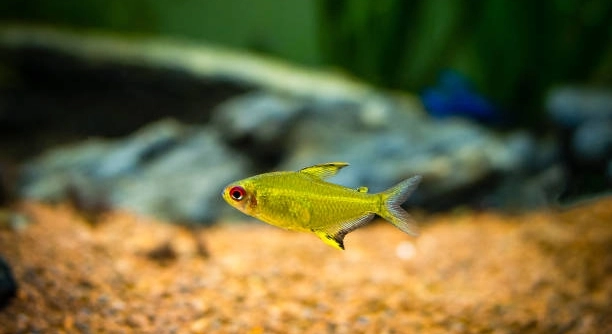
Are your lemon tetras showing subtle changes that make you think something might be off with their usual behavior in the tank, leaving you unsure about what these early shifts could mean for their comfort?
Early signs of lemon tetra stress include color fading, erratic swimming, reduced appetite, and increased hiding. These changes usually reflect environmental imbalances, making timely assessment of water quality, tank setup, and social conditions necessary to support their overall wellbeing properly.
Recognizing these subtle shifts helps you understand the deeper factors influencing their behavior, guiding you toward building a calmer habitat.
Understanding Water Quality
Water quality is the most critical factor in keeping lemon tetras healthy. Poor water conditions can quickly lead to stress, which shows through unusual behavior or physical changes. Monitoring ammonia, nitrite, and nitrate levels is essential, as high readings can harm your fish’s health. Regular partial water changes help maintain stability. Temperature fluctuations should also be minimized, as sudden changes can trigger stress responses. pH and hardness levels need to stay within a suitable range for lemon tetras, generally between 6.0 and 7.5 for pH and soft to moderately hard water. Filtration plays an important role in removing debris and toxins while keeping the water clear. Overfeeding should be avoided, as leftover food can decay and compromise water quality. Observing your fish daily helps detect early signs of stress, allowing quick adjustments. A consistent and stable environment reduces stress and promotes natural behavior in your tetras.
Regularly testing water and adjusting conditions prevents long-term health issues.
Keeping water clean and stable requires attention, but the results are visible in vibrant, active fish that swim confidently and eat regularly.
Recognizing Behavioral Changes
Lemon tetras exhibit subtle behavioral shifts when stressed, which often precede visible health problems.
Changes such as hiding more often, swimming near the surface, or darting around the tank can indicate discomfort. Loss of appetite and lethargy are also common signs. Stress may arise from overcrowding, aggressive tank mates, or inadequate hiding spaces. Monitoring these behaviors daily helps identify issues before they escalate. Proper observation can prevent serious health problems and improve overall fish well-being.
Behavioral changes are often the first warning signs of stress in lemon tetras. Paying attention allows timely interventions. Over time, small adjustments to the tank setup, water quality, and feeding routine can restore natural behavior. Providing plants, hiding spots, and open swimming areas reduces anxiety and encourages normal schooling patterns. Consistency in light cycles and water parameters also plays a role in maintaining calm, stable behavior. Stress from environmental changes or sudden disturbances can be minimized by gradual adjustments. By recognizing and responding to early behavioral shifts, you support the health and longevity of your lemon tetras while ensuring their tank remains a balanced, comfortable environment.
Tank Environment Adjustments
Creating a comfortable tank environment is essential for reducing stress in lemon tetras. Proper plant placement, hiding spots, and open swimming areas help fish feel secure. Avoid overcrowding, and ensure compatible tank mates to maintain a peaceful environment.
Plants and decorations should provide cover without restricting movement. Avoid sharp objects that could injure the fish. Maintaining a balanced number of tetras in the tank allows schooling behavior, which lowers anxiety. Open areas encourage natural swimming patterns, while dense plants offer refuge when fish feel threatened. Substrate choice can also affect comfort; smooth gravel or sand is ideal. Lighting should mimic natural cycles, providing a day-night rhythm that reduces stress. Strong currents should be minimized, as lemon tetras prefer gentle water flow. Regular observation ensures that all adjustments are effective and that fish interact comfortably. Tank size matters; a larger space reduces competition and allows for more natural behaviors, helping fish thrive.
Consistency in tank layout supports long-term calm behavior and encourages healthy interaction among tetras.
Diet and Feeding Practices
Balanced nutrition is vital for lemon tetras to maintain health and resilience. Offer a mix of high-quality flakes, frozen foods, and occasional live food to meet dietary needs. Avoid overfeeding, as excess food can pollute the tank.
Providing variety in the diet ensures that fish receive essential nutrients for energy, growth, and immune support. Flakes can form the base, supplemented by frozen brine shrimp, daphnia, or bloodworms to enrich protein intake. Feeding small amounts multiple times a day prevents overeating and reduces waste accumulation. Observing fish during feeding reveals appetite changes that may indicate stress or illness. Rotating food types keeps fish engaged and prevents selective eating habits. Treats should be occasional, not a main diet component. Monitoring food intake and adjusting portion sizes helps maintain optimal water quality, supporting both nutrition and environmental stability. A proper diet combined with clean water and a comfortable environment strengthens the overall health of lemon tetras, ensuring they remain active, colorful, and stress-free.
Social Behavior
Lemon tetras rely on schooling for comfort and security. Keeping them in groups of at least six reduces anxiety and encourages natural movement patterns. Isolated fish often show signs of stress, such as hiding or lethargy.
Observing interactions helps identify aggressive or dominant fish. Ensuring compatible tank mates prevents bullying and competition. Peaceful coexistence maintains a calm environment and supports overall health.
Lighting and Day-Night Cycle
Consistent lighting is important for regulating lemon tetras’ internal rhythms. Sudden changes or prolonged darkness can trigger stress and disrupt normal behavior. Using a timer ensures a regular day-night cycle.
Proper lighting enhances coloration and encourages natural activity. Too bright or flickering light may cause hiding or erratic swimming. Adjusting intensity and duration to mimic natural conditions promotes calm, healthy fish behavior.
Handling and Tank Maintenance
Minimize direct handling, as lemon tetras are sensitive to sudden disturbances. Use gentle methods when necessary, such as nets or temporary containers during cleaning.
Frequent observation and careful maintenance routines reduce stress and prevent accidental injury. A calm approach ensures fish remain healthy while the tank stays clean.
FAQ
How can I tell if my lemon tetra is stressed?
Stress in lemon tetras often shows through changes in behavior and appearance. Common signs include faded coloration, hiding more often, erratic swimming, loss of appetite, or staying near the surface. Observing your fish daily helps catch these early indicators, allowing you to respond before serious health issues arise.
What environmental factors cause stress in lemon tetras?
Several factors can trigger stress. Poor water quality, sudden temperature fluctuations, overcrowding, aggressive tank mates, and insufficient hiding spots all contribute. Inconsistent lighting and strong water currents may also disturb their natural patterns. Maintaining a stable, well-planned tank environment reduces stress significantly.
How often should I test my tank water?
Regular water testing is essential. Weekly checks for ammonia, nitrites, nitrates, pH, and temperature ensure a safe environment. Sudden spikes can stress fish quickly, so timely adjustments are necessary. Keeping a simple log helps track trends and prevents unnoticed changes.
Can diet affect stress levels?
Yes, nutrition directly impacts health and resilience. A varied diet of high-quality flakes, frozen foods, and occasional live foods provides essential nutrients. Overfeeding should be avoided, as leftover food can pollute water and contribute to stress. Observing appetite changes can indicate early problems.
Is tank size important for stress management?
Tank size greatly influences comfort. Lemon tetras require enough space to swim freely and form natural schools. Overcrowding increases competition and aggression, leading to stress. A larger, well-planted tank with open swimming areas encourages calm, healthy behavior.
Do lemon tetras need hiding spots?
Yes, hiding spots are essential for a sense of security. Plants, decorations, and smooth substrates offer refuge when fish feel threatened. Lack of cover can increase anxiety and lead to abnormal behaviors like erratic swimming or prolonged hiding.
How should I introduce new tank mates?
Introducing new fish gradually helps reduce stress. Quarantine new additions first to prevent disease. Observe interactions carefully and avoid aggressive species. Ensuring enough space and hiding spots allows the established tetras to adjust without conflict.
Can lighting affect lemon tetra stress?
Consistent lighting is important for maintaining their day-night rhythm. Sudden changes, flickering lights, or overly bright conditions can cause anxiety and hiding behaviors. Using a timer to regulate light duration helps maintain calm and natural activity patterns.
What maintenance routines help prevent stress?
Regular tank maintenance prevents environmental stress. Partial water changes, substrate cleaning, and filter maintenance keep conditions stable. Minimize disruptions and handle fish gently when necessary. Consistency in routines helps fish feel secure and reduces stress-related behaviors.
When should I seek professional help?
If stress signs persist despite proper care, consult an aquatic specialist or veterinarian. Prolonged lethargy, rapid color loss, or unusual behaviors may indicate underlying illness. Timely professional advice ensures your lemon tetras receive appropriate treatment and support.
How can I encourage natural schooling behavior?
Keeping a group of at least six lemon tetras promotes healthy schooling. Avoid overpopulating the tank and ensure open swimming spaces. Adequate hiding spots reduce anxiety and support natural social interactions, which lowers overall stress.
Are there long-term effects of stress in lemon tetras?
Chronic stress weakens the immune system, making fish more prone to illness. Growth may slow, coloration may fade, and behavior may become erratic. Maintaining stable water, proper diet, and a calm environment is crucial for long-term health and vitality.
Can seasonal changes affect stress levels?
Yes, seasonal temperature or light changes can impact behavior. Gradual adjustments in temperature, consistent lighting, and careful monitoring help minimize stress. Avoid sudden environmental shifts, as lemon tetras are sensitive to rapid changes in their habitat.
How do I know if water parameters are optimal?
Healthy lemon tetras swim actively, eat well, and display bright coloration. Testing water regularly ensures ammonia, nitrite, and nitrate levels remain safe. pH and hardness should stay within recommended ranges. Observing fish behavior alongside test results gives a clear picture of water suitability.
What is the role of observation in preventing stress?
Daily observation is the most effective way to catch early stress signs. Noticing changes in swimming patterns, appetite, or coloration allows timely action. Quick adjustments to diet, environment, or tank conditions can prevent minor issues from becoming serious problems.
How can I minimize stress during cleaning or maintenance?
Perform partial water changes and cleaning gently, avoiding sudden movements or loud noises. Use nets carefully, and consider temporary containers to reduce direct handling. A calm approach helps fish remain secure while keeping the tank healthy.
Are temperature swings harmful to lemon tetras?
Yes, sudden temperature changes can shock fish, triggering stress responses. Maintain a stable range between 72°F and 79°F. Gradual adjustments are safer if changes are needed, and consistent monitoring ensures comfort and health.
Can stress cause disease in lemon tetras?
Chronic stress lowers immune defenses, making fish more susceptible to bacterial, fungal, and parasitic infections. Early intervention through proper care, water management, and nutrition reduces risk. Prompt attention to symptoms helps prevent serious illness.
What signs indicate recovery from stress?
Improved coloration, regular schooling, active swimming, and normal appetite signal recovery. Fish become more confident in open areas and interact naturally with tank mates. Consistent care and a stable environment support full recovery over time.
How do I balance tank décor and swimming space?
Provide plants and hiding spots without overcrowding. Open swimming areas are essential for natural movement. Observing fish interactions helps adjust décor placement, ensuring both security and freedom for comfortable, stress-free behavior.
Can stress affect reproduction?
Yes, stressed lemon tetras may delay or stop breeding. A calm, stable environment with optimal water parameters, adequate nutrition, and minimal disturbances increases the likelihood of successful spawning. Stress reduction is key to maintaining natural reproductive behavior.
How quickly do stress signs appear?
Stress signs can appear within hours to days, depending on the trigger. Rapid detection and response help prevent long-term effects. Consistent observation allows immediate adjustments to tank conditions, diet, or social dynamics.
What small changes make a big difference in reducing stress?
Gradual adjustments to water parameters, gentle feeding routines, proper schooling, and adequate hiding spots significantly reduce stress. Consistency and attention to detail create a stable environment where lemon tetras thrive.
How do I monitor social harmony in the tank?
Watch interactions carefully. Aggression, chasing, or isolation indicates imbalance. Adjust tank mates, space, and décor to restore calm. Promoting peaceful coexistence supports natural schooling and reduces stress for all fish.
Can stress affect color intensity?
Yes, stressed lemon tetras often show faded or dull coloration. Maintaining optimal water conditions, nutrition, and social harmony restores brightness over time. Vibrant colors are a reliable indicator of comfort and health.
How often should I rearrange tank decorations?
Frequent rearrangement can cause stress. Make changes gradually if needed. Minimal adjustments allow fish to adapt without anxiety, maintaining a stable and comfortable environment.
Are sudden loud noises a problem?
Yes, vibrations or loud sounds can frighten lemon tetras, causing erratic swimming or hiding. Minimizing external disturbances and providing hiding spots helps fish feel secure.
Can overcrowding trigger stress even in a large tank?
Yes, too many fish increase competition for space and food. Even in a spacious tank, proper stocking levels and social balance are essential to reduce anxiety and promote natural behavior.
How do I encourage active feeding without overfeeding?
Offer small portions multiple times a day. Rotate food types to maintain interest while preventing excess waste. Monitoring appetite ensures fish receive enough nutrition without compromising water quality.
What are long-term benefits of reducing stress?
Lower stress improves immune function, coloration, growth, and overall behavior. Fish remain active, social, and healthy, which supports a vibrant and balanced tank environment for years.
How do I identify subtle stress signs in a large group?
Look for individuals lagging behind in the school, hiding excessively, or refusing food. Comparing behavior across the group helps detect early stress, enabling targeted adjustments before issues escalate.
Can water hardness affect stress levels?
Yes, lemon tetras prefer soft to moderately hard water. Extreme hardness or sudden changes can cause discomfort, prompting stress behaviors. Maintaining recommended parameters ensures comfort and reduces potential anxiety.
How important is routine in preventing stress?
Consistent feeding, maintenance, and lighting routines reduce uncertainty and create a sense of security. Predictability in the environment minimizes stress and promotes healthy behavior patterns over time.
Do seasonal algae blooms impact stress?
Excessive algae growth can reduce water quality and disrupt swimming space, causing stress. Regular cleaning and balanced lighting control algae while maintaining a safe, comfortable habitat.
Are stress signs reversible?
Yes, early intervention with proper water quality, nutrition, and environmental adjustments allows lemon tetras to recover. Prompt attention ensures fish regain normal behavior, coloration, and overall health.
Can tank mates influence stress recovery?
Yes, aggressive or incompatible fish can prolong stress. Introducing calm, compatible species and ensuring adequate space accelerates recovery and maintains a stable social environment.
How can I tell if my adjustments are working?
Observe improvements in swimming patterns, appetite, and coloration. Fish should become more confident, interact naturally with the group, and display normal schooling behavior, indicating reduced stress and a healthier environment.
Is daily observation necessary even in a well-maintained tank?
Yes, minor changes can indicate emerging stress. Daily checks allow immediate responses to behavior shifts, environmental fluctuations, or health issues, preventing long-term problems.
Can stress affect lifespan?
Chronic stress weakens immunity, slows growth, and may shorten lifespan. Maintaining stable conditions, proper nutrition, and social harmony supports longevity and overall vitality in lemon tetras.
How do I balance hiding spots with visibility for observation?
Provide dense plants or décor in corners while keeping open swimming areas. This ensures fish feel secure yet remain visible for monitoring behavior and detecting early stress signs.
Does water temperature consistency outweigh exact numbers?
Yes, stability is more important than hitting precise degrees. Sudden shifts cause stress, while gradual changes within the preferred range allow fish to adapt comfortably. Consistent monitoring ensures a stable environment.
Can stress be caused by incompatible fish species?
Yes, aggressive or territorial species can intimidate lemon tetras. Selecting peaceful tank mates reduces anxiety, allowing natural behavior and schooling patterns to continue without disturbance.
How do I handle multiple stress factors simultaneously?
Address water quality, tank layout, feeding, and social dynamics together. Gradual, coordinated adjustments reduce cumulative stress, improving overall comfort and health for lemon tetras.
Are there visible signs before behavioral changes occur?
Yes, early indicators include slight color fading, fin clamping, or subtle inactivity. These often precede noticeable behavioral shifts, signaling the need for prompt environmental adjustments.
How long does recovery take after stress?
Recovery varies depending on severity. Minor stress may resolve within days, while chronic issues could take weeks. Consistent care and stable conditions are key to a full return to normal behavior.
Can overcleaning stress lemon tetras?
Yes, excessive water changes or rapid décor rearrangements can disturb fish. Gentle maintenance routines maintain water quality without causing unnecessary anxiety.
Does schooling behavior affect stress monitoring?
Yes, observing group dynamics helps detect stressed individuals. Isolated or lagging fish often indicate discomfort, enabling targeted interventions before health declines.
Are there preventative measures to avoid stress altogether?
Maintaining water quality, proper nutrition, adequate space, stable lighting, and peaceful tank mates reduces the likelihood of stress. Consistency and careful observation are essential for long-term fish health.
Can stress cause physical injuries?
Yes, darting, collisions, or chasing can result in torn fins or bruising. Minimizing disturbances, providing adequate space, and ensuring compatible tank mates helps prevent injuries.
How do I track gradual improvements in stressed fish?
Use notes on behavior, appetite, coloration, and swimming patterns. Comparing daily observations over time highlights positive changes and confirms the effectiveness of adjustments.
Can stress affect multiple generations of tetras in the same tank?
Chronic stress can influence reproduction, offspring health, and behavior. Maintaining optimal conditions supports both adults and fry, ensuring a stable, thriving population.
Is it better to treat one stress factor at a time?
Addressing multiple factors simultaneously is often more effective, as stress usually stems from several sources. Coordinated adjustments promote quicker recovery and long-term well-being.
Can stress signs be mistaken for illness?
Some behaviors overlap with disease symptoms. Careful observation, water testing, and monitoring diet help differentiate stress from illness, guiding appropriate interventions.
How do I maintain calm behavior during feeding?
Feed in small amounts and monitor the group. Avoid sudden movements or excessive crowding at feeding time to prevent stress and aggression.
What is the impact of sudden tank rearrangements?
Abrupt changes disrupt established territories and can cause hiding, erratic swimming, or aggression. Gradual adjustments reduce anxiety and allow fish to adapt comfortably.
How do I encourage schooling in a new tank?
Introduce at least six tetras together in a well-planted tank with open swimming areas. Monitor interactions to ensure they form a cohesive, stress-free group.
Are small water changes stressful for lemon tetras?
Minor, gradual water changes are generally safe. Rapid, large changes in volume or temperature can startle fish and trigger stress responses. Consistency is essential.
Can seasonal lighting changes affect stress levels?
Yes, sudden increases or decreases in light intensity or duration may cause hiding or erratic swimming. Using timers and gradual adjustments minimizes impact.
Does stress affect fin condition?
Chronic stress can lead to clamped fins, fraying, or damage from collisions. Proper care, space, and calm tank conditions help maintain healthy fin integrity.
How do I ensure long-term stress prevention?
Consistent monitoring, balanced diet, stable water conditions, adequate schooling, and compatible tank mates reduce risk. Proactive care ensures lemon tetras remain healthy, active, and vibrant.
What role does water filtration play in stress management?
Effective filtration removes toxins, debris, and waste, maintaining water clarity and stability. A well-filtered tank reduces environmental stress and promotes consistent comfort for the fish.
Can stress cause unusual swimming patterns?
Yes, darting, hovering near the surface, or circling repeatedly are common signs. Identifying the cause allows for targeted adjustments to restore calm and normal behavior.
Are there behavioral signs unique to lemon tetras under stress?
Yes, subtle color fading, fin clamping, and school fragmentation are typical. Observing these alongside environmental factors helps identify and address stress early.
Does stress affect appetite immediately?
Often, appetite decreases within hours of stress. Monitoring feeding habits provides early insight, enabling timely interventions to restore comfort and health.
How important is tank cover in stress reduction?
Plants, décor, and shaded areas provide a sense of security. Lack of cover increases anxiety, while adequate shelter supports natural hiding behavior and overall well-being.
Can stress be caused by too little activity?
Yes, overcrowding or poor tank layout may restrict movement, causing anxiety. Ensuring open swimming areas allows fish to exercise natural patterns and reduces stress.
How do I manage multiple tanks with stressed lemon tetras?
Maintain consistent water parameters, feeding routines, and observation in each tank. Address stress factors individually while ensuring overall tank stability to support healthy fish across all setups.
Can stress affect coloration long-term?
Chronic stress may lead to prolonged dullness or faded colors. Correcting environmental and dietary factors gradually restores natural vibrancy over time.
Are there signs of stress that appear only at night?
Yes, restless swimming or hiding in unusual areas may occur under darkness if the environment feels insecure. Proper night-time lighting and shelter reduce anxiety.
How can I reduce stress during illness treatment?
Minimize handling, maintain stable water parameters, and provide hiding spots. Gentle observation ensures fish remain as comfortable as possible while receiving treatment.
Does stress affect social hierarchy?
Yes, stressed fish may become submissive or aggressive. Observing group dynamics allows adjustments to maintain peaceful schooling and reduce tension within the tank.
Can seasonal temperature fluctuations increase stress?
Yes, sudden temperature drops or rises disrupt comfort. Gradual adjustments and consistent monitoring help fish adapt without triggering stress responses.
How do I know if a stressed fish is recovering fully?
Normal swimming, appetite, coloration, and interaction with tank mates indicate full recovery. Continued observation ensures they remain comfortable and healthy in the long term.
Can stress affect reproductive behavior long-term?
Yes, chronic stress may delay spawning or reduce fertility. Stable water, nutrition, and minimal disturbances promote successful reproduction and fry development.
How can I prevent recurring stress episodes?
Consistent care, stable water conditions, proper diet, adequate schooling, and careful monitoring reduce risk. Observing small behavior changes allows prompt adjustments before stress escalates.
Is it normal for lemon tetras to hide more during adjustment periods?
Yes, temporary hiding occurs when fish acclimate to new tanks or changes. Adequate cover and gradual introductions reduce anxiety and support adaptation.
Can stress affect gill movement?
Rapid or heavy gill movement may indicate stress. Checking water quality and environmental factors helps identify the cause and restore calm conditions.
How do I balance observation with minimal disturbance?
Watch fish calmly from outside the tank. Avoid tapping or sudden movements. Gentle observation provides insight without adding stress.
Are stress signs reversible in all cases?
Early and moderate stress is usually reversible with proper care. Severe or prolonged stress may cause lasting health impacts, emphasizing prevention and prompt intervention.
Can stress be caused by incompatible water parameters?
Yes, deviations in pH, hardness, or temperature create discomfort. Maintaining appropriate levels ensures fish remain healthy, active, and stress-free.
How do I handle multiple stress triggers simultaneously?
Identify all contributing factors and address them gradually yet consistently. Coordinated changes in water, diet, and social environment reduce cumulative stress efficiently.
Does stress impact immune function immediately?
Yes, prolonged stress weakens immunity, increasing susceptibility to infections. Promptly correcting environmental and dietary factors helps maintain resilience and overall health.
Can stress affect interaction with tank mates?
Yes, stressed fish may isolate or show aggression. Ensuring proper schooling, space, and compatible companions restores social balance and reduces tension in the tank.
Are there behavioral differences between male and female lemon tetras under stress?
Males may display more territorial behavior, while females may hide or show reduced activity. Observing both sexes helps identify stress patterns and manage the environment effectively.
Does stress influence energy levels?
Yes, stressed fish often appear lethargic or show reduced swimming activity. Proper nutrition, stable water conditions, and a calm environment restore normal energy and behavior patterns.
How do I prevent stress during water changes?
Perform small, gradual water changes at consistent intervals. Avoid sudden temperature or volume
Final Thoughts
Maintaining the health and wellbeing of lemon tetras requires consistent attention to several key factors. Water quality remains the most important aspect, as poor conditions can quickly lead to stress and illness. Regular testing for ammonia, nitrites, nitrates, pH, and temperature ensures that your tank stays within safe ranges. Partial water changes and careful maintenance routines help keep the environment stable. Filtration should be appropriate for the tank size and biological load, removing debris and toxins effectively. Sudden changes in water conditions, such as temperature spikes or pH shifts, can trigger stress responses even in otherwise healthy fish. Observing water clarity and quality daily, while making small adjustments when necessary, is one of the simplest ways to prevent problems before they escalate. Consistency in these practices builds a foundation for a calm and thriving tank environment.
The tank setup itself also plays a crucial role in reducing stress for lemon tetras. Providing enough space to swim freely while including plants and decorations for hiding creates a balance between security and mobility. Overcrowding should be avoided, as too many fish increase competition and aggression, which can lead to anxiety and erratic behavior. Compatible tank mates further contribute to a peaceful environment, allowing tetras to maintain natural schooling behavior without feeling threatened. Lighting should be consistent and mimic natural day-night cycles to encourage normal activity patterns. Gentle water currents are preferable, as strong or turbulent flows may cause fatigue or panic. Observing fish behavior within this environment helps identify potential issues early. Adjusting the tank layout gradually, rather than making abrupt changes, allows the fish to adapt comfortably and minimizes unnecessary stress.
Nutrition and social structure also impact the overall wellbeing of lemon tetras. A varied diet of high-quality flakes, frozen foods, and occasional live foods provides essential nutrients, supporting energy levels, immune function, and natural coloration. Overfeeding should be avoided to prevent leftover food from polluting the water and causing additional stress. Schooling behavior is vital for these fish, as isolation can lead to anxiety, lethargy, and abnormal swimming patterns. Keeping a group of at least six fish allows them to interact naturally and feel secure. Regular observation of feeding and social dynamics ensures that all fish are participating and adjusting well. Even small daily practices, such as watching for hiding or changes in appetite, contribute significantly to maintaining a stable and calm environment. Over time, consistent care across these areas leads to lemon tetras that are active, vibrant, and resilient, with reduced risk of stress and illness.

Hello,
If you enjoy the content that we create, please consider saying a "Thank You!" by leaving a tip.
Every little bit helps us continue crafting quality advice that supports the health, happiness, and well-being of pets around the world, for pets of all shapes, sizes, and species.
We really appreciate the kindness and support that you show us!