
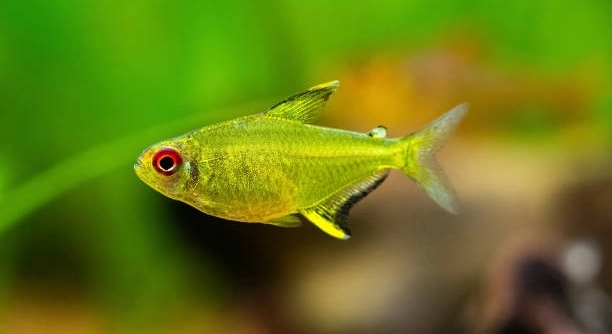
Do your lemon tetras seem less active than usual, or are their colors fading in the tank? Many fish owners notice subtle changes before serious illness appears, which can be easy to miss without careful observation.
Early signs of illness in lemon tetras include changes in swimming behavior, loss of appetite, clamped fins, discoloration, unusual spots, rapid breathing, and lethargy. Identifying these symptoms promptly allows for timely intervention to maintain the health of your fish.
Recognizing these early indicators can help prevent severe health issues and keep your aquarium thriving with vibrant, happy tetras.
Changes in Swimming Behavior
Lemon tetras are usually active swimmers, gliding smoothly through the water in groups. When a fish begins swimming erratically, darting suddenly, or isolating itself from the school, it is often a sign of discomfort or illness. Some tetras may hover near the bottom or surface, struggling to maintain balance, which can indicate internal stress or disease. Observing swimming patterns daily can help catch these issues early. Sometimes environmental factors like water quality, temperature fluctuations, or overcrowding contribute to irregular movements. Keeping the tank clean, maintaining stable conditions, and monitoring other fish for similar behaviors helps identify if the problem is individual or affects the group. Regular observation is crucial since tetras can hide signs of illness until they worsen. Early detection allows for corrective measures, such as adjusting water parameters or consulting a veterinarian specializing in fish, ensuring your lemon tetras regain their normal swimming activity and remain healthy.
Swimming issues often point to stress or disease, making early observation essential for quick intervention.
Tracking these movements over several days gives a clear picture of your tetra’s health. It can help you distinguish between temporary environmental responses and genuine illness. If irregular swimming persists despite stable water conditions, it may indicate parasites, infections, or internal organ issues. Taking action early can prevent worsening symptoms, support recovery, and protect other fish in the tank. Regular tank maintenance and careful feeding routines also minimize stress, helping lemon tetras maintain normal activity levels. Observing subtle changes daily ensures your tetras remain energetic and colorful.
Loss of Appetite
Loss of appetite is an early indicator of illness in lemon tetras and can signal internal or environmental problems.
Fish that stop eating or show reluctance to feed may be experiencing digestive issues, parasites, or stress. Sudden changes in diet, water conditions, or tankmates can also lead to temporary appetite loss. If a tetra consistently avoids food, it can weaken quickly, making it more vulnerable to other illnesses. Observing whether multiple fish show the same pattern helps identify if the issue is systemic. Maintaining a balanced diet and providing high-quality food in appropriate amounts supports recovery. Feeding smaller portions multiple times a day can stimulate appetite. If the problem continues, quarantining the affected fish and consulting a vet ensures timely treatment. Prompt attention improves the chances of restoring normal feeding behavior and overall health.
Monitoring feeding habits closely helps detect issues early, preventing serious health decline.
When lemon tetras stop eating, their energy levels drop, and their immune response weakens. Immediate attention to water quality, diet, and tank conditions is crucial. Introducing vitamins or specialized foods may aid recovery, but underlying causes should be addressed first. Quarantining the affected fish prevents the spread of potential infections. Observing stool, behavior, and activity provides clues for diagnosis. Regularly cleaning the tank and ensuring proper filtration minimizes stressors contributing to appetite loss. Healthy tetras should actively feed during scheduled times; deviations are often the first visible sign something is wrong. By taking prompt action, you can restore their health and prevent complications that could affect the entire aquarium population.
Clamped Fins
Clamped fins occur when a lemon tetra holds its fins tightly against its body instead of spreading them naturally. This behavior can indicate stress, poor water quality, or the onset of illness. Observing this early allows you to make adjustments before the condition worsens.
Clamped fins are often accompanied by other subtle signs, such as reduced swimming or hiding in corners of the tank. This behavior can develop from sudden changes in temperature, high ammonia levels, or incompatible tankmates causing stress. Fish under stress are more susceptible to infections and slower recovery, so maintaining consistent water parameters and minimizing disturbances is essential. Quarantining affected fish and monitoring their condition helps prevent the problem from spreading. Prompt intervention supports the overall health of your aquarium and encourages normal fin display to return.
Fins may remain clamped even during feeding, indicating persistent stress or illness. Observing all aspects of the fish’s environment helps identify the root cause. Regular water testing, proper filtration, and avoiding overcrowding reduce risk factors. Maintaining a consistent feeding schedule and checking for injuries or parasites ensures the fin issue does not escalate. Early action allows your lemon tetra to regain normal behavior and maintain strong, healthy fins.
Discoloration
Discoloration in lemon tetras can appear as faded colors, dull spots, or uneven patches. These changes often indicate stress, poor nutrition, or the early stages of disease. Monitoring color shifts regularly helps detect issues before they become serious.
Color loss may result from environmental stressors, including sudden temperature changes, low-quality water, or inadequate lighting. Nutritional deficiencies can also cause faded coloration over time. Illnesses such as parasitic infections or bacterial problems often manifest through unusual color patterns. Observing other behavioral signs, like lethargy or appetite changes, alongside discoloration gives a clearer picture of the fish’s health. Adjusting tank conditions and diet can help restore vibrant colors while supporting recovery from illness.
Persistent discoloration often signals ongoing stress or infection that requires immediate attention. Regular tank maintenance, including water testing and partial water changes, helps maintain a healthy environment. Providing a varied diet rich in vitamins and carotenoids supports natural coloration. Monitoring interactions with other fish ensures that bullying or competition is not causing additional stress. Combining environmental improvements with careful observation improves the chance of restoring the tetra’s bright, healthy appearance.
Unusual Spots
Unusual spots on lemon tetras, such as white, red, or black marks, can indicate infections, parasites, or injury. Early detection allows for faster treatment and prevents the condition from worsening or spreading to other fish.
These spots may appear suddenly or gradually and are often accompanied by other signs like scratching against objects or lethargy. Monitoring water quality and maintaining a clean tank helps reduce the risk of infections that cause these spots. Prompt treatment is essential for restoring your tetra’s health.
Rapid Breathing
Rapid breathing in lemon tetras often signals poor water conditions, oxygen deficiency, or illness. Fish may gasp at the surface or show consistently fast gill movement, which requires immediate attention to prevent serious health issues.
Lethargy
Lethargy is characterized by minimal movement and extended periods of resting in one spot. Lemon tetras displaying lethargy may hide more than usual, swim less, and show reduced interest in food. This behavior often reflects stress, illness, or environmental problems and should be addressed promptly.
FAQ
What should I do if my lemon tetra shows clamped fins?
Clamped fins often indicate stress, poor water quality, or early illness. First, test your water for ammonia, nitrite, nitrate, and pH levels. Ensure the temperature is stable and the tank is not overcrowded. If necessary, isolate the affected fish in a quarantine tank to monitor it more closely. Adjusting feeding schedules and providing high-quality food can help the fish regain strength. Keep observing for other signs like discoloration or lethargy, as they may indicate an underlying disease requiring treatment. Quick action improves recovery chances.
Why is my lemon tetra losing color?
Loss of color can result from stress, poor diet, illness, or environmental changes. Make sure the fish are receiving a varied diet with enough vitamins and carotenoids. Check water quality and tank parameters, as unstable conditions can dull colors. Monitor interactions with other tankmates to ensure no bullying or overcompetition occurs. If discoloration persists despite good conditions, it may indicate internal health issues or parasites. Early identification and correction of the cause help restore vibrant coloration and maintain overall health.
How can I tell if my tetra has parasites?
Parasites often show up as unusual spots, rapid breathing, or scratching against tank objects. Observe the fish carefully for changes in behavior or appearance, including swelling, clamped fins, or faded colors. Testing water quality and keeping a clean environment can prevent outbreaks. Quarantining new fish before introducing them to the main tank reduces the risk. If parasites are suspected, consult a veterinarian or use safe treatments recommended for freshwater tropical fish. Early detection limits damage and prevents the spread to other tankmates.
What causes rapid breathing in lemon tetras?
Rapid breathing is usually linked to oxygen deficiency, high ammonia levels, or illness. Ensure the tank is properly aerated and the filter is functioning correctly. Check water temperature, as high heat lowers oxygen availability. Inspect the fish for other symptoms like lethargy, clamped fins, or unusual spots. If water conditions are stable and breathing remains rapid, illness or internal stress may be the cause, and treatment should begin immediately. Maintaining clean, well-oxygenated water reduces the likelihood of recurring problems.
How do I encourage a sick tetra to eat?
Sick tetras often refuse food, which can worsen their condition. Offer small, high-quality portions several times a day rather than one large feeding. Try a variety of foods, such as frozen or live options, to stimulate appetite. Keep the tank environment calm and avoid disturbing the fish during feeding. If appetite does not improve, consider isolating the fish and offering medicated food or supplements recommended for tropical fish. Patience and consistent care can help your tetra regain its feeding habits.
When should I quarantine a lemon tetra?
Quarantine is important whenever a fish shows signs of illness, unusual behavior, or before introducing new tankmates. A separate tank reduces the risk of spreading disease and allows for closer observation and treatment. Maintain stable water parameters and a stress-free environment in the quarantine tank. Monitor the fish for at least two weeks or until symptoms fully resolve. Quarantine also helps ensure new fish are healthy before entering the main tank, preventing potential outbreaks.
Can stress cause multiple symptoms at once?
Yes, stress can trigger several signs simultaneously, such as clamped fins, discoloration, rapid breathing, and lethargy. Common stressors include poor water quality, overcrowding, sudden temperature changes, or aggressive tankmates. Reducing stress by improving environmental conditions and maintaining a consistent routine helps fish recover and prevents illness from developing further.
How often should I check water parameters for lemon tetras?
Water parameters should be checked at least once a week for ammonia, nitrite, nitrate, pH, and temperature. Frequent testing allows early detection of harmful changes that can affect fish health. Immediate adjustments prevent stress and illness, ensuring your tetras remain active and colorful.
Are there signs that indicate urgent veterinary care is needed?
Urgent care is required if your lemon tetra shows extreme lethargy, difficulty breathing, severe discoloration, large lesions, or rapid weight loss. Persistent refusal to eat and erratic swimming are also critical warning signs. Quick professional intervention increases the chance of recovery and limits risk to other fish in the tank.
What preventive measures help maintain healthy lemon tetras?
Maintain stable water conditions, feed a varied and nutritious diet, avoid overcrowding, and quarantine new fish. Regular tank cleaning and monitoring for early signs of illness prevent serious health issues. Providing hiding spots and reducing sudden disturbances supports a low-stress environment, keeping lemon tetras healthy and active.
How can I distinguish minor stress from illness?
Minor stress often presents as brief changes in behavior or color that return to normal once conditions stabilize. Illness typically involves persistent symptoms like clamped fins, rapid breathing, loss of appetite, or visible spots. Careful observation over several days helps determine whether the fish is temporarily stressed or requires treatment.
What steps should I take if multiple tetras show illness?
If several fish display symptoms, test and correct water parameters immediately, remove any sick individuals if possible, and examine feeding practices. Using quarantine tanks and treating with appropriate medication can help contain disease. Observing interactions and environmental factors ensures that problems are addressed comprehensively.
How do environmental factors affect lemon tetra health?
Temperature fluctuations, poor water quality, overcrowding, and aggressive tankmates all impact health. Unstable conditions weaken the immune system, leading to illness or behavioral changes. Maintaining consistent, clean, and well-oxygenated water minimizes these risks and supports vibrant, active fish.
Can diet influence illness prevention?
A balanced diet strengthens the immune system and improves resilience to disease. Include high-quality flakes, pellets, and occasional live or frozen foods. Vitamins and carotenoids promote coloration and vitality. Inadequate nutrition can lead to weakness, making tetras more susceptible to infections and stress-related issues.
What are common mistakes fish owners make that lead to illness?
Overfeeding, irregular water changes, overcrowding, and sudden temperature shifts are frequent causes of stress and illness. Introducing unquarantined fish can spread disease quickly. Observing behavior, maintaining water quality, and consistent care are essential for preventing health problems in lemon tetras.
How long does recovery usually take?
Recovery depends on the illness and its severity. Minor stress or dietary issues may resolve in a few days, while bacterial or parasitic infections can take one to two weeks with proper treatment. Consistent monitoring, clean water, and supportive care are key to ensuring full recovery.
Can lemon tetras recover from severe illness?
Recovery is possible if treatment starts early and environmental conditions are optimized. Severe or advanced disease may reduce chances of survival, but quick intervention, isolation, and proper care improve outcomes. Preventive practices reduce the likelihood of reaching this stage.
How important is tank maintenance for long-term health?
Regular cleaning, water testing, and filter maintenance are essential for preventing stress and disease. A stable environment supports immune function, encourages normal behavior, and maintains vibrant coloration, keeping lemon tetras healthy for years.
Lemon tetras are small but sensitive fish, and their health depends heavily on the environment you provide. Observing their behavior, appetite, and appearance daily helps identify early signs of illness before problems become severe. Symptoms like clamped fins, unusual spots, discoloration, lethargy, and rapid breathing are all indicators that something may be wrong. Even subtle changes, such as a slight fading of color or a temporary loss of appetite, can signal stress or underlying health issues. Maintaining stable water parameters, including temperature, pH, and ammonia levels, is one of the simplest ways to keep your tetras healthy. Regular water changes and proper filtration reduce the risk of bacterial growth and other harmful conditions. Being proactive in monitoring these factors can prevent most illnesses from developing and ensures that your tetras remain active and vibrant.
Feeding practices play an equally important role in preventing illness. Lemon tetras need a balanced diet that includes high-quality flakes or pellets, supplemented occasionally with frozen or live foods to provide variety and nutrients. A diet rich in vitamins and carotenoids supports natural coloration and strengthens the immune system, helping your fish fight off disease. Overfeeding should be avoided, as uneaten food can quickly foul the tank, affecting water quality and stressing your fish. Offering small portions several times a day is often more effective than a single large feeding. Paying attention to their eating habits also helps identify early signs of illness, such as reduced appetite or food refusal. Early intervention is always easier and more successful than attempting to treat advanced illness.
Stress is another critical factor that impacts health. Lemon tetras are social fish and prefer to swim in groups, so keeping them in appropriate numbers reduces stress and promotes normal behavior. Environmental stressors, such as overcrowding, aggressive tankmates, sudden temperature changes, or poor water quality, can weaken the immune system and make them more susceptible to infections. Providing hiding spots and a calm environment can help reduce stress levels. If you notice any signs of illness, addressing the cause quickly—whether it is water conditions, diet, or tank setup—can prevent complications and protect the rest of the fish. Consistent care, attention to detail, and early recognition of symptoms are the most reliable ways to maintain a healthy aquarium and ensure your lemon tetras thrive over the long term.

Hello,
If you enjoy the content that we create, please consider saying a "Thank You!" by leaving a tip.
Every little bit helps us continue crafting quality advice that supports the health, happiness, and well-being of pets around the world, for pets of all shapes, sizes, and species.
We really appreciate the kindness and support that you show us!