
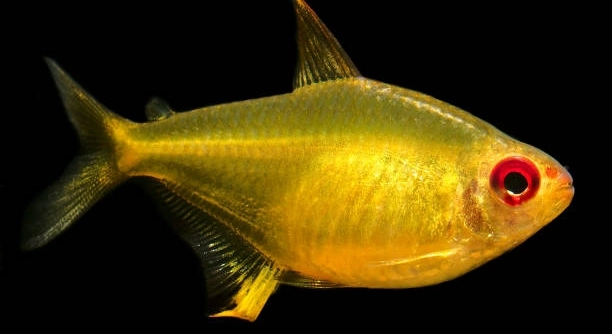
Lemon tetras are small, lively fish that add charm to any aquarium. They can be sensitive to changes in their environment, and even subtle shifts in water conditions or surroundings can affect their behavior noticeably.
Lemon tetras respond to environmental changes through variations in swimming patterns, color intensity, social interaction, and feeding behavior. These reactions are influenced by water temperature, pH levels, lighting, and tank structure, all of which play crucial roles in their overall well-being.
Observing these responses closely helps ensure their health and comfort, making it easier to maintain a thriving aquarium environment for them.
Changes in Swimming Patterns
Lemon tetras often alter their swimming when the environment changes. They may dart around quickly or stay near the surface or bottom more than usual. These changes usually signal stress or discomfort caused by shifts in water temperature, pH, or oxygen levels. Even minor adjustments in the tank layout can influence their movement. Observing these shifts can provide insight into their comfort level. Consistent patterns indicate stability, while erratic swimming suggests an adjustment period. Lighting also affects their activity. Bright lights may make them seek shaded areas, while dimmer settings encourage more relaxed swimming. Social dynamics matter as well; a change in the number of tank mates or the introduction of new fish can lead to temporary confusion or stress. Monitoring swimming behavior daily ensures early detection of potential issues and allows timely interventions to maintain a calm, healthy environment for the tetras.
Frequent changes in swimming patterns typically indicate stress or environmental shifts that need attention.
Noticing variations in movement helps prevent serious health issues. Adjusting water quality and tank conditions keeps the tetras active and comfortable, ensuring they thrive naturally in their environment.
Color Intensity Variations
Lemon tetras display noticeable changes in color when conditions vary. Stress, poor water quality, or illness can dull their bright yellow hues. Maintaining proper water parameters, including pH and temperature, is essential to preserve their vibrant appearance.
Healthy tetras show consistent brightness and subtle color shifts linked to mood or social interaction.
Color intensity reflects overall well-being. Factors like diet, lighting, and stress levels directly influence pigment vibrancy. High-quality food rich in carotenoids can enhance yellow tones, while inadequate nutrition leads to faded colors. Stressors such as overcrowding or sudden temperature changes also diminish color. Observing the tetras regularly allows you to track these changes and respond quickly. Adjusting tank conditions, ensuring proper nutrition, and minimizing sudden disruptions help maintain their natural brightness. Even minor improvements, like adding plants or hiding spots, can reduce stress and improve color. Over time, consistent care fosters more stable, vibrant tetras that display their full range of natural hues, creating a lively and visually appealing aquarium.
Social Interaction Changes
Lemon tetras adjust their social behavior when environmental conditions shift. They may separate from the school, become more aggressive, or hide more frequently. These reactions indicate stress or discomfort in the tank.
Changes in social interaction often reflect how comfortable tetras feel. Poor water quality, sudden temperature shifts, or overcrowding can cause them to isolate or act defensively. Observing their group behavior is a reliable way to gauge stress levels. Tetras thrive in stable conditions with consistent tank mates. Minor adjustments, like rearranging hiding spots or ensuring enough swimming space, help them feel secure. Regular observation allows you to detect subtle changes before they escalate. Supporting social stability is key to maintaining a harmonious tank environment.
Encouraging healthy interactions ensures the tetras maintain normal schooling behavior, reducing stress and improving overall tank dynamics. Proper monitoring fosters a balanced aquatic community where each fish thrives.
Feeding Behavior Shifts
Environmental changes often affect how lemon tetras approach feeding. They may eat less, become more selective, or compete more aggressively during mealtime.
Feeding behavior is closely tied to water quality and overall comfort. Tetras may reduce their appetite if the tank experiences sudden temperature changes, chemical imbalances, or poor oxygenation. Stress also plays a role; frightened or unsettled fish often delay eating. Observing feeding habits gives clear insight into their health. Providing a varied diet and maintaining stable conditions encourages consistent eating patterns. Adjustments in feeding times and portion sizes can reduce competition and ensure all fish receive proper nutrition.
Over time, consistent feeding schedules and careful monitoring help lemon tetras maintain healthy growth. Addressing shifts early prevents malnutrition, keeps energy levels stable, and supports their natural behavior in a calm, balanced environment.
Hiding and Seeking Shelter
Lemon tetras often seek shelter when environmental conditions change. They may hide behind plants, decorations, or other structures to feel safe from perceived threats.
Frequent hiding can indicate stress from poor water quality, bright lighting, or new tank mates. Observing this behavior helps identify potential issues quickly.
Breathing and Gill Movements
Changes in water oxygen levels or temperature can affect how lemon tetras breathe. Rapid gill movements may signal distress or low oxygen concentration. Maintaining proper aeration and stable water conditions is essential to prevent respiratory strain and ensure their comfort in the tank.
Interaction with Tank Environment
Lemon tetras explore and interact with their surroundings differently depending on environmental stability. They may investigate new decorations or avoid areas with sudden changes in water flow. These behaviors indicate adaptation and comfort levels within the tank ecosystem.
Stress Responses
Stress in lemon tetras can appear as lethargy, rapid swimming, or color fading. Monitoring these responses is critical for maintaining their health and adjusting the environment promptly.
FAQ
Why do lemon tetras hide more than usual?
Hiding is a natural response when tetras feel stressed or insecure. Sudden changes in water temperature, pH, or tank decorations can trigger this behavior. They may also hide if new fish are introduced or if the lighting is too bright. Providing plants, caves, or shaded areas helps them feel safe and reduces stress. Frequent observation lets you identify patterns and adjust the environment before hiding becomes prolonged or affects their health.
What causes lemon tetras to change color?
Color changes are usually linked to stress, poor water quality, or illness. Dull or faded yellow often indicates suboptimal conditions, such as inappropriate pH, temperature fluctuations, or overcrowding. High-quality diets rich in carotenoids enhance natural pigmentation. Regular monitoring of water parameters and maintaining a consistent tank environment helps preserve their vibrant appearance. Stress reduction, proper nutrition, and stable social dynamics support brighter, healthier fish.
Why are my lemon tetras swimming erratically?
Erratic swimming often signals stress, low oxygen, or water quality issues. Rapid swimming, darting, or staying near the surface can indicate temperature fluctuations, ammonia spikes, or lack of space. Ensuring proper aeration, stable water parameters, and adequate tank size encourages normal swimming behavior. Observation is key, as early detection allows interventions before health problems develop. Consistent tank maintenance and stable conditions help tetras swim naturally and reduce unnecessary stress.
How does tank setup affect lemon tetra behavior?
Tank structure, decorations, and plant placement impact their comfort. Lemon tetras feel safer with hiding spots, moderate lighting, and smooth water flow. Sudden changes in tank layout can temporarily stress them, leading to hiding, reduced feeding, or color changes. Maintaining a balanced environment with adequate space, clean water, and familiar surroundings supports stable behavior. Minor adjustments should be gradual to prevent sudden stress. Regular monitoring helps identify which areas or structures influence their interactions.
Why are lemon tetras eating less?
Reduced appetite usually points to environmental stress or health concerns. Poor water quality, sudden temperature changes, overcrowding, or aggressive tank mates can discourage feeding. Stress often causes selective eating or hesitancy during mealtime. Providing a varied diet and consistent feeding schedule encourages normal consumption. Observing feeding behavior daily allows you to address issues promptly, ensuring proper nutrition and overall health. Over time, stable conditions support consistent appetite and healthy growth.
How can I tell if my lemon tetras are stressed?
Signs of stress include hiding, color fading, erratic swimming, reduced feeding, and lethargy. Stress can result from environmental changes, water quality issues, or social disruption in the tank. Close observation of these behaviors allows early intervention, such as adjusting water parameters, improving aeration, or providing more hiding spaces. Maintaining a stable and balanced environment reduces stress, promotes natural behavior, and supports long-term health.
What steps help lemon tetras adapt to environmental changes?
Gradual adjustments are essential. Slowly changing water temperature, introducing new decorations or fish, and maintaining consistent feeding schedules reduce stress. Monitoring swimming, color, and social behavior ensures they adapt successfully. Providing hiding spots, moderate lighting, and stable water parameters fosters comfort. Regular maintenance and careful observation create a supportive environment where lemon tetras can thrive despite minor environmental shifts.
Can lighting affect lemon tetra behavior?
Yes. Bright or fluctuating lighting can make them hide, swim erratically, or appear stressed. Moderate, consistent lighting encourages natural activity and social interaction. Adjusting the lighting gradually and providing shaded areas helps them feel secure. Observing their response allows you to fine-tune conditions for optimal comfort and natural behavior.
Do lemon tetras react differently in groups versus alone?
Lemon tetras are schooling fish, and social dynamics greatly influence behavior. Alone, they may become timid, hide more, or show irregular swimming patterns. In groups, they display coordinated swimming, brighter colors, and normal social interactions. Maintaining a stable group size and avoiding sudden additions helps preserve social harmony and reduces stress.
How often should I check water parameters for lemon tetras?
Regular monitoring is essential to prevent stress and health issues. Checking pH, temperature, ammonia, nitrite, and nitrate levels at least weekly helps maintain stable conditions. Sudden fluctuations often trigger behavioral changes like hiding, color fading, or erratic swimming. Maintaining consistent water quality ensures a healthy environment where lemon tetras thrive naturally.
What diet supports healthy lemon tetra behavior?
A varied diet including flakes, frozen foods, and occasional live food supports natural activity, vibrant color, and overall health. Proper nutrition encourages normal swimming, feeding, and social interactions. Avoid overfeeding, which can reduce water quality and stress fish. Feeding consistent portions on a schedule reinforces healthy behavior and supports long-term vitality.
Can sudden temperature changes harm lemon tetras?
Yes. Rapid temperature shifts can stress them, reduce appetite, and trigger hiding or erratic swimming. Gradual adjustments, maintaining heaters or chillers, and monitoring readings are essential. Stable temperatures support metabolic function, natural behavior, and immune health. Observing their responses ensures timely action if changes cause discomfort.
How do I know if my lemon tetras are comfortable in their tank?
Signs of comfort include steady swimming, bright coloration, active feeding, and normal social interactions. Fish that explore, school together, and maintain consistent behavior indicate a well-adjusted environment. Monitoring these behaviors regularly helps maintain stability and identify small issues before they affect health. Stable water conditions and adequate space reinforce comfort.
What are the most common environmental stressors for lemon tetras?
Frequent stressors include sudden water parameter changes, poor water quality, overcrowding, strong currents, bright lighting, and frequent tank rearrangements. These factors disrupt their natural behavior, leading to hiding, color changes, or irregular feeding. Observing responses and making careful adjustments helps maintain stability and promotes healthy behavior.
How can I prevent behavioral issues in lemon tetras?
Maintaining stable water parameters, providing hiding spots, keeping consistent lighting, avoiding overcrowding, and monitoring diet prevents most behavioral problems. Gradual changes and careful observation support adaptation. Regular tank maintenance, consistent feeding schedules, and a well-structured environment reduce stress and encourage natural behavior.
Are there signs that indicate long-term stress in lemon tetras?
Persistent hiding, faded color, lethargy, erratic swimming, or reduced appetite over weeks may signal long-term stress. Chronic stress affects immunity and increases susceptibility to disease. Early detection and corrective actions, like adjusting water quality, improving diet, or reducing tank disruptions, prevent lasting health issues and support overall well-being.
How can I encourage natural schooling behavior?
Keeping lemon tetras in groups of at least six, providing open swimming space, and maintaining stable conditions encourages natural schooling. Avoid frequent additions or removals of tank mates, as social instability disrupts coordinated behavior. Observing their interactions helps ensure harmony within the group.
Can diet changes influence stress responses?
Yes. Inadequate nutrition can weaken immunity, reduce color intensity, and alter activity levels. Introducing a balanced, varied diet rich in essential nutrients supports energy, natural behavior, and resilience to environmental changes. Gradual changes in diet prevent additional stress and maintain overall health.
Is it normal for lemon tetras to rest at the bottom sometimes?
Occasional resting at the bottom is normal, especially during low activity periods or at night. Prolonged inactivity or hiding combined with faded color may indicate stress or health issues. Observing the context of resting behavior helps distinguish normal rest from signs of discomfort.
How important is tank maintenance for lemon tetra behavior?
Regular water changes, filter cleaning, and monitoring water parameters are critical. Poor maintenance can lead to stress, erratic behavior, color fading, and reduced feeding. Consistent care ensures a stable, healthy environment where lemon tetras exhibit natural behavior, maintain vibrant colors, and thrive.
What role do tank mates play in lemon tetra reactions?
Tank mates influence stress levels and social dynamics. Aggressive or incompatible species may cause hiding, erratic swimming, or feeding issues. Selecting peaceful, similar-sized fish and maintaining stable group compositions supports normal behavior, reduces stress, and encourages harmonious interactions within the aquarium.
Can seasonal changes affect lemon tetras in indoor tanks?
Yes, even indoor tanks can experience temperature or light fluctuations with seasonal shifts. These changes may alter swimming, feeding, and color. Monitoring conditions and adjusting heaters, lighting, or water parameters as needed ensures consistency, minimizing stress and maintaining natural behavior year-round.
How quickly do lemon tetras adapt to changes?
Adaptation depends on the severity and type of change. Gradual adjustments allow tetras to acclimate over hours or days, while sudden shifts may trigger immediate stress responses. Observing swimming, feeding, and social behavior helps track adaptation and informs necessary interventions to support comfort.
Are behavioral changes reversible?
Yes. Most stress-related behaviors, including hiding, color fading, and erratic swimming, are reversible with proper care. Stabilizing water conditions, improving diet, reducing disturbances, and providing adequate hiding spaces restores normal activity and supports long-term health. Early detection is crucial for effective reversal.
How do I track subtle behavioral changes?
Keep a daily log of swimming patterns, feeding habits, color intensity, and social interactions. Note any deviations from normal behavior. Regular observation helps detect stress early, allowing timely corrective action and ensuring lemon tetras maintain healthy, natural behavior.
What should I prioritize when adjusting the environment?
Focus on water quality, temperature stability, tank structure, and social dynamics. Gradual changes reduce stress and encourage natural adaptation. Providing hiding spots, proper lighting, and adequate nutrition reinforces comfort and supports healthy behavior. Regular observation ensures adjustments have the desired positive effect.
How do I balance multiple factors affecting behavior?
Prioritize consistency across water parameters, diet, social grouping, and tank layout. Monitor responses to each adjustment individually. Avoid simultaneous major changes, which increase stress. Maintaining a stable environment, coupled with regular observation, ensures lemon tetras adapt naturally and remain healthy.
Can stress lead to illness in lemon tetras?
Chronic stress weakens immunity, making tetras more susceptible to infections and diseases. Promptly addressing environmental or social stressors reduces health risks. Stable conditions, proper diet, and careful monitoring help prevent stress-related illness and support long-term vitality.
How often should I observe lemon tetra behavior?
Daily observation is ideal to track swimming patterns, feeding habits, color, and social interactions. Noting subtle changes early allows for quick intervention, preventing stress or health issues. Consistent monitoring fosters a stable, comfortable environment that supports natural behavior.
Are all behavioral changes negative?
Not always. Some changes reflect normal adaptation, exploration, or social hierarchy adjustments. Observing context and duration helps distinguish between healthy responses and stress-related issues, guiding proper interventions when necessary.
What is the best way to reduce stress during tank cleaning?
Clean gradually, avoid drastic water changes, and temporarily provide hiding spaces. Minimize disruption to decorations and plants. Maintaining stable water parameters throughout cleaning reduces stress, keeps tetras comfortable, and preserves normal behavior.
How do I handle aggressive tank mates affecting tetras?
Separate or relocate aggressive fish, provide more hiding spots, and monitor interactions closely. Ensuring compatible species and stable group sizes reduces stress, prevents injury, and allows lemon tetras to maintain normal social behavior.
Can behavioral monitoring replace water testing?
No, observation complements but cannot replace water testing. Regular testing ensures parameters like pH, ammonia, nitrite, and temperature remain safe. Behavioral monitoring detects stress responses, but water tests provide objective measurements needed to maintain a healthy environment.
How long does it take for lemon tetras to recover from stress?
Recovery time varies based on stress severity and environmental stability. Minor stress may resolve within hours or days, while chronic stress requires weeks of stable conditions. Providing consistent water quality, nutrition, hiding spaces, and minimal disruptions accelerates recovery.
What small changes make a big difference for comfort?
Adding plants, rearranging decorations for hiding spots, adjusting lighting gradually, and maintaining consistent feeding routines greatly improve comfort. Even minor environmental stability adjustments reduce stress, promote natural behavior, and enhance overall health.
Do lemon tetras react differently to new food?
Yes. Introducing unfamiliar food may cause temporary hesitation or selective eating. Gradually offering new items alongside familiar foods reduces stress and encourages acceptance. Consistent feeding schedules and balanced nutrition maintain healthy behavior during dietary changes.
Can overcrowding affect lemon tetra behavior long-term?
Yes. Overcrowding increases stress, aggression, and competition for resources. This can lead to hiding, erratic swimming, color fading, and reduced feeding. Maintaining appropriate stocking levels supports social harmony, natural behavior, and long-term health.
How do I maintain behavioral consistency over time?
Keep water parameters stable, monitor tank mates, maintain proper diet, and minimize sudden changes. Regular observation allows early detection of stress and ensures that lemon tetras display natural swimming, feeding, and social behavior consistently.
What are early warning signs of serious stress?
Persistent hiding, rapid gill movements, prolonged color fading, reduced feeding, and erratic swimming indicate serious stress. Immediate corrective action, including water parameter checks and environmental adjustments, is necessary to prevent illness or long-term health effects.
Can temperature and lighting schedules improve behavior?
Yes. Gradual, consistent lighting cycles and stable temperatures support normal activity, feeding, and schooling. Avoid abrupt changes, which can induce stress. Monitoring responses ensures the tank environment fosters comfort and natural behavior.
How important is social stability in the tank?
Social stability is crucial. Frequent additions, removals, or aggressive species disrupt schooling, cause hiding, and reduce feeding. Keeping stable groups of compatible fish promotes coordinated behavior, natural interactions, and overall well-being.
How do I know when interventions are working?
Observe swimming patterns, color, feeding, and social behavior. Improvement in these areas, along with reduced hiding or erratic movements, indicates successful environmental adjustments and reduced stress. Regular monitoring confirms long-term effectiveness.
Are behavioral changes always immediate?
Not always. Some responses occur instantly, like hiding or darting, while others, such as color fading or reduced appetite, develop gradually. Continuous observation helps identify both immediate and delayed stress indicators for timely action.
Can I combine multiple solutions at once?
Yes, but changes should be gradual and monitored closely. Simultaneous adjustments in water quality, diet, lighting, and tank layout are possible if carefully managed. Observing behavior ensures interventions improve comfort without adding additional stress.
What’s the best overall approach to maintain healthy behavior?
Consistency is key. Stable water parameters, appropriate tank mates, proper nutrition, structured environment, and careful observation support natural behavior. Gradual adjustments, combined with attentive monitoring, allow lemon tetras to thrive comfortably and display vibrant, active, and balanced behavior in the aquarium.
How do I differentiate stress from illness?
Stress often causes temporary behavioral changes like hiding, color fading, or reduced feeding. Illness usually presents additional symptoms, such as clamped fins, lesions, or abnormal swimming. Monitoring both behavior and physical signs helps distinguish the cause and guides appropriate action.
Can subtle environmental factors affect behavior?
Yes. Even minor changes, such as water flow adjustments, slight temperature shifts, or new scents from cleaning products, can alter swimming, feeding, or schooling behavior. Observing responses to small changes helps maintain a stable environment.
How much space do lemon tetras need to reduce stress?
Adequate swimming space is essential. Crowded tanks increase competition, aggression, and hiding. A well-sized tank with open areas and hiding spots supports natural swimming patterns, social interactions, and reduces stress-related behavior.
What role does water chemistry play in behavior?
Water parameters directly impact stress, color, and activity. Imbalanced pH, ammonia, or nitrite levels trigger hiding, erratic swimming, and reduced feeding. Regular testing and adjustments maintain a healthy environment and support stable, natural behavior.
Are behavioral observations enough to diagnose problems?
Observations provide insight into stress and comfort but must be paired with water testing and physical checks. Behavioral changes indicate potential issues, while measurements confirm causes and guide corrective actions.
Can seasonal lighting changes be simulated?
Yes. Gradually adjusting light duration and intensity can mimic seasonal variations, supporting natural activity cycles. Sudden changes, however, may induce stress. Consistency ensures predictable behavior and comfort.
How can I track long-term behavioral trends?
Maintain a daily or weekly log noting swimming patterns, feeding, social interactions, and color. Tracking changes over time identifies trends, signals stress, and informs adjustments to maintain healthy behavior.
Is it normal for lemon tetras to react differently to each tank mate?
Yes. Individual personalities and social hierarchy influence interactions. Some may be dominant, while others shy away. Observing these differences helps ensure a balanced, low-stress community.
What is the best method to introduce new tank mates?
Quarantine new fish, introduce them gradually, and monitor reactions closely. Provide hiding spaces and stable conditions to minimize stress. Observing interactions ensures harmony and reduces behavioral disruptions.
Do tetras remember stressful events?
Fish can respond to prior negative experiences, like aggressive tank mates or poor water conditions. They may hide or avoid areas where stress occurred. Maintaining consistent, low-stress conditions encourages recovery and normal behavior.
How do I prevent recurring stress?
Maintain stable water parameters, avoid sudden environmental changes, monitor social dynamics, and provide adequate space and hiding spots. Consistency and careful observation prevent recurring stress and support long-term health and natural behavior.
Can tank decorations influence behavior long-term?
Yes. Plants, rocks, and caves offer hiding spaces and affect swimming patterns. A well-structured environment reduces stress, encourages exploration, and supports social interactions. Frequent rearrangement should be avoided to maintain stability.
How can I tell if dietary changes are working?
Observe feeding behavior, color intensity, and activity levels. Improvement in appetite, energy, and vibrancy indicates the diet meets nutritional needs. Gradual adjustments minimize stress and encourage acceptance of new foods.
What are common mistakes in maintaining lemon tetra behavior?
Frequent water changes, overcrowding, inconsistent diet, abrupt environmental adjustments, and ignoring social dynamics disrupt natural behavior. Careful planning, observation, and gradual adjustments prevent these issues and ensure healthy, stable fish.
Do lemon tetras show signs of stress before illness appears?
Yes. Behavioral changes such as hiding, color fading, or erratic swimming often precede visible illness. Early detection allows intervention before health deteriorates, supporting recovery and overall well-being.
Can introducing plants improve behavior?
Yes. Live or artificial plants provide hiding spaces, reduce stress, and encourage natural exploration. They create shaded areas, mimic natural habitats, and promote a sense of security, improving overall behavior.
How do I minimize stress during water changes?
Change water gradually, maintain temperature consistency, and avoid sudden chemical shifts. Providing temporary hiding spots reduces stress, allowing tetras to remain comfortable while maintaining a clean, healthy tank.
Is schooling behavior an indicator of comfort?
Yes. Coordinated swimming, active social interaction, and normal feeding within a group indicate comfort and low stress. Disrupted schooling suggests environmental or social issues needing attention.
How important is gradual adaptation to new conditions?
Essential.
Final Thoughts
Lemon tetras are delicate yet resilient fish that respond noticeably to changes in their environment. Their behavior, color, and social interactions all provide important clues about how comfortable they feel in the tank. Observing these responses closely allows for early detection of stress or potential health issues. Simple adjustments, such as monitoring water temperature, pH levels, and oxygenation, can prevent most common problems. Providing enough space, hiding spots, and compatible tank mates also supports their natural behavior. Consistency in these areas helps maintain a calm and balanced environment, allowing the tetras to swim, feed, and interact normally. Regular observation becomes a key part of care, as even subtle changes can indicate shifts in their well-being. Over time, understanding their typical behavior patterns makes it easier to spot when something is off.
Behavioral responses in lemon tetras are often the first sign that the tank environment needs attention. Changes in swimming patterns, color intensity, feeding habits, and social interactions can all signal stress or discomfort. Maintaining stable water conditions is essential, as even small fluctuations can affect these sensitive fish. Providing a structured environment with plants, decorations, and moderate lighting helps them feel secure and reduces erratic behavior. Gradual adjustments to tank conditions are better than sudden changes, allowing tetras to adapt naturally without unnecessary stress. Diet plays an equally important role; high-quality food encourages vibrant color, proper growth, and steady energy levels. Observing feeding behavior regularly allows for early identification of potential issues, helping to prevent long-term health consequences. Careful attention to both environmental and social factors ensures a more harmonious and healthy aquarium.
Taking the time to understand lemon tetras’ behavior fosters a deeper connection with the fish and supports their overall health. Recognizing signs of stress and knowing how to respond creates a safer, more comfortable tank. Consistent monitoring, stable water parameters, proper nutrition, and thoughtful tank design all contribute to their well-being. Small changes, like adding hiding spots or adjusting lighting gradually, can make a significant difference in their comfort. Social stability and appropriate group sizes encourage natural schooling behavior, helping to reduce tension and improve interaction. By observing and responding to their needs, you create an environment where lemon tetras can thrive. Over time, these careful practices not only enhance their physical health but also promote more predictable and balanced behavior, ensuring a rewarding and stable aquarium experience.

Hello,
If you enjoy the content that we create, please consider saying a "Thank You!" by leaving a tip.
Every little bit helps us continue crafting quality advice that supports the health, happiness, and well-being of pets around the world, for pets of all shapes, sizes, and species.
We really appreciate the kindness and support that you show us!