
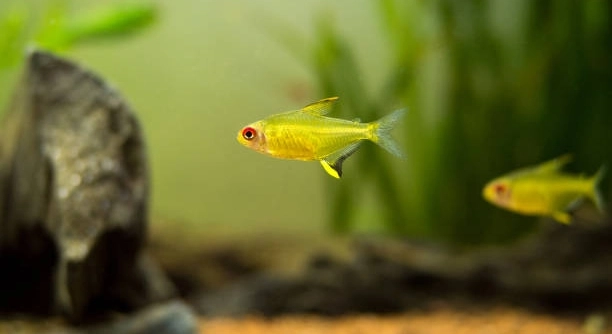
Do you ever find yourself watching your lemon tetras swim and wondering if their tank could be more comfortable? Even small changes in their environment can make a noticeable difference in their behavior and health.
Lemon tetras benefit from tank upgrades that enhance water quality, provide proper hiding spots, and include live plants. Adding gentle filtration, soft substrate, and balanced lighting helps reduce stress, improve swimming space, and support their overall well-being.
Improving their habitat goes beyond decoration and can influence their health, activity, and happiness in the long term. Small adjustments create a more natural and engaging environment for these delicate fish.
Soft, Natural Substrate
Lemon tetras are delicate fish, and the type of substrate in their tank can affect their comfort and health. Smooth sand or fine gravel works best because it prevents injuries to their fins and underbellies. Harsh or sharp substrate can cause stress, which may reduce their appetite and energy. Using a light-colored substrate also helps highlight their bright yellow tones, making the fish more visually striking. Additionally, a natural substrate can support beneficial bacteria, helping maintain stable water conditions. Some substrates even allow for easy planting of live plants, which improves oxygen levels and creates hiding spots for the tetras. Avoid gravel that is too large or rough, as it can trap waste and make cleaning difficult. Rinsing the substrate thoroughly before adding it to the tank helps prevent cloudiness and keeps the water safe. Over time, this small change can lead to calmer, healthier fish who are more active and display natural behavior.
Soft, natural substrate gives lemon tetras a safe and comfortable surface to explore, reducing stress and promoting overall well-being.
Adding plants directly into this substrate enhances the tank further. Roots can anchor easily, giving the tetras more hiding spaces and helping oxygenate the water naturally. This combination creates a more balanced environment that supports both fish and plant life.
Adequate Hiding Spaces
Providing proper hiding spaces is essential for lemon tetras.
Lemon tetras feel secure when they have places to retreat. Small caves, driftwood, or dense plant clusters allow them to escape stress and feel protected.
Hiding spots reduce stress and aggression among tank mates, especially in community tanks. Using a mix of live plants and decorations creates varied zones where fish can swim or rest safely. Mossy areas or floating plants also help simulate natural habitats, giving the tetras places to explore or hide when they feel threatened. Arranging spaces at different heights allows them to move freely while choosing their preferred area. Too few hiding spots can lead to visible signs of stress, such as clamped fins or erratic swimming. Observing the fish and noting where they prefer to hide can help you adjust placement and improve comfort. Over time, these thoughtful additions result in calmer, more confident tetras who interact naturally, display brighter colors, and swim more energetically. Proper hiding spaces also make cleaning easier, as fish are less likely to dart into decorations or disturb plants during maintenance.
Gentle Filtration
Using a gentle filter is important for lemon tetras. Strong currents can stress them, making swimming difficult and increasing the risk of injury.
Filters with adjustable flow or sponge filters work well. They keep the water clean without creating strong currents, ensuring the fish can swim comfortably. Gentle filtration also supports beneficial bacteria, helping maintain stable water parameters, which is essential for tetras’ health. Regular maintenance is necessary to prevent clogging and ensure consistent water quality. Choosing a filter that suits the tank size prevents over-filtering, which can disturb plants and substrate. Overall, gentle filtration keeps the tank safe, clean, and stress-free, allowing lemon tetras to thrive and display natural, relaxed behaviors.
A gentle filter improves water quality without overwhelming the fish. It balances cleanliness and comfort efficiently.
Proper filter placement ensures water circulates evenly. Pairing it with a pre-filter sponge reduces debris intake and avoids accidental suction of small tetras.
Balanced Lighting
Balanced lighting enhances both the fish and the plants.
Moderate light levels prevent stress while highlighting lemon tetras’ colors. Too bright lighting can cause hiding behavior, while too dim reduces plant growth and natural activity.
Using a timer helps maintain a consistent day-night cycle, which supports the fish’s natural rhythms and reduces stress. LED lights with adjustable intensity are ideal, allowing customization based on tank setup. Live plants benefit from moderate lighting, improving oxygen levels and offering additional hiding spaces. Adjusting light placement avoids hotspots that could overheat the water or create excessive algae growth. Observing how tetras react to different light levels helps find the ideal balance, creating a calm and healthy environment. Proper lighting also accentuates their bright yellow coloration, making them visually striking without compromising comfort or tank stability.
Live Plants
Live plants create a natural feel in the tank. They provide hiding spaces, improve oxygen, and help maintain water quality. Lemon tetras often feel calmer and more secure when surrounded by plants.
Plants like Java fern, Anubias, and floating species are ideal. They require minimal maintenance and adapt well to most tank conditions, giving tetras both cover and a stimulating environment.
Open Swimming Areas
Lemon tetras need clear spaces to swim freely. Avoid overcrowding the tank with decorations or plants that block movement.
Open areas allow tetras to form small schools, display natural behaviors, and reduce stress. Combining open zones with planted sections creates a balanced habitat.
Consistent Water Parameters
Maintaining stable temperature, pH, and hardness is essential for lemon tetras. Sudden changes can stress fish, lower immunity, and increase disease risk. Regular testing ensures the tank remains suitable for their delicate physiology, supporting long-term health and active behavior.
Rounded Decorations
Using rounded decorations prevents injuries. Sharp edges can tear fins or cause scratches, especially in small, delicate fish like lemon tetras.
How often should I clean my lemon tetra tank?
Regular cleaning is important, but it should not be too aggressive. Partial water changes of 20–25% once a week help remove waste and maintain water quality. Avoid removing all water at once, as this can shock the fish. Gently vacuuming the substrate during water changes keeps debris under control without disturbing plants or stressing the tetras. Cleaning filter media on a schedule also helps maintain efficiency while preserving beneficial bacteria. Observing the fish during cleaning ensures they remain calm and healthy.
What types of plants work best for lemon tetras?
Low-maintenance plants like Java fern, Anubias, and floating plants are ideal. These species tolerate a range of water conditions and do not require high light, making them easier to care for. Floating plants create shade, which reduces stress, while rooted plants provide shelter and resting spots. Fast-growing plants like hornwort can help absorb excess nutrients, keeping water stable. Arranging plants in clusters creates natural hiding spots and swimming paths, making the environment more stimulating. Proper trimming prevents overgrowth, ensuring that open swimming areas remain accessible.
How many lemon tetras should I keep together?
Lemon tetras are schooling fish and should be kept in groups of at least six. Small schools make them feel insecure and can lead to stress or aggressive behavior. Larger groups allow for more natural interactions, showing off swimming formations and social behaviors. Keeping a proper number also balances the tank ecosystem, reducing chances of territorial disputes. Observing how they interact helps identify if the group size is sufficient. Adding or removing fish gradually prevents sudden changes that can disrupt social dynamics and water parameters.
Is feeding live or frozen food necessary?
While lemon tetras will eat high-quality flake or pellet food, supplementing with live or frozen options improves nutrition and encourages natural foraging. Foods like brine shrimp, daphnia, or bloodworms provide protein and enhance coloration. Feeding small amounts multiple times a day prevents overfeeding and maintains water quality. Observing how quickly the fish eat helps adjust portion sizes. Rotating between different foods also supports a balanced diet, ensuring the tetras receive essential vitamins and minerals without relying solely on one type of food.
How do I prevent stress in my lemon tetras?
Stress can be caused by sudden water changes, strong currents, overcrowding, or poor hiding spaces. Maintaining stable water parameters, providing gentle filtration, and including live plants or decorations reduces stress. Consistent lighting and minimal disturbances help the fish feel secure. Observing behavior regularly can indicate early signs of stress, such as clamped fins or hiding. Addressing issues promptly ensures long-term health, reduces disease risk, and promotes natural swimming patterns and interactions among the tetras.
Can lemon tetras live with other fish?
Lemon tetras are peaceful and do well in community tanks with similarly sized, non-aggressive fish. Avoid large or territorial species that may nip fins or intimidate them. Choosing compatible tank mates and maintaining proper group sizes ensures everyone has space to swim and hide. Observing interactions regularly helps prevent conflicts. Proper planning creates a calm and harmonious environment, where tetras can thrive alongside other peaceful species while maintaining natural behaviors and bright coloration.
How important is water temperature for lemon tetras?
Maintaining a stable temperature between 72–78°F (22–26°C) is critical. Sudden drops or spikes can stress the fish, weaken their immune system, and increase susceptibility to disease. Using a reliable heater and thermometer ensures consistency. Observing how the fish respond to temperature changes helps identify comfort levels. Gradual adjustments are necessary if changes are required. Stable temperatures also support plant growth and overall tank balance, making the environment suitable for active, healthy lemon tetras.
How can I improve coloration in lemon tetras?
Bright coloration comes from proper diet, clean water, and low stress levels. Feeding a variety of protein-rich foods, including live or frozen options, enhances yellow tones. Balanced lighting and healthy plants also make colors appear more vibrant. Avoid overcrowding and maintain hiding spots to reduce stress, which can dull colors. Consistent water parameters ensure fish remain healthy and display natural brightness. Observing tetras over time allows adjustments to diet, lighting, and tank setup, supporting long-term coloration improvements without compromising well-being.
What is the best way to acclimate new tetras?
Gradual acclimation is key when adding new fish. Float the bag in the tank to equalize temperature, then slowly mix tank water with the bag water over an hour. This reduces shock and helps fish adjust to water chemistry. Observing them after introduction ensures they settle in safely. Adding a few at a time and monitoring interactions prevents stress and maintains stable social groups. Proper acclimation supports long-term health, helps the tetras integrate smoothly, and reduces the risk of illness caused by sudden environmental changes.
How do I identify illness in lemon tetras?
Signs of illness include clamped fins, lethargy, loss of appetite, unusual swimming patterns, or faded colors. Early detection allows faster treatment and reduces the risk of spreading disease to other tank inhabitants. Quarantining new or sick fish helps protect the main tank. Maintaining clean water, proper nutrition, and stable conditions prevents many common illnesses. Observing fish behavior daily ensures any changes are noticed quickly. Quick intervention, along with research on specific symptoms, supports effective care, keeping lemon tetras healthy and active over time.
Lemon tetras are small but lively fish that benefit greatly from thoughtful tank care. Simple upgrades in their environment can make a big difference in their health, behavior, and overall happiness. Providing a soft substrate, proper hiding spots, and open swimming areas allows them to move naturally and feel secure. Even small changes, like adding rounded decorations or gentle filtration, can reduce stress and prevent injuries. Maintaining consistent water parameters and balanced lighting helps them stay healthy and supports plant growth, which further improves the tank’s ecosystem. These adjustments are not complicated but require attention to detail and a steady routine to maintain. Over time, you can see the positive effects in their swimming patterns, color vibrancy, and general activity levels, showing that they feel more comfortable in their environment.
Feeding is another key factor that affects the well-being of lemon tetras. While high-quality flake or pellet food is sufficient for everyday nutrition, adding live or frozen foods provides extra protein and encourages natural foraging behavior. A varied diet can enhance their color and energy, making the fish appear more vibrant and active. Feeding smaller amounts several times a day helps maintain water quality while ensuring the tetras get the nutrients they need. Observing how your fish respond to food and adjusting portions accordingly can prevent overfeeding, which is a common issue in home aquariums. Combined with consistent tank maintenance and careful observation of behavior, a good feeding routine is a simple yet effective way to keep lemon tetras healthy and thriving.
Creating the right environment for lemon tetras is about combining small improvements to build a balanced and comfortable habitat. From proper filtration and lighting to live plants and safe decorations, every detail plays a role in their well-being. Consistency in water parameters, temperature, and feeding habits reduces stress and encourages natural behaviors. These fish are sensitive to sudden changes, so patience and careful monitoring are important. By paying attention to their needs and observing how they respond to different conditions, it is possible to create a tank where they can swim freely, interact naturally, and display bright, vibrant colors. Thoughtful care ensures lemon tetras remain active, healthy, and visually striking, making them rewarding fish to keep over the long term.

Hello,
If you enjoy the content that we create, please consider saying a "Thank You!" by leaving a tip.
Every little bit helps us continue crafting quality advice that supports the health, happiness, and well-being of pets around the world, for pets of all shapes, sizes, and species.
We really appreciate the kindness and support that you show us!