
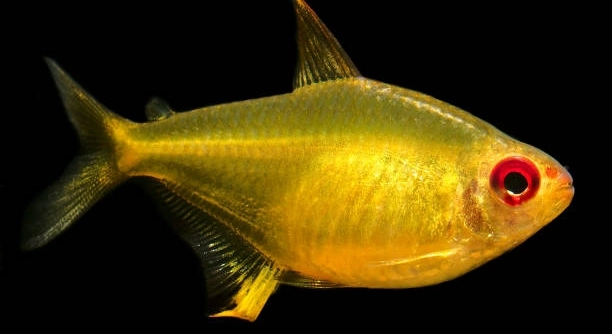
As someone who cares for lemon tetra, you may notice their behavior shift when certain foods are part of their routine, creating small worries about what might be affecting their delicate health and comfort overall.
Foods might harm lemon tetra include high-fat, high-protein non-aquatic foods, acidic fruits, processed items, and inappropriate live prey; these disrupt digestion, stress organs, and alter water quality, increasing vulnerability to illness in controlled aquarium environments over time and daily routines.
Learning which ingredients create hidden stress will help you support safer feeding habits and healthier patterns for your lemon tetra.
High-Fat and High-Protein Foods
Lemon tetra can struggle when exposed to foods that carry excessive fat or protein meant for larger or more aggressive species. These ingredients may seem harmless at first, but they place steady pressure on their small bodies. Over time, the fish begin to show subtle signs that something is off, such as reduced energy or difficulty keeping a balanced routine in the tank. I have seen how quickly their confidence fades when meals are too rich, creating patterns that disrupt their natural rhythm. A simple shift toward lighter, species-appropriate options often brings visible improvements. Their colors brighten, their movements smoother, and their reactions more relaxed. Supporting them with balanced flakes or micro pellets helps maintain steady digestion and gives them the comfort they need to thrive. Paying attention to the foods that create hidden strain will help you keep their environment stable and their eating habits predictable and remain healthy.
Choosing lighter formulas prevents excess waste and keeps your lemon tetra from dealing with constant digestive stress. Small adjustments in feeding habits support smoother swimming patterns and more stable energy, giving them steady comfort. These changes make daily care easier while protecting their overall health in the tank every day.
High-fat or high-protein ingredients tend to linger in the water after feeding, which creates a heavier load on filtration. When this buildup happens repeatedly, your lemon tetra becomes more sensitive to shifts in quality. I have noticed how quickly their behavior changes when the tank feels heavier or their meals feel too dense. Softer, finely milled foods keep their digestion steady and reduce buildup that might cause stress. By keeping their meals light, you also reduce the chances of cloudy water and unwanted residue. Over time, these choices encourage healthier patterns and help maintain a clean, predictable environment for them.
Acidic and Processed Ingredients
Acidic fruits and processed ingredients create rapid shifts that lemon tetra cannot tolerate well. These foods alter water balance and irritate their digestive system, leading to stress that builds over repeated feedings. Removing these items helps maintain consistent conditions and supports calmer behavior throughout normal daily routines in the tank.
Processed items and acidic ingredients have a direct effect on the stability of your aquarium and the health of your lemon tetra. These foods often contain additives, sugars, or strong acids that disturb their digestion and slowly weaken their resilience. When these ingredients are introduced, the fish may begin to show subtle reactions like hesitation during feeding, slight color fading, or reduced movement around their usual swimming areas. Over time, the water can also shift, making the environment less predictable and more demanding on filtration. I have noticed how sensitive lemon tetra become when exposed to repeated imbalances, especially when the feeding routine stays inconsistent. Recognizing these small changes early helps prevent larger issues later. Offering softer, mild foods that match their natural needs keeps their system steady and reduces unnecessary stress. Balanced flakes, gentle micro pellets, and occasional plant-based supplements protect them from irritation caused by harsh ingredients. When you remove acidic and processed foods, the aquarium becomes easier to manage and the fish respond with clearer colors, smoother movement, and steadier routines. Keeping their diet simple supports long-term stability and makes daily care more comfortable for both you and your lemon tetra in their daily environment always consistently.
Inappropriate Live Prey
Live prey not meant for lemon tetra creates rapid stress that affects their stability. These foods are often too large or too active, placing pressure on their digestion and daily rhythm. Keeping their meals gentle prevents unnecessary strain and supports a calmer routine.
Inappropriate live prey can quickly overwhelm lemon tetra since their bodies are not designed to handle intense movement or tougher exoskeletons. I have seen how they struggle when offered prey that requires stronger biting or faster reactions. The fish often hesitate, display uneven swimming, or ignore the food entirely. These reactions add stress that lingers in the tank and disrupts their predictable patterns. Choosing softer, manageable options keeps them steady and helps maintain a peaceful environment. When you avoid demanding prey, their color remains bright, their behavior smoother, and their energy more balanced.
Repeated feeding of unsuitable live prey eventually burdens the aquarium as leftover pieces decay quickly. This increases waste, clouds the water, and forces the filtration system to work harder. I have noticed how lemon tetra become less confident when the water feels heavy or unstable. Their movements turn cautious, and they retreat from areas they normally enjoy. Offering mild, species-appropriate foods prevents these problems, keeps their digestion gentle, and protects the consistency they rely on daily. Careful feeding choices help maintain harmony in the tank and make routine care easier for both you and the fish.
Hard or Oversized Pellets
Hard or oversized pellets are difficult for lemon tetra to break down, leading to uneven digestion and small disruptions in their daily behavior. These foods create unnecessary strain and prevent the smooth, steady feeding routine that helps them remain relaxed in their environment.
When pellets are too large or too firm, lemon tetra spend extra effort trying to break them apart, which interrupts their natural ease during feeding. I have seen them lose interest quickly or nibble without fully consuming the food, leaving fragments that sink and cause buildup. This leftover material creates stress and reduces water clarity over time. Softer, smaller foods create a more comfortable rhythm, allowing them to eat without pressure. Balanced particles that match their size help maintain steady digestion and preserve the calm they need to feel secure each day.
Human Snack Foods
Human snack foods create quick imbalances for lemon tetra since they contain salts, oils, and additives that their bodies cannot process. I have seen how even small amounts lead to slight stress, mild hesitation during feeding, and small shifts in their normal comfort.
These snacks also disturb water quality as leftover particles break down quickly. The tank becomes less stable, and the filtration system faces extra pressure. Keeping these foods out of their diet helps protect their digestion, color, and natural rhythm, making daily care noticeably smoother.
Dairy-Based Ingredients
Dairy-based ingredients lead to rapid instability in the tank because they break down into residues that lemon tetra cannot tolerate. The proteins and fats in these foods disrupt digestion and cause discomfort that becomes more visible over repeated feedings. I have noticed how the water becomes cloudy much faster when dairy is introduced, forcing the fish to adjust to unpredictable conditions that make them less confident. Their swimming patterns turn uneven, and they reduce movement in areas they normally explore. Removing dairy completely keeps their diet gentle, the water clearer, and their behavior much more consistent.
Spicy or Seasoned Foods
Spicy or seasoned foods irritate lemon tetra, affecting their digestion and making the tank less stable with repeated exposure. Avoiding these ingredients keeps their feeding routine soft, calm, and predictable, helping them feel more secure in their daily environment.
What foods are completely safe for lemon tetra?
Flakes and micro pellets designed specifically for small tropical fish are the safest options. They are balanced in protein and fat, break down easily in water, and are small enough for lemon tetra to eat comfortably. Occasional finely chopped vegetables or algae-based supplements can be added, but these should remain mild and unseasoned. I always make sure to introduce any new food gradually so the fish have time to adjust and avoid sudden stress on their digestion. Keeping meals consistent and moderate in quantity helps maintain steady energy and prevents leftover food from contaminating the water.
Can occasional treats harm lemon tetra?
Occasional small treats that are compatible with their digestive system generally do not cause harm, but it’s important to avoid processed, fatty, or seasoned foods. Even seemingly harmless snacks like bits of human food can disrupt water quality or create digestive strain. I tend to stick to very small portions of safe live or frozen food like daphnia or brine shrimp for variety. Even then, moderation is key. Over time, repeated indulgences, even in tiny amounts, can stress their digestive organs and affect overall behavior, making them less active and vibrant.
How can I tell if my lemon tetra is stressed by food?
Signs of stress from inappropriate food include fading colors, slower swimming, reluctance to eat, and hiding more frequently. I watch for unusual movements or hesitation near the food. Digestive issues may also show as bloating or stringy waste. Tank water changes can help highlight these behaviors; cleaner water often reveals more natural patterns. By observing closely after introducing new food, you can detect subtle changes before they develop into bigger health problems. Monitoring daily ensures your lemon tetra remains active, colorful, and engaged.
Are frozen and live foods better than flakes?
Frozen and live foods can be highly nutritious but must be chosen carefully. I use frozen daphnia, brine shrimp, or bloodworms occasionally to add protein, but only in small amounts that the fish can consume in minutes. Live foods may cause stress if they are too large or fast-moving. Flakes remain a staple because they provide balanced nutrition and reduce the risk of overfeeding or water contamination. Combining flakes with safe frozen or live options occasionally supports healthy growth while keeping digestion and water quality stable.
What happens if lemon tetra eat processed foods?
Processed foods, such as chips, bread, or human snacks, contain salts, sugars, and oils that lemon tetra cannot process. Even a small amount can disturb their digestion, cloud the water, and alter pH levels. I have noticed that after processed foods enter the tank, fish show less interest in proper meals and sometimes swim erratically. Consistent exposure can weaken their immune system and make them more susceptible to illness. Avoiding processed items entirely ensures steady energy, smooth digestion, and clear water that allows the fish to thrive safely.
Is it safe to feed citrus fruits or tomatoes?
Citrus and other acidic fruits like tomatoes create rapid changes in water chemistry and may irritate the digestive tract. I have seen lemon tetra react with hesitation and slower swimming after even small pieces are added. Acidic residues also reduce water stability, creating stress in the aquarium. Avoiding these fruits entirely prevents sudden shifts in pH, protects their digestive health, and helps maintain calm behavior. Mild plant-based foods like spinach or peas, lightly blanched, are much safer and can be incorporated without risk.
How often should I feed my lemon tetra?
Feeding two small meals daily works best. Overfeeding or irregular schedules can create leftover waste that decays and harms water quality. I measure portions to ensure they are eaten within a few minutes. Smaller, consistent meals keep energy steady, maintain color, and prevent bloating. This routine also helps you monitor appetite and detect early signs of stress. By feeding thoughtfully, your lemon tetra remains active, comfortable, and healthy while the tank stays clean and stable.
Can a varied diet confuse lemon tetra?
A varied diet is beneficial if foods are safe and appropriate. I introduce new items gradually, keeping the main diet consistent. Sudden changes with unsafe or rich foods can overwhelm their digestive system and make them hesitant to eat. Variety is useful for nutrition, but moderation is essential. Rotating safe flakes, occasional frozen foods, and gentle plant matter keeps them engaged while avoiding stress. Consistency in portion and type helps preserve water quality and supports smooth daily patterns.
What should I do if my lemon tetra refuses food?
Refusal often signals stress or unsuitable food. I first check water conditions and remove leftovers. Then, I switch to small flakes or tiny live foods, offering them in moderation. Observing their reaction helps identify if a particular food caused the issue. Gradual changes and patience usually restore appetite. For persistent refusal, reducing new foods and sticking to familiar options ensures digestion remains stable, water stays clear, and the fish regain energy and normal behavior.
Lemon tetra are small, delicate fish that rely heavily on a stable diet and clean, predictable water conditions. Their bodies are designed to handle light, easily digestible foods, and introducing items that are too rich, large, or processed can create hidden stress over time. I have often noticed how quickly their behavior changes when the feeding routine is disrupted. Even small mistakes in diet, like offering human snacks, overly fatty foods, or acidic fruits, can affect their energy levels, swimming patterns, and coloration. By focusing on foods designed specifically for their size and digestive needs, such as flakes, micro pellets, and occasional gentle live or frozen options, you help maintain a stable environment that supports both their physical health and comfort in the tank. Observing how they respond to each feeding gives clear insight into whether the diet is appropriate, allowing adjustments before problems become serious.
Maintaining a safe and balanced diet also protects the aquarium itself. Foods that break down slowly or are inappropriate for lemon tetra can lead to water clouding, increased waste, and strain on filtration systems. I have seen aquariums become noticeably unstable when leftovers from oversized pellets, processed snacks, or unsuitable live prey accumulated. Over time, this not only affects water quality but also indirectly stresses the fish, causing them to act timid, reduce their activity, or retreat from areas they normally explore. By sticking to appropriate foods, monitoring portion sizes, and removing any uneaten items quickly, you can preserve water clarity and stability. This approach allows your lemon tetra to maintain natural behavior and reduces the need for frequent, large-scale maintenance. Keeping their feeding routine consistent helps reinforce a healthy pattern, ensuring that both the fish and the tank remain in harmony.
Finally, supporting lemon tetra with a careful approach to feeding strengthens their long-term resilience. Even small changes in food type or portion can make a difference in energy, color, and overall well-being. I have noticed that when diets are tailored to their needs, the fish display brighter colors, smoother swimming, and more confident behavior. Avoiding foods that are high in fat, protein, acidic, processed, or otherwise unsuitable prevents unnecessary stress and keeps their digestive system functioning properly. Providing a combination of balanced flakes, micro pellets, and occasional mild live or frozen foods maintains variety without compromising stability. Attention to these details not only protects their health but also makes everyday care easier and more predictable. Ultimately, careful feeding choices allow lemon tetra to thrive, enjoy a consistent routine, and live longer, healthier lives in a stable and safe environment.

Hello,
If you enjoy the content that we create, please consider saying a "Thank You!" by leaving a tip.
Every little bit helps us continue crafting quality advice that supports the health, happiness, and well-being of pets around the world, for pets of all shapes, sizes, and species.
We really appreciate the kindness and support that you show us!