
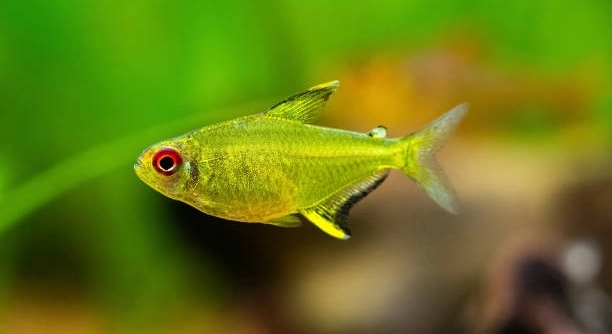
Lemon tetras are small, bright fish that many people enjoy keeping in home aquariums. They often swim in groups, adding movement and color to the tank. Observing their behavior can be both relaxing and fascinating.
Lemon tetras prefer the bottom of the tank mainly due to their natural instincts for safety and comfort. They feel more secure near plants and hiding spots, and the lower levels provide calmer water conditions with less light and disturbance.
Understanding this behavior helps improve their care and tank setup. Observing where they spend time can guide better decoration and feeding practices.
Natural Habitat and Behavior
Lemon tetras are native to slow-moving rivers and streams in South America. In these waters, the lower levels offer protection from predators and strong currents. They are naturally drawn to areas with plants, roots, and shaded spots. In an aquarium, these instincts remain, so they often stay near the bottom where they feel safe. Lighting in the tank can influence their position, as bright light may push them downward. Their behavior is also shaped by social interaction; they swim in small schools, which adds a sense of security when they remain near the substrate. Tank decorations, such as caves and dense foliage, mimic their natural environment and encourage them to explore while staying close to the bottom. Temperature and water quality play a role as well, as lemon tetras prefer stable conditions. Observing them over time helps understand their comfort zones, feeding preferences, and swimming patterns.
Most lemon tetras stay low even when they are healthy. This behavior reflects their instinct for safety.
Recognizing these tendencies allows you to design a tank that feels natural. You can place hiding spots, plants, and gentle lighting to keep them comfortable. Feeding routines should consider their bottom-dwelling habits, offering food that sinks gradually. Over time, they become more confident and may swim higher, but respecting their natural behavior ensures less stress and healthier fish.
Tank Setup Tips
A well-structured tank encourages healthy behavior. Lemon tetras thrive with plants and shaded areas.
Choosing the right substrate is important. Soft sand or fine gravel allows them to explore safely without harming delicate fins. Tall plants, driftwood, and rocks create hiding spots that mimic natural shelters, helping reduce stress. Avoid overcrowding; lemon tetras do best in small schools of at least six to feel secure. Lighting should be moderate to low to replicate shaded waters, encouraging natural swimming patterns. Gentle filtration helps maintain clean water without strong currents. Regular maintenance, including partial water changes, keeps conditions stable. Observing the fish daily helps notice any changes in behavior, which can indicate stress or illness early. Feeding small amounts of sinking or slow-floating food ensures all fish get nourishment. Adjust decorations and layout gradually to avoid startling the fish. With careful setup, lemon tetras can display their natural charm while remaining healthy and active in the lower levels of the tank.
Feeding Habits
Lemon tetras usually feed near the bottom of the tank. They prefer slow-sinking flakes, pellets, or small live foods that reach them without forcing them to swim upward. Consistent feeding helps them feel secure and encourages natural foraging behavior.
Offering a mix of frozen, live, and dry foods keeps their diet balanced. Sinking pellets or crushed flakes are ideal because they reach the lower water levels where the fish naturally swim. Occasional live foods like daphnia or brine shrimp provide extra nutrition and encourage active hunting behavior. Overfeeding can pollute the tank and stress the fish, so small portions several times a day work best. Watching their response to different foods helps adjust feeding techniques and ensures all fish receive adequate nutrition.
Placement of food matters for lemon tetras. Dropping food near plants or rocks allows them to forage naturally. Some fish may initially stay hidden but gradually explore as they become comfortable. Timing and consistency of feeding create a routine that reduces stress. Additionally, keeping a calm environment during feeding prevents competition and ensures weaker fish get enough to eat. Observing their movements during mealtime helps identify any health issues early.
Water Conditions
Stable water conditions are essential for lemon tetras. They thrive in slightly acidic to neutral water with gentle flow and consistent temperature.
Water temperature between 72°F and 78°F is ideal. pH should range from 6.0 to 7.0, and hardness should remain low to moderate. Regular water changes, about 20–30% weekly, maintain cleanliness and remove waste. Using a reliable filter that does not create strong currents prevents stress. Monitoring ammonia, nitrite, and nitrate levels ensures the water remains safe for bottom-dwelling fish. Consistency in temperature and chemistry supports their natural behaviors and reduces susceptibility to disease.
Lemon tetras are sensitive to sudden changes. Adding new decorations or tankmates should be gradual. Drifting plants and shaded areas simulate their natural habitat. Soft lighting and low-flow filtration help mimic calm waters. Observing fish daily provides insight into their comfort levels, allowing early detection of stress or illness. Proper water maintenance not only improves longevity but also encourages vibrant colors and active schooling behavior. Small adjustments in temperature, pH, or water flow can make a noticeable difference in their overall well-being.
Schooling Behavior
Lemon tetras feel safer in groups, which is why they often stay close to the bottom together. Swimming near the substrate provides security and allows them to coordinate movements naturally.
A small school of at least six fish helps reduce stress. Group behavior encourages natural interactions and prevents one fish from being isolated or bullied by tankmates.
Tank Mates
Choosing compatible tank mates prevents stress and competition. Peaceful fish like small rasboras or corydoras are ideal companions. Aggressive or larger species can force lemon tetras to hide constantly, disrupting feeding and natural behavior. A harmonious community tank supports bottom-dwelling habits and overall well-being.
Lighting and Shade
Moderate to low lighting suits lemon tetras best. Bright light can push them lower in the tank or cause stress. Providing shaded areas with floating plants or decorations helps them feel secure while maintaining visibility for observation and healthy activity levels.
Observation Tips
Watching where your lemon tetras spend their time can reveal stress or health issues early. Noting their swimming patterns, feeding response, and interaction with tankmates helps adjust care and environment for optimal comfort and growth.
FAQ
Why do lemon tetras stay at the bottom of the tank most of the time?
Lemon tetras instinctively feel safer near the bottom. In their natural habitat, slow-moving rivers and shaded areas offer protection from predators. Staying low also keeps them near plants and hiding spots, which reduces stress. Even in well-maintained tanks, this behavior is normal and shows they feel secure.
Is it a problem if my lemon tetras never swim near the top?
Not necessarily. Lemon tetras naturally prefer lower and mid-level swimming zones. If they are active, eating well, and interacting with their school, staying near the bottom is normal. Only if they show signs of lethargy, gasping at the surface, or hiding excessively should water quality or health issues be considered.
Do lemon tetras need specific types of food because they stay at the bottom?
Yes. They respond well to sinking or slow-floating foods. Pellets that gradually sink, crushed flakes, and occasional live foods like daphnia or brine shrimp work best. Feeding near the bottom ensures all fish in the school can reach food without excessive competition or stress.
Can tank decorations affect their bottom-dwelling behavior?
Absolutely. Plants, rocks, and driftwood create hiding spots that encourage natural behaviors. Dense foliage or shaded areas provide comfort, while open spaces with strong lighting can make them retreat. Thoughtful placement of decorations allows them to explore safely while feeling secure near the bottom.
How many lemon tetras should be kept together?
A minimum of six is recommended. Small schools provide social comfort and reduce stress, allowing them to swim confidently and exhibit natural schooling patterns. Larger groups can increase activity levels and make the bottom-dwelling behavior more pronounced but remain harmonious when tank space is sufficient.
Does lighting affect where they swim in the tank?
Yes. Bright lighting often drives them lower to avoid exposure. Moderate to low light levels are ideal, as they mimic shaded waters from their natural environment. Floating plants can help filter light and offer additional shade, keeping the fish comfortable and more active.
Is water temperature important for bottom-dwelling behavior?
Consistent temperature between 72°F and 78°F is ideal. Sudden changes can stress the fish, causing them to hide excessively. Maintaining stable conditions with proper filtration and weekly partial water changes helps them stay healthy and behave naturally near the substrate.
Do lemon tetras interact differently with tank mates because they stay at the bottom?
Yes. Peaceful, small species that occupy similar or mid-level zones are best companions. Aggressive or larger fish may intimidate them, forcing them to remain hidden constantly. Compatible tank mates support their natural behavior and reduce stress, encouraging healthy swimming and feeding.
How can I tell if staying at the bottom is due to stress or normal behavior?
Normal behavior includes active swimming near the bottom, consistent feeding, and interaction with the school. Signs of stress include excessive hiding, loss of color, rapid gill movement, or refusal to eat. Monitoring behavior daily helps distinguish between normal instincts and potential health concerns.
Can adjusting the tank setup change how often they swim near the bottom?
Yes. Adding shaded areas, plants, and gentle water flow encourages comfortable bottom-dwelling behavior, while overly bright lighting or a bare tank may make them more anxious. Gradual changes allow them to explore without feeling threatened, maintaining a natural swimming pattern.
Are lemon tetras happier in a planted tank?
Definitely. Dense plants and natural hiding spots create a secure environment. A planted tank mimics their natural habitat, encourages exploration, and supports social interactions within their school. This setup helps them display their natural behaviors safely while staying near the bottom.
Does feeding frequency impact bottom-dwelling habits?
Yes. Frequent small meals keep them active and reduce stress. Sinking food ensures everyone gets nutrition without fighting for surface food. Consistency in feeding routines also strengthens their sense of security, reinforcing natural bottom-dwelling behavior.
Can water quality issues cause them to hide at the bottom more than usual?
Poor water quality can increase hiding behavior. High ammonia, nitrite, or nitrate levels can stress fish, making them stay at the bottom. Regular water testing, partial changes, and proper filtration maintain a healthy environment, allowing them to swim naturally while remaining comfortable.
Do lemon tetras ever explore the top of the tank?
Yes, but usually only when conditions feel safe. Lower light, calm water, and predictable feeding may encourage them to swim higher temporarily. However, most of their activity remains closer to the substrate due to natural instincts and security preferences.
Can overcrowding affect their bottom-dwelling behavior?
Overcrowding increases stress, forcing some fish to hide more than usual. Lemon tetras need adequate space and a balanced school size. Proper stocking and sufficient decorations reduce stress, allowing all fish to move freely while maintaining normal bottom-oriented patterns.
Does tank size influence their tendency to stay at the bottom?
Yes. Larger tanks with open water may make them feel exposed, keeping them near hiding spots. Smaller tanks with plenty of decorations allow them to move safely. The key is creating an environment that balances space with security to support natural swimming habits.
How important is observing their behavior regularly?
Observing daily helps identify stress, illness, or environmental issues early. Noticing swimming patterns, feeding habits, and interactions with tankmates ensures timely adjustments in care. Regular monitoring supports their health and encourages natural, comfortable bottom-dwelling behavior throughout the tank.
Can seasonal changes affect their swimming habits?
Yes. Changes in temperature, lighting, or water chemistry can influence activity. Stable, controlled conditions minimize these effects, helping them maintain consistent patterns near the bottom. Adjusting equipment gradually prevents stress and encourages natural movement and social interactions.
Do lemon tetras require special care for breeding in relation to bottom-dwelling behavior?
Breeding often involves hiding among plants near the bottom. Dense foliage provides a safe place for eggs and fry. Maintaining stable water conditions and providing fine-leaved plants encourages natural spawning while keeping adults comfortable and secure in their preferred lower zones.
Lemon tetras are small, active fish with bright colors that make them a popular choice for many aquariums. Their tendency to stay near the bottom of the tank is a natural behavior that reflects their instincts and comfort levels. In the wild, they inhabit slow-moving rivers and shaded areas where staying low provides safety from predators and access to plants and hiding spots. This instinct does not disappear in home aquariums. Observing their bottom-dwelling behavior helps you understand their needs, including the importance of proper tank setup, compatible tank mates, and feeding routines that match their natural habits. Respecting these instincts allows them to live comfortably while displaying their natural behaviors, which makes maintaining a tank more rewarding.
Creating an environment that mimics their natural habitat is important for their overall well-being. Providing plenty of plants, rocks, driftwood, and shaded areas allows lemon tetras to explore safely while maintaining a sense of security. Moderate to low lighting helps reduce stress and encourages natural swimming patterns near the bottom. Feeding routines should include sinking or slow-floating foods that allow all fish in the school to feed without unnecessary competition. Proper water conditions, including consistent temperature, pH, and clean water maintained through partial changes, support healthy activity levels and vibrant colors. Observing their schooling behavior, feeding responses, and interactions with tank mates helps identify any signs of stress or health concerns early, allowing timely adjustments. With attention to these factors, lemon tetras can thrive in a home aquarium and display natural, relaxed behavior without constant intervention.
Understanding lemon tetras’ bottom-dwelling behavior also improves the overall harmony of a community tank. Peaceful, small tank mates that occupy different swimming zones reduce stress and encourage natural interactions. Overcrowding or aggressive companions can force them to hide excessively, which may affect feeding and overall health. Regular observation, gentle adjustments in tank layout, and consistent maintenance of water quality create an environment that supports their instincts while promoting active, healthy behaviors. Even though they spend much of their time near the bottom, providing a well-balanced environment, thoughtful feeding practices, and compatible companions ensures they remain vibrant and active. Ultimately, respecting their natural tendencies allows lemon tetras to thrive, providing enjoyment and insight into their behavior while keeping the aquarium stable and balanced.

Hello,
If you enjoy the content that we create, please consider saying a "Thank You!" by leaving a tip.
Every little bit helps us continue crafting quality advice that supports the health, happiness, and well-being of pets around the world, for pets of all shapes, sizes, and species.
We really appreciate the kindness and support that you show us!