
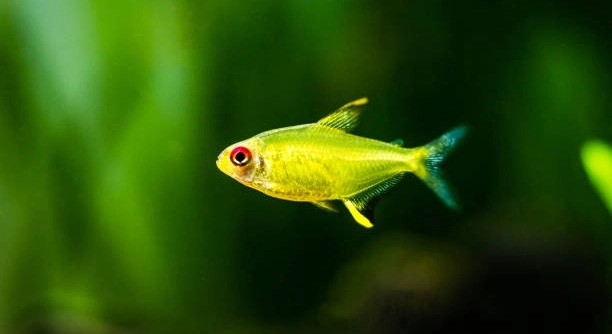
Lemon tetras are small, bright fish that add life to any freshwater aquarium. Watching them interact can be entertaining, and many hobbyists find themselves interested in helping them reproduce successfully in a home tank.
Lemon tetras are ready to breed when males display intensified coloration, females appear fuller in the abdomen, and both exhibit active courtship behavior. Maintaining optimal water conditions and a balanced diet supports successful spawning.
Knowing these signs can improve your breeding efforts and ensure healthier offspring for your aquarium community.
Recognizing Male and Female Lemon Tetras
Male lemon tetras are usually more colorful than females, especially when they are ready to breed. Their bodies develop a deeper yellow hue, and their fins become more pronounced. Females, on the other hand, appear rounder in the belly when carrying eggs. Observing their behavior is equally important. Males often chase females gently around the tank, nudging them toward plants or hiding spots. This activity is part of the courtship process and indicates readiness to spawn. Providing a calm environment with plenty of plants or fine-leaved foliage helps the fish feel secure, which can encourage natural behavior. Water conditions should be slightly acidic with a stable temperature, as lemon tetras are sensitive to fluctuations. Feeding high-quality live or frozen foods enhances their health and readiness, ensuring that both males and females are in prime condition. Paying attention to these physical and behavioral cues allows you to identify breeding readiness accurately.
Recognizing physical differences and behavior patterns is key to successful breeding.
By watching your lemon tetras closely, you can identify when the males are displaying their brightest colors and the females are fuller in the abdomen. Courtship activity is an important sign, with males swimming around females, nudging them gently, and showing interest near dense plants. Creating a stress-free tank with clean water, moderate lighting, and hiding spaces supports these natural behaviors. Feeding small, protein-rich foods encourages vitality and improves the likelihood of spawning. The combination of proper diet, water conditions, and observation allows you to time breeding attempts effectively. Consistency in care ensures that the fish remain healthy and reduces the risk of failed spawning. With attention to these details, breeding becomes a predictable process rather than relying on guesswork.
Preparing the Tank for Breeding
A dedicated breeding tank is highly recommended for lemon tetras.
The tank should be small, ideally 10 to 15 gallons, with gentle filtration to avoid disturbing eggs and fry. Adding fine-leaved plants or spawning mops provides surfaces for egg attachment. Keeping water slightly acidic, around pH 6.5, and soft, with low hardness, mimics their natural environment. Lighting should be subdued to reduce stress. Before introducing the fish, ensure the tank is cycled and stable in temperature, around 75 to 78°F. Monitoring water quality closely is essential, as sudden changes can harm both adults and eggs.
Separating adults after spawning prevents them from eating the eggs. Maintaining a clean tank, performing partial water changes, and providing infusoria or liquid fry food ensures that the fry grow safely. Patience is important, as hatching may take a couple of days, and fry are very small and delicate. Consistent observation, proper diet, and a carefully maintained environment are key to supporting the next generation of lemon tetras and ensuring their healthy development.
Feeding and Nutrition for Breeding
A high-protein diet is essential for breeding lemon tetras. Live or frozen foods such as brine shrimp, daphnia, or bloodworms improve health and increase egg production. Feeding small amounts multiple times a day keeps the fish active and ready for spawning.
Regular feeding of nutrient-rich foods ensures both males and females are in optimal condition. Males develop brighter colors faster, and females gain the necessary body mass for egg production. It is important to maintain variety, alternating between live, frozen, and finely crushed dry foods. Overfeeding should be avoided, as it can foul water and stress the fish. Small, frequent meals mimic natural feeding patterns and help maintain energy levels, supporting consistent breeding readiness over time. Proper nutrition directly impacts the success of courtship and spawning behavior in the tank.
Maintaining clean feeding habits also helps water quality. Remove leftover food promptly, as decomposing particles can increase ammonia and stress the fish. Observing eating patterns allows you to spot health issues early. Healthy, well-fed tetras display more active courtship behaviors, and females are better prepared to produce viable eggs. A balanced feeding plan is essential for both immediate breeding readiness and long-term fish health, ensuring the tank remains a safe, productive environment for all inhabitants.
Water Conditions and Maintenance
Stable water conditions are critical for breeding success. Slightly acidic, soft water encourages spawning, and a temperature around 75 to 78°F supports development. Regular water checks are necessary to maintain stability.
Consistency in water quality prevents stress and improves breeding outcomes. Lemon tetras are sensitive to sudden changes in pH, hardness, or temperature. Partial water changes of 10 to 15 percent every few days help keep the environment clean without shocking the fish. Using a sponge filter provides gentle filtration, preserving eggs and fry. Plants and mosses not only offer hiding spots but also naturally improve water conditions by absorbing nitrates. Monitoring ammonia, nitrite, and nitrate levels ensures the tank remains safe for both adults and fry. A calm environment promotes natural behavior, encouraging males to display and females to spawn.
Maintaining proper water parameters over time is essential for both spawning and fry survival. Adjusting pH gradually, ensuring soft water, and avoiding harsh chemicals keeps the environment stable. A steady temperature encourages consistent courtship behavior, while clean water reduces the risk of fungal or bacterial infections on eggs. Regular observation allows you to react to any changes quickly, keeping the tank healthy. When combined with good nutrition and sufficient plant cover, these conditions maximize breeding success and provide the fry with a strong start in life.
Spawning Behavior
Males begin chasing females around the tank, displaying brighter colors and flaring fins. Females respond by swimming among plants or spawning mops. This activity indicates readiness to lay eggs and signals the start of breeding.
Eggs are usually scattered on fine-leaved plants or spawning mops. Adults may nibble at the eggs, so monitoring behavior is important to prevent loss.
Collecting and Caring for Eggs
Once eggs are laid, they should be carefully monitored. Removing adults after spawning prevents egg predation. Gentle water flow and clean conditions support proper development.
Hatching and Fry Development
Eggs typically hatch within 24 to 36 hours under stable conditions. Newly hatched fry are very small and need infusoria or liquid fry food initially. Gradually, they can be introduced to finely crushed foods. Maintaining stable water parameters is critical for survival and healthy growth.
Common Challenges in Breeding
Egg predation and fungal infections are frequent issues. Removing adults promptly and keeping water clean minimizes risks. Consistent observation and careful maintenance ensure higher survival rates for the fry.
FAQ
How can I tell when my lemon tetras are ready to breed?
Males become more colorful, showing brighter yellow bodies and more pronounced fins. Females develop a rounder belly, indicating they are carrying eggs. You may notice males chasing females around plants or spawning mops, nudging them gently. These physical and behavioral cues are reliable signs that breeding readiness has been reached.
What is the best diet for breeding lemon tetras?
A high-protein diet is essential. Live or frozen foods such as brine shrimp, daphnia, and bloodworms provide nutrients that enhance health and egg production. Small, frequent feedings mimic natural feeding patterns. Avoid overfeeding, as excess food can foul the water and stress the fish. Including variety ensures both males and females receive the nutrients needed to maintain energy levels and display proper courtship behavior.
How should I prepare a breeding tank?
A separate tank of 10 to 15 gallons is recommended. Include fine-leaved plants or spawning mops to provide surfaces for eggs. Maintain soft, slightly acidic water with a pH around 6.5 and a stable temperature near 75–78°F. Gentle filtration, such as a sponge filter, is preferred to protect eggs and fry from strong currents. Subdued lighting reduces stress and encourages natural behavior during spawning.
When should adults be removed after spawning?
Adults should be removed immediately after eggs are laid. Lemon tetras may eat their eggs if left in the tank. Removing the adults helps ensure a higher survival rate for the eggs and newly hatched fry. Proper timing is crucial, as eggs are delicate and the presence of adults increases the risk of predation.
How long do lemon tetra eggs take to hatch?
Eggs usually hatch within 24 to 36 hours under stable conditions. Hatching time depends on temperature and water quality. Stable water parameters, such as temperature and pH, help ensure that eggs develop properly. Observing the eggs closely allows you to anticipate hatching and prepare food for the fry immediately.
What do newly hatched fry eat?
Fry are very small and initially require infusoria or liquid fry food. Once they grow, they can be transitioned to finely crushed dry foods or newly hatched brine shrimp. Feeding small amounts multiple times a day supports steady growth and reduces waste in the tank. Proper nutrition at this stage is critical for survival and healthy development.
How do I prevent fungal infections on eggs?
Maintaining clean water and removing adults reduces the risk of fungal growth. Using a mild antifungal treatment or methylene blue can help protect eggs. Partial water changes and careful monitoring of water quality prevent conditions that encourage fungal growth. Eggs should remain in a calm, clean environment until they hatch.
What are common mistakes when breeding lemon tetras?
Common mistakes include leaving adults with eggs, overfeeding, and failing to maintain stable water conditions. Sudden changes in temperature, pH, or hardness can stress the fish and reduce breeding success. Lack of proper nutrition or insufficient hiding spots can also lead to poor spawning results. Observing behavior and maintaining the tank properly prevents these issues.
How long does it take for fry to grow into adults?
Fry typically grow into juveniles over 6 to 8 weeks and reach full adult size in about 4 to 6 months. Growth depends on consistent feeding, water quality, and temperature. Healthy conditions accelerate development, while poor conditions can stunt growth and increase mortality. Patience and careful monitoring are important during this stage.
Can lemon tetras breed more than once?
Yes, healthy adults can breed multiple times, especially when water conditions, diet, and tank environment are consistently maintained. Allowing adequate recovery time between spawning events ensures females regain body mass and males maintain vibrant coloration. Regular observation of behavior and physical cues helps predict subsequent breeding cycles.
Breeding lemon tetras can be a rewarding experience when approached carefully and thoughtfully. Observing their physical changes and behavior is the first step in determining readiness. Males develop brighter colors and more pronounced fins, while females show fuller abdomens when carrying eggs. Watching for courtship behaviors, such as males chasing females and nudging them toward plants or spawning mops, helps confirm readiness. Providing a calm environment with adequate hiding spots encourages natural behavior. Small, frequent feedings of high-protein foods like brine shrimp, daphnia, or bloodworms keep the fish healthy and active. Overfeeding should be avoided, as it can foul the water and stress the fish. Consistency in diet, water conditions, and observation allows breeding to happen more reliably rather than relying on guesswork.
Water conditions are equally important for successful breeding. Lemon tetras thrive in soft, slightly acidic water with a stable temperature between 75 and 78°F. Regular monitoring of pH, hardness, and ammonia levels prevents stress and ensures a safe environment for both adults and fry. Using a sponge filter or gentle filtration protects eggs and newly hatched fry from strong currents. Plants or mosses serve multiple purposes—they provide surfaces for egg attachment, hiding spots for fry, and help maintain water quality. Removing adults promptly after eggs are laid reduces the risk of predation, while clean water and occasional partial water changes prevent fungal infections. Stable and consistent conditions support healthy development, allowing eggs to hatch within 24 to 36 hours and fry to grow steadily.
Patience and attention to detail make the difference in breeding lemon tetras successfully. Fry require specialized care at first, such as feeding infusoria or liquid fry food, before transitioning to finely crushed dry foods or newly hatched brine shrimp. Gradual and careful feeding helps fry develop steadily without polluting the water. Observing growth and behavior throughout the process allows for timely adjustments in diet and water quality. Maintaining consistency in care, monitoring tank conditions, and providing a supportive environment encourages natural behaviors and higher survival rates. Over time, fry grow into healthy juveniles and eventually adults, ready to continue the breeding cycle. Understanding these factors and applying them patiently ensures that both adult fish and fry thrive, making the breeding process more predictable, manageable, and rewarding.

Hello,
If you enjoy the content that we create, please consider saying a "Thank You!" by leaving a tip.
Every little bit helps us continue crafting quality advice that supports the health, happiness, and well-being of pets around the world, for pets of all shapes, sizes, and species.
We really appreciate the kindness and support that you show us!