
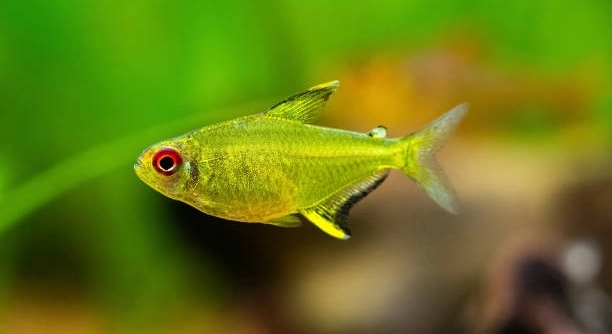
Lemon tetras are small, lively fish that add a splash of color to any aquarium. They are peaceful and often seen swimming in groups, making them a favorite among hobbyists who enjoy a calm and harmonious tank environment.
Lemon tetras prefer dimmer areas because they naturally inhabit shaded streams and densely planted waters. Lower light reduces stress, mimics their natural habitat, and encourages natural behaviors such as schooling, feeding, and resting, which are essential for their overall well-being.
Creating shaded zones in your tank can help your lemon tetras feel secure and thrive, enhancing both their health and your aquarium’s visual appeal.
Creating the Ideal Dim Environment
Lemon tetras feel safest in dimly lit areas, so arranging your aquarium accordingly is important. Plants with broad leaves, driftwood, and rocks help filter light and create natural hiding spots. Using subdued lighting or adjustable LEDs can mimic the soft light of their natural habitat. Positioning taller plants near the sides and back of the tank allows open swimming space while still providing cover. Floating plants also soften the light reaching the lower regions of the tank, giving your tetras the choice to retreat when needed. Shaded areas reduce stress and encourage natural behavior such as schooling and resting. Fish are less likely to hide constantly or display erratic swimming patterns when their environment feels secure. By observing how your tetras respond to different lighting and cover, you can adjust the setup to maintain a balance between visibility and comfort. This approach supports both their physical health and emotional stability.
Shaded areas with plants and floating cover provide a calm space for lemon tetras to rest and feel secure.
Consistently maintaining dimmer areas involves monitoring lighting schedules and plant growth. As plants grow, they can block too much light, so trimming is necessary to ensure balance. LED timers help maintain a steady light-dark cycle, which mimics natural conditions and reduces stress. Hiding spots should be varied in height and location to give tetras choices, supporting their instinctual need for safety. Combining natural décor with controlled lighting creates an environment where fish can display natural schooling behavior, feed without fear, and rest comfortably. Regular observation allows you to notice changes in behavior that might indicate stress or discomfort. Maintaining water quality, temperature, and adequate space is equally important. The combination of these elements ensures that your lemon tetras remain active, healthy, and visually vibrant, while still feeling secure in their aquarium habitat.
Choosing the Right Plants
Tall and leafy plants create essential cover and help filter light in the tank.
Softly lit zones with floating and broad-leaf plants give lemon tetras a sense of safety.
Selecting plants like Java fern, Anubias, or Amazon sword adds both texture and shade. Floating plants such as duckweed or frogbit soften overhead light while allowing open swimming spaces beneath. These plants create natural hiding spots, helping tetras reduce stress and maintain normal activity levels. Placement matters: taller plants at the back, medium in the middle, and floating or low plants near the surface can create layered shelter. Healthy plants also improve water quality by absorbing excess nutrients and providing oxygen, contributing to a stable environment. Regular maintenance, like trimming and cleaning leaves, ensures they continue to provide effective cover. Choosing resilient, low-light-tolerant species allows your aquarium to remain visually appealing while supporting your lemon tetras’ preference for dimmer areas. A balanced combination of plant types keeps your fish active, comfortable, and thriving throughout the tank.
Lighting Adjustments
Dim lighting is key for lemon tetras to feel secure. Bright, direct light can cause stress and make them hide constantly, reducing activity and disrupting natural behaviors. Adjustable LEDs or partially shaded areas help maintain comfort while allowing visibility.
Using timers for LED lights ensures a consistent day-night cycle, which mimics natural conditions. Gradually increasing or decreasing light intensity helps fish adapt without sudden stress. Combining overhead lights with shaded spots created by plants or decorations gives tetras control over their environment. Observing how they react to light changes allows you to adjust the setup effectively, ensuring a calm, balanced aquarium that promotes feeding, schooling, and resting behaviors naturally.
Too much light can lead to constant hiding and reduced activity in tetras. Careful adjustments allow them to explore and interact while feeling secure. Monitoring their behavior over time ensures the lighting remains suitable, preventing stress and encouraging healthy, vibrant fish.
Behavioral Benefits of Dimmer Areas
Lemon tetras are more active and social in dimmer zones, showing natural schooling and feeding behaviors. These areas reduce stress and create a stable environment for them to thrive.
Dimly lit areas help tetras display normal behaviors such as coordinated swimming and regular feeding patterns. In brighter zones, they may retreat to hiding spots, limiting exercise and causing irregular feeding habits. Providing shaded regions encourages movement throughout the tank and reduces aggressive interactions. The calming environment lowers stress hormones, supporting immune health and longevity. Fish feel in control when they can choose shaded or brighter areas, which is crucial for their overall well-being and visual vibrancy in the aquarium.
Natural hiding spots in dimmer areas reduce stress and allow tetras to rest properly. Fish exhibit healthier behavior patterns, interact more freely, and maintain bright coloration. Shaded zones act as a sanctuary, balancing their need for safety with their instinct to explore. Ensuring a mix of dim and moderately lit areas promotes both comfort and activity, leading to a more harmonious aquarium where lemon tetras thrive physically and mentally. Properly arranged spaces encourage schooling, feeding, and resting in a way that mirrors their natural habitat.
Placement of Decorations
Placing decorations strategically creates shaded areas where lemon tetras can feel safe. Rocks, driftwood, and plants provide cover and reduce stress. Position taller items toward the back or sides to maintain open swimming space in the center of the tank.
Layering plants at different heights enhances depth and shelter. Floating plants soften overhead light, giving tetras more options to explore while still feeling secure. Even small décor adjustments can significantly impact their comfort and activity, supporting natural behaviors like schooling and resting without overcrowding the tank.
Monitoring Fish Behavior
Observing how lemon tetras respond to their environment helps maintain a stress-free tank. Active schooling and regular feeding indicate comfort.
Changes in swimming patterns or constant hiding may signal too much light or insufficient cover. Adjusting plants, decorations, or lighting can restore balance. Regular observation ensures fish remain healthy, active, and vibrant, giving them the shaded, secure zones they need to thrive naturally.
Feeding Considerations
Feeding in dimmer areas encourages tetras to feel safe while eating. Placing food near shaded spots reduces stress and promotes regular feeding habits.
Water Quality Maintenance
Consistent water quality supports lemon tetras’ health. Regular testing and partial water changes prevent stress and maintain a stable environment for optimal behavior and coloration.
FAQ
Why do lemon tetras prefer dimmer areas in the tank?
Lemon tetras naturally inhabit shaded streams and densely planted waters. Dimmer areas reduce stress, mimic their natural habitat, and give them a sense of safety. These zones allow them to swim, feed, and rest comfortably while displaying natural behaviors like schooling without constant hiding.
Can too much light harm lemon tetras?
Yes, bright or direct light can stress lemon tetras. When stressed, they may hide constantly, swim erratically, or refuse to eat. Creating shaded areas with plants, driftwood, or floating covers helps them feel secure while allowing controlled light exposure for visibility.
What types of plants work best for creating shaded areas?
Broad-leaf and tall plants like Amazon sword, Anubias, and Java fern provide natural cover. Floating plants such as frogbit or duckweed soften overhead light and create additional shelter. Layering plants at different heights gives tetras options for hiding or swimming freely while maintaining a balanced aquarium look.
How should I arrange decorations to help lemon tetras?
Position taller decorations toward the back or sides of the tank to leave open swimming space in the center. Rocks, driftwood, and plants create hiding spots while still allowing movement. Layered arrangements and floating plants can mimic natural light patterns and provide security throughout the aquarium.
Does dim lighting affect feeding habits?
Dimly lit zones encourage lemon tetras to feed without feeling threatened. Placing food near shaded areas reduces stress and promotes regular eating patterns. Tetras are more likely to explore and actively search for food when they feel secure, which supports proper growth and health.
How often should I adjust the lighting in my tank?
Using timers for LEDs or other adjustable lights helps maintain a consistent day-night cycle. Gradually changing intensity during routine adjustments prevents sudden stress. Observing tetras’ reactions to light changes allows you to fine-tune the environment for comfort, promoting natural behaviors consistently.
Will shaded areas improve their overall health?
Yes, shaded areas reduce stress, which in turn supports immune function and prevents illness. Fish with secure hiding spots display better activity levels, maintain vibrant coloration, and exhibit normal schooling and resting behavior, leading to a healthier, more balanced aquarium.
How can I tell if my lemon tetras are stressed?
Signs of stress include constant hiding, erratic swimming, loss of appetite, faded coloration, or aggression among tank mates. If these behaviors appear, check lighting, decorations, and water quality. Providing additional cover or adjusting light intensity usually restores a calmer environment.
Do lemon tetras need both dim and brighter areas?
Yes, offering a mix of dim and moderately lit zones lets tetras choose where to spend time. They feel secure in shaded areas but benefit from some light for exploration, feeding, and social interactions, which creates a more natural and enriching tank environment.
How does water quality interact with lighting and shaded areas?
Consistent water quality enhances the benefits of dimmer zones. Poor water conditions can stress fish even if shaded areas exist. Regular testing, partial water changes, and proper filtration maintain a stable environment, allowing tetras to feel secure and behave naturally in their shaded areas.
Can I use artificial decorations instead of plants for shade?
Yes, rocks, caves, and driftwood can create effective shaded areas. Artificial décor works if it provides hiding spots and reduces direct light. Combining natural and artificial elements allows flexibility in design while meeting tetras’ preference for dim zones.
Is it necessary to monitor behavior daily?
Daily observation helps catch early signs of stress or imbalance. Noticing changes in swimming, schooling, or feeding patterns allows quick adjustments to lighting, plant placement, or water quality, ensuring tetras remain comfortable and healthy.
How do shaded areas affect social behavior?
Shaded zones promote natural schooling and reduce aggression. Fish feel safer and are more likely to interact rather than hide. This creates a calm, active tank where tetras can swim together, explore, and feed without constant stress.
What’s the best combination of plants and lighting for lemon tetras?
A mix of tall background plants, medium foreground plants, and floating plants works well. Combine with adjustable LED lighting or shaded spots to create a natural gradient. This setup ensures tetras have multiple options for retreat, swimming, and feeding while maintaining overall tank aesthetics.
How can I maintain shaded areas long-term?
Regular trimming of plants, rearranging décor if necessary, and monitoring light intensity ensures shaded zones remain effective. Floating plants and slow-growing species help maintain consistent cover. Adjustments based on fish behavior help sustain a secure and comfortable environment.
Do shaded areas help during breeding?
Yes, lemon tetras feel safer and less stressed in dim zones, which can encourage natural breeding behavior. Hiding spots and plant cover provide suitable areas for egg-laying and protect fry from disturbances, supporting a healthier reproductive process.
Are there any risks to too much shade?
Excessive shading can limit swimming space or reduce light needed for plant growth. Maintaining a balance between dim and moderately lit areas ensures fish feel secure without restricting activity or disrupting tank health.
Can lighting affect their coloration?
Proper lighting enhances natural coloration while avoiding stress. Dim zones help maintain calm behavior, which supports vibrant colors, while occasional moderate light allows their yellow and silver hues to display effectively.
How do I create shaded areas in small tanks?
Use compact plants, small driftwood pieces, and floating plants to create pockets of shade. Even in limited space, layering decorations and varying heights can provide security without overcrowding, allowing tetras to feel comfortable and behave naturally.
What role does observation play in adjusting shaded areas?
Watching how lemon tetras move between light and shade helps you fine-tune plant placement, décor, and lighting. Responsive adjustments ensure fish remain stress-free, active, and healthy, creating an aquarium that mirrors their natural environment while supporting all aspects of their behavior.
How important is it to combine natural and artificial shading?
Combining both provides flexibility. Natural plants offer oxygen and nutrient absorption, while artificial décor can be placed precisely to create secure zones. This approach ensures tetras have sufficient cover without compromising space or aesthetics.
How does stress affect their lifespan?
Chronic stress from poor lighting or lack of cover can weaken the immune system, making fish more susceptible to disease. Shaded areas reduce stress, support immune function, and promote longer, healthier lives by allowing tetras to exhibit natural behaviors and maintain activity.
Can shaded areas improve feeding efficiency?
Yes, fish are more willing to explore and eat when they feel secure. Placing food near dim spots encourages regular feeding, prevents food waste, and ensures all tetras access nutrition without competition or stress.
What adjustments are needed if tetras ignore shaded areas?
Check plant density, decoration placement, and light intensity. Gradually adding or rearranging cover can make shaded zones more appealing. Observing fish reactions ensures adjustments meet their needs without causing sudden stress.
How often should plants be trimmed in shaded areas?
Trimming depends on growth rate but is generally every few weeks. Maintaining balance prevents excessive blockage of light while keeping hiding spots effective. Proper trimming also supports plant health and overall water quality.
Can shaded areas prevent aggression among tank mates?
Yes, providing multiple hiding spots reduces competition and stress. Fish have personal spaces to retreat, lowering aggressive interactions and creating a calmer, more harmonious aquarium environment.
What’s the simplest way to test if shading is adequate?
Observe fish behavior. Comfortable tetras will swim actively, school together, feed normally, and occasionally retreat to shaded areas without constant hiding or erratic movement. Adjustments are only needed if stress signs appear.
How do I balance lighting for plants and tetras simultaneously?
Use low-light-tolerant plants combined with adjustable lighting. Floating plants or décor can filter excess light. This maintains plant health while giving tetras their preferred dim zones. Adjust as needed based on fish behavior and plant growth.
Do shaded areas affect schooling behavior?
Shaded zones encourage natural schooling by providing security. Fish feel safe moving together in groups, reducing stress, promoting activity, and ensuring even distribution throughout the tank while preventing hiding or isolation.
Can artificial caves replace plant shading completely?
Artificial caves can provide security, but combining them with plants is better. Plants offer natural cover, oxygenation, and nutrient absorption, while caves offer precise hiding spots. The combination creates a balanced, safe environment.
Is dim lighting necessary at night?
Nighttime dim lighting supports natural rest cycles. Complete darkness is acceptable but soft, indirect light allows observation and maintains a natural rhythm without causing stress.
How do I know if my shaded areas are working effectively?
Monitor activity, feeding, and social behavior. Tetras should use shaded areas but also explore freely. Consistent schooling, normal eating patterns, and calm behavior indicate the environment meets their needs.
Can shaded areas help reduce disease?
Yes, stress reduction from shaded zones strengthens immunity. Healthy, relaxed fish are less susceptible to illness and maintain vibrant coloration and normal behavior patterns.
What is the easiest way to add shade quickly?
Floating plants or small décor pieces can instantly create dim zones. Position them where tetras frequently swim to provide immediate shelter without major tank rearrangements.
Do lemon tetras need shaded areas in heavily planted tanks?
Even heavily planted tanks benefit from intentionally designed shaded zones. Fish may prefer dense pockets or specific plant clusters that mimic natural shelter and provide varied light intensity, ensuring comfort and activity.
How does water movement interact with shaded areas?
Shaded areas with moderate water flow allow tetras to rest without being buffeted by currents. Too much flow can push them out of preferred zones, causing stress despite adequate cover.
Can shaded areas affect breeding behavior?
Yes, providing secure, dim zones encourages egg-laying and fry protection. Fish feel safe to engage in reproductive behavior without disruption from light or exposed tank areas.
What’s the simplest decoration combination for beginners?
A mix of driftwood, a few tall plants, and floating plants works well. It creates immediate shaded areas while maintaining open swimming space, supporting natural behavior and comfort without complicated setups.
How do I prevent algae while keeping shaded areas?
Moderate light intensity and plant trimming prevent excessive algae growth. Floating or broad-leaf plants shade surfaces naturally, reducing light for algae while keeping fish comfortable.
Can too many shaded areas be harmful?
Excessive shade can limit open swimming and reduce light for plants. A balanced approach provides security while maintaining activity space and plant health.
Do lemon tetras ever leave shaded areas voluntarily?
Yes, tetras explore brighter zones for feeding and interaction but retreat to shaded areas when stressed or resting. Providing options ensures they can regulate comfort and activity naturally.
How important is observation compared to setup?
Both matter equally. Even a well-arranged tank needs monitoring to adjust for plant growth, light changes, or behavioral shifts. Observation ensures tetras remain comfortable and healthy in their shaded zones.
How can I use shaded areas to reduce aggressive behavior?
Providing multiple hiding spots allows fish to retreat and avoid confrontation. Shaded zones reduce stress-induced aggression, ensuring a calmer tank with harmonious interactions among tetras and other species.
Do shaded areas impact their color vibrancy?
Yes, reduced stress from shaded zones supports natural coloration. Fish can display vibrant yellow and silver hues when comfortable and secure, while excessive light or stress may dull their colors.
How often should I review the tank layout for shaded areas?
Reviewing every few weeks or after significant plant growth ensures balance. Adjustments maintain cover, light distribution, and open swimming areas, keeping tetras comfortable and active.
Can shaded areas improve tank aesthetics?
Yes, layering plants, driftwood, and rocks creates natural depth and texture. Dim zones enhance both fish comfort and visual appeal, giving the aquarium a calm, balanced appearance while supporting fish behavior.
Is it okay to change decorations frequently?
Frequent changes can stress tetras. Minor adjustments are fine, but large rearrangements should be gradual to allow fish to adapt to new shaded areas without disrupting activity or schooling behavior.
Can shaded areas benefit other fish species?
Yes, many peaceful tropical species benefit from shaded zones. Creating diverse light conditions supports multiple species’ comfort while maintaining a visually appealing tank environment.
What’s the final tip for maintaining effective shaded areas?
Observe behavior, adjust lighting, and maintain plant health consistently. A balanced combination of light, décor, and plants ensures lemon tetras thrive in a secure, natural-feeling environment.
Word count: 512
Lemon tetras are small, vibrant fish that thrive in environments that feel safe and natural. Creating dimmer areas in the aquarium is one of the most effective ways to support their comfort and overall well-being. Shaded zones allow tetras to rest, explore, and feed without stress, encouraging natural behaviors such as schooling and coordinated swimming. These areas can be created using a combination of plants, driftwood, rocks, and floating décor. Even small adjustments, such as placing taller plants at the back of the tank or adding floating plants near the surface, can make a noticeable difference in how comfortable the fish feel. Providing a balance between shaded areas and open swimming spaces ensures they can move freely while still having places to retreat when they need security.
Maintaining these dimmer zones involves more than just adding plants and decorations. Regular observation of the fish is crucial to ensure the environment continues to meet their needs. Lemon tetras display certain behaviors when they feel stressed, including hiding constantly, swimming erratically, or reducing their feeding activity. Monitoring these behaviors helps identify areas of improvement in the tank layout or lighting. Proper water quality also plays an important role, as stressed fish are more sensitive to changes in temperature, pH, and other water parameters. Using adjustable LED lighting, timers, and layering plants of different heights can help create a dynamic but stable environment. Over time, small changes such as trimming plants or repositioning decorations can maintain a balance of light and shade while ensuring the fish remain active, healthy, and visually vibrant.
In addition to improving comfort, dimmer areas support overall fish health and behavior. Lemon tetras in secure, shaded zones are more likely to exhibit natural feeding and social patterns, which directly affects their energy levels and coloration. Shaded areas also help reduce stress, which strengthens their immune system and supports longevity. By paying attention to plant placement, lighting, and decorations, fishkeepers can create an aquarium that not only looks appealing but also supports the natural instincts of the tetras. This approach provides a calm and stable environment where the fish can thrive physically and emotionally. Maintaining shaded areas, observing fish behavior, and making adjustments as needed allows lemon tetras to display their full range of activity, coloration, and social behavior, creating a more harmonious and enjoyable aquarium overall.

Hello,
If you enjoy the content that we create, please consider saying a "Thank You!" by leaving a tip.
Every little bit helps us continue crafting quality advice that supports the health, happiness, and well-being of pets around the world, for pets of all shapes, sizes, and species.
We really appreciate the kindness and support that you show us!