
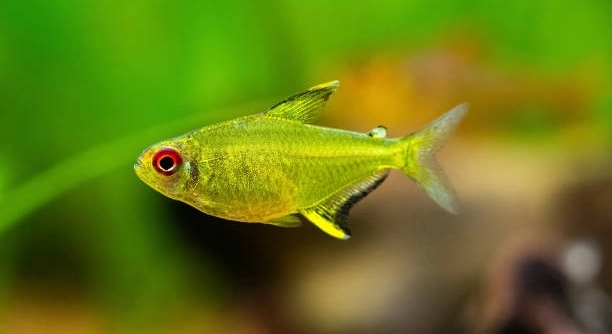
Lemon tetras are usually peaceful fish, gliding calmly through aquariums. Observing them suddenly act aggressively can be surprising, especially for new aquarists. Their sudden change in behavior often signals shifts in their environment or social dynamics within the tank.
Lemon tetras become aggressive primarily due to stress, overcrowding, or sudden changes in water conditions. Territorial disputes, competition for food, and the presence of incompatible tank mates can trigger aggressive behavior, affecting both their social structure and overall well-being.
Recognizing the triggers behind their aggression helps maintain a harmonious tank. Adjusting the environment and monitoring their interactions can restore balance and calm.
Common Triggers of Aggression in Lemon Tetras
Lemon tetras are usually calm, but certain conditions can provoke sudden aggression. Overcrowding is a frequent cause, as too many fish in one tank limits swimming space and increases stress. Changes in water parameters, such as pH, temperature, or hardness, can also make them irritable. When they sense instability in their environment, they may lash out at other tank mates to assert dominance or secure territory. Incompatible species added to the tank often trigger disputes over space and food. Even minor disturbances, like rearranging decorations or introducing new plants, can temporarily unsettle them. Observing their behavior carefully can reveal patterns, such as nipping at fins or chasing weaker fish. Establishing a stable routine for feeding and tank maintenance helps reduce sudden aggressive episodes, creating a more peaceful community.
Stress from overcrowding or water changes is the main factor in most sudden aggressive behavior. Monitoring conditions consistently prevents escalation.
Behavioral cues, such as chasing, tail nipping, and persistent positioning near certain fish, indicate tension. Adjusting the tank layout, providing hiding spots, and maintaining consistent water conditions significantly reduce stress. Keeping lemon tetras in small, compatible groups minimizes territorial disputes. Gradual introductions of new tank mates and avoiding sudden environmental changes help maintain harmony. Overfeeding or underfeeding can also heighten aggression, so maintaining a balanced diet is essential.
Managing Aggression Effectively
Regular observation is key to controlling aggression in lemon tetras.
Providing enough space and hiding places helps reduce conflicts. Grouping similar species together also encourages natural schooling behavior. Temperature and pH should remain stable, avoiding abrupt changes that stress fish. Using slow, gradual adjustments when introducing new tank mates keeps aggression low. Feeding small amounts regularly ensures no competition over food escalates into fights. Removing aggressive individuals temporarily can prevent injuries. Adequate lighting and gentle filtration create a calm environment. By carefully monitoring interactions, it’s possible to identify early signs of aggression and intervene before it becomes severe. Consistent care, patience, and understanding their natural behavior patterns allow lemon tetras to thrive peacefully in a home aquarium.
Environmental Adjustments
Providing enough space and hiding spots immediately reduces aggression in lemon tetras. Plants, rocks, and small decorations create territories, giving fish places to retreat. Stable water conditions and gentle filtration also help maintain calm, preventing stress-induced conflicts in the tank.
Gradually introducing tank mates and rearranging decorations slowly minimizes sudden stress. Lemon tetras respond well to a predictable routine, including consistent feeding schedules. Overcrowding increases chasing and nipping, so maintaining the right number of fish for tank size is essential. Observing their behavior daily allows quick adjustments if aggression escalates, ensuring all fish remain healthy and stress-free.
Lighting and tank placement affect mood and behavior. Harsh or fluctuating light can trigger tension among fish. Keeping the tank in a low-traffic area reduces disturbances, allowing lemon tetras to feel secure. Even small environmental tweaks, like adding floating plants for shade or ensuring proper water flow, significantly improve harmony.
Diet and Feeding Practices
Feeding small, frequent meals prevents competition that can lead to aggression. Overfeeding or inconsistent schedules often trigger disputes over food.
Providing a varied diet that includes high-quality flakes, frozen or live foods keeps lemon tetras healthy. Uneaten food should be removed promptly to prevent water quality issues, which can stress fish and increase aggressive behavior. Feeding at multiple points in the tank allows all fish to access food without fighting, while maintaining a consistent routine reduces tension and promotes peaceful interactions. Monitoring appetite helps identify any health concerns early, preventing stress-related conflicts.
Tank Mates
Choosing compatible tank mates reduces aggression in lemon tetras. Peaceful, small schooling fish work best, while larger or territorial species may provoke stress and fights.
Avoid adding too many new fish at once. Gradual introductions help lemon tetras establish social hierarchies without excessive chasing or nipping, keeping the tank calm.
Water Quality Maintenance
Maintaining clean water is essential for controlling aggression. Regular water changes, proper filtration, and monitoring pH, temperature, and hardness keep fish healthy and reduce stress-related behaviors. Neglecting water quality can make lemon tetras irritable, increasing conflicts and aggressive episodes. Consistent maintenance supports a stable, peaceful environment for all tank inhabitants.
Observing Behavioral Changes
Tracking patterns in chasing, fin-nipping, or hiding helps identify triggers. Early detection allows timely interventions, reducing harm and stress for the fish.
FAQ
Why are my lemon tetras suddenly chasing each other?
Chasing is often a sign of stress or competition. Overcrowding, sudden changes in water conditions, or introducing new fish too quickly can trigger this behavior. Ensuring proper tank size, stable water parameters, and gradual introductions helps reduce chasing and maintains peace in the aquarium.
Is it normal for lemon tetras to nip fins?
Minor fin-nipping can occur, especially when establishing hierarchy within the group. However, persistent or severe nipping usually indicates stress, lack of hiding spots, or incompatible tank mates. Adding plants, decorations, and ensuring the fish are kept in appropriate numbers minimizes this behavior.
Can water conditions really affect aggression?
Yes, lemon tetras are sensitive to changes in pH, temperature, and water hardness. Sudden shifts make them irritable and prone to fighting. Consistent monitoring, regular water changes, and gradual adjustments prevent stress-related aggression.
How many lemon tetras should be kept together?
A small school of 6–10 fish is ideal for home tanks. Fewer fish can lead to stress and increased aggression due to lack of social stability. Larger groups require more space, but properly sized tanks help maintain a natural hierarchy and reduce conflicts.
Will adding more plants calm aggressive tetras?
Yes, plants provide hiding spots and break lines of sight, reducing territorial disputes. Floating plants or dense decorations create secure zones, allowing stressed fish to retreat and easing tension among the group. This simple adjustment often has a noticeable impact on aggression levels.
Does feeding influence their behavior?
Feeding plays a significant role. Uneven distribution, overfeeding, or inconsistent schedules can spark fights over food. Providing small, frequent meals and scattering food around the tank ensures all fish eat without conflict. A balanced diet also keeps them healthy, which naturally reduces stress-related aggression.
Should aggressive fish be removed immediately?
If aggression leads to injury or persistent stress, temporarily isolating aggressive individuals is a practical solution. Quarantining or separating them for a few days allows the group to calm down. Reintroducing them gradually with proper monitoring can prevent further incidents.
Do tank mates affect aggression?
Absolutely. Lemon tetras thrive with peaceful, small schooling fish. Larger or territorial species often provoke chasing or fin-nipping. Choosing compatible tank mates and introducing them gradually maintains harmony and reduces stress-induced aggressive episodes.
How can I tell if aggression is serious?
Serious aggression is marked by constant chasing, repeated fin-nipping, and visible injuries. Persistent hiding or stress behaviors are also warning signs. Monitoring closely and adjusting environmental factors, feeding, and tank composition can prevent escalation and protect all fish.
Can water temperature fluctuations trigger fights?
Yes, sudden changes in temperature make lemon tetras more irritable and prone to conflicts. Maintaining a stable temperature with gradual adjustments when needed keeps them calm and reduces stress-related aggression.
Do lighting and tank placement matter?
Harsh, fluctuating lighting or high-traffic tank locations can unsettle lemon tetras. A quiet area with consistent lighting reduces tension. Adding shaded areas and floating plants helps fish feel secure and prevents aggression linked to environmental stress.
How long does it take for aggression to subside?
Once stressors are addressed, aggression usually decreases within a few days to a week. Stable water conditions, appropriate tank mates, sufficient space, and proper feeding routines contribute to a calmer, peaceful school.
Are some lemon tetras naturally more aggressive?
Individual temperaments vary, but most aggression is environmental rather than innate. Monitoring behavior and adjusting tank conditions ensures that even naturally dominant fish do not cause persistent stress to others.
Can overcrowding be fixed without removing fish?
Yes, providing more space with tank expansions, adding decorations for hiding, and creating visual barriers helps reduce conflicts. These adjustments allow fish to establish territories and minimize aggressive interactions even in slightly crowded tanks.
Is it okay to rearrange the tank if aggression appears?
Rearranging can help break established territories, reducing fights. However, do it gradually to avoid shocking the fish. Adding new plants or decorations strategically provides retreats and lowers aggression over time.
How important is consistency in tank care?
Consistency is critical. Sudden changes in water, feeding, or maintenance routines stress lemon tetras, increasing aggression. Establishing a regular schedule for water checks, cleaning, and feeding ensures a stable environment, promoting calm behavior.
Can aggression affect fish health?
Yes, stress from fighting weakens immunity, slows growth, and can lead to infections. Controlling aggression through tank management, diet, and compatible groups safeguards both physical and mental well-being of lemon tetras.
How do I introduce new fish without triggering aggression?
Introduce new fish gradually using a divider or quarantine tank. Allow current fish to observe newcomers before full interaction. Slow acclimation prevents sudden fights and gives the school time to adjust naturally.
Will reducing the number of fish help immediately?
Reducing overcrowding often results in immediate relief, as it lowers competition for food and space. Fewer fish allow natural social hierarchies to form without constant disputes, creating a calmer and more balanced aquarium.
Are there signs of long-term stress from aggression?
Yes, long-term stress includes faded colors, loss of appetite, hiding, and frequent injuries. Persistent tension in the tank indicates environmental issues that need correction to prevent lasting harm.
What is the best overall approach to managing aggression?
A combination of proper tank size, compatible mates, stable water conditions, consistent feeding, and hiding spots is most effective. Observing behavior and adjusting the environment proactively ensures lemon tetras remain peaceful and healthy.
Final Thoughts
Lemon tetras are naturally peaceful fish, but their sudden aggression can be alarming. Understanding the reasons behind this behavior is essential for maintaining a healthy and balanced aquarium. Stress, overcrowding, incompatible tank mates, and sudden changes in water conditions are the primary triggers for aggressive behavior. Observing their interactions closely can help identify patterns, such as chasing, fin-nipping, or persistent hiding. Recognizing these behaviors early allows you to take timely action before serious injuries or long-term stress occur. By paying attention to their daily activity and noting any changes, you can adjust environmental factors to create a more stable and harmonious tank.
Proper tank management plays a significant role in preventing aggression. Providing adequate space for swimming, as well as decorations, plants, and hiding spots, helps establish territories and reduces tension among fish. Maintaining stable water conditions, including consistent pH, temperature, and hardness, minimizes stress, which is often the underlying cause of aggression. Gradual introductions of new fish and avoiding sudden environmental changes also help lemon tetras feel secure. Feeding practices are equally important. Offering small, frequent meals and distributing food throughout the tank prevents competition and fights over resources. Ensuring a balanced diet keeps the fish healthy, which naturally reduces irritability and aggressive tendencies. These steps work together to create a peaceful and thriving environment for lemon tetras and their tank mates.
Even with careful management, individual differences in temperament can influence behavior. Some lemon tetras may be slightly more dominant, while others may remain shy. Observing these dynamics and adjusting the tank setup accordingly is key. For instance, temporarily isolating overly aggressive individuals or adding more visual barriers can prevent continuous conflicts. Consistency in care, including water maintenance, feeding schedules, and monitoring behavior, is essential for long-term stability. By understanding their natural tendencies and responding thoughtfully, it is possible to minimize aggression while promoting a healthy social structure within the group. With patience, attention to detail, and careful planning, lemon tetras can coexist peacefully, allowing their natural colors, movements, and lively interactions to be enjoyed without constant stress or disruption in the aquarium.

Hello,
If you enjoy the content that we create, please consider saying a "Thank You!" by leaving a tip.
Every little bit helps us continue crafting quality advice that supports the health, happiness, and well-being of pets around the world, for pets of all shapes, sizes, and species.
We really appreciate the kindness and support that you show us!