
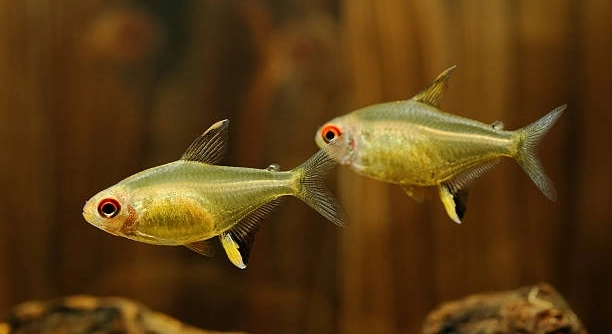
Many fish keepers notice small movements in their lemon tetra and wonder what these gentle twitches mean in their calm aquarium life as these tiny behaviors can create moments of concern during daily care routines.
Lemon tetra shake or twitch due to natural communication signals, mild stress responses, or environmental shifts that influence their schooling behavior and physical comfort. These movements often reflect interactions linked to water quality, social dynamics, and physiological balance within aquarium.
These subtle actions reveal important details about their daily comfort, helping you understand their needs while supporting healthier aquarium conditions.
Common Reasons for Lemon Tetra Twitching
Lemon tetra behavior often shifts gently when their surroundings change, and noticing these movements helps keep their aquarium stable. Small twitching can appear when temperature, lighting, or water parameters fluctuate in ways that disrupt their comfort. These fish respond quickly to subtle changes, making them sensitive to conditions that many owners may overlook. Their brief shaking can also occur during schooling adjustments, especially when new fish join or when the group reorganizes its spacing. These movements help them interact and maintain order within the school. External disturbances, such as sounds or sudden motion near the tank, may also trigger quick responses. Although these actions can seem concerning, they usually reflect ordinary aquarium factors that require simple corrections. Observing these patterns closely builds awareness of what influences their daily reactions. This understanding helps you provide care and supports routines that keep your lemon tetra calm and comfortable each day with consistency.
These movements highlight environmental or social conditions that influence their comfort, making it important to watch for changes that affect their behavior. Subtle reactions often reveal early signs of stress, helping you adjust their care and maintain a steady environment for long term stability within their peaceful aquarium setting daily.
Understanding these behaviors allows you to support your lemon tetra more effectively by noticing details that might otherwise go unseen. Their twitching often provides useful clues about water quality, social tension, or sensory triggers. When you recognize these signals early, you can correct small issues before they grow. This steady attention encourages better health and calm activity throughout the aquarium. With gentle routines, consistent checks, and simple adjustments, you create conditions that help your fish feel safe. Over time, their behavior becomes easier to interpret, giving you confidence as you care for them with patience and steady awareness each day.
Signs That Require Attention
Some behaviors indicate the need for immediate adjustments, especially when twitching becomes frequent or occurs alongside rapid breathing, faded color, or unusual schooling patterns. These changes can point to water quality issues or stress factors that disrupt their comfort and require quick, careful evaluation to restore balance in their habitat.
Providing proper care for lemon tetra begins with maintaining consistent water parameters that support their delicate nature. Stable temperature, clean filtration, and regular testing help minimize stress that can cause shaking or twitching. When these conditions remain steady, their movements become calmer and easier to interpret. Attention to social structure also plays an important role, since overcrowding or incompatible tankmates can trigger stress responses. Keeping an appropriate group size allows them to school peacefully. Observing their diet ensures they receive balanced nutrition that supports energy and stability. Sudden changes in lighting or loud noises near the aquarium should also be avoided, as these fish react quickly to unexpected disturbances. Creating a predictable routine helps them feel secure. When you notice unusual movements, addressing them early prevents more serious issues from developing. A thoughtful combination of environment management, steady monitoring, and gentle interactions allows your lemon tetra to thrive. With consistent care, their natural behavior becomes more expressive, helping you understand their comfort levels with ease. These steady efforts help maintain a peaceful aquarium that supports their long term comfort and keeps their behavior stable throughout day.
How Water Conditions Influence Twitching
Stable water parameters reduce twitching by keeping lemon tetra comfortable throughout daily activity. Sudden shifts in temperature, pH, or hardness often create stress that leads to quick shaking. Consistent monitoring helps prevent these changes and keeps their environment balanced for smoother behavior.
Maintaining proper temperature is essential, since even small fluctuations can affect their comfort. Using a reliable heater prevents unexpected dips that may trigger twitching. Clean filtration also supports steady water conditions by removing waste that raises stress levels. Regular water testing ensures pH and hardness remain within a safe range, reducing pressure on their sensitive systems. Gentle lighting changes help prevent sudden startle responses. Performing routine water changes in small portions rather than large amounts keeps adjustments mild, giving your lemon tetra time to adapt. These steady habits build a more predictable environment that supports calm behavior.
Good circulation provides oxygen that helps regulate their reactions. Strong currents may overwhelm them, while low circulation can reduce their comfort, so finding balance is important. Feeding practices also play a role, because uneaten food raises ammonia and creates stress. Removing excess food helps keep the aquarium clean. When all these factors align, your lemon tetra settle into calmer patterns. Their movements become smoother, giving you a clearer understanding of what supports their well being. Maintaining these conditions strengthens their stability and helps reduce unnecessary shaking.
When Twitching Signals Health Concerns
Some twitching patterns may indicate underlying concerns when paired with lethargy, clamped fins, or changes in coloration. These signs can point to issues that require closer evaluation and quicker action to maintain stability in their habitat and protect their overall comfort through careful attention each day.
Parasites, bacterial infections, and poor nutrition can lead to increased twitching when they disrupt normal activity. Identifying these causes early helps you adjust care more effectively. Quarantine procedures support safer treatment when introducing new fish, preventing infections from spreading. Observation plays an important role, since noticing rapid changes helps you respond before symptoms worsen. Keeping a clean environment and avoiding overcrowding reduce the risk of health problems. Balanced feeding supports strong immune function, giving your lemon tetra better resilience. When you pay attention to small behavioral shifts, you gain insight into their needs, helping you create conditions that support their long term comfort and reduce unnecessary stress.
Behavioral Factors Behind Twitching
Schooling adjustments often lead to quick movements as lemon tetra reorganize their spacing. These shifts help them maintain order and respond to nearby fish. Small twitches during these moments reflect normal interaction within the group and usually settle once the formation stabilizes again.
Territorial reactions can also trigger twitching when fish feel crowded or pressured by active tankmates. These moments usually pass once spacing becomes comfortable. Providing enough swimming room helps reduce tension and supports smoother behavior, allowing them to interact without unnecessary stress forming in their daily routine.
How Diet Influences Their Reactions
Nutritional balance affects how their bodies respond to daily activity. A varied diet with quality flakes, micro pellets, and occasional protein sources keeps their energy steady and reduces stress that may trigger twitching. Poor nutrition weakens their system and increases reactivity. Feeding small portions prevents waste buildup, which also supports healthier behavior. When their diet stays consistent and nutrient rich, their movements become smoother. Balanced feeding helps stabilize their internal processes and maintains comfort that reflects in calmer activity each day.
Environmental Stressors to Watch For
Sudden noises, sharp light changes, or tapping on the glass can startle lemon tetra and cause quick twitching. Reducing these disturbances helps them feel safer. Gentle lighting adjustments and a quiet placement for the tank keep their environment predictable and support steady, relaxed behavior.
FAQ
Why does my lemon tetra twitch after I feed them?
Twitching after feeding is often a reaction to excitement or sudden activity. When they see food, they move quickly to compete for it or secure their spot in the school. This is normal behavior, especially in healthy fish that are alert and energetic. Over time, these movements usually calm down once they finish eating and settle back into their group. Feeding smaller portions slowly can reduce the intensity of twitching and prevent stress caused by rushed competition.
Can water quality issues cause constant shaking?
Yes, poor water quality is one of the main reasons lemon tetra show continuous twitching. High ammonia, nitrite, or nitrate levels irritate their skin and gills, causing stress. Unstable pH or temperature fluctuations also create discomfort that shows as shaking. Regular water testing, partial water changes, and proper filtration are crucial to maintain a stable, healthy environment. When water conditions are corrected, twitching usually decreases within a few hours or days as the fish regain comfort.
Is twitching a sign of disease?
Twitching alone does not always indicate disease, but when paired with other symptoms like faded color, clamped fins, lethargy, or loss of appetite, it could signal an underlying issue. Parasites, bacterial infections, or fungal problems often trigger abnormal movement. Observing patterns and noting any additional signs is key. If unusual behaviors persist, quarantining affected fish and consulting treatment guides can prevent spread and restore health.
Do tankmates influence twitching?
Yes, social interactions impact twitching. Lemon tetra are schooling fish that rely on group coordination. Adding new fish, overcrowding, or aggressive tankmates can cause stress, leading to shaking or rapid darting. Ensuring compatible species and maintaining an appropriate school size helps reduce tension. Once the group adjusts, twitching often becomes less frequent and more controlled, reflecting a stable social structure.
Can lighting or external disturbances trigger twitching?
Sudden changes in lighting, loud noises, or tapping on the glass can startle lemon tetra, causing twitching. They are sensitive to movement and environmental shifts, so keeping the tank in a calm, quiet location helps. Gradual lighting transitions, avoiding sudden shadows, and minimizing vibrations create a predictable environment. Consistent conditions encourage relaxed behavior and reduce unnecessary stress responses.
Does diet play a role in twitching?
Nutrition directly affects energy levels and overall comfort. A balanced diet with quality flakes, micro pellets, and occasional live or frozen protein ensures steady energy and strong immune function. Poor nutrition or overfeeding can lead to stress and twitching, while uneaten food can degrade water quality, compounding the issue. Feeding small, frequent portions helps maintain energy levels and prevents excessive movement due to hunger or discomfort.
Should I worry if twitching is occasional?
Occasional twitching is usually harmless. Lemon tetra may twitch briefly during schooling, feeding, or minor environmental changes. These movements are part of normal behavior and typically resolve quickly. Monitoring frequency and patterns helps differentiate between harmless activity and signs of stress or illness. Consistent observation allows proactive care and helps maintain a calm, healthy aquarium.
How can I prevent twitching caused by stress?
Maintaining a stable environment is key. Keep water parameters consistent, avoid sudden changes, and provide enough space for schooling. Ensure compatible tankmates and proper diet to reduce stress triggers. Regular observation and gentle adjustments help lemon tetra feel safe, minimizing twitching caused by external or social pressures.
Final Thoughts
Lemon tetra twitching is a common behavior that many aquarium owners notice. These small movements are often part of normal activity, such as schooling adjustments, feeding excitement, or reactions to minor environmental changes. Observing your fish closely helps you distinguish between ordinary behavior and signs that may indicate stress or health concerns. Paying attention to how often and in what context the twitching occurs provides insight into their daily comfort. Many times, twitching is harmless, reflecting the fish’s alertness and responsiveness to their surroundings. Understanding this behavior allows you to approach care more thoughtfully and maintain a stable, calm aquarium environment.
Water quality plays a significant role in whether your lemon tetra displays twitching behavior. Consistent temperature, proper filtration, and regular water testing are essential for preventing unnecessary stress. Sudden changes in pH, ammonia spikes, or other fluctuations can lead to rapid movements and discomfort. Maintaining a predictable routine, such as partial water changes instead of large ones and monitoring waste buildup, helps keep their habitat steady. Proper diet and feeding practices are also important, as overfeeding or poor nutrition can worsen twitching by affecting their energy and water quality. By keeping their environment stable and meeting their basic needs, twitching often decreases, and the fish appear calmer and more confident.
Social dynamics and external stressors also influence twitching in lemon tetra. They are schooling fish, and interactions with tankmates can cause quick movements as they adjust positions or respond to perceived threats. Overcrowding or incompatible fish can increase stress levels and twitching frequency. Additionally, sudden noise, sharp light changes, or tapping on the glass may startle them. Providing adequate swimming space, compatible companions, and a quiet, steady environment helps reduce unnecessary stress. When all factors are balanced, lemon tetra display smoother, more relaxed movements. Observing these behaviors and maintaining consistent care allows you to support their well-being, helping them thrive in a calm and healthy aquarium setting.

Hello,
If you enjoy the content that we create, please consider saying a "Thank You!" by leaving a tip.
Every little bit helps us continue crafting quality advice that supports the health, happiness, and well-being of pets around the world, for pets of all shapes, sizes, and species.
We really appreciate the kindness and support that you show us!