
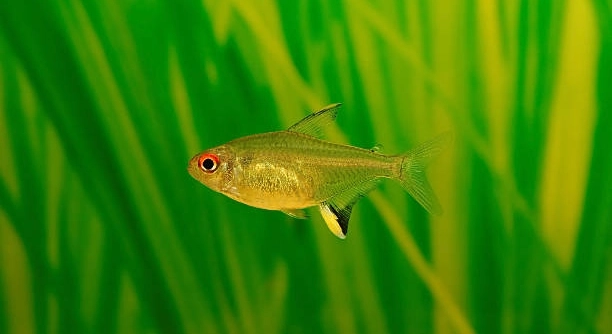
Keeping lemon tetras in a home aquarium can be rewarding, but it takes effort to ensure they thrive over time. Their bright colors and active nature make them a lively addition to any tank. Consistent care is important.
Maintaining lemon tetras long-term requires attention to water quality, diet, tank size, and environmental stability. Ensuring proper temperature, pH balance, and social conditions reduces stress and disease, supporting their longevity and overall health in a controlled aquatic setting.
Small changes in their habitat can have a big impact on their lifespan. Learning these adjustments early helps prevent common problems and keeps your tetras active and colorful for years.
Tank Size and Schooling Needs
Lemon tetras are small, active fish, but they need space to swim freely. A tank of at least 20 gallons is ideal for a small school of six or more. Crowded tanks can lead to stress, weaker immune systems, and aggression. Providing hiding spots with plants or decorations makes them feel secure and reduces tension. Open swimming areas let them display their natural behavior, which helps maintain their bright colors and energetic movements. It’s also important to keep their tankmates compatible. Avoid aggressive or larger fish that could intimidate or harm them. Regular water changes and monitoring of nitrate and ammonia levels are essential to prevent illness. Adding gentle filtration ensures the water stays clear while preserving their delicate environment. Adjusting tank size as your school grows will keep them healthy and active. Observing their swimming patterns can help you identify if the tank meets their needs or requires adjustments.
A larger tank reduces stress and supports healthier, longer-living lemon tetras. Proper schooling creates balance and activity.
Maintaining a suitable tank size is more than just space. It affects water stability, behavior, and interactions. Lemon tetras are social, and they need to be in groups to feel secure. A cramped tank can lead to hiding, decreased appetite, and higher susceptibility to disease. Planting the tank with low-light plants and creating areas for rest gives them comfort and encourages natural behavior. Filtration should provide gentle water flow, as strong currents can tire them out. Keeping their environment stable, with proper temperature and pH, supports long-term health. Observing their interactions helps you detect stress or illness early. A well-planned tank allows them to thrive, displaying vibrant colors and active schooling patterns.
Water Temperature and Quality
Maintaining a stable water temperature between 72 and 78°F is crucial. Sudden fluctuations can shock lemon tetras and weaken their immunity.
Water quality directly influences longevity. Regular testing for pH, hardness, and ammonia is necessary. Lemon tetras prefer slightly acidic to neutral pH and soft water. Filtration and partial water changes remove toxins and keep the tank healthy. Overfeeding can pollute water quickly, so feeding small amounts ensures cleaner conditions. Temperature stability combined with clean, balanced water helps prevent stress-related diseases and supports reproduction if desired. Using a reliable heater and thermometer allows constant monitoring. Avoid placing the tank in direct sunlight or near drafts, as this can cause temperature swings. Consistent care reduces risks of fin rot, fungus, and other common ailments. Integrating live plants not only adds cover but also assists in maintaining water chemistry by absorbing excess nutrients. Taking these steps promotes longer life spans and maintains their vivid yellow hues. Healthy water conditions allow lemon tetras to swim actively and thrive in a comfortable environment.
Diet and Feeding
Lemon tetras need a varied diet to stay healthy. High-quality flake food, small pellets, and occasional live or frozen foods like brine shrimp or daphnia keep them vibrant and active. Avoid overfeeding to prevent water pollution and digestive issues.
Feeding a mix of foods ensures proper nutrition. Flakes or micro pellets provide essential vitamins and minerals, while live or frozen foods offer protein and stimulate natural hunting behavior. Rotating food types supports strong immune systems and bright coloration. Remove uneaten food to maintain water quality, as leftover particles can quickly increase ammonia and nitrite levels. Feeding small amounts two to three times daily works best for their metabolism. Observing their eating habits helps adjust portions and prevents obesity. Proper nutrition also reduces stress and supports longevity, keeping the tetras energetic and healthy.
Consistency matters in diet management. Sudden changes can cause digestive upset and lethargy. Portion control and routine feeding reinforce stable growth and long-term vitality. Offering variety gradually introduces new foods without shocking their system. Tracking responses to different diets helps fine-tune their nutrition plan. Live or frozen foods should be thawed and rinsed to avoid contaminants. Over time, a balanced diet strengthens their resistance to disease and enhances their natural yellow hues. Regularly monitoring feeding routines ensures all fish in the school get enough, preventing dominance or competition issues. This careful approach keeps the group healthy and lively.
Tank Decorations and Hiding Spots
Plants, rocks, and driftwood give lemon tetras places to explore and hide, reducing stress and aggression. Dense planting with open swimming areas balances security and movement.
Providing hiding spots simulates their natural environment. Live plants like Java fern or Anubias offer shelter and improve water quality by absorbing nitrates. Driftwood and small caves create shaded areas where timid tetras can rest. Decorations should not overcrowd the tank, leaving enough swimming space. Arranging plants in layers encourages natural schooling behavior and makes the fish feel safe. Rounded rocks and smooth surfaces prevent injuries, especially in active schools. Changing decorations occasionally keeps the environment interesting but should be done carefully to avoid sudden stress.
A mix of open swimming zones and dense cover allows lemon tetras to express natural behaviors while feeling secure. Too few hiding areas lead to constant stress and potential health issues. Properly arranged decorations support social interactions, reduce chasing, and give shy fish time to acclimate. Using low-maintenance live plants also supports biological filtration, keeping water cleaner. Driftwood adds tannins that slightly soften water, which can be beneficial. Observing how tetras use spaces helps identify if adjustments are needed. Thoughtful placement of hiding spots and swimming areas promotes both safety and active movement, contributing to long-term health and bright coloration.
Lighting and Day-Night Cycle
Lemon tetras need a regular light cycle to maintain natural rhythms. Around 8–10 hours of light per day with a dark period at night helps regulate behavior and reduces stress. Avoid direct sunlight, which can cause algae growth and temperature swings.
Using a timer ensures consistent lighting and prevents sudden changes that can startle fish. Proper lighting highlights their yellow coloration and supports plant growth. Dim areas or floating plants offer shaded retreats, mimicking natural habitats. Gradual light changes in the morning and evening are preferable to sudden bright lights.
Water Filtration
Effective filtration removes debris and maintains water clarity, crucial for lemon tetras. Gentle flow prevents stress and allows healthy swimming patterns. Filters should match tank size and be cleaned regularly to function optimally.
Monitoring Behavior
Observing your tetras daily helps identify stress, illness, or aggression early. Changes in swimming, hiding, or appetite signal potential problems.
Regular Maintenance
Routine water changes and filter checks maintain a stable, healthy environment. Weekly partial water changes of 20–25 percent reduce toxins and support long-term health. Clean decorations and monitor parameters consistently.
FAQ
How often should I feed lemon tetras?
Lemon tetras should be fed small amounts two to three times a day. Use high-quality flakes or micro pellets as the main food, and supplement with live or frozen options like brine shrimp or daphnia a few times per week. Remove uneaten food to prevent water quality issues.
Can lemon tetras live with other fish?
Yes, they are peaceful and do best with other small, non-aggressive fish. Avoid large or territorial species that may intimidate them. Keeping them in groups of six or more helps maintain their social behavior and reduces stress in mixed tanks.
What water temperature is ideal?
The optimal temperature range is 72–78°F. Sudden changes can stress the fish and weaken their immune system. Using a reliable heater and thermometer ensures stability. Keep the tank away from drafts or direct sunlight that could cause fluctuations.
How important is water quality?
Water quality is crucial for long-term health. Lemon tetras prefer slightly acidic to neutral pH and soft water. Regular testing for ammonia, nitrite, and nitrate levels is necessary. Partial water changes of 20–25 percent weekly help maintain a safe environment.
Do lemon tetras need a large tank?
While small in size, lemon tetras are active swimmers and require space. A 20-gallon tank is the minimum for a small school. Larger tanks provide better water stability, reduce aggression, and allow for proper swimming and hiding spaces.
What types of decorations are best?
Plants, driftwood, and smooth rocks create hiding spots and simulate their natural habitat. Dense planting with open swimming areas balances security and movement. Live plants also assist in absorbing excess nutrients, improving water quality.
How do I prevent disease?
Maintaining proper water quality, a balanced diet, and a stable environment is key. Avoid overcrowding, monitor behavior daily, and quarantine new fish. Regular filter maintenance and tank cleaning reduce the risk of infections like fin rot and fungal growth.
How can I encourage natural behavior?
Provide a mix of open swimming areas and shaded hiding spots. Live plants and gentle water flow stimulate natural schooling and exploration. Feeding live or frozen foods occasionally encourages hunting instincts and keeps the fish active.
What is the ideal pH and hardness?
Lemon tetras thrive in slightly acidic to neutral water, with a pH between 6.5 and 7.5. Water hardness should be soft to moderately hard. Consistently monitoring these parameters helps prevent stress and supports long-term health.
Can they live long-term in small aquariums?
Smaller tanks are challenging because they are less stable and can accumulate toxins quickly. While they may survive for some time, long-term health and coloration are best supported in tanks of 20 gallons or more with proper care.
How do I tell if they are stressed?
Signs include hiding constantly, reduced appetite, clamped fins, or erratic swimming. Stress often results from poor water quality, sudden changes, overcrowding, or incompatible tankmates. Observing these behaviors early allows quick intervention to prevent illness.
Is it necessary to provide a light cycle?
Yes, a consistent light schedule of 8–10 hours per day with darkness at night helps regulate behavior and reduce stress. Using a timer ensures consistency and mimics natural conditions, supporting both fish and plant health.
Can lemon tetras breed in a home aquarium?
Breeding is possible but requires stable water conditions, proper diet, and suitable hiding places for fry. Soft, slightly acidic water encourages spawning. Removing adults after eggs are laid prevents predation, ensuring higher survival rates for the young.
How often should I clean the tank?
Perform partial water changes weekly and clean decorations or substrate as needed. Check filters regularly, but avoid removing all beneficial bacteria at once. Keeping a regular schedule maintains stability and prevents stress-related problems in your tetras.
Do they need strong filtration?
Filtration should match tank size but remain gentle. Strong currents can tire these small fish. A filter that removes debris and maintains clear water while preserving calm swimming conditions is ideal for their long-term well-being.
Are live plants necessary?
Live plants are not mandatory but highly beneficial. They provide hiding spots, absorb excess nutrients, and help stabilize water chemistry. Choosing hardy, low-light species like Java fern or Anubias keeps maintenance easy while supporting the tetras’ natural behavior.
What should I do if one fish appears sick?
Isolate the affected fish in a quarantine tank to prevent disease spread. Check water quality and maintain a clean environment. Treat the fish with appropriate medication and monitor closely. Early intervention increases recovery chances and protects the rest of the school.
How can I maintain their bright yellow color?
A balanced diet with occasional live or frozen foods, combined with stable water parameters and a stress-free environment, keeps their coloration vivid. Adequate lighting also highlights their natural hues, making them appear healthy and vibrant.
Can lemon tetras survive without a school?
They can survive alone but will be stressed and less active. Schooling behavior is natural and necessary for their social health. Keeping at least six together allows normal interaction, reduces fear, and enhances overall well-being in the tank.
What tank mates should I avoid?
Avoid large, aggressive, or territorial fish that could harm or stress lemon tetras. Fish that nip fins or dominate feeding areas can create tension and reduce their lifespan. Peaceful small species like other tetras or rasboras are best companions.
How often should I test water parameters?
Regular testing, at least once a week, ensures a stable environment. Monitoring ammonia, nitrite, nitrate, pH, and hardness allows early correction of problems. Consistent testing prevents stress and disease, supporting the fish’s long-term health and color retention.
Keeping lemon tetras healthy and happy over the long term requires attention to a few key factors, but it is very manageable with consistent care. Providing a proper tank size, ideally 20 gallons or more, ensures they have enough space to swim and school comfortably. Crowded conditions can cause stress, weaken their immune system, and increase the risk of aggression or illness. Adding plants, driftwood, and smooth rocks creates hiding spots that reduce tension and encourage natural behavior. Open swimming areas combined with secure hiding places allow the tetras to explore and display their natural colors without feeling threatened. Maintaining a gentle water flow and arranging decorations thoughtfully also support their overall well-being.
Water quality and temperature are critical to long-term survival. Lemon tetras prefer slightly acidic to neutral water and soft to moderately hard conditions. Sudden changes in temperature or pH can be stressful and make them vulnerable to disease. Using a reliable heater and thermometer helps maintain a stable temperature range of 72–78°F. Regular testing of ammonia, nitrite, and nitrate levels is important, along with partial water changes of 20–25 percent weekly. Clean water supports healthy fins, reduces the risk of fungal or bacterial infections, and encourages natural schooling behavior. Adding live plants can further stabilize water chemistry while providing shelter and visual appeal. Consistent care and attention to water parameters are essential to ensure the tetras live long, vibrant lives.
Diet and social environment also play a major role in their health. Feeding high-quality flakes or micro pellets as the staple, supplemented with occasional live or frozen foods, gives them the nutrients they need to thrive. Portion control and removing uneaten food prevent water pollution and digestive issues. Lemon tetras are social fish and feel more secure in groups of six or more, which encourages natural schooling and reduces stress. Observing their behavior regularly can help identify signs of illness or discomfort early. Proper lighting, a consistent day-night cycle, and a calm environment contribute to reduced stress and brighter coloration. By paying attention to these key areas—tank setup, water quality, diet, and social conditions—you can enjoy a lively, healthy group of lemon tetras for many years.

Hello,
If you enjoy the content that we create, please consider saying a "Thank You!" by leaving a tip.
Every little bit helps us continue crafting quality advice that supports the health, happiness, and well-being of pets around the world, for pets of all shapes, sizes, and species.
We really appreciate the kindness and support that you show us!