
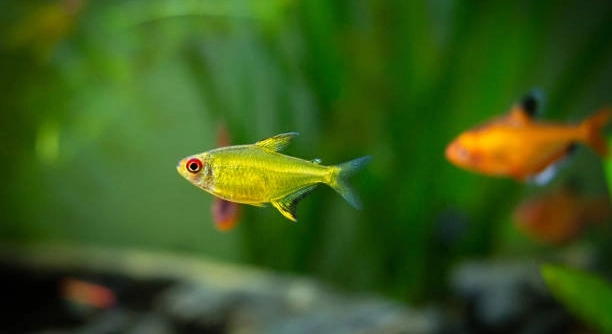
Have you ever wondered how small aquarium fish express themselves through simple actions and how their movements can reveal subtle messages that add charm to a peaceful tank without needing spoken cues or complicated behaviors.
Lemon tetras communicate through coordinated body motions that convey social status, territorial boundaries, and group cohesion. Their posture changes, fin displays, and swimming patterns serve as indicators of behavioral intent, enabling efficient interaction and maintaining stability within their social structure.
As you explore their subtle signals you uncover how these quiet exchanges shape interactions and influence harmony within their habitat.
Understanding Movement Signals
Lemon tetras rely on subtle movements to express needs, maintain order, and support stable interactions within their group. When I watch them glide through the water, I notice how small shifts convey more than random swimming. Their movements often reveal comfort, alertness, or interest in nearby activity. A gentle side flick can show mild tension, while smooth rhythmic motion usually signals calm behavior. These motions help them avoid conflict by letting others know when to approach and when to create space. Over time, these signals become familiar patterns that make the aquarium feel more balanced. Observing these details helps me understand their behavior and respond to their needs. As their patterns grow clearer, caring for them becomes easier, since their actions provide clues about feeding times, comfort levels, and overall stability. Their quiet signals create a steady rhythm that shapes daily life in the tank and strengthens way they interact.
These movement signals form a simple system that helps lemon tetras stay organized without causing unnecessary tension. Each motion serves a clear purpose, allowing them to share space comfortably. Watching these patterns gives valuable insight into how they maintain harmony and react to small changes in their environment each day.
Understanding these signals makes it easier to recognize how different motions fit into their social structure. Some patterns appear when they explore new areas, while others show during feeding or group alignment. I like noticing how they shift positions to maintain steady spacing, since it shows how much they rely on movement for stability. Their communication may be quiet, but it plays a strong role in shaping their behavior. As these patterns become familiar, it becomes easier to support their needs and create a calm space that encourages natural interaction and healthy activity within their simple daily routine inside aquariums.
Group Order and Structure
Movement also helps define group order among lemon tetras by marking boundaries and reducing tension. Simple shifts in direction signal intentions before any conflict arises. These motions guide interactions smoothly, allowing the group to stay calm while adjusting to new conditions or minor disturbances inside their shared space each day.
Social structure in lemon tetras becomes clearer when you pay attention to how they move as a group. Their communication depends heavily on synchronized swimming, gentle shifts, and cooperative spacing. These actions prevent confusion during feeding or exploration, keeping the group from scattering. When one fish changes direction, others respond with small adjustments that keep the group aligned. This coordination helps them conserve energy and avoid unnecessary stress. I notice how their pace changes depending on light, sound, or activity in the room, showing how sensitive they are to small disturbances. Their movements also help identify dominant individuals, since those fish often take the lead while others fall into supportive positions. Understanding these patterns makes it easier to create a calm environment for them, since you can adjust lighting, decorations, or flow to match their natural behavior. Care becomes more intuitive when you recognize the meaning behind their actions, because their movement reveals comfort, curiosity, and awareness. A tank that supports these subtle signals encourages healthier behavior and steady interaction. When their environment feels safe, their movements become smoother and more expressive, reflecting the stability they rely on each day within their peaceful space that fosters steady calm and activity.
Behavioral Influences
Lemon tetras adjust their movements based on subtle changes around them, and these shifts reveal how they react to their surroundings. I notice how small variations in lighting, sound, or water flow can influence their patterns and guide the way they interact with each other.
Their behavior becomes clearer when watching how they respond to minor adjustments in the tank. A gentle increase in brightness often makes them tighten their formation, while softer lighting encourages slower and more relaxed swimming. When the room suddenly gets noisy, they tend to group closer together, creating a sense of safety through unity. I’ve learned that even the placement of plants affects their comfort, since they use cover as a point of orientation while moving. These reactions help me understand their sensitivity to their habitat and how important steady conditions are for their daily behavior.
Feeding times also reveal how flexible their movement patterns can be. They shift quickly into a coordinated rhythm once food enters the water, and this motion helps reduce direct conflict. Instead of competing aggressively, they rely on quick bursts and gentle spacing to keep order as they collect food. I notice that when the current is slightly stronger, their movements become more deliberate, allowing them to navigate it without losing balance. These details show how their communication supports both survival and stability within the tank.
Environmental Adaptations
Environmental changes shape how lemon tetras move, and consistent conditions help them maintain clear patterns throughout the day. When the tank remains stable, their behavior feels predictable, and I can see them moving with more confidence and ease around familiar areas.
Water quality also alters the way they express themselves through motion. When conditions are ideal, their swimming becomes smoother and more controlled, and they respond quickly to small cues from the group. If the water becomes slightly off, I notice tighter clustering or less coordinated motions as they adjust to discomfort. Decorations, plants, and open space all influence how they navigate the tank, giving them places to retreat or areas to align as a group. By paying attention to these reactions, it becomes easier to create a balanced setting that supports their natural behavior. Their movements reflect the quality of their environment, reminding me that even small adjustments can make a meaningful difference in their comfort and overall stability.
Social Responses
Lemon tetras use simple motions to react to each other’s presence, and these reactions help them avoid tension. I often see them shift slightly to create space or tighten their formation when they feel unsure, showing how movement supports their comfort.
Their reactions are subtle but steady, and they rely on these signals to maintain smooth interactions. When one fish speeds up, others follow with gentle adjustments that keep the group aligned. These responses help them move together without confusion and support a calm atmosphere in the tank.
Visual Sensitivity
Their movement also depends on how they respond to visual cues around them. Quick flashes of color, shifting shadows, or reflections on the glass can influence their pace and spacing in noticeable ways. I’ve seen them react instantly to even the smallest visual change. Their eyes help them detect movement from others, guiding their own actions so they can keep order and avoid sudden crowding. This sensitivity makes their communication more effective, since they rely on sight to understand social signals and respond with matching motions that support group harmony.
Internal State Signals
Their movement sometimes reflects their internal state, and small changes in pace can reveal excitement, caution, or calm. Watching these shifts helps me understand what they need and how comfortable they feel within their space.
How do lemon tetras show stress through movement?
Lemon tetras often display subtle changes in swimming patterns when stressed. I notice that they may dart quickly around the tank or stay in tight clusters near plants. These abrupt or repetitive movements signal discomfort or uncertainty. Stress can result from sudden changes in lighting, water temperature, or noise levels. They may also flare their fins slightly or flick their tails more often than usual. Observing these shifts has helped me understand which parts of the tank are more comfortable and which areas might need adjustment. Regular patterns of stress signals usually indicate ongoing issues, such as overcrowding or unstable water conditions, which need attention. Their reactions are gentle but noticeable, allowing me to respond quickly. By adjusting the environment to reduce stress, their movements become smoother and more relaxed, which supports overall health and harmony in the group.
Can lemon tetras communicate during feeding?
Feeding time shows a clear form of movement-based communication. I see them form groups and adjust positions quickly to maintain space while collecting food. They rarely compete aggressively; instead, small nudges, quick turns, and gentle spacing help avoid conflict. These coordinated motions allow each fish to access food efficiently without chaos. Watching this process reveals how much their movements convey intentions and awareness of others. Fast, synchronized swimming indicates excitement, while slower, deliberate movements show cautious or hesitant feeding. Their patterns shift slightly depending on the location of food and the number of fish nearby. Over time, these repeated behaviors create an unspoken rhythm that keeps feeding calm and orderly. By observing closely, it’s easier to predict which fish will move first and how the rest will respond. Their subtle cues make feeding both efficient and stress-free for the group.
Do lemon tetras use fin displays to communicate?
Yes, fins play an important role in their communication. I notice that slight changes in fin positioning signal mood or social intent. For example, a flared dorsal fin often marks dominance or mild agitation, while relaxed fins show calmness. They use these displays when interacting with each other or responding to environmental changes. Fins also help convey direction and spacing, letting nearby fish know when to adjust their own position. In a group, consistent fin movement creates a visual language that helps avoid conflicts. It’s fascinating to watch subtle variations, like a slow twitch in the tail or a minor tilt of the pectoral fins, and interpret their meaning. These movements are small but carry clear signals that help the group maintain order and balance.
How do environmental changes affect their communication?
Changes in light, decorations, or water flow directly influence movement patterns. Lemon tetras adjust their pace, spacing, and formation based on these factors. I’ve seen them tighten their group when light is too bright or scatter slightly when water flow increases. Even minor shifts can alter how they interact. When the environment is consistent, communication is smoother, and I notice fewer sudden movements or abrupt clustering. Plants, rocks, and open space act as reference points for signaling and coordination. They rely on these cues to maintain social structure and avoid confusion. A stable environment encourages calm, predictable patterns that strengthen their nonverbal interactions.
Can lemon tetras signal mood changes to each other?
Movement is their primary way to signal emotional state. Quick dashes or sudden pauses often indicate excitement or alertness. Gentle, smooth swimming reflects contentment. I observe how they adjust positions relative to the group depending on mood, like curling toward each other when uneasy or spreading out when relaxed. Tail flicks, body angles, and speed changes all work together as a subtle language. Over time, these signals help them anticipate each other’s behavior and avoid conflict. Watching closely, I can often tell which fish feels dominant, cautious, or playful, just by noticing how they navigate space and respond to group movement. Their nonverbal communication is constant and informative.
How does group size influence movement communication?
Group size affects both complexity and clarity of their movements. In small groups, I see each fish respond directly to others’ cues, making interaction simple. In larger groups, coordination becomes more important, and small adjustments help maintain alignment. When one fish changes direction, the ripple effect spreads quickly, demonstrating the importance of movement-based signaling. Larger groups also allow for stronger social hierarchies, with dominant individuals guiding movement and spacing. Watching how the group reacts collectively shows that each fish adapts its pace, fin display, and positioning to maintain order. Understanding these dynamics has helped me create spaces that support natural behavior, preventing crowding and encouraging smooth interaction among all members.
Do lemon tetras react to human presence through movement?
Yes, they often respond subtly to my movements near the tank. I notice slight accelerations, pauses, or clustering when I approach. These changes signal alertness and curiosity rather than fear in most cases. They rely on visual cues to assess whether I’m a threat or simply an observer. Over time, they learn patterns of my routine and adjust movements accordingly, showing recognition and anticipation. I’ve found that moving calmly and predictably reduces sudden darting, while abrupt gestures create tighter clustering. Their ability to react this way shows how finely tuned their movement communication is, even with outside influences, making their interactions flexible and responsive.
Can movement patterns indicate health issues?
Abnormal swimming can hint at potential health problems. I’ve noticed that fish moving erratically, floating near the surface, or hiding excessively often signal illness or stress. Sluggish or uncoordinated movements may indicate water quality issues, disease, or nutritional deficiencies. Regular observation of movement patterns helps me detect problems early. Consistent, smooth motion typically reflects good health and comfort. Monitoring these cues allows me to make adjustments to water conditions, diet, and tank setup before issues worsen. Movement serves as an ongoing diagnostic tool, giving insight into both physical and social well-being.
How do lemon tetras coordinate during schooling?
Schooling relies entirely on movement for coordination. I watch as they mirror each other’s pace, direction, and spacing to maintain group cohesion. Quick adjustments in response to neighbors prevent collisions and maintain a uniform formation. Each fish subtly signals its intention with tail flicks, body angle, and fin posture. Even minor speed changes ripple through the group, keeping alignment tight. Coordination also depends on environmental cues like water flow and tank layout, which influence how smoothly the school moves. This constant adjustment demonstrates their ability to communicate nonverbally in real time, creating a balanced and synchronized display. Their schooling behavior is an impressive example of collective communication through simple, consistent movements.
Do lemon tetras respond differently to familiar and new fish?
Introducing new fish alters movement patterns immediately. I observe temporary clustering, cautious spacing, and frequent adjustments as they assess newcomers. Familiar fish communicate through established cues, maintaining stable formations and predictable spacing. New additions require negotiation through subtle motion signals to establish boundaries and social hierarchy. Over time, these patterns normalize as they recognize each other and adapt to group dynamics. Watching this process reveals how flexible their movement communication is and how much it depends on experience and social memory. The interactions are subtle but informative, showing both caution and eventual integration into the existing group structure.
How do lighting changes influence movement?
Lighting affects visibility and comfort, directly shaping movement patterns. Sudden bright light can cause rapid clustering or darting, while dimmer light often encourages slower, more exploratory swimming. I’ve seen how shadows or reflections on the glass create additional cues, altering pace and positioning. Adjusting lighting gradually keeps their movements steady, reducing stress and supporting calm interactions. Lighting acts as both a visual signal and environmental modifier, showing how sensitive lemon tetras are to visual changes. Maintaining consistent, balanced light helps them communicate effectively through motion, keeping group behavior predictable and stable.
Lemon tetras are small but surprisingly expressive fish. Their movements are more than random swimming; they communicate constantly through subtle shifts in speed, direction, and fin position. Over time, I have learned to recognize patterns that indicate mood, comfort, and social interactions. Watching them carefully shows how they rely on motion to convey intentions to each other. Quick bursts of speed often signal excitement or alertness, while slow, steady swimming reflects calmness. Even minor fin adjustments or body tilts carry meaning within their group. These small gestures help maintain harmony in the tank, preventing conflict and supporting clear social structures. It’s fascinating to see how much they can express without sound or obvious gestures, showing that movement alone can be an effective form of communication. Observing these behaviors regularly helps me anticipate their needs and better manage their environment to support healthy interactions.
Environmental factors strongly influence how lemon tetras communicate through movement. I’ve noticed that changes in lighting, water flow, or tank decorations can immediately affect their patterns. When the water is clear and stable, their swimming becomes smoother, and their group coordination feels natural. If water conditions fluctuate or the environment feels crowded, they may cluster together tightly or dart suddenly, signaling discomfort. Plants and hiding spots provide reference points and create safe areas where they can move freely while still staying in contact with the group. Feeding times also highlight their communication, as they adjust spacing and synchronize movements to avoid conflict and collect food efficiently. Their ability to adapt to environmental changes demonstrates flexibility in movement-based communication and underscores the importance of maintaining a stable, well-structured habitat. Watching how they respond to subtle differences in their surroundings provides insight into both their social behavior and their comfort levels, helping me create conditions that encourage natural, stress-free movement.
The social dynamics within a group of lemon tetras are fascinating because movement is central to maintaining order and stability. Dominant fish often guide the group, using subtle fin displays and changes in pace to signal others. Subordinate fish respond by adjusting their position and movement to avoid conflict, creating a smooth flow throughout the tank. Introducing new fish or rearranging decorations temporarily alters movement patterns, but they quickly adapt, showing how much they rely on these cues to navigate social relationships. Observing their schooling behavior also highlights their collective awareness, as they respond to neighbors’ movements with precision to maintain alignment and cohesion. Over time, their communication becomes predictable, making it easier to recognize health, mood, and comfort. Understanding these movement patterns has helped me care for lemon tetras in a way that respects their natural behavior while ensuring the tank environment supports calm, healthy, and balanced interactions every day.

Hello,
If you enjoy the content that we create, please consider saying a "Thank You!" by leaving a tip.
Every little bit helps us continue crafting quality advice that supports the health, happiness, and well-being of pets around the world, for pets of all shapes, sizes, and species.
We really appreciate the kindness and support that you show us!