
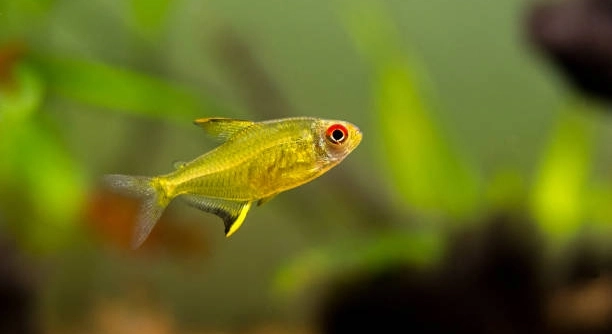
Do your lemon tetras keep nibbling at the decorations in your aquarium? It can be surprising to see them constantly biting at plants or ornaments, leaving tiny marks. Many owners notice this behavior and wonder why it happens.
Lemon tetras nibble on decorations primarily due to curiosity, natural foraging instincts, and exploring their environment. They may also be searching for food particles or testing textures, which is normal behavior that does not usually indicate stress or illness.
Understanding their behavior can help maintain a healthier tank and reduce decoration damage, making your aquarium both enjoyable and safe for your fish.
Reasons Lemon Tetras Nibble Decorations
Lemon tetras often nibble decorations because they are naturally curious and like to explore everything in their tank. They use their mouths to test textures, which is a normal behavior. Sometimes, decorations have small algae or leftover food particles, and the fish may be eating these without you noticing. Young tetras are especially active and will investigate more frequently. Even artificial plants or smooth ornaments get nibbled, as the fish are trying to interact with their environment. Overcrowded tanks or lack of stimulation can increase this behavior, as the fish look for ways to keep themselves busy. Adding live plants, hiding spots, or floating decorations can reduce constant nibbling by giving them more to explore. Observing when and how they nibble can help you identify patterns and adjust the tank environment. This is part of keeping them happy and preventing unnecessary damage to your aquarium.
Keeping a few live plants can greatly reduce nibbling and give tetras more natural stimulation.
Providing varied decorations and proper tank enrichment helps maintain their natural curiosity while keeping them healthier and calmer.
Diet and Feeding Habits
Lemon tetras nibble decorations sometimes because they are hungry or not getting a balanced diet. Small flakes or pellets might not satisfy their foraging instincts.
Ensuring your tetras have a proper diet is essential for reducing decoration nibbling. Feeding a mix of high-quality flakes, frozen foods, and occasional live foods can satisfy their nutritional needs and keep them occupied. Overfeeding should be avoided, as leftover food can spoil and attract more nibbling. The timing of feeding also matters; feeding smaller amounts more frequently can keep them engaged. Nutritional variety, such as including tiny brine shrimp or daphnia, encourages natural hunting behavior without turning to decorations for interest. Additionally, providing plant-based foods, like spirulina flakes, supports digestion and overall health. Observing how they respond to different foods can help you adjust the diet and reduce unnecessary nibbling. A well-fed, stimulated tetra is less likely to damage decorations and will show more vibrant colors and healthier activity levels, making the tank enjoyable for everyone.
Tank Environment and Decoration Choices
Choosing the right decorations can reduce nibbling and keep lemon tetras happier. Smooth ornaments and safe plastics are better than rough or sharp surfaces that can injure them. Live plants also provide natural stimulation and hiding spots, which distract from constant nibbling.
Tetras react to their surroundings, so overcrowded tanks or bare decorations can make them more likely to nibble. Providing a mix of live and artificial plants, along with safe rocks or driftwood, encourages natural exploration without harming the fish. Floating decorations or small hiding spaces give them areas to investigate and feel secure, which lowers stress. The variety in textures also helps mimic their natural environment, satisfying curiosity and keeping them engaged. Regular observation helps identify which decorations attract too much attention and need adjustment. Tank layout changes slowly over time prevent sudden stress and maintain healthier behaviors.
Proper water conditions also impact nibbling. Tetras in stable, clean water are calmer and less likely to chew decorations. Maintaining a balanced environment ensures the fish interact with decorations safely while exploring naturally.
Stress and Behavioral Factors
Stress can increase nibbling behavior in lemon tetras. Sudden changes, aggressive tankmates, or inconsistent feeding may lead to heightened curiosity or anxiety, making them bite decorations more frequently.
Managing stress requires monitoring water temperature, pH levels, and tank size. Tetras need enough swimming space and peaceful companions to reduce tension. Adding plants and hiding spots lowers stress and gives them outlets for exploration without constant nibbling. Even small adjustments, like rearranging decorations or adding gentle lighting, can improve comfort. Observing their behavior daily allows you to notice subtle signs of stress, such as frantic swimming or excessive nibbling, and address them early. Keeping the tank stable and enriched ensures the tetras remain healthy and engaged.
Behavioral enrichment is key. Introducing new textures or floating objects occasionally can satisfy curiosity while reducing repetitive nibbling. Rotating decorations keeps the environment interesting and provides mental stimulation. A calm, enriched tank helps tetras focus on natural behaviors like schooling and foraging, rather than chewing on ornaments. Consistency in care and monitoring social dynamics among fish ensures a balanced, less stressful environment. Over time, a thoughtful tank layout and attentive care can significantly decrease decoration nibbling and enhance overall fish well-being.
Seasonal and Growth Changes
Lemon tetras may nibble more during growth phases. Younger fish are naturally more curious and active, testing everything in their tank.
Changes in seasons or water temperature can also influence behavior. Slight shifts can make them more exploratory and increase nibbling activity temporarily.
Texture Preferences
Tetras often prefer certain textures. Soft or rough surfaces can attract nibbling, while smooth surfaces are less appealing.
Providing a mix of materials, including soft plants and smooth ornaments, satisfies their exploration instincts without causing damage. Observing which items they focus on helps adjust decorations.
Preventing Damage
Reinforcing decorations and using durable materials reduces wear from nibbling. Choosing high-quality plastics or sturdy ceramics ensures longevity.
Observation and Adjustment
Monitoring behavior closely allows for timely changes. Rotating decorations, adding enrichment, or adjusting tank layout can minimize nibbling over time.
FAQ
Why do lemon tetras nibble plants more than decorations?
Lemon tetras often nibble on plants because live plants have textures and small algae that attract them. They may also be searching for food particles caught on leaves. Decorations usually lack these edible elements, so nibbling is less about hunger and more about curiosity or texture testing.
Is nibbling a sign of stress or illness?
Not always. Nibbling is a natural behavior, but excessive biting can indicate stress, poor water conditions, or overcrowding. If they also show signs like faded color, lethargy, or erratic swimming, it could be related to health issues and should be addressed promptly.
Can the type of decoration affect nibbling behavior?
Yes. Rough, porous, or artificial plants are more likely to be nibbled because they mimic textures found in natural environments. Smooth ceramics or plastics are less appealing and can reduce constant biting. Observing which decorations are frequently targeted helps decide what to keep or replace.
Does tank size influence nibbling behavior?
Absolutely. Small or overcrowded tanks increase stress and encourage tetras to explore more aggressively, often nibbling decorations. A spacious tank with proper swimming areas allows natural behavior and decreases repetitive nibbling. Adequate hiding spots also reduce boredom-driven chewing.
How does feeding schedule affect decoration nibbling?
Tetras that are underfed or fed inconsistently often nibble decorations while searching for food. Offering smaller, frequent meals with a mix of flakes, frozen, and live foods can satisfy hunger and reduce this behavior. Overfeeding should be avoided, as leftover food can encourage nibbling anyway.
Do lemon tetras prefer live plants over artificial ones?
Yes, live plants are more appealing because of texture, algae, and natural movement in the water. Artificial plants provide structure but may not fully satisfy their foraging instincts. Combining both types can keep tetras engaged while protecting decorations.
Will decoration nibbling damage the fish?
Usually, nibbling decorations is harmless if the items are smooth and non-toxic. Sharp or rough decorations can injure their mouths or fins. Choosing aquarium-safe materials and observing for injuries ensures safe exploration.
Can introducing more tank enrichment help?
Yes, adding hiding spots, floating objects, or different textures helps satisfy curiosity and reduces repetitive nibbling. Rotating decorations occasionally keeps the environment interesting and prevents tetras from focusing on a single target.
Is it normal for young tetras to nibble more than adults?
Young lemon tetras are naturally more active and curious, so they explore more with their mouths. As they grow, they may nibble less frequently, especially if their tank provides enough stimulation and proper nutrition.
Should I worry if my tetras nibble only certain decorations?
Not necessarily. They often test textures or areas that resemble natural food sources. Observing patterns and ensuring decorations are safe helps prevent damage and keeps nibbling behavior under control without stress to the fish.
Can water quality influence decoration nibbling?
Yes. Poor water quality increases stress and encourages unusual behaviors, including excessive nibbling. Maintaining stable temperature, pH, and cleanliness ensures fish are calm and reduces the likelihood of them biting decorations excessively.
How long does it take for tetras to adjust to new decorations?
Adjustment varies but usually takes a few days to a couple of weeks. Providing a mix of familiar and new items, while monitoring behavior, helps them explore safely and reduces persistent nibbling on specific decorations.
Are there any decorations tetras completely ignore?
Smooth, non-porous items like glass, polished rocks, or certain plastics are less likely to be nibbled. However, curiosity may still lead them to test these occasionally. Offering a mix of textures satisfies exploration without causing damage.
Does lighting affect nibbling behavior?
Indirectly. Tetras are more active under consistent, moderate lighting. Bright or flickering lights can stress them, increasing nibbling, while dim or stable lighting helps calm behavior and allows more natural exploration patterns.
Can other fish influence nibbling?
Yes, tankmates can encourage competition or mimicry. Aggressive or highly active fish may lead tetras to nibble decorations more frequently. Keeping compatible species and observing interactions helps maintain calm and reduces excessive nibbling.
How can I reduce nibbling without removing decorations?
Feeding a varied diet, adding hiding spots, rotating decorations, and providing live plants can satisfy curiosity and reduce repetitive nibbling. Ensuring proper tank conditions and monitoring behavior keeps tetras engaged while keeping decorations safe.
Do lemon tetras ever stop nibbling decorations completely?
Not entirely. Nibbling is a natural behavior, but with proper diet, enrichment, and tank conditions, it becomes minimal and mostly exploratory rather than destructive. They usually focus more on plants and tankmates over time.
What should I do if nibbling damages decorations frequently?
Replace fragile items with sturdier ones, provide live plants or floating structures for exploration, and ensure nutrition and tank space are adequate. Observing patterns helps you anticipate and reduce repeated damage.
Can stress-related nibbling be reversed?
Yes. Stabilizing water conditions, reducing overcrowding, adding hiding spots, and maintaining a consistent feeding schedule can calm tetras and reduce stress-related nibbling over a few days to weeks.
Is nibbling more common in certain seasons?
Yes. Changes in water temperature or daylight can make tetras more active and exploratory. They may nibble decorations more during these periods, but behavior usually stabilizes when conditions normalize.
How can I tell if nibbling is harmful?
Check for injuries on the fish or excessive damage to decorations. Smooth, non-toxic surfaces are generally safe. If nibbling causes wounds or stress, adjustments to tank setup, diet, or enrichment are necessary.
Can adding plants completely stop nibbling?
Plants reduce nibbling by providing natural textures and hiding spots, but they usually don’t eliminate it completely. Tetras will still explore, but live plants help redirect attention away from fragile or artificial decorations.
What is the best combination to minimize nibbling?
A mix of live plants, smooth artificial decorations, hiding spots, and proper feeding usually works best. Rotating items occasionally keeps the environment engaging while minimizing excessive nibbling behavior.
Does age or size affect nibbling patterns?
Yes. Younger tetras nibble more due to curiosity and growth, while adults focus more on foraging and schooling. Tank enrichment and diet can help balance behavior across all ages.
How long should I observe behavior before making changes?
Observing for a week or two provides patterns and helps identify triggers. Gradual changes prevent stress and allow tetras to adjust naturally without increasing nibbling unexpectedly.
Can decoration placement influence nibbling?
Yes. Items near feeding areas or in high-traffic zones are more likely to be nibbled. Spacing decorations strategically and adding hiding spots reduces repetitive chewing and encourages natural exploration patterns.
Does tank size affect nibbling frequency long-term?
Larger, well-structured tanks reduce boredom and stress, which lowers nibbling over time. Small, overcrowded tanks often increase repetitive nibbling and can lead to damage if not addressed.
Are there signs that nibbling is becoming a problem?
Excessive damage to decorations, injuries, or changes in behavior like frantic swimming indicate a problem. Addressing tank conditions, diet, and enrichment can resolve these issues quickly.
Can changing the diet alone stop nibbling?
Diet alone rarely stops nibbling completely. While proper nutrition reduces food-motivated biting, enrichment, safe decorations, and stress reduction are also necessary to minimize behavior effectively.
How often should decorations be replaced or rotated?
Rotating decorations every few weeks keeps tetras engaged and prevents boredom-related nibbling. Replacing fragile items as needed ensures safety and maintains a visually appealing tank.
Does tank lighting schedule influence behavior long-term?
Consistent lighting stabilizes activity patterns. Erratic or harsh lighting can increase stress and nibbling, while a regular schedule encourages calmer, natural exploration and reduces unnecessary biting.
Are there specific textures tetras consistently prefer?
Soft plants, slightly rough surfaces, and items that resemble natural textures attract nibbling. Smooth, hard items are less appealing but can still be explored occasionally. Observing preferences helps guide decoration choices effectively.
Does adding more fish help or worsen nibbling?
Adding compatible species can reduce boredom if they stimulate social behavior. Aggressive or highly active fish may increase nibbling due to competition or mimicry, so careful selection is important.
Can occasional nibbling damage the fish?
If decorations are safe, occasional nibbling is harmless. Problems arise only with sharp, rough, or toxic items. Monitoring surfaces and fish behavior ensures they explore safely.
How do seasonal water changes affect nibbling behavior?
Fluctuations in temperature, pH, or light during seasonal changes can increase activity and curiosity. This may temporarily raise nibbling, but behavior stabilizes when conditions normalize and the fish feel secure.
Should I worry if only one tetra nibbles excessively?
Not always. Some individuals are more curious or active. Ensuring diet, enrichment, and safe decorations can balance behavior without concern for tank-wide issues.
Does nibbling frequency decrease with age?
Yes. Older tetras tend to nibble less as they mature and focus more on schooling and feeding. Proper tank setup supports calmer behavior as they grow.
Can rotating plant types affect nibbling?
Introducing different textures occasionally keeps exploration satisfying and reduces repetitive nibbling. Rotating plants prevents boredom and encourages natural behaviors without harming decorations.
How do I know if decorations are safe?
Use aquarium-safe, non-toxic materials. Avoid sharp edges, porous surfaces that trap bacteria, or painted items that could leach chemicals. Safe materials ensure nibbling doesn’t harm fish.
Is it normal for tetras to nibble decorations even when well-fed?
Yes. Nibbling is partly exploratory. Well-fed tetras still investigate textures and surfaces, but proper enrichment and safe decorations reduce excessive chewing.
Do live plants need special care to prevent nibbling damage?
Some hardy plants withstand nibbling better. Choosing resilient species and placing delicate plants in less-accessible areas protects them while keeping tetras engaged and healthy.
Can overactive nibbling indicate tank imbalance?
Yes. Overactive nibbling often signals stress, poor water quality, or insufficient enrichment. Addressing these factors stabilizes behavior and promotes healthier interaction with decorations.
Does water flow influence nibbling?
Moderate flow encourages natural swimming and reduces boredom-driven nibbling. Stagnant or overly turbulent conditions can increase stress and repetitive biting of decorations.
Are there decorations tetras never nibble?
Highly smooth, polished items are rarely nibbled. However, curiosity may lead them to explore surfaces occasionally, even if they aren’t damaged.
How do I balance curiosity and decoration protection?
Provide a mix of textures, live plants, and safe decorations. Monitor behavior, rotate items, and maintain diet and water quality to satisfy exploration while minimizing damage.
Can nibbling ever be completely stopped?
No. It is a natural behavior, but proper care, enrichment, and safe decorations can reduce it to minimal, harmless exploration.
Lemon tetras are naturally curious fish, and nibbling decorations is a common behavior that comes from their instincts to explore and interact with their environment. While it may seem frustrating to see them biting at ornaments or artificial plants, it is important to remember that this behavior is usually harmless. They are not trying to destroy the tank, but rather satisfying their natural need to investigate textures and surfaces. In many cases, nibbling can also be linked to their search for small food particles or algae, especially if decorations have uneven surfaces or rough textures. Over time, most tetras will focus their attention on specific spots or items, and not all decorations are equally targeted. Understanding their habits allows for better tank management and helps reduce unnecessary worry about minor damage.
Providing the right tank environment is one of the most effective ways to manage nibbling behavior. A well-maintained aquarium with live plants, safe artificial decorations, and plenty of hiding spots allows lemon tetras to explore without causing harm to themselves or the tank. Tank size and layout also play an important role, as crowded or overly bare tanks tend to increase nibbling due to boredom or stress. Adding enrichment, like floating plants or gently textured ornaments, can satisfy curiosity while keeping them active and engaged. Regular monitoring of water quality, temperature, and pH ensures the fish feel secure, which reduces unnecessary stress-related nibbling. Nutrition also affects behavior; feeding a balanced diet that includes a mix of flakes, frozen foods, and occasional live foods can keep their foraging instincts satisfied without turning to decorations as a source of stimulation.
It is also helpful to observe individual fish behavior to identify patterns or triggers for nibbling. Some tetras are naturally more active and inquisitive, while others may nibble less frequently. Adjusting decoration placement, rotating items periodically, and choosing materials that are smooth and safe can prevent injuries and minimize damage over time. Nibbling is a part of their natural behavior, but with careful attention to diet, environment, and enrichment, it can be managed effectively. Ultimately, lemon tetras nibbling decorations is a sign of their curiosity and adaptability, and creating a balanced, stimulating, and safe environment allows them to thrive. This approach not only reduces stress and unwanted nibbling but also supports their health, activity, and well-being in the tank.

Hello,
If you enjoy the content that we create, please consider saying a "Thank You!" by leaving a tip.
Every little bit helps us continue crafting quality advice that supports the health, happiness, and well-being of pets around the world, for pets of all shapes, sizes, and species.
We really appreciate the kindness and support that you show us!