
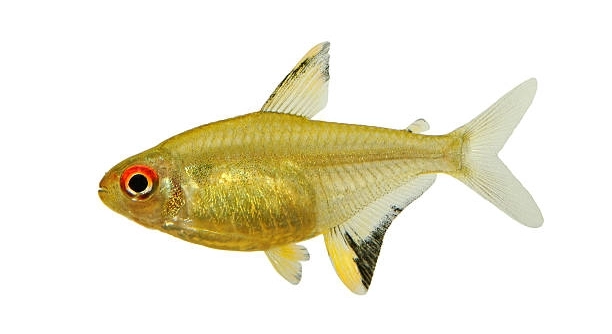
Lemon tetras are small, bright fish that brighten any aquarium. They move gracefully in groups and seem to respond to each other in ways that show they are more aware than they first appear.
Lemon tetras communicate through subtle body movements, color changes, and fin gestures. These signals allow them to establish hierarchy, coordinate schooling, signal stress, and indicate readiness to feed or mate, ensuring survival and social cohesion within their groups.
Observing these tiny behaviors closely reveals a hidden layer of interaction that many aquarists may easily overlook in daily care.
Subtle Fin Flicks
Lemon tetras often communicate through small, quick fin flicks. These movements are easy to miss if you are not watching closely, but they carry important messages. A flick of the tail can signal alertness or caution to nearby fish. Similarly, slight movements of the dorsal or pectoral fins can indicate curiosity or excitement. In group settings, these tiny gestures help coordinate swimming patterns and keep the school together. They also establish a hierarchy without physical conflict. Over time, observing fin flicks can give insight into which fish are dominant or more timid. Even during feeding, subtle fin movements guide others toward food or warn them of potential disturbances. Aquarists who pay attention to these signals may notice changes in behavior, stress levels, or health, which can help in maintaining a balanced tank.
Fin flicks act as nonverbal cues among lemon tetras, promoting cohesion, alertness, and social structure without overt aggression, which is essential for group stability.
Watching how these small gestures shift over time helps you understand interactions and anticipate the reactions of your fish during different situations.
Color Shifts
Color changes in lemon tetras are often brief but meaningful. A slight darkening or brightening can communicate mood, stress, or readiness to mate.
These shifts occur when the fish respond to environmental changes, other fish, or feeding opportunities. Brightening often signals alertness or excitement, while duller tones indicate caution or discomfort. Such signals are particularly important in a crowded aquarium, where visual cues help prevent conflicts. During mating periods, males may display stronger colors to attract females, signaling reproductive readiness. Stress from overcrowding or poor water quality can also trigger sudden color changes, serving as early warnings to aquarists. Understanding these color shifts allows you to respond appropriately, whether adjusting the environment, feeding, or monitoring health. Lemon tetras’ subtle color communication is a key component of their social behavior and overall well-being. Observing these changes daily provides insight into their interactions and helps maintain a peaceful tank.
Color shifts provide valuable information about your fish’s mood and environmental comfort, highlighting their nuanced ways of communicating without sound.
Schooling Movements
Lemon tetras often move in tight, synchronized groups. This behavior helps them stay safe from predators and maintain social order. Coordination is achieved through constant observation of each other’s position and speed. Even small shifts in direction or speed convey important information to the group.
These synchronized movements are essential for their survival in both natural habitats and aquariums. When one fish accelerates or changes direction, others quickly follow, reducing the chance of isolation. Schooling also helps in locating food efficiently, as the group can respond to small visual cues from a single fish. These movements are subtle but consistent, showing the importance of group cohesion. Over time, watching these patterns can reveal the roles individual fish play, such as leaders or followers, and how confident or stressed they may feel in different conditions. It also gives a sense of the natural rhythms that these fish rely on for safety and comfort.
Maintaining proper tank size and minimizing sudden disturbances enhances schooling behavior. A stable environment allows lemon tetras to express their natural coordination fully and reduces stress-related disruptions, keeping the group healthy and engaged.
Bubble Blowing and Mouth Movements
Lemon tetras sometimes blow small bubbles or move their mouths in repetitive patterns. These actions are part of communication, often related to feeding or exploration, and signal intention to nearby fish.
Mouth movements can indicate hunger or interest in food. When multiple fish exhibit this behavior, it often triggers coordinated feeding activity, guiding the school toward the source. Bubble blowing may also appear during interactions, serving as a gentle signal to establish space or avoid conflict. These subtle cues help fish navigate social dynamics without aggressive contact. Understanding these signals can improve tank management, as observing repetitive mouth actions can highlight feeding needs, potential health issues, or changes in mood.
Monitoring these behaviors daily allows aquarists to anticipate interactions and adjust care routines. Attention to mouth movements and bubbles provides insight into social balance, feeding patterns, and overall well-being of the group. Consistent observation ensures lemon tetras remain active, healthy, and communicative, reflecting a stable, stress-free environment.
Eye Contact Signals
Lemon tetras often use eye contact to communicate awareness and intent. A brief glance can signal caution or curiosity toward other fish nearby.
This silent communication helps maintain social order. Fish can assess each other’s mood and intentions without physical contact, reducing conflict.
Tail Positioning
The position of a lemon tetra’s tail conveys subtle messages. A raised tail often indicates alertness or readiness to move, while a lowered tail may signal relaxation or submission. Observing tail positions helps in understanding group dynamics and individual confidence levels within the school.
Head Bobbing
Lemon tetras sometimes bob their heads in short, repeated motions. This behavior often signals interest in food, exploration, or interaction with other fish. Head bobbing serves as a subtle visual cue, coordinating group responses and maintaining social engagement without aggressive behavior.
Side Glances
Side glances among lemon tetras communicate caution or recognition. These quick, sideways looks allow fish to monitor others’ movements discreetly, supporting group cohesion and alertness in their environment.
How do lemon tetras show stress?
Lemon tetras often display subtle changes when stressed. Their colors may dull, and movements can become erratic or hesitant. They may isolate themselves from the school or hide more frequently. Fin positions may also change, such as clamped fins or reduced flicking, signaling discomfort. Stress can be caused by poor water quality, overcrowding, or sudden changes in the environment. Observing these signs early helps in adjusting tank conditions to reduce stress, ensuring the fish remain healthy and maintain normal social behaviors.
Can lemon tetras communicate during feeding?
Yes, lemon tetras use both visual and physical cues to coordinate feeding. Mouth movements and small fin flicks signal the presence of food to others. They often follow a leader who discovers food first, moving together as a group. Subtle head bobs or bursts of speed can indicate excitement or readiness to eat. Watching these behaviors can help aquarists understand their feeding patterns and manage portion sizes, ensuring all fish get adequate nutrition while avoiding competition or stress.
Do lemon tetras use color to communicate?
Lemon tetras rely on slight color changes to convey mood, health, and reproductive readiness. Brightening often signals alertness, excitement, or attraction during mating. Duller tones may indicate stress, discomfort, or submission. These color shifts are subtle and can occur in different lighting conditions. Aquarists who notice sudden or persistent color changes should assess water quality, diet, or social dynamics. Monitoring these shifts allows better understanding of group harmony and helps maintain a peaceful, balanced tank environment.
How can I tell if a lemon tetra is dominant?
Dominant lemon tetras often lead the school during swimming and display more confident behaviors. They may occupy central positions in the group, flick fins more frequently, and show less hesitation when exploring new areas. Subtle gestures like tail positioning or brief chases may also indicate hierarchy. Observing interactions over time helps distinguish leaders from more timid individuals, allowing you to understand social structure and ensure tank conditions support all fish without undue stress.
Why do lemon tetras flick their fins?
Fin flicking is a key communication method. Quick tail or pectoral fin movements signal alertness, caution, or excitement. In group settings, these gestures help coordinate swimming and maintain cohesion. Fin flicks can also indicate intent during feeding or social interactions, reducing conflicts. Watching patterns of fin flicks provides insight into social behavior, stress levels, and general activity within the tank.
Can lemon tetras communicate without moving?
Yes, they use stillness, color shifts, and subtle glances to communicate. Remaining motionless can signal relaxation or submission, while changes in eye focus or body orientation convey caution or attention. These quiet signals help maintain social balance and minimize aggressive encounters, especially in crowded environments. Understanding these silent cues is important for interpreting their behavior accurately.
Do lemon tetras have specific social roles?
Within a school, lemon tetras often develop unspoken roles. Some act as leaders, guiding movement and exploring new areas. Others are followers, relying on visual cues and group coordination. Recognizing these roles helps aquarists understand interactions, prevent stress, and maintain group harmony. Leaders tend to be more confident and show stronger signals, while submissive fish rely on subtle cues to stay integrated.
How do lemon tetras signal mating readiness?
Males display brighter colors and engage in more pronounced fin flicks or swimming patterns to attract females. Subtle body movements and positioning during these displays convey interest and readiness. Females respond with complementary gestures or positioning to indicate receptivity. Observing these behaviors helps understand breeding dynamics and ensures appropriate tank conditions during mating periods.
What should I watch for in group communication?
Group communication relies on constant observation of fin movements, head bobs, color changes, and positioning. Fish coordinate swimming, feeding, and social interactions through these cues. Paying attention to patterns, such as leaders emerging or stress signals appearing, helps maintain a healthy tank. Noticing changes over time allows aquarists to intervene if environmental factors disrupt social harmony.
Can communication prevent conflicts?
Yes, subtle gestures reduce the need for aggression. Tail flicks, side glances, and slight body movements often resolve tension before physical confrontations occur. These communications establish hierarchy, maintain cohesion, and allow the school to function smoothly. Recognizing these behaviors helps in understanding group dynamics and fostering a stable environment.
Lemon tetras are small, vibrant fish, but their behavior is more complex than it seems at first glance. They communicate constantly, using subtle movements, color changes, and body gestures to interact with each other. Even tiny fin flicks or a slight tilt of the body can carry meaning, signaling alertness, curiosity, or social ranking within the group. Observing these small signals can reveal a lot about the mood and health of your fish, helping you understand the dynamics of your aquarium. Many people might assume these behaviors are random, but in reality, they are consistent ways lemon tetras maintain social harmony and ensure safety.
Understanding how lemon tetras communicate also provides insight into their daily needs. For instance, synchronized schooling movements indicate comfort and group cohesion, while sudden color shifts or changes in fin positioning often point to stress or environmental issues. Paying attention to these cues allows you to make adjustments, whether it is improving water quality, providing adequate space, or adjusting feeding routines. Even behaviors like head bobbing, mouth movements, and side glances serve functional purposes, helping the fish coordinate activities, establish hierarchy, or signal readiness to eat or breed. The more closely you observe these behaviors, the easier it becomes to identify patterns and respond appropriately. This awareness can prevent misunderstandings within the school and reduce stress, ultimately contributing to a healthier tank environment.
The subtle communication of lemon tetras shows that even small fish are capable of complex social interactions. By learning to recognize and interpret their gestures, movements, and color changes, aquarists can foster a stable and supportive environment. Regular observation helps maintain group cohesion and ensures that each fish feels secure and understood. Over time, noticing how your lemon tetras interact can deepen your appreciation for their behavior and highlight the importance of subtle, nonverbal communication in aquatic life. This knowledge also encourages responsible care practices, allowing you to anticipate needs, manage conflicts, and support the overall well-being of your fish. Understanding their ways of communicating is not just interesting—it is essential for keeping lemon tetras healthy, active, and thriving in your aquarium.

Hello,
If you enjoy the content that we create, please consider saying a "Thank You!" by leaving a tip.
Every little bit helps us continue crafting quality advice that supports the health, happiness, and well-being of pets around the world, for pets of all shapes, sizes, and species.
We really appreciate the kindness and support that you show us!