
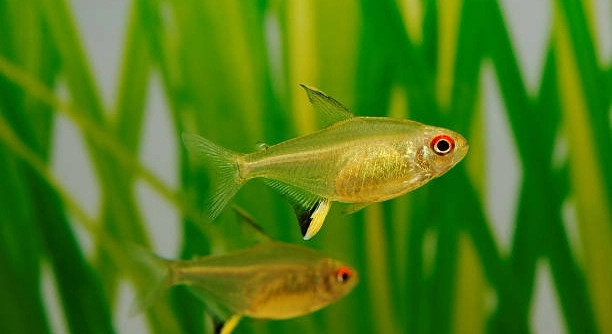
Lemon tetras are small, vibrant fish that brighten up any aquarium. Observing their behavior can be rewarding, as they interact with their surroundings in gentle, often playful ways. Their movements bring a sense of liveliness to the tank environment.
Research indicates that lemon tetras are capable of recognizing familiar features in their tank setup. They use visual cues and spatial memory to navigate, showing consistent patterns of behavior when interacting with known decorations, plants, and tank structures.
Knowing how these fish perceive their environment can enhance their care. This insight allows for a more enriching tank setup that supports their natural behavior.
How Lemon Tetras Learn Their Environment
Lemon tetras explore their tank carefully, often returning to familiar spots around decorations or plants. Over time, they memorize the layout and develop routines, such as where to find shelter or areas with gentle water flow. Observing them, I noticed they respond quickly when something in the tank changes. Even small rearrangements can make them hesitant at first, but they usually adapt within a few days. Their ability to recognize spaces shows a level of spatial awareness that is more advanced than many assume. Providing consistent structures and hiding spots helps them feel secure. By keeping parts of the setup unchanged, these fish develop predictable swimming patterns and interactions. Their social behavior is also linked to how well they know their environment, as they coordinate movements and maintain group cohesion. This recognition contributes to their overall health, reducing stress and encouraging natural behaviors.
They form strong routines that reflect their familiarity with the tank layout. Consistency matters for their comfort.
Focusing on the tank’s structure not only aids navigation but also supports their well-being. When plants, rocks, and decorations are placed thoughtfully, lemon tetras thrive. They use these visual markers to establish territories and find shelter. Over time, repeated swimming paths and preferred hiding spots reveal their memory capabilities. Maintaining a stable environment reduces stress, while sudden changes can trigger anxiety or irregular swimming patterns. Observing how they adjust to new arrangements can provide insights into their learning process. These small fish show curiosity, but also a cautious approach, emphasizing the importance of a stable setup. By paying attention to their behaviors, owners can make informed adjustments that enhance the tank experience. The way they interact with familiar features highlights their intelligence and adaptability, making them more than just decorative additions. Consistent care and attention to detail in the tank layout encourage them to thrive and display their natural behaviors confidently.
Signs Lemon Tetras Recognize Their Tank
Familiar routes and resting spots are clear indicators of recognition. Their behavior changes little in stable environments.
When lemon tetras know their surroundings, they display confident swimming patterns and use familiar areas for hiding or feeding. They remember decorations, plants, and tank boundaries, returning to the same spots consistently. In group settings, they coordinate movements, often following similar paths while exploring. Recognition also reduces stress, which is evident in calmer, more predictable behavior. Fish that are accustomed to their tank adjust quickly to minor changes, like new plants, without panic. Observing these signs over time allows for better understanding of their spatial memory and comfort levels. Consistent lighting, water flow, and decoration placement strengthen their ability to navigate confidently. Their memory is reinforced through repetition, and they form mental maps of the tank layout. Paying attention to these behaviors helps ensure a healthy environment that meets both physical and psychological needs. The more predictable the tank is, the more the fish exhibit natural, relaxed behavior, making them enjoyable to watch and care for daily.
Factors That Affect Recognition
Tank size and decoration placement influence how well lemon tetras recognize their environment. Crowded spaces can cause confusion, while open areas with clear landmarks make navigation easier. Lighting, water clarity, and plant density also affect their ability to memorize surroundings and feel secure.
Consistent tank layouts encourage better spatial memory. Lemon tetras rely on visual cues to navigate, so sudden changes can disrupt their routines. Clear paths and distinct hiding spots allow them to develop predictable swimming patterns. Using plants of varying heights and textures gives them recognizable markers. Water flow should be steady, avoiding strong currents that interfere with normal movement. When these factors are balanced, fish adjust quickly to minor changes. Repeating these conditions strengthens their memory, making their behavior calmer and more natural. Observing how they interact with specific landmarks provides insight into their comfort levels.
Feeding routines also contribute to recognition. Lemon tetras learn where food is typically provided and associate nearby landmarks with safety and nourishment. Predictable schedules reinforce mental mapping, improving overall tank familiarity. Changes in water parameters or decoration placement can disrupt these learned patterns, causing temporary stress. Monitoring their response helps gauge how much they rely on memory versus instinct. Social interactions are tied to environment familiarity as well. Fish move confidently when the tank is consistent, often coordinating with others along familiar routes. Over time, these small behaviors reflect a clear understanding of their surroundings and highlight the importance of stable tank management.
Behavioral Indicators of Recognition
Familiar swimming patterns, resting spots, and coordinated group movement show lemon tetras recognize their tank layout. Calm and confident behavior signals comfort and adaptation.
When lemon tetras know their environment, they explore efficiently and return to preferred hiding spots consistently. They interact with decorations and plants in predictable ways, showing memory of their positions. Recognition is evident in reduced stress behaviors such as frantic swimming or hiding. Fish respond quickly to familiar areas during feeding or social interactions. Repeated observation reveals which spots they consider safe. Their coordination with other tetras depends on shared knowledge of the environment. Disruption of landmarks or sudden changes may temporarily alter their behavior, but they usually adjust with repeated exposure. These patterns indicate strong spatial awareness. Environmental cues, such as lighting and plant placement, reinforce this recognition. Understanding these indicators helps in creating a tank that supports natural behavior, ensuring the fish remain confident and healthy.
Memory and Adaptation
Lemon tetras use memory to navigate their tank confidently. They quickly recognize familiar areas, adjusting to minor changes over time without showing prolonged stress or confusion.
Adaptation depends on repetition and consistency. Gradual adjustments help them learn new layouts while maintaining a sense of safety and routine.
Interaction With Decorations
Decorations act as reference points for lemon tetras. Rocks, plants, and ornaments help them orient themselves and establish safe zones. They often return to the same hiding spots or resting areas, showing they rely on these markers to feel secure. Spatial memory is strengthened through repeated exposure.
Impact of Lighting
Lighting influences how well lemon tetras recognize their tank. Bright or uneven lighting can make them hesitant, while consistent, gentle light allows better navigation and comfort.
Feeding and Recognition
Feeding routines reinforce their memory of the tank. Fish quickly associate specific areas with food, which encourages repeated visits and strengthens their familiarity with surrounding landmarks.
FAQ
How do lemon tetras recognize their tank setup?
Lemon tetras use visual cues and spatial memory to recognize familiar areas in their tank. They notice decorations, plants, and hiding spots, remembering locations over time. Consistent layouts help them develop predictable swimming paths and reduce stress. Repeated exposure strengthens their memory, allowing them to navigate confidently.
Can they adapt if the tank layout changes?
Yes, they can adapt, but gradual changes are best. Sudden rearrangements may cause temporary hesitation or stress. By introducing small changes slowly, such as moving a plant slightly or adding a new decoration, lemon tetras adjust while maintaining confidence in their environment.
Do social interactions affect recognition?
Group behavior is influenced by tank familiarity. Lemon tetras coordinate swimming and resting patterns based on known landmarks. When fish recognize their surroundings, they move confidently in schools, using shared knowledge of safe zones and routes, which supports their natural social structure.
Does lighting impact their ability to recognize the tank?
Lighting plays an important role. Bright or uneven lighting can make fish hesitant or disoriented. Consistent, gentle lighting allows them to see decorations and landmarks clearly, improving navigation and comfort. Changes in lighting should be gradual to prevent stress and maintain recognition.
How do feeding routines help with tank recognition?
Feeding routines reinforce memory of specific areas. Lemon tetras quickly associate certain spots with food and safety, returning to these areas repeatedly. Consistent feeding times and locations strengthen spatial memory, helping them navigate confidently while supporting natural behaviors.
Do lemon tetras remember obstacles or hiding spots?
Yes, they remember obstacles and preferred hiding spots. Rocks, plants, and ornaments serve as landmarks, and fish consistently return to these safe zones. This memory helps them avoid danger, reduces stress, and encourages natural resting and exploration behaviors.
How long does it take for them to recognize a new tank setup?
The time varies depending on tank size, complexity, and consistency. In small, stable tanks, recognition can occur within a few days. Larger tanks or frequent changes require longer periods, as fish gradually memorize landmarks, swimming paths, and safe areas through repeated exposure.
Can stress affect their recognition abilities?
High stress can interfere with memory and behavior. Sudden changes in water parameters, lighting, or decorations may cause hesitation, erratic swimming, or hiding. Maintaining a consistent environment with gradual adjustments helps lemon tetras retain their ability to recognize familiar areas.
Do all lemon tetras in a group recognize the tank the same way?
Individual fish may vary slightly in how quickly they memorize the environment, but social learning occurs. Observing others in the group helps less confident fish navigate safely, reinforcing collective memory of landmarks and familiar swimming routes.
Are decorations or plants more important for recognition?
Both are important, but distinct shapes and textures are especially helpful. Plants provide cover and resting areas, while decorations act as visual markers for orientation. Combining varied elements ensures the tank is both stimulating and navigable, enhancing their comfort and confidence.
Can young lemon tetras recognize their tank as well as adults?
Juveniles are slower to learn compared to adults, but they still develop recognition over time. Repetition, consistency, and stable landmarks help young fish build spatial memory, eventually allowing them to navigate and interact with the tank with confidence.
Does water flow influence their memory of the tank?
Yes, strong or inconsistent water flow can interfere with normal swimming patterns and orientation. Gentle, steady flow allows lemon tetras to move naturally, reinforcing memory of landmarks, hiding spots, and feeding areas without added stress or confusion.
How can I support my lemon tetras’ recognition abilities?
Maintain a consistent layout, use distinct decorations and plants, feed at regular times, and provide gentle lighting and water flow. Gradual changes allow adaptation, while stability encourages natural behaviors and strengthens memory, helping your fish thrive in a familiar environment.
This FAQ covers key aspects of how lemon tetras recognize and interact with their tank, offering practical tips for supporting their comfort and natural behavior.
Lemon tetras are small fish with remarkable abilities to recognize their surroundings. Observing them closely, it becomes clear that they rely on visual cues and memory to navigate their tank. Decorations, plants, and hiding spots serve as reference points, helping them establish familiar routes and safe areas. Over time, they develop routines and patterns of movement, returning to preferred spots for resting, exploring, or feeding. This behavior shows that even small fish can possess spatial awareness and memory skills, which are essential for their comfort and overall well-being. Maintaining a consistent tank layout allows them to feel secure and reduces stress, while sudden changes can disrupt their routine and cause hesitation or anxiety. A well-planned setup with stable features encourages natural behavior and enhances the enjoyment of watching them move confidently through their environment.
Consistency in the tank environment is one of the most important factors for lemon tetras to feel secure. Repeated exposure to the same landmarks helps them remember the positions of plants, rocks, and other decorations. Feeding routines also play a role in reinforcing recognition, as fish associate specific locations with nourishment. Lighting, water flow, and space management contribute to their ability to navigate efficiently. Bright or uneven lighting may make them cautious, while strong water currents can interfere with their natural swimming patterns. Gradual changes to the tank, rather than sudden rearrangements, allow lemon tetras to adapt without prolonged stress. Observing their behavior over time can provide insight into how well they recognize their environment and how certain changes may impact their comfort. Paying attention to these details helps create a healthy habitat that supports their natural instincts and daily routines.
Understanding how lemon tetras interact with their tank provides valuable guidance for creating an environment that meets their needs. Their ability to recognize landmarks and adapt to minor changes highlights the importance of stability, repetition, and thoughtful placement of decorations and plants. Fish that feel secure are more likely to display natural behaviors, including exploring, schooling, and resting in predictable areas. Social dynamics are influenced by tank familiarity, as confident fish coordinate swimming routes and maintain group cohesion. By supporting their memory and recognition abilities, owners can reduce stress and encourage healthy interactions among the fish. Ultimately, careful attention to tank layout, feeding schedules, lighting, and water flow ensures that lemon tetras thrive, demonstrating intelligence and adaptability that can make caring for them both rewarding and enjoyable.

Hello,
If you enjoy the content that we create, please consider saying a "Thank You!" by leaving a tip.
Every little bit helps us continue crafting quality advice that supports the health, happiness, and well-being of pets around the world, for pets of all shapes, sizes, and species.
We really appreciate the kindness and support that you show us!