
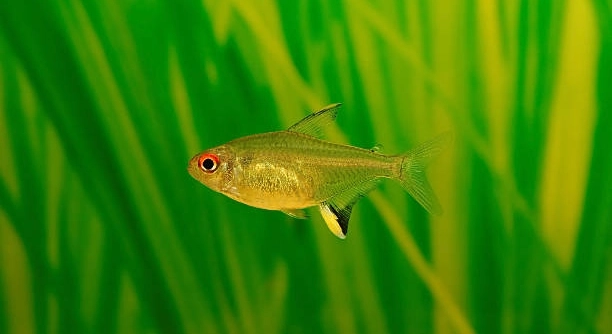
Do you ever find yourself wondering how your lemon tetra might shift their behavior as they settle into their tank and adjust to changing conditions within their environment and social group inside the aquarium today.
Lemon tetra can change their behavior over time due to environmental stability and social dynamics. These shifts often reflect their adaptation to new conditions, allowing the fish to develop patterns shaped by their habitat, diet, and interactions within the group.
These evolving patterns reveal how their environment influences daily activity, helping you understand the rhythm shaping their peaceful community life.
How Behavior Evolves Over Time
Understanding how lemon tetra behavior shifts with time helps create a stable and comfortable space for them. These small fish rely on consistent surroundings, predictable lighting, and gentle interactions within their group. When these elements remain steady, their movements become smoother, their colors brighten, and their confidence grows. Changes in behavior usually appear slowly, shaped by feeding patterns, tank layout, and the presence of peaceful companions. You might notice subtle signs, like tighter schooling, bolder swimming, or calmer responses during daily care. These adjustments often show that the fish feel secure enough to explore and express natural habits. When the environment changes, they adapt at their own pace, responding to new cues with caution or curiosity. By paying attention to their general activity, you gain a clearer sense of how they react to shifts around them. This awareness supports better decisions while keeping their space calm and well balanced daily.
Small changes in behavior often reflect how well the fish adjusts to its surroundings, showing if the tank conditions support steady activity. Observing these shifts offers a clear view of their comfort, helping you maintain a safe space that supports balanced behavior throughout their daily routine in a calm way.
Behavioral changes can also appear when lemon tetra adjust to new plants, lighting shifts, or revised feeding times. These gentle updates influence how they move and interact, shaping patterns that become more noticeable with time. Stability usually encourages brighter colors and smoother schooling, while sudden changes may create brief uncertainty. Giving them time to settle helps their confidence return and supports natural activity. As they grow accustomed to their routine, you may spot small improvements that show they feel at ease. Watching these details gives you helpful insight, making it easier to support their overall comfort and maintain steady harmony.
Environmental Factors Shaping Behavior
Environmental factors strongly influence how lemon tetra behave over time, shaping their comfort and activity. Stable lighting, clean water, and gentle flow keep them relaxed, while sudden shifts may create mild stress. Observing these conditions helps you understand how their surroundings guide their interactions and daily patterns each passing day.
Creating a supportive environment for lemon tetra begins with consistent care that keeps their tank balanced and predictable. These fish rely on clarity, movement, and temperature that stay within safe ranges, allowing them to feel secure enough to behave naturally. When the water quality remains steady, schooling becomes smoother, colors intensify, and their swimming patterns settle into familiar rhythms. Decorations and plants also shape how they interact, giving them shaded places to rest and open areas to explore. Changes in layout, lighting, or filtration can temporarily interrupt their routine, causing small shifts in their responses as they assess new surroundings. Over time, they adjust to these updates, gradually returning to comfortable behavior once they sense stability. Feeding habits further influence their activity, especially when meals arrive at consistent times. Predictable patterns help them recognize when to expect food, reducing anxious movements around the tank. By paying attention to these details, you support the fish in maintaining confidence and calm behavior. Making thoughtful decisions about their care helps ensure that each adjustment strengthens the overall harmony of the tank, helping the fish remain steady and expressive in their interactions. Their stability depends on gentle handling that preserves trust within their group.
Social Dynamics Within the Group
Lemon tetra rely on balanced group interactions to maintain steady behavior. When their group size is appropriate, they move with ease and show smoother schooling. Stress appears when the group becomes too small, making their movements tense or overly reactive during regular activity in their shared space.
Group behavior becomes more predictable when lemon tetra feel secure among companions that interact peacefully. Schooling patterns strengthen as they sense safety, encouraging synchronized movements that help them navigate their space with calm confidence. Changes in group size can shape their comfort, with larger groups offering steady reassurance through shared movement. Introducing new fish may briefly disrupt their routine, leading to scattered swimming while they adjust. Over time, these shifts settle as they recognize familiar patterns. Their social structure supports stability, allowing them to express natural habits shaped by the overall group dynamic rather than individual impulses.
Social hierarchy also shapes how lemon tetra respond to daily conditions. Subtle roles emerge as they swim together, guiding their reactions during feeding or exploration. Most interactions remain gentle, but slight tension can appear when the group rearranges itself. Clear swimming paths, open spaces, and healthy water conditions help limit these moments, allowing them to settle quickly. Balanced lighting and predictable feeding times reduce confusion and encourage peaceful patterns. As they adapt, their schooling becomes more unified, reflecting a sense of stability that grows stronger with consistent care. Paying attention to these small details helps maintain harmony and supports their confidence in the shared environment.
Behavioral Shifts During Feeding
Feeding behavior reveals how secure lemon tetra feel in their environment. When they trust their surroundings, their movements remain smooth as they gather near the food source. If something disrupts their comfort, you may notice quicker, scattered motions that show mild uncertainty or hesitation before they return to normal activity.
Feeding routines influence how lemon tetra behave throughout the day, shaping both their comfort and activity. Predictable timing helps them stay relaxed, reducing frantic movements that appear when they are unsure of when food will arrive. Their responses also shift based on how evenly the food spreads across the tank. When food reaches all areas, they move calmly and avoid competition, allowing the group to maintain steady interactions. Sudden changes, like new food types or feeding in different spots, may briefly unsettle them, but they typically regain balance once patterns stabilize. Watching these moments helps you understand their comfort level and adjust care with ease.
xxxxxxxxxxxxxxxxxxx
Lemon tetra often show subtle changes in behavior when their surroundings shift slightly. These adjustments can reveal how comfortable they feel as they swim, rest, or explore. Watching these reactions helps you notice early signs of stress or reassurance, giving you a clearer sense of their overall stability each day.
Their movements can become calmer when the tank remains steady, allowing them to settle into familiar patterns. Sudden changes may lead to brief restlessness as they assess what feels different. By observing these shifts, you gain helpful insight that supports thoughtful care and keeps their behavior balanced within their shared.
xxxxxxxxxxxxxxxxxxx
Lemon tetra rely on consistent cues around them to stay confident, and even small updates to their space can shape how they respond throughout the day. When plants grow denser or lighting softens, they often swim with smoother patterns that show growing comfort. If the layout changes suddenly, they may pause or scatter briefly before settling again. Giving them time to adjust helps their behavior return to a steady rhythm. Observing these moments provides a clearer sense of how environmental updates influence their ease, allowing you to support gentle balance with careful attention each week for continued calm and comfort.
xxxxxxxxxxxxxxxxxxx
Small behavioral shifts can appear when water parameters fluctuate slightly, showing how sensitive lemon tetra are to their surroundings. Stable conditions keep their movements smooth and predictable, while sudden changes may create short moments of uncertainty that settle once the tank returns to balance and familiar patterns guide their daily.
FAQ
Can lemon tetra change their behavior when introduced to a new tank?
Lemon tetra often adjust their behavior during the first days in a new tank. They may swim cautiously, hide more often, or form tighter groups as they learn the layout and sense their surroundings. As the environment becomes familiar, their movements usually soften and their colors brighten. With stable lighting, clean water, and predictable feeding, they settle into patterns that reflect comfort. This period of adjustment varies, but keeping the tank calm and consistent helps them feel secure enough to return to natural schooling and gentle exploration without unnecessary stress shaping their reactions.
Why do lemon tetra sometimes become more active as they age?
In many cases, increased activity reflects growing confidence as they adapt to their tank. Once they understand their routine and recognize safe areas, they may swim with more freedom and spend more time exploring. Their social interactions also strengthen with familiarity, encouraging more coordinated movement within the group. Some of this activity relates to improved health or stronger colors developing as they mature. When the tank remains stable, these changes appear naturally. If activity levels rise too quickly or seem frantic, checking water conditions helps ensure the environment supports comfortable behavior rather than causing unease.
Can changes in schooling behavior indicate something important?
Schooling is one of the clearest windows into their comfort. When lemon tetra feel safe, they move together with smooth and steady rhythm. If they begin spreading out, clustering tightly, or shifting direction abruptly, something may be influencing their sense of security. These reactions can appear when the group size changes, when the tank becomes too bright, or when sudden movement near the tank startles them. Observing these patterns provides insight into how they feel in their space. Once the cause settles, their schooling usually returns to normal as they regain confidence in their surroundings.
Do lemon tetra respond to changes in lighting?
Lighting plays a quiet but important role in shaping their behavior. Soft and steady lighting often encourages calm swimming, while harsh or inconsistent lighting may create hesitation or scattered movement. Sudden brightness can make them retreat toward plants or shaded areas. When lighting follows a predictable schedule, their daily rhythm stabilizes. They learn when to expect calmer periods and become more relaxed during transitions. Adjusting intensity slowly helps prevent moments of confusion, giving them time to adapt with ease and return to natural patterns without feeling pressured by abrupt changes in their environment.
How do feeding patterns affect their behavior?
Feeding routines strongly influence their movement and confidence. When meals arrive at consistent times, lemon tetra swim with smoother patterns and gather calmly near the surface. If feeding becomes unpredictable, they may show mild restlessness or pacing as they search for food. Providing evenly distributed portions helps reduce competition and supports peaceful interactions within the group. Sudden changes in food type or feeding spots may cause brief hesitations as they adjust, but with regular repetition, their behavior stabilizes again. Observing these moments helps guide feeding habits that keep the group steady and coordinated throughout the day.
What does it mean when lemon tetra hide more than usual?
Increased hiding often shows that something in their environment feels unfamiliar. This shift can appear after a recent water change, new decoration, or sudden noise. Sometimes it reflects temporary sensitivity to lighting or movement around the tank. As stability returns, they usually venture out again and resume gentle schooling. Monitoring water conditions and ensuring they have calm, shaded spaces helps them regain ease. Over time, as they settle into predictable patterns, excessive hiding fades, leaving them more willing to explore and interact normally.
Can lemon tetra react to changes in group size?
Yes, group size influences how secure they feel. When too few fish share the tank, they may become jumpier or more cautious. Larger groups offer reassurance through shared movement, helping them maintain stable behavior. Introducing new fish may briefly disrupt this balance, but once roles settle and schooling becomes synchronized again, comfort returns. Observing these shifts helps you understand how social structure shapes their daily habits.
Final Thoughts
Lemon tetra behavior reflects the conditions they experience each day, and their responses offer a clear view of their comfort and stability. When their tank remains steady, they usually settle into soft, predictable movements that show growing confidence. Watching these details helps you understand how their surroundings shape their routines. Even small changes can influence how they swim, rest, or interact with one another. By taking your time to observe, you gain a better sense of what helps them feel secure. Their behavior becomes easier to interpret when the environment stays calm, giving them space to act naturally. Providing consistency in lighting, feeding, and maintenance supports their steady rhythm. Over time, these patterns show you how well they adapt to their home and how minor adjustments affect them. Their responses can guide your care as you learn what keeps them relaxed and expressive within their group.
Their social interactions also reveal a lot about their comfort. Lemon tetra rely on their group to feel safe, and this connection influences their daily activity. When they trust their surroundings, their schooling becomes smoother, and their colors appear brighter. Disruptions in the group or sudden environmental changes may create moments of uncertainty, but these shifts usually fade as they adapt. Their behavior is shaped by balance, and that balance depends on how predictable their environment feels to them. Feeding routines, water movement, and shaded spaces all contribute to their sense of security. Observing how they react to these details helps you understand their needs more clearly. Over time, their schooling patterns tell a quiet story about how well their group functions and how individual fish respond to changes around them.
Understanding their behavior is not about following complicated rules but about paying attention to subtle cues. Lemon tetra communicate their comfort through their movements, and these movements shift as their space changes. When you keep their tank steady and predictable, you support a calm atmosphere where natural behavior can grow. Their reactions to lighting, layout, and feeding help you shape their environment thoughtfully. Each adjustment you make affects how they settle, and watching these responses helps you guide their care with confidence. In time, you begin to notice patterns that show when they feel secure or when something around them needs gentle correction. Their behavior becomes a tool that helps you maintain a well balanced environment, allowing them to thrive with ease. By staying attentive and patient, you support their long term comfort and create a space where their natural habits remain strong and steady.

Hello,
If you enjoy the content that we create, please consider saying a "Thank You!" by leaving a tip.
Every little bit helps us continue crafting quality advice that supports the health, happiness, and well-being of pets around the world, for pets of all shapes, sizes, and species.
We really appreciate the kindness and support that you show us!