
Write in a simplistic style, 3 paragraphs for the intro of the article: “Why Do Lemon Tetra Start Tail Nipping?”. Make it sound partially friendly. Follow the format mentioned. Do not say: “Picture this” or “Stay tuned” or “Dive” or “Delve”; Use the Format:; Paragraph: 35 words that will be a short intro to the article. (use a simplistic style and a neutral tone, avoid using questions) Examples:; “Do you love baking pies but find yourself wondering how long your pie dough will stay fresh in the fridge?”; “Have you ever wondered how …”; “Do you ever find yourself …“; “Have you ever …” ; “Are your…”; “Is your…”; “Do your brownies sometimes end up too oily, leaving you with a less-than-perfect treat?”; Paragraph: A straight to the point response to the question in the title that is 40 words long (bold this paragraph, use a formal tone, like you are writing a research paper).; Examples: ; “The simplest way to get your pie to brown on the bottom is by baking it on the lowest oven rack. Placing your pie closer to the heat source allows the bottom crust to crisp up and brown evenly and quicker.”; “The main reason your no-knead bread is too wet is due to overproofing. Allowing the dough to rise for too long can cause it to become excessively hydrated and lose its structure”; “Ferrets stare at their owners as a sign of affection and curiosity. This gaze is a way of bonding and showing trust. Additionally, ferrets are naturally curious creatures, and they may be observing you to learn more about their environment.”; “The most common reason why your bundt cake is not cooking in the middle stems from incorrect oven temperature. Ovens can be finicky and inconsistent, leading to uneven baking. A simple way to avoid this problem is to use an oven thermometer.”; Paragraph: 20 words that will make the reader want to keep reading the rest of the article. (use a simplistic style and a neutral tone) (Do not say ”Curious to“, avoid using questions, avoid saying “Delve”); Examples:; “While the tiny trimmings may seem harmless, there is a deeper story behind your guinea pigs barbering adventures.” ; “Leaving pizza dough refrigerated is a common practice for many, however, it is beneficial to know how leaving it out may impact the cooking process.”; “From the art of toppings and the battle of sauces to the influence of ovens, we will uncover the secrets that make each slice unique.”.; “Understanding these factors will not only help you address current issues but also ensure your axolotls long-term health and happiness in its aquatic habitat. Dive in to explore more!”; “So, what can you do to get your axolotl back on track?“; “Your guinea pigs deserve a well-balanced diet, and we are here to guide you through the ins and outs of incorporating eggplant into their munch-worthy repertoire.”; Note: do not exceed the given word count.; Note: pretend you are a woman.
Understanding Lemon Tetra Behavior
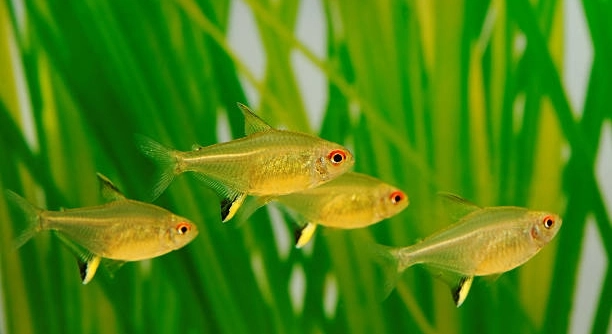
Lemon tetras are small, active fish that thrive in groups. Their movement through the tank can sometimes lead to tail nipping, especially if the environment feels crowded or lacking stimulation. This behavior is common when fish compete for space or swim paths. Providing enough room allows them to swim freely without stress. Bright colors and reflections can also trigger chasing behaviors among these tetras. Stress can increase aggression, making tail nipping more frequent. Water conditions impact their mood; inconsistent temperature or pH shifts may lead to restless swimming. Feeding patterns also play a role, as hunger can heighten irritability and minor aggressive behaviors. Observing interactions closely helps identify if the nipping is occasional or becoming a persistent problem. Small decorations or hiding spots can reduce stress and minimize chasing. Adjusting the tank setup often calms their behavior and promotes a healthier, more peaceful environment overall.
Tail nipping in lemon tetras is often linked to stress, overcrowding, and lack of environmental stimulation. Proper tank management helps reduce this behavior.
Monitoring these patterns ensures your tetras remain active but less aggressive, creating a calmer tank for all inhabitants.
Tank Setup and Social Dynamics
Lemon tetras prefer well-planted tanks with open swimming areas. Adding decorations and hiding spots reduces stress and provides boundaries, lowering the chance of tail nipping.
Proper social groupings are critical. A minimum of six to eight tetras keeps aggression balanced and discourages targeting specific fish. Smaller numbers often lead to more chasing and harassment, as the hierarchy is unsettled. Plants, rocks, and driftwood break lines of sight, giving fish places to retreat and calm down. Overcrowding creates constant tension, so calculating the correct tank size based on adult fish number is important. Water flow should be moderate; too strong currents can cause stress and erratic swimming. Keeping water temperature between 72–78°F and maintaining stable pH reduces stress-related aggression. Feeding multiple small portions throughout the day prevents competition at the surface. Observation helps determine if changes in behavior are due to tank layout or group dynamics. Adjusting decorations, planting density, and feeding routines often reduces tail nipping without isolating any fish.
Adjusting tank layout and monitoring group behavior can prevent tail nipping and promote a balanced, peaceful aquarium.
Diet and Feeding Habits
A poor diet can increase tail nipping among lemon tetras. Providing a balanced mix of flakes, pellets, and occasional live or frozen foods helps reduce aggression. Uneven feeding often causes competition, triggering chasing behaviors.
Ensuring that all fish receive enough food is essential. When only a few dominate mealtime, the others may become stressed, which can lead to tail nipping. Feeding small portions multiple times a day keeps aggression low and prevents overeating. Including protein-rich foods such as brine shrimp or daphnia alongside plant-based flakes supports overall health and energy. A varied diet keeps the tetras occupied and reduces frustration. Observing feeding patterns helps identify which fish are being left out or displaying aggressive behaviors. Adjusting feeding locations, like scattering food across the tank, ensures even distribution and minimizes fights.
In addition to proper feeding, the consistency of diet affects behavior. Sudden changes in food type can trigger irritation or stress in lemon tetras. Gradually introducing new foods allows them to adapt without increasing aggression. Monitoring their reactions to diet changes helps prevent tail nipping from developing into a persistent problem. Providing enrichment through floating or sinking foods encourages natural foraging and keeps energy levels balanced, reducing idle chasing.
Stress and Environmental Factors
Temperature fluctuations or poor water quality can trigger tail nipping in lemon tetras. Maintaining stable conditions helps keep behavior calm and predictable.
Stress increases when tanks are too small, crowded, or poorly decorated. Fish may chase and nip tails when lacking escape routes. Ensuring consistent water temperature, regular filtration, and clean water lowers stress levels. Using live plants or hiding spots gives fish safe spaces, reducing conflicts. Even minor changes, such as moving decorations, can cause temporary tension. Keeping routines predictable and minimizing sudden disturbances creates a calmer environment.
Noise, vibrations, and excessive tank activity also influence tetra behavior. Continuous tapping, bright lights, or frequent tank access can heighten stress, causing tail nipping to increase. Observing daily routines and adjusting tank placement away from high-traffic areas helps. Stable lighting schedules, regular feeding, and consistent water changes reduce unpredictable stressors. Maintaining a proper balance of fish and environmental enrichment ensures that tetras remain active yet less aggressive. Tail nipping often decreases when stress triggers are minimized and the environment supports natural behavior.
Identifying Aggressive Individuals
Some lemon tetras are naturally more active or dominant. These fish often initiate tail nipping, especially in smaller groups. Observing which individuals are repeatedly chasing others can help identify the more aggressive fish.
Separating overly aggressive fish temporarily can reduce stress on the rest of the school. Monitoring interactions and noting patterns allows for adjustments in tank setup or social groupings to minimize conflict.
Tank Size and Space
Smaller tanks often increase tail nipping due to limited swimming space. Lemon tetras need enough room to establish personal territories and avoid constant chasing. A tank of at least 20 gallons for a small school provides adequate space, helping maintain peaceful interactions. Proper spacing between decorations and open swimming areas reduces tension, while too many fish in a confined area heightens stress. Observing how fish move around obstacles and interact in open spaces helps determine if the tank is suitable. Adjusting fish numbers or upgrading tank size can significantly lower aggressive behaviors like tail nipping, promoting a calmer environment.
Monitoring Health
Illness can make lemon tetras more prone to tail nipping. Sick or weak fish may be targeted more often.
Keeping an eye on behavior and physical signs of disease ensures early detection and reduces stress within the school.
FAQ
Why do lemon tetras nip each other’s tails?
Tail nipping is often a response to stress, overcrowding, or competition. When fish feel cramped or insecure, they chase and nip at fins. Aggression can also increase if the tank lacks hiding spots or environmental enrichment. Proper tank setup, consistent feeding, and stable water conditions reduce this behavior.
How many lemon tetras should be kept together?
A small school of six to eight tetras is usually ideal. Fewer fish can increase aggression because the hierarchy is unsettled, while too many can overcrowd the tank. Keeping the right group size ensures balanced social dynamics and reduces tail nipping.
Can diet affect tail nipping?
Yes, insufficient or uneven feeding can lead to competition. Providing a varied diet with flakes, pellets, and occasional live or frozen foods keeps energy levels balanced. Scattering food across the tank ensures all fish eat without fights, which reduces chasing and fin damage.
Do tank decorations help reduce tail nipping?
Decorations, plants, and hiding spots create visual barriers and personal spaces. This allows fish to retreat from dominant individuals and decreases constant chasing. A mix of open swimming areas and covered spaces supports natural behavior and lowers aggression.
Does water quality impact aggression?
Absolutely. Fluctuating temperature, high nitrate levels, or unstable pH stresses fish, making tail nipping more frequent. Regular water changes, proper filtration, and stable parameters help maintain a calm and healthy school. Monitoring water conditions consistently is key.
What should I do if one fish is being targeted?
If a specific fish is repeatedly nipped, consider temporary isolation to reduce stress. Adjusting decorations, adding plants, or increasing tank space can help. Observing group behavior may reveal aggressive patterns, and sometimes reducing the number of dominant fish improves overall peace.
Can tail nipping injure fish seriously?
Yes, repeated nipping can damage fins, making fish susceptible to infection. Minor damage often heals with stable water conditions and minimal stress, but severe injuries may require treatment with aquarium-safe antiseptics or quarantine until recovery.
Does lighting or noise affect behavior?
Bright lights, sudden flashes, or frequent tank tapping can stress lemon tetras, triggering tail nipping. Keeping a predictable lighting schedule and placing the tank away from loud areas reduces unnecessary stress and aggression.
Will upgrading tank size help?
Increasing tank size provides more swimming space and territory for each fish. This reduces competition and aggressive behavior. Observing how tetras interact after a tank upgrade often shows a calmer school with less chasing and tail nipping.
How long does it take for tail nipping to decrease?
Behavior improvements depend on changes in tank conditions, group size, and diet. Minor adjustments can reduce aggression within days, while more complex issues, like social hierarchy or chronic stress, may take weeks to resolve. Regular monitoring ensures lasting improvement.
Are some tetras naturally more aggressive?
Yes, individual temperament varies. Some lemon tetras are more dominant and active. Identifying aggressive individuals allows for targeted solutions, like rearranging decorations or temporary separation, which prevents repeated tail nipping and keeps the group balanced.
Can live plants alone reduce aggression?
Live plants help but are most effective combined with proper tank size, group numbers, and hiding spaces. Plants break sightlines and provide refuge, which reduces stress and tail nipping, but they do not replace the need for balanced social and environmental conditions.
Should I separate nipping fish permanently?
Permanent separation is rarely necessary unless aggression is severe. Most tail nipping resolves when tank conditions, group size, and stress levels are corrected. Temporary isolation can help reset social interactions without long-term separation.
Is tail nipping common in all tetra species?
Tail nipping occurs more in active, schooling tetras. Lemon tetras are prone due to small size and active swimming. Other species may show similar behavior under stress or overcrowding. Understanding natural behavior helps prevent excessive aggression.
Can changing the feeding schedule help?
Yes. Multiple small feedings reduce competition at the surface and prevent dominant fish from monopolizing food. Scattering food ensures all tetras eat comfortably, which decreases frustration-driven tail nipping and promotes calmer behavior.
Does water flow influence aggression?
Strong currents can stress fish and increase chasing behavior. Moderate flow allows natural swimming without fatigue or panic. Observing fish reactions to water movement helps maintain conditions that reduce tail nipping and encourage healthy activity.
Are there signs that tail nipping is becoming serious?
Signs include frayed fins, open wounds, or constant chasing. Fish hiding frequently or showing stress behaviors indicate aggression is harming the group. Immediate adjustments to tank conditions, group size, and diet are necessary to prevent long-term injury.
Can tail nipping stop naturally?
Yes, if environmental and social factors are improved. Stable water, proper schooling numbers, enrichment, and consistent feeding often reduce or eliminate tail nipping over time, allowing lemon tetras to swim calmly and coexist peacefully.
Is it safe to treat the tank chemically for tail nipping?
Chemical treatments are rarely required. Tail nipping is behavioral, not a disease. Focus on reducing stress, improving space, and providing a balanced diet. Only treat for injuries or secondary infections if fins become damaged, not to modify behavior.
What role does temperature play in aggression?
Temperature fluctuations can make lemon tetras restless and irritable. Maintaining a stable range of 72–78°F ensures comfort and reduces chasing. Sudden drops or spikes can trigger tail nipping and stress, so monitoring and adjusting the heater is important.
How can I tell if the tank is too small?
Signs include frequent chasing, repeated tail nipping, and limited swimming paths. Observing fish interactions and ensuring at least 20 gallons for a small school allows adequate space. Overcrowding increases stress and aggression, making a larger tank necessary.
Does adding more tetras help reduce tail nipping?
Adding more fish can balance social dynamics if the school is too small. However, overcrowding leads to stress. The goal is a stable group with six to eight tetras in a well-sized tank, providing both companionship and space to reduce aggression.
How important is routine observation?
Daily observation allows early detection of tail nipping patterns, stress signs, or illness. Adjusting tank conditions, diet, or group interactions promptly prevents problems from escalating and supports a peaceful, healthy environment for lemon tetras.
Can tail nipping affect growth?
Repeated stress and injuries from tail nipping can stunt growth or reduce overall health. Ensuring proper diet, tank conditions, and minimal aggression supports development and maintains a balanced school of tetras.
Is quarantine necessary for new fish?
Quarantine prevents disease introduction and allows observation of temperament. Aggressive or stressed fish can be managed before entering the main tank, reducing the risk of tail nipping and maintaining group harmony.
Do males nip more than females?
Males may show slightly higher aggression, especially during social dominance displays. Observing gender interactions helps determine if aggression is natural hierarchy behavior or a response to stress and environmental factors.
Can environmental enrichment alone stop tail nipping?
Enrichment like plants, rocks, and hiding spaces helps but must be combined with proper group size, diet, and water conditions. Alone, it may reduce minor chasing but does not address underlying stress or social imbalance.
How long should injured fish recover?
Recovery depends on wound severity, water quality, and stress levels. Minor fin damage may heal in a week or two, while more serious injuries need longer. Maintaining optimal conditions speeds healing and prevents infection.
Are there permanent solutions for tail nipping?
Permanent solutions focus on tank size, social balance, diet, and stress reduction. Most cases resolve once these factors are corrected. Occasional minor nipping may persist but is less harmful when the environment supports healthy behavior.
Can reflective surfaces trigger tail nipping?
Yes, reflections in glass or decorations can be mistaken for rivals. Covering reflective areas or adjusting tank layout can reduce chasing and tail nipping, creating a calmer environment for the tetras.
Does tank location matter?
Tetras are sensitive to frequent disturbances. Placing the tank in a quiet area away from vibrations, noise, or high foot traffic reduces stress, which in turn lowers tail nipping and improves overall behavior.
Is fin regrowth possible after tail nipping?
Yes, lemon tetras can regrow damaged fins if stress is reduced and water conditions are stable. Providing clean, stable conditions and minimal aggression allows natural healing and full regrowth over time.
Should I worry about minor tail nipping?
Occasional tail nipping is common and usually harmless. Focus on consistent tank care, diet, and social balance. Only intervene if injuries become severe, persistent, or affect fish health, which signals a larger environmental or social issue.
Can splitting a school temporarily help?
Temporary separation of aggressive individuals can reset social hierarchy. Reintroducing fish after a few days with adjusted tank conditions often reduces tail nipping and restores balance within the group.
Does tank substrate affect behavior?
Substrate has minimal direct impact on tail nipping but can provide comfort if plants or decorations are added. Smooth gravel or sand reduces injury risk and encourages natural swimming and hiding behaviors.
Is temperature cycling ever beneficial?
No, frequent temperature changes stress lemon tetras. Stable, moderate temperatures support calm swimming, reduce stress, and prevent tail nipping. Sudden changes worsen aggression and disrupt social balance.
Can different species in the same tank reduce tail nipping?
Mixing with peaceful species can help disperse attention and reduce dominance behaviors. Avoid aggressive or larger fish, as this may increase stress. Carefully selecting tank mates helps maintain harmony.
What are warning signs of tank-related stress?
Signs include frayed fins, constant hiding, frantic swimming, or tail nipping. Adjusting tank size, water quality, enrichment, and group composition can alleviate stress and restore calm behavior.
Do juvenile tetras nip more than adults?
Juveniles may chase as they establish social order but generally cause minor tail nipping. Adult tetras are more stable, and aggression decreases with maturity and a balanced environment.
How can I prevent tail nipping long-term?
Maintain proper tank size, group numbers, balanced diet, stable water conditions, and enrichment. Consistent observation and adjustments to environment and social dynamics keep lemon tetras calm and reduce tail nipping permanently.
Is tail nipping linked to breeding behavior?
Not typically. While males may display dominance, tail nipping is mostly stress or social-related. Breeding behavior is more focused on courtship rather than aggressive fin damage.
Can disease mimic tail nipping symptoms?
Some infections may fray fins or irritate fish, which can be mistaken for tail nipping. Observing behavior and water conditions helps differentiate between aggression and illness, ensuring appropriate action.
Does tank cover affect aggression?
A secure tank cover reduces external disturbances like jumping or shadows, which can stress tetras and trigger tail nipping. Minimizing sudden visual stimuli supports calmer behavior.
Are certain times of day worse for tail nipping?
Tail nipping may increase during feeding or high activity periods. Maintaining consistent feeding schedules and environmental stability minimizes aggressive bursts during these times.
Can stress from handling worsen tail nipping?
Yes, frequent or rough handling stresses fish. Minimize handling and disturbances to reduce aggression and help maintain a calm, peaceful school.
Do sudden decor changes trigger tail nipping?
Yes, moving decorations or rearranging the tank can temporarily increase chasing. Gradual adjustments allow fish to acclimate and reduce aggression, preventing fin damage.
Is tail nipping more common in newly established tanks?
Yes, social hierarchies take time to form. Initial tail nipping may occur but typically decreases once the group stabilizes and fish become accustomed to the environment.
Can water chemistry adjustments help?
Maintaining stable pH and hardness levels reduces stress-induced aggression. Sudden changes can trigger tail nipping, so gradual adjustments are essential to keep the school calm.
Does overcrowding always lead to tail nipping?
Not always, but it significantly increases the risk. Crowded tanks create stress, limited territories, and competition, which often result in frequent chasing and fin damage. Proper tank size and group management prevent this issue.
Are tail nipping patterns predictable?
Observing daily behavior allows you to recognize triggers such as feeding times, lighting changes, or dominant individuals. Predictable patterns help prevent aggression through environmental adjustments.
Can regular water testing reduce tail nipping?
Yes, ensuring stable parameters like temperature, pH, and nitrates prevents stress, a primary factor in tail nipping. Consistent testing helps maintain a peaceful environment and supports fish health.
Does fin length affect vulnerability?
Longer-finned or weaker fish are more likely targets. Providing hiding spots and balanced group dynamics reduces harassment and protects vulnerable individuals from repeated nipping.
Can tail nipping lead to secondary infections?
Yes, open wounds from nipping can become infected. Maintaining clean water and observing injured fish helps prevent complications, ensuring proper recovery and overall tank health.
Is tail nipping a sign of boredom?
Occasionally, yes. Lack of stimulation can lead to chasing behaviors. Providing enrichment, plants, and space allows natural activity, reducing idle aggression and tail nipping.
How does school hierarchy influence nipping?
Dominant fish often chase subordinates to establish rank. Proper group size and hiding areas reduce constant harassment, allowing the hierarchy to stabilize without excessive tail damage.
Can seasonal changes affect behavior?
Sudden changes in temperature, light, or feeding patterns with the seasons can stress fish, potentially increasing tail nipping. Maintaining consistency minimizes seasonal impact on aggression.
Does water hardness matter?
Stable hardness levels support healthy fish and reduce stress. Extreme changes can trigger restless behavior and tail nipping. Consistent water chemistry is critical for calm interactions.
Can tank mates prevent aggression naturally?
Calm, compatible species may reduce dominance chasing, but overcrowding or incompatible choices can worsen aggression. Careful selection and observation are key to maintaining peace.
Is tail nipping always harmful?
Minor tail nipping is usually cosmetic and harmless. Persistent or severe nipping that causes injury requires intervention through tank adjustments, group management, or temporary separation.
Do tetras remember past conflicts?
Fish have some memory of social interactions, which can influence chasing behavior. Ensuring a stable environment and proper social dynamics reduces repeated aggression over time.
Can artificial lighting reduce stress?
Yes, consistent, moderate lighting supports normal behavior. Flickering or overly bright lights can increase stress and trigger tail nipping. Controlled lighting improves overall tank harmony.
Are there behavioral signs before tail nipping occurs?
Signs include chasing, circling, or sudden darting. Recognizing these behaviors early allows intervention to prevent fin damage and maintain a peaceful tank.
Can frequent water changes cause temporary aggression?
Yes, sudden changes can stress fish and trigger tail nipping. Gradual water adjustments reduce disruption and allow the school to remain calm.
Does age affect aggression?
Younger fish may be more active and chase more often, while adults are generally calmer. Maintaining stable groups allows natural social order to develop, reducing tail nipping.
Can fin rot increase nipping?
Damaged fins attract more attention from dominant fish, worsening aggression. Treating fin rot and stabilizing the environment prevents further tail nipping and supports healing.
Is tail nipping more common in crowded aquascapes?
Dense decorations without adequate swimming space can trigger chasing. Balanced planting with open areas reduces stress and minimizes tail nipping while still providing hiding spots.
How often should I check on aggressive behavior?
Daily observation helps catch tail nipping early. Noting triggers, group dynamics, and environmental changes ensures quick adjustments to prevent injuries and stress.
Can tank vibrations trigger tail nipping?
Yes, vibrations from nearby activities can stress tetras, causing chasing or fin nipping. Placing the tank in a stable, low-traffic area reduces this risk.
Is tail nipping more frequent at night?
Not usually, but sudden lighting changes or disturbances during low-light periods can trigger chasing. A consistent day-night cycle reduces unexpected aggression.
Does diet variety prevent boredom-driven nipping?
Yes, offering flakes, pellets, and occasional live or frozen foods engages fish naturally, reducing idle chasing caused by lack of stimulation and supporting calmer behavior.
Can introducing new fish trigger tail nipping?
Yes, newcomers disrupt hierarchy and may provoke chasing. Quarantining and gradually acclimating new fish helps minimize aggression and prevents injuries during integration.
Does tank depth affect aggression?
Deeper tanks provide vertical space and swimming freedom, reducing constant chasing. Shallow tanks may increase tension and tail nipping due to limited escape routes.
Is tail nipping seasonal in captivity?
Generally, tail nipping is consistent if tank conditions are stable. Seasonal behavior is minor unless feeding, temperature, or light patterns fluctuate significantly.
Can stress hormones from other fish trigger nipping?
Yes, stressed fish release chemicals into the water, which may affect the behavior of others. Maintaining low-stress conditions helps prevent a chain reaction of aggression.
Does pH stability influence aggression?
Stable pH reduces physiological stress. Fluctuations can trigger erratic swimming and chasing, making tail nipping more frequent. Regular monitoring maintains a calm environment.
Are tail nipping patterns predictable by individual fish?
Yes, dominant or highly active tetras often initiate nipping consistently. Identifying these individuals allows targeted adjustments, like hiding spots or temporary separation, to reduce repeated harassment.
Can temperature extremes worsen nipping?
Yes, both low and high temperatures stress tetras, increasing irritability and chasing behavior. Keeping a moderate, stable temperature prevents tail nipping from escalating.
Does feeding location matter?
Scattering food across multiple areas prevents dominant fish from controlling meals. This reduces competition, stress, and tail nipping, ensuring all tetras are fed comfortably.
Can water hardness fluctuations trigger aggression?
Yes, sudden changes in hardness can stress fish and increase chasing. Consistent water parameters support calm behavior and reduce tail nipping.
Is tail nipping more likely in newly established schools?
Yes, social hierarchies are unsettled. Initial tail nipping often decreases once dominance is established and fish adapt to their environment.
Do lemon tetras ever stop tail nipping completely?
With proper tank size, diet, environmental enrichment, and social balance, tail nipping can reduce significantly. Occasional minor nips may persist but usually do not harm the fish.
Can overcrowded filtration areas increase nipping?
Yes, if many fish cluster near a filter or small open space, chasing is more likely. Distributing swimming space evenly reduces aggressive encounters.
Does fin shape affect vulnerability?
Longer or more elaborate fins may attract more nipping. Providing hiding spots and balanced group interactions protects these fish from repeated harassment.
Are stress-related diseases linked to tail nipping?
Yes, stress from frequent chasing can weaken
Final Thoughts
Lemon tetras are small, lively fish that bring movement and color to any tank. Their social nature means they thrive in schools, but this same characteristic can sometimes lead to tail nipping. Understanding the reasons behind this behavior helps create a calm and healthy environment for them. Tail nipping is rarely a sign of illness, but rather a reaction to stress, overcrowding, or competition. By observing their interactions, it is possible to identify patterns of aggression and make adjustments that reduce these behaviors. Watching how fish move, chase, and rest provides insight into their comfort levels and overall tank dynamics. Tail nipping is not always harmful, but repeated attacks can lead to injuries, slower healing, and higher susceptibility to infections. Maintaining awareness of their social interactions is essential for preventing ongoing problems and supporting their natural behavior.
Creating the right environment is one of the most effective ways to reduce tail nipping. Tank size, decorations, and hiding spots play a key role in providing space and security. Lemon tetras need room to swim freely, and obstacles like plants or driftwood give them places to rest and avoid dominant fish. Overcrowding increases stress and often triggers chasing, while too few fish can upset social hierarchies, causing a single tetra to become a repeated target. Water conditions are equally important. Stable temperature, pH, and nitrate levels support calm behavior, and regular cleaning prevents irritation or discomfort that can increase aggression. Feeding routines also influence behavior. A consistent diet with enough variety ensures fish are not stressed by competition at mealtimes. Small, scattered feedings reduce the likelihood of dominant fish monopolizing food, which lowers frustration and tail nipping. Together, proper tank setup, social balance, and environmental consistency form the foundation for a peaceful, healthy tetra community.
Monitoring and adapting to your lemon tetras’ needs is key to long-term success. Aggression often diminishes once environmental and social conditions are optimized. Sometimes temporary adjustments, like isolating overly aggressive fish or rearranging decorations, are necessary to restore balance. Observing daily behavior allows for early intervention before tail nipping becomes severe or injures other fish. Additionally, providing enrichment through varied diet, open swimming areas, and safe retreats encourages natural activity without frustration. Patience is important, as social hierarchies take time to stabilize, and individual temperaments can affect how quickly behavior improves. By maintaining consistent care and attention, tail nipping can be significantly reduced, creating a calm, vibrant tank where lemon tetras thrive. Understanding their needs and making small, thoughtful changes helps prevent stress, protects fish health, and promotes a peaceful aquarium environment for everyone in the school.

Hello,
If you enjoy the content that we create, please consider saying a "Thank You!" by leaving a tip.
Every little bit helps us continue crafting quality advice that supports the health, happiness, and well-being of pets around the world, for pets of all shapes, sizes, and species.
We really appreciate the kindness and support that you show us!