
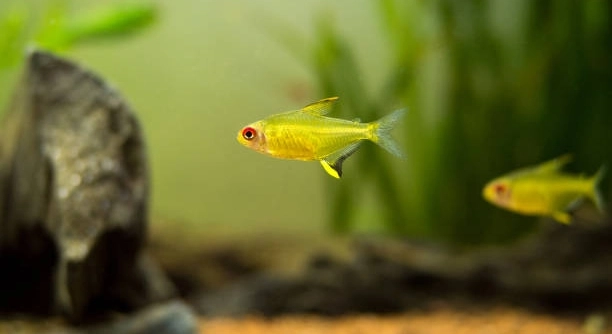
Do your lemon tetras often bump into decorations or tank walls while swimming? This behavior can be alarming at first, especially when your fish seem otherwise healthy and active in their aquarium environment.
Lemon tetras may collide with objects due to poor vision, stress, water quality issues, or underlying health problems. Observing their environment, checking water parameters, and monitoring for illness are essential steps to address this behavior effectively.
Understanding the reasons behind their collisions helps maintain a safe and healthy tank for your fish. Proper care ensures your lemon tetras thrive and stay active.
Common Causes of Lemon Tetras Bumping Into Things
Lemon tetras often bump into objects because of issues with their vision or perception. Poor water clarity, tank decorations placed too closely, or rapid swimming in stress can all contribute. In some cases, age or genetics may affect their eyesight, making them more prone to collisions. Maintaining proper lighting, limiting sudden movements around the tank, and ensuring clean water can significantly reduce these incidents. Some tetras also react to changes in their environment, such as newly added tankmates or rearranged decorations. Monitoring their behavior during these changes is key. Additionally, nutritional deficiencies, especially a lack of vitamins that support eye health, can impact vision. Feeding a balanced diet tailored for small freshwater fish helps keep them active and aware of their surroundings. Recognizing early signs of stress or illness and acting promptly ensures that your lemon tetras remain healthy and avoid repeated collisions.
Keeping the tank spacious and uncluttered allows tetras to swim freely without constant obstacles in their path.
Observing patterns in their movement can indicate whether the issue is environmental or health-related. Adjusting tank layout and diet often resolves minor bumps without medical intervention.
Water Quality and Its Impact
Poor water quality directly affects lemon tetras’ behavior, including collisions. Dirty water can irritate their eyes and stress them, causing erratic swimming.
Maintaining stable water parameters is critical. Regular testing for ammonia, nitrites, nitrates, and pH helps prevent sudden shocks. Performing partial water changes weekly keeps toxins low and reduces stress-related collisions. Temperature fluctuations can also disrupt their swimming patterns. Installing a reliable heater and monitoring daily ensures consistency. Proper filtration removes debris that could impair vision or interfere with swimming. Avoid overfeeding, as leftover food can decay and worsen water quality, leading to eye irritation or sluggishness. Observing your tetras after changes helps identify triggers. If collisions continue despite clean water and good tank setup, it may indicate illness or vision impairment, requiring closer examination or professional advice. Consistent care creates a safe environment where lemon tetras swim naturally, reducing bumps and enhancing their overall health and activity levels.
Stress and Overcrowding
Stress and overcrowding can make lemon tetras swim erratically, often leading to collisions. Too many fish in a small tank or aggressive tankmates can create a tense environment, causing them to dart into objects.
Overcrowded tanks limit swimming space, forcing tetras to navigate tightly packed areas. Stress triggers rapid or erratic movements, increasing the chances of bumping into decorations or tank walls. Ensuring enough space, around one gallon per tetra, and maintaining peaceful tankmates reduces stress. Providing hiding spots and plants helps them feel secure, lowering anxiety-induced collisions. Monitoring their behavior over time can indicate if stress or overcrowding is the cause.
Sudden changes, like rearranging decorations or adding new fish, can increase stress. Gradual introductions and maintaining a calm environment allow tetras to adjust, reducing accidental bumps and promoting natural swimming behavior.
Illness and Health Issues
Illness can impair a lemon tetra’s coordination, making them prone to bumping into things. Eye infections, swim bladder problems, or neurological conditions affect movement and spatial awareness.
Swim bladder disorders can cause fish to float uncontrollably or sink, disrupting swimming patterns. Eye infections reduce vision, making obstacles harder to detect. Early signs include clamped fins, lethargy, or abnormal swimming. Quarantining affected fish and treating promptly helps prevent spread and promotes recovery. A balanced diet rich in vitamins supports immune function and eye health. Observing their daily behavior allows you to identify subtle changes that may indicate health issues before they worsen.
Maintaining stable water conditions, feeding quality food, and avoiding sudden temperature swings minimizes stress and reduces the likelihood of illness. Consistent care ensures tetras stay healthy and navigate their tank safely, lowering the frequency of bumps.
Tank Layout and Decorations
Tight spaces and sharp decorations can cause lemon tetras to bump frequently. Overcrowded tanks reduce swimming room, and sharp objects may injure fish when they collide accidentally.
Positioning plants and ornaments with enough open swimming areas helps tetras move naturally. Rounded decorations and soft plants minimize risk and support safer navigation.
Lighting and Visibility
Bright or flickering lights can disorient lemon tetras. Sudden changes in lighting may cause them to dart and collide with objects or tank walls, affecting their overall comfort and swimming patterns.
Social Behavior
Lemon tetras swim in schools and rely on group coordination. When one fish panics, it can trigger a chain reaction, causing others to bump into objects as they follow its movement.
Feeding Habits
Rapid feeding can make lemon tetras rush and jostle, leading to accidental collisions. Small, controlled portions reduce panic swimming and support calmer behavior in the tank.
FAQ
Why is my lemon tetra suddenly bumping into the glass?
Sudden collisions with the tank walls are often caused by stress, poor water quality, or changes in their environment. Even minor alterations, like moving decorations or adding new fish, can make tetras disoriented. Checking water parameters and ensuring a calm environment usually resolves the issue.
Can poor vision cause lemon tetras to bump into things?
Yes, eye problems or genetic conditions can impair their vision, making it difficult to navigate. Cloudy water, eye infections, or vitamin deficiencies can reduce sight. Providing clear water, balanced nutrition, and observing for signs of infection helps prevent collisions caused by poor vision.
Is overcrowding a factor in this behavior?
Overcrowding limits swimming space and increases stress. Lemon tetras need space to swim freely, usually one gallon per fish. When the tank is crowded, they move quickly to avoid each other, which often leads to accidental collisions with decorations or tank walls.
Can water quality affect swimming behavior?
Absolutely. High ammonia, nitrites, or nitrates can irritate fish and disrupt swimming. Poor water quality stresses lemon tetras, causing erratic movement and collisions. Regular water testing, partial water changes, and proper filtration maintain stable water conditions, reducing stress-related bumping incidents.
Do tank decorations influence collisions?
Yes. Sharp or tightly packed decorations create obstacles. Lemon tetras can injure themselves if they swim too quickly in confined spaces. Using soft plants, rounded ornaments, and leaving open swimming areas allows fish to navigate safely while reducing the chance of bumping.
Can stress from tankmates cause this behavior?
Stress from aggressive or incompatible tankmates often leads to erratic swimming. Lemon tetras are peaceful schooling fish; aggressive fish can cause them to dart suddenly, resulting in collisions. Choosing compatible tankmates and maintaining a calm, stable environment minimizes stress-induced bumping.
Could illness be a reason for bumping?
Yes. Swim bladder disorders, neurological issues, or eye infections can affect movement. Infected or sick fish may collide more often due to impaired coordination. Observing daily behavior, quarantining sick individuals, and seeking treatment helps restore normal swimming patterns and prevents further stress in the tank.
Does lighting affect lemon tetra behavior?
Bright or flickering lights can confuse tetras, especially when sudden changes occur. Disorientation from intense lighting may cause them to dart into decorations or walls. Gradual lighting adjustments and stable light cycles help maintain normal swimming behavior.
Can feeding routines impact collisions?
Feeding too quickly or overfeeding causes excitement and panic swimming. Lemon tetras may bump into each other or obstacles while competing for food. Offering smaller portions slowly reduces frantic movement, ensuring calmer swimming and minimizing accidental collisions.
How can I prevent my lemon tetras from bumping into things?
Maintain clear water, stable parameters, and appropriate tank space. Provide open swimming areas, compatible tankmates, and avoid sudden changes. Monitor fish for signs of illness or stress, feed balanced meals, and adjust lighting. Consistent care creates a safer environment where tetras can swim naturally without frequent collisions.
Is this behavior always a sign of a problem?
Not always. Minor bumps occasionally happen in active, healthy tetras. However, frequent or severe collisions often indicate stress, health issues, or environmental problems. Observing patterns over time helps determine whether intervention is necessary to maintain their well-being.
How long does it take for lemon tetras to adjust to a new tank?
Adjustment varies but generally takes a few days to two weeks. During this period, tetras may bump more often as they explore and learn the layout. Providing hiding spots, stable water conditions, and minimal disturbances helps them settle faster.
When should I consult a professional about my fish?
If collisions are frequent, severe, or accompanied by other symptoms like lethargy, clamped fins, or discoloration, professional advice is recommended. Early intervention prevents worsening health issues and ensures a safe, thriving environment for your lemon tetras.
Lemon tetras are lively and attractive fish, but their occasional bumping into objects can be concerning. This behavior is often a reflection of their environment, health, or social dynamics rather than intentional clumsiness. Observing their movements carefully helps identify the factors contributing to these collisions. Clean water, stable temperatures, and sufficient space play a major role in keeping them comfortable. Even small adjustments, like repositioning decorations or softening sharp edges, can reduce frequent bumps. Balanced nutrition also supports their health and coordination, ensuring they swim with more confidence and awareness. By maintaining these basic care practices, you provide an environment where lemon tetras can thrive and display their natural, active behaviors without constant stress or accidents.
Stress is a common reason for erratic swimming in lemon tetras. Overcrowded tanks, aggressive tankmates, or sudden changes in their surroundings can trigger rapid movements and collisions. Schooling fish rely on group coordination, and when one tetra panics, others often follow, resulting in more frequent bumping. Creating a calm, spacious environment with plenty of hiding spots reduces tension and helps the fish regain their natural rhythm. Regular monitoring of water parameters, combined with gradual changes in tank layout or lighting, ensures that stress levels remain low. Lemon tetras adapt well to stable conditions, and by addressing stress factors early, you can minimize the risk of injury and maintain their overall well-being in the tank.
Health issues can also influence how lemon tetras navigate their environment. Swim bladder problems, eye infections, or neurological conditions affect movement and spatial awareness, making collisions more likely. Recognizing the signs of illness early, such as clamped fins, abnormal swimming, or visible eye cloudiness, is crucial for timely intervention. Quarantining affected fish and seeking proper treatment helps prevent further complications. Maintaining consistent care, including balanced feeding, clean water, and stable tank conditions, supports recovery and prevents future problems. By combining attention to environment, stress management, and health care, lemon tetras are more likely to swim confidently and safely, allowing them to remain active and happy in their tank.

Hello,
If you enjoy the content that we create, please consider saying a "Thank You!" by leaving a tip.
Every little bit helps us continue crafting quality advice that supports the health, happiness, and well-being of pets around the world, for pets of all shapes, sizes, and species.
We really appreciate the kindness and support that you show us!