
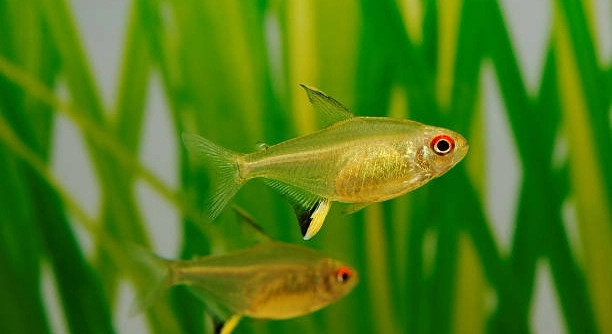
Have you ever noticed your lemon tetra swimming slowly or hiding in corners more than usual? Lethargy can be worrying, especially when your little fish usually dart around the tank with energy and curiosity every day.
Lethargy in lemon tetras often results from factors such as poor water quality, inappropriate temperature, nutritional deficiencies, stress, disease, parasites, or overcrowding. Each of these causes affects the fish’s metabolism, behavior, and overall health, leading to reduced activity levels.
Understanding the reasons behind sluggish behavior can help you create a healthier tank environment for your lemon tetras and prevent future problems from arising.
Poor Water Quality
Water quality is one of the most common reasons lemon tetras become lethargic. Dirty water can quickly stress fish, making them less active and more vulnerable to illness. Ammonia, nitrite, and nitrate levels that are too high can irritate their gills and affect respiration. Even small changes in pH or hardness can create discomfort. Regular water testing is important to ensure that these parameters remain within safe ranges. Frequent partial water changes help maintain a clean environment, while removing uneaten food and debris prevents harmful buildup. Temperature swings also contribute to poor water conditions, so keeping a stable tank temperature is essential. Observing your fish daily can help spot early signs of stress or lethargy. Over time, consistent care in maintaining water quality can improve their activity and overall well-being. Many fish owners underestimate how sensitive lemon tetras are, so careful attention is necessary.
Testing water regularly and performing partial changes can prevent lethargy caused by toxic buildup, ensuring fish remain active and healthy in their aquarium.
Keeping a clean tank is not just about aesthetics. Fish breathe and interact with water constantly, so water quality directly affects metabolism and energy. Dirty water can mask other problems, making it harder to identify illness or stress factors. Maintaining proper filtration and monitoring chemical levels supports the health of all tank inhabitants. Additionally, establishing a routine for cleaning and observation helps catch issues before they worsen. Lemon tetras respond quickly to improved conditions, often regaining normal activity levels within days. A consistent maintenance schedule reduces the risk of sudden lethargy and contributes to long-term vitality. Proper water care also prevents secondary issues like fungal infections or parasitic infestations, which thrive in poor conditions. By understanding how water quality impacts behavior, you can make informed decisions about tank setup and care practices. Healthy water means healthy fish, and lethargy becomes much less frequent.
Inadequate Diet
A poor diet can slow lemon tetras down. Lack of essential nutrients affects energy levels and immune response, leading to sluggish behavior. Feeding a mix of high-quality flakes, pellets, and occasional live food is recommended.
Providing a balanced diet is critical to maintaining energy. Fish require protein, vitamins, and minerals to thrive, and deficiencies often show in lethargy or dull coloration.
To improve diet, include a variety of foods that meet nutritional needs. Rotate between flakes, micro-pellets, and small live or frozen options like daphnia or brine shrimp. Avoid overfeeding, which can harm water quality and contribute to inactivity. Monitor how much your tetras eat and remove uneaten portions promptly. Supplementing with vitamins can also boost energy and resilience, particularly if the fish show signs of fatigue. A consistent feeding routine helps regulate metabolism and supports healthy growth. Observing their response to dietary changes can confirm if lethargy is related to nutrition, allowing timely adjustments. Healthy, well-fed fish are more active and display natural behaviors that indicate comfort and well-being in the aquarium.
Stress from Tankmates
Aggressive or overly active tankmates can stress lemon tetras, causing them to hide or swim sluggishly. Conflicts over territory or food lead to fear and exhaustion, which reduces their energy and overall activity.
Stress affects hormonal balance and immune function in fish, making them more prone to illness. Lemon tetras prefer calm, peaceful companions and plenty of space to swim freely. Crowded conditions increase tension, while constant chasing or nipping can trigger prolonged lethargy. Observing interactions in the tank helps identify problem behaviors early. Removing aggressive fish or providing hiding spots can reduce stress. Adjusting the number of tetras and compatible species improves harmony and encourages natural swimming patterns. Small changes in tank layout, such as adding plants or decorations, can also offer refuge. Maintaining a stable and calm environment supports mental and physical health.
Providing plenty of hiding places and avoiding overly aggressive tankmates encourages activity. Tetras become more confident and display normal behaviors when stress is minimized.
Disease and Infection
Lethargy can signal bacterial, fungal, or parasitic infections. Early detection is key to treatment and preventing spread in the tank. Symptoms often appear alongside discoloration, fin damage, or unusual swimming patterns.
Diseases can be introduced through new fish, plants, or contaminated equipment. Quarantining new additions and maintaining proper water conditions help reduce risk. Medications or salt baths are sometimes necessary, depending on the infection type. Observation of eating habits, breathing, and interaction with tankmates provides clues about the severity of illness. Quick intervention can save affected fish and limit damage to the rest of the aquarium. Keeping a clean, stable environment and monitoring health regularly ensures tetras remain active.
Treating infections promptly is essential, as prolonged illness leads to weakened immune response and persistent lethargy. Early action helps restore energy and supports recovery.
Temperature Fluctuations
Sudden changes in water temperature can make lemon tetras sluggish. They are sensitive to both heat and cold, which disrupts metabolism and causes stress. Maintaining a stable temperature is crucial for their energy and overall health.
Using a reliable heater and thermometer ensures consistency. Rapid shifts can weaken the immune system and make tetras more vulnerable to illness. Even a few degrees difference can affect activity, feeding, and swimming patterns. Consistency keeps them comfortable and reduces lethargy.
Overcrowding
Too many fish in a tank leads to limited swimming space and competition for resources. Overcrowding causes stress, poor water quality, and reduced oxygen levels. Lemon tetras need room to move freely and maintain normal behavior.
Parasites
Parasites can attach to the skin, gills, or internal organs, causing discomfort and fatigue. Lethargy is often one of the first noticeable symptoms. Proper quarantine and treatment are necessary to prevent spread.
Poor Lighting
Inadequate or overly harsh lighting affects activity levels in lemon tetras. Proper lighting mimics natural conditions, supporting normal behavior, feeding, and overall health.
FAQ
Why is my lemon tetra always at the bottom of the tank?
If your lemon tetra spends most of its time at the bottom, it may be stressed, sick, or uncomfortable with water conditions. Low activity can result from poor water quality, temperature changes, or infections. Ensuring clean, stable water and observing for disease symptoms helps identify the cause.
Can diet really affect my tetra’s energy levels?
Yes, nutrition plays a major role in activity. A lack of essential proteins, vitamins, and minerals can leave tetras sluggish. Feeding a variety of high-quality flakes, pellets, and occasional live food ensures balanced nutrition and supports healthy energy levels, growth, and immune function.
How do I know if my tetra is stressed by tankmates?
Signs of stress include hiding, erratic swimming, and avoiding other fish. Aggressive or fast-moving companions can overwhelm tetras. Providing peaceful tankmates, enough swimming space, and hiding spots reduces stress and encourages normal behavior. Monitoring interactions daily is important to prevent prolonged lethargy.
What water parameters are best for lemon tetras?
Lemon tetras thrive in slightly acidic to neutral pH (6.5–7.0) and temperatures between 72–78°F (22–26°C). Ammonia and nitrite should be at zero, while nitrates remain low. Stable conditions support metabolism, energy, and overall health, preventing lethargy and stress-related illnesses.
How often should I change water in my tetra tank?
Performing partial water changes of 20–30% weekly keeps the environment clean and chemical levels safe. Overfeeding or overcrowding increases waste, so regular maintenance prevents toxic buildup, reduces stress, and helps tetras maintain normal activity and energy.
What are common signs of disease in lemon tetras?
Lethargy, clamped fins, discolored scales, labored breathing, and loss of appetite often indicate disease. Early detection allows for timely treatment with medications or salt baths. Observing behavior daily ensures infections are caught before spreading and helps maintain a healthy tank.
Can parasites cause long-term problems for my fish?
Yes, parasites can weaken tetras and make them more susceptible to illness. Symptoms include rubbing against objects, rapid gill movement, and weight loss. Quarantining new fish and treating infestations promptly minimizes risk and restores activity and energy levels.
Does lighting affect my tetra’s behavior?
Proper lighting is important for regulating activity. Too dim or too harsh light can make tetras hide or become sluggish. A balanced day-night cycle simulates natural conditions, encourages normal swimming, and supports feeding habits, making them more lively and responsive.
How can I prevent lethargy in lemon tetras?
Maintaining stable water parameters, a balanced diet, adequate space, calm tankmates, proper lighting, and regular monitoring helps prevent lethargy. Early attention to stress, disease, or parasites keeps tetras healthy and energetic. A consistent routine ensures their environment supports normal behavior.
Is overcrowding really harmful to tetras?
Yes, overcrowding increases competition for food, reduces oxygen, and raises stress levels. Providing sufficient space, hiding spots, and an appropriate number of fish per tank prevents lethargy and supports social harmony, allowing tetras to swim and feed naturally.
How quickly can a lethargic tetra recover?
Recovery depends on the cause. Improving water quality, adjusting temperature, treating disease, or fixing diet issues can restore activity within days to weeks. Prompt identification of the problem and proper care helps tetras regain energy and return to normal behavior.
Are quarantine practices necessary for new fish?
Quarantining new fish for at least two weeks prevents introducing disease or parasites to the main tank. Observing behavior and treating any health issues before adding them protects existing tetras from stress or lethargy caused by infections.
Can stress from environmental changes make tetras inactive?
Yes, sudden changes in temperature, lighting, or tank layout can reduce activity. Gradual adjustments and consistent conditions help tetras adapt, minimizing stress and promoting normal swimming and feeding patterns.
Do lemon tetras need live plants in the tank?
Live plants provide hiding spots, reduce stress, and improve water quality. They make tetras feel secure, encouraging activity. Plants also help maintain chemical balance, supporting energy and overall health, which reduces lethargy caused by environmental discomfort.
What should I do if my tetra refuses to eat?
Loss of appetite often accompanies lethargy. Check water quality, temperature, and tankmates. Offer varied food and small portions. If the problem persists, inspect for disease or parasites. Timely intervention ensures recovery and helps maintain energy levels.
Can I prevent lethargy with supplements?
Vitamins and trace mineral supplements can help if the diet is lacking. Overuse is harmful, so moderation is important. Providing a balanced diet alongside supplements supports immune function, metabolism, and energy, reducing the risk of sluggish behavior.
How do I spot early signs of health problems?
Watch for changes in swimming, breathing, color, or appetite. Early detection allows intervention before lethargy becomes severe. Regular observation and monitoring water conditions help maintain a healthy, active tank environment.
Are some lemon tetras naturally more active than others?
Yes, individual personality affects activity levels. Some tetras are naturally calmer. Observing them in groups and ensuring proper conditions helps distinguish normal behavior from lethargy caused by stress or illness.
How often should I check my tank for issues?
Daily observation is ideal. Monitoring swimming, feeding, and interactions allows early detection of water quality problems, disease, or stress. Prompt action prevents prolonged lethargy and ensures fish remain healthy and active.
Can temperature drops overnight affect activity?
Sudden nighttime temperature drops can slow metabolism. Using a stable heater and avoiding drafts ensures consistent conditions, preventing inactivity and supporting normal feeding and swimming behavior in lemon tetras.
Is it normal for tetras to rest during the day?
Tetras do rest, but prolonged inactivity or hiding can indicate stress, poor water quality, or illness. Short periods of rest are normal, but persistent lethargy requires checking environmental and health factors to restore activity.
Lemon tetras are small, vibrant fish that bring life to any aquarium, but their energy levels are closely tied to the care they receive. Observing lethargy in these fish can be worrying, as it often signals underlying issues that need attention. Factors such as poor water quality, sudden temperature changes, overcrowding, stress from tankmates, inadequate diet, disease, parasites, or improper lighting can all affect their activity. Addressing these issues early is essential to keeping them healthy. Maintaining clean, stable water with consistent temperature and proper pH levels is one of the most effective ways to prevent lethargy. Using reliable testing kits and performing regular partial water changes helps remove harmful toxins and keeps the environment safe. Monitoring the behavior of your tetras daily allows you to notice changes before they become serious problems.
Diet also plays a significant role in the overall well-being of lemon tetras. A balanced feeding routine that includes high-quality flakes, pellets, and occasional live or frozen foods like brine shrimp or daphnia provides the nutrients necessary for energy, growth, and immune function. Overfeeding should be avoided, as leftover food can pollute the water and lead to health problems. Supplements can be used if needed, but they should not replace a well-rounded diet. Additionally, observing how your tetras interact with each other can help identify stress or aggression within the tank. Providing hiding spots, maintaining a peaceful community, and ensuring enough space for swimming helps reduce tension and supports natural behaviors. Stress reduction is just as important as diet and water quality in preventing lethargy.
Proper care involves more than just feeding and cleaning. Regularly checking for signs of disease or parasites, maintaining adequate lighting, and quarantining new fish before introducing them to the main tank are all important preventive measures. Even small adjustments, like adding plants or decorations for hiding and reducing sudden changes in the environment, can significantly impact activity levels. Understanding the needs of lemon tetras and responding quickly to changes in behavior helps maintain a healthy, lively aquarium. Lethargy is often a signal that something is off, and taking consistent, proactive steps ensures these fish remain energetic, colorful, and thriving for a long time. By paying attention to water quality, diet, tankmates, and environmental conditions, you create a stable and supportive home that allows lemon tetras to flourish.

Hello,
If you enjoy the content that we create, please consider saying a "Thank You!" by leaving a tip.
Every little bit helps us continue crafting quality advice that supports the health, happiness, and well-being of pets around the world, for pets of all shapes, sizes, and species.
We really appreciate the kindness and support that you show us!