
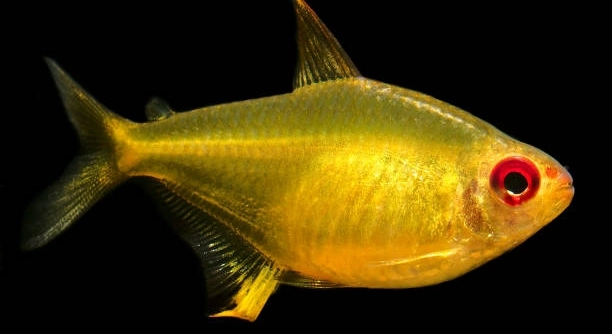
Lemon tetras are a bright and cheerful addition to any aquarium. Their vivid yellow tones can truly enhance a tank, yet maintaining that color can sometimes feel challenging, even with proper care and a balanced environment.
Enhancing the coloration of lemon tetras involves a combination of diet, lighting, water quality, and habitat management. Providing nutrient-rich foods, stable water parameters, and appropriate tank companions helps the fish display their natural, vibrant yellow pigmentation consistently.
Knowing how small adjustments can make a noticeable difference in your fish’s appearance will help you keep them healthy and radiant over time.
Feed a High-Quality Diet
A high-quality diet is essential for enhancing lemon tetra color. Foods rich in carotenoids, like spirulina flakes, brine shrimp, and daphnia, naturally intensify yellow pigmentation. Feeding a varied diet prevents nutrient deficiencies that can dull coloration. Frozen or live foods also encourage natural behavior and improve overall health. Avoid overfeeding, as uneaten food can pollute the water, affecting both fish health and color vibrancy. Supplementing with color-enhancing flakes a few times a week ensures your lemon tetras get the nutrients they need without overloading the tank with unnecessary additives. Consistency in feeding times also reduces stress, which can impact their appearance. Rotating food types helps mimic natural feeding patterns, keeping the fish active and engaged. Remember that dietary changes can take several weeks to show visible improvements, so patience is important. Maintaining clean water alongside a nutrient-rich diet ensures your fish can truly display their best colors.
A varied, nutrient-rich diet strengthens lemon tetras and supports their natural yellow pigmentation. Consistency is key.
Providing high-quality food is just one piece of the puzzle. Proper portions, feeding schedules, and supplementing with live or frozen foods create the best environment for vibrant coloration. Over time, these adjustments lead to healthier, more active fish that naturally display brighter yellow tones. Monitoring fish behavior during feeding also helps identify any dietary gaps. Combining high-quality nutrition with stable water conditions maximizes the effect, ensuring that color enhancement is sustainable. By balancing variety and consistency, lemon tetras remain healthy and visually striking, making the tank more lively and visually appealing. Regular observation and minor adjustments to feeding routines ensure that all individuals in the tank maintain their optimal color.
Maintain Optimal Water Quality
Stable water conditions are critical for lemon tetra health and color. Maintaining proper temperature, pH, and hardness reduces stress, which can cause dull coloration.
Clean water supports healthy skin and scales, allowing pigments to show clearly. Frequent partial water changes prevent waste buildup.
Ensuring consistent water parameters helps lemon tetras display their natural yellow tones. Using a reliable filter, performing regular water testing, and avoiding sudden changes all contribute to maintaining vibrant coloration. Even minor fluctuations in temperature or chemical balance can make the fish appear faded. Aeration and gentle currents support proper oxygenation, enhancing overall vitality. Additionally, removing uneaten food and debris reduces ammonia spikes that may impact fish health. Combining excellent water quality with a balanced diet creates the ideal conditions for color enhancement. Observing fish daily allows early detection of stress or disease, ensuring quick corrective action. By prioritizing water stability, your lemon tetras remain healthy, active, and visually striking, showing their natural brightness consistently.
Provide Proper Lighting
Adequate lighting enhances lemon tetra coloration by highlighting their natural yellow pigments. LED lights with a daylight spectrum are ideal. Avoid overly bright or dim conditions, as extreme lighting can stress the fish and dull their colors.
Consistent, balanced lighting supports both plant growth and fish health. Lemon tetras display their brightest yellow tones under moderate illumination that mimics natural daylight cycles. Too much light can cause stress, leading to faded colors and lethargy. Conversely, insufficient light prevents pigment development and makes the tank look dull. A timer can help maintain a consistent day-night cycle, ensuring that lighting is stable and predictable. Adjusting the light intensity based on tank size and decoration placement also improves visual clarity, making colors appear more vibrant.
Light placement and timing influence how fish display color throughout the day. Shaded areas allow lemon tetras to rest, while illuminated regions highlight their natural hues. Alternating periods of light and darkness reduce stress and encourage natural behavior. Proper lighting enhances the overall appearance of the tank, making the yellow pigments more noticeable. Maintaining a consistent lighting schedule ensures long-term color vibrancy and supports healthy fish activity patterns, reinforcing their natural beauty.
Include Live Plants
Live plants contribute to stable water conditions, providing oxygen and natural hiding spots that reduce stress. They complement the tank’s visual appeal and highlight lemon tetra colors.
Plants help maintain chemical balance, absorbing nitrates and preventing harmful spikes. They also offer shaded areas, reducing stress and allowing fish to show their brightest tones. Choosing hardy species like Java fern or Anubias ensures low maintenance and consistent benefits.
A planted tank encourages natural behavior, making lemon tetras more active and confident. Active fish display stronger coloration than stressed, inactive ones. Plants create depth and contrast, making yellow pigments stand out against green foliage. Integrating plants with open swimming areas ensures fish can move freely while still benefiting from cover. Additionally, live plants support beneficial bacteria, improving overall water quality. Regular trimming prevents overgrowth and maintains aesthetics, while adding new plants gradually ensures the environment remains stable. This combination of plants and activity maximizes color vibrancy naturally.
Keep a Stable Temperature
Maintaining a consistent temperature between 72°F and 78°F helps lemon tetras stay healthy and display bright colors. Sudden fluctuations cause stress, which can lead to faded pigmentation and lowered activity levels.
Using a reliable heater and thermometer ensures the water remains steady. Avoid placing the tank near drafts or direct sunlight, which can cause rapid changes.
Avoid Overcrowding
Too many fish in the tank increases stress and competition for food. Overcrowding reduces the intensity of lemon tetra coloration and can harm overall health. Maintaining an appropriate stocking density ensures each fish has space to swim and show its natural hues.
Use Gentle Filtration
A gentle filter keeps water clean without creating strong currents that stress lemon tetras. Stress-free fish display their brightest yellow pigments.
Select Compatible Tank Mates
Peaceful species help maintain a calm environment. Aggressive or fin-nipping fish cause stress, which can dull the color of lemon tetras.
FAQ
How often should I feed my lemon tetras to enhance color?
Feeding small portions two to three times a day is ideal. Overfeeding can pollute the water and reduce color vibrancy. Include a mix of high-quality flakes, frozen foods, and occasional live foods to provide carotenoids that naturally boost yellow pigmentation. Rotating food types helps ensure all nutritional needs are met.
Can water parameters really affect lemon tetra color?
Yes, stable water conditions are crucial. Sudden changes in temperature, pH, or hardness can stress the fish and dull their color. Maintaining a temperature between 72°F and 78°F, a pH around 6.5–7.5, and moderate hardness promotes optimal coloration and overall health. Regular testing is recommended to catch issues early.
Do lemon tetras need live plants to show their brightest color?
While not strictly necessary, live plants improve water quality, provide hiding spots, and reduce stress, all of which help fish display natural color. Hardy species like Anubias or Java fern are low maintenance and create contrast that makes yellow tones stand out. Plants also encourage natural swimming behavior.
How does lighting influence their color?
Proper lighting highlights pigmentation. LED lights with a daylight spectrum are best, avoiding overly bright or dim conditions. Maintaining a regular day-night cycle using a timer reduces stress, encourages activity, and enhances the visual impact of yellow pigments throughout the day.
Can tank mates impact color intensity?
Yes, aggressive or overly active species stress lemon tetras and can make them appear dull. Peaceful fish that occupy different tank levels reduce competition for food and allow tetras to swim freely, which supports their natural coloration. Avoid fin-nippers or territorial fish.
Is water cleanliness important for color enhancement?
Absolutely. Ammonia, nitrites, and nitrates affect fish health and pigment intensity. Frequent partial water changes, proper filtration, and removing uneaten food prevent harmful buildup. Cleaner water allows pigments to show clearly and supports overall vitality.
Will supplements improve lemon tetra color?
Color-enhancing flakes and foods containing natural carotenoids help intensify yellow tones. Occasional supplementation with live or frozen foods boosts pigmentation naturally. Consistent diet management, combined with proper water conditions and lighting, ensures the effects are visible and sustainable.
How long does it take to see color improvement?
Visible changes usually take a few weeks. Consistency in feeding, water quality, and lighting is key. Sudden changes may not show immediate results, so patience is necessary. Gradual improvements indicate fish health is stable, and color will continue to intensify over time.
Does stress affect coloration?
Stress is a major factor in dull colors. Overcrowding, poor water quality, incompatible tank mates, and sudden environmental changes can all contribute. Reducing stress through proper tank size, peaceful companions, and hiding spots helps fish retain and enhance their natural yellow pigmentation.
Are there any natural behaviors that influence color?
Active, healthy fish display brighter colors. Swimming freely, exploring, and interacting within their environment all support overall well-being and pigment expression. Providing open swimming areas along with shaded and planted zones encourages natural behavior and enhances visual appearance.
Can seasonal changes affect their color?
Seasonal changes in temperature or lighting can influence pigmentation. Keeping consistent aquarium conditions minimizes these effects. Adjusting artificial lighting to mimic a stable day-night cycle ensures color remains consistent year-round.
What should I avoid to maintain bright yellow coloration?
Avoid sudden water changes, overcrowding, aggressive tank mates, and inconsistent feeding. Overuse of artificial additives or excessive light can also stress fish. Maintaining a stable, well-balanced environment is the most reliable way to keep lemon tetras vibrant and healthy.
Are there signs that indicate color fading is a health issue?
Yes, pale coloration accompanied by lethargy, loss of appetite, or abnormal swimming may indicate illness or poor water conditions. Early detection allows prompt corrective action, whether adjusting diet, water parameters, or treating potential diseases, ensuring fish recover and regain their bright color.
Does tank size matter for color intensity?
A properly sized tank provides adequate space to swim and reduces stress, which supports vibrant pigmentation. Crowded tanks can lead to competition, stress, and faded colors. For a small group of lemon tetras, a 20-gallon tank or larger is recommended to maintain optimal conditions and display natural behavior.
Can gradual changes in water parameters help?
Yes, gradual adjustments reduce stress. Sudden shifts in pH, hardness, or temperature can cause temporary color loss. Slowly bringing parameters into the ideal range ensures fish adapt without impacting their appearance or health, supporting long-term vibrancy.
Lemon tetras are small but striking fish that can bring life and brightness to any freshwater aquarium. Their natural yellow pigmentation is one of their most appealing features, but maintaining it requires careful attention to their environment, diet, and overall care. Bright, vibrant colors are often a sign of healthy fish, while faded tones can indicate stress, poor water quality, or dietary deficiencies. Ensuring that lemon tetras display their best coloration involves combining several simple practices that support their health and well-being. A balanced diet, consistent water parameters, proper lighting, and peaceful tank mates all work together to enhance natural pigmentation. Each adjustment, no matter how small, contributes to a more stable and supportive environment, allowing the fish to thrive and show their true colors over time. Consistency is key, as sudden changes in any aspect of their care can reduce color intensity or create unnecessary stress.
Feeding a varied diet rich in natural pigments plays a central role in maintaining bright yellow tones. High-quality flakes, frozen foods, and occasional live feedings provide the nutrients necessary for vibrant coloration. Carotenoid-rich foods are particularly beneficial for enhancing yellow pigments. However, feeding alone is not enough if water conditions are inconsistent or the fish are stressed by overcrowding or incompatible tank mates. Clean, stable water with proper temperature, pH, and hardness creates an environment where pigment expression can flourish. Gentle filtration and regular water changes help remove excess waste and prevent harmful chemical buildup that could affect the fish’s appearance. By combining careful feeding practices with consistent water management, lemon tetras are able to retain their natural vibrancy while staying healthy and active.
Other factors such as lighting, tank structure, and stress reduction also contribute significantly to the fish’s coloration. Appropriate lighting highlights natural pigments without causing stress, while live plants provide hiding spaces and improve overall water quality. Maintaining a calm environment with peaceful tank mates reduces anxiety and allows the fish to swim freely, showing their colors at their best. Gradual improvements in color should be expected rather than instant results, as healthy pigmentation develops over time with consistent care. Observing fish behavior and adjusting care routines as needed ensures that lemon tetras continue to thrive and maintain their striking appearance. By addressing all these factors together, caretakers can create a balanced, healthy aquarium environment that supports both the physical well-being and the visual vibrancy of lemon tetras.

Hello,
If you enjoy the content that we create, please consider saying a "Thank You!" by leaving a tip.
Every little bit helps us continue crafting quality advice that supports the health, happiness, and well-being of pets around the world, for pets of all shapes, sizes, and species.
We really appreciate the kindness and support that you show us!