
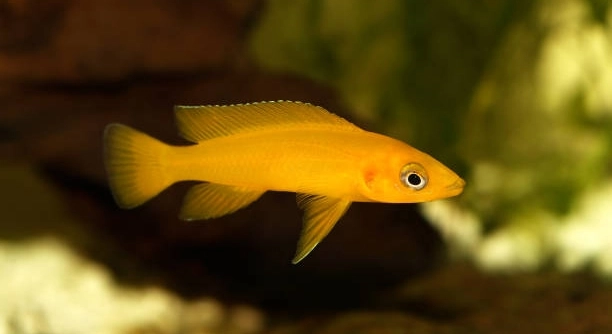
Do you ever notice your Lemon Tetra swimming alone in the tank and wonder how it feels without companions nearby? These small, vibrant fish are social by nature and often show behaviors influenced by their environment and peers.
Lemon Tetras can experience stress and signs of depression when kept in isolation. Social interaction is essential for their mental and physical well-being, as solitary conditions can lead to lethargy, loss of appetite, and reduced activity.
Understanding the effects of loneliness on these fish helps ensure they thrive in home aquariums. Observing their behavior closely can guide proper care and improve their overall quality of life.
Understanding Lemon Tetra Social Needs
Lemon Tetras are naturally schooling fish, which means they feel most comfortable in groups. When kept alone, they can display unusual behaviors like hiding, staying still at the bottom, or swimming erratically. Observing these signs early is important because isolation can affect their health over time. Tank size, water quality, and lighting all play roles in how well a single tetra copes, but companionship is a primary factor. Grouping them with at least five or six others of similar size often helps reduce stress. Even small changes, like rearranging tank decorations or adding floating plants, can provide some mental stimulation. However, these adjustments cannot fully replace the benefits of having other tetras nearby. Keeping them together allows natural schooling behavior, which is important for confidence and reducing fear. Ignoring their social needs may lead to long-term behavioral issues and even reduce their lifespan, highlighting the importance of thoughtful aquarium planning.
Social interaction greatly impacts a Lemon Tetra’s overall health and mood.
Watching them interact in a proper school is rewarding. Their synchronized movements and gentle presence create a balanced environment. Each fish reacts to subtle cues from others, which stimulates natural instincts and reduces anxiety. Even small groups display complex social behavior, including chasing, hiding, and resting together. Observing these interactions allows you to notice changes in mood or activity. If a tetra becomes withdrawn, it may indicate stress, illness, or environmental issues. Ensuring enough companions, providing hiding spots, and maintaining clean water all support their social health. Consistency in tank conditions reinforces security, making the fish more active and confident. A well-arranged tank encourages natural movement and reduces aggressive tendencies. Lighting schedules and feeding routines also affect their behavior. Even minor disruptions can trigger stress responses, showing how sensitive Lemon Tetras are to their surroundings. Paying attention to these details ensures that the tank remains a supportive space.
Signs of Stress and Loneliness
Lemon Tetras often show stress through unusual swimming patterns and loss of appetite.
Common signs include sluggishness, hiding, and a faded color palette. When alone, they may stay near the tank edges or refuse to eat, signaling mental distress. Noticing these patterns early is key to intervention.
Prolonged isolation can affect both physical and emotional health. Stress weakens the immune system, making fish more susceptible to diseases. Their natural schooling instincts are suppressed, which can lead to erratic movements or panic when exposed to sudden changes. Even when food is plentiful, a lonely tetra may not feed properly, further affecting health. Behavior changes often indicate that social interaction is missing, and these signals should not be ignored. Introducing compatible tetras gradually and monitoring water parameters helps them adjust smoothly. Environmental enrichment, like plants and decorations, provides some comfort, but it cannot fully replace the presence of other fish. Understanding these signs allows owners to make informed choices about tank setup and social needs, ensuring Lemon Tetras remain active, healthy, and visually vibrant in their environment.
Preventing Loneliness in Lemon Tetras
Keeping Lemon Tetras in small groups helps reduce stress and promotes natural behavior. Ensuring at least five or six tetras in the same tank provides a sense of security. Small environmental changes alone cannot replace the need for companions.
Providing a suitable group size is the most effective way to prevent loneliness. Adding plants, hiding spots, and decorations can enrich the tank, but these features only support social interaction rather than replace it. Observing the group daily allows owners to notice any fish that may be withdrawn or stressed. Adjusting water conditions, feeding schedules, and tank layout helps maintain a healthy environment. Gradual introductions of new tetras reduce aggression and encourage schooling. Consistency is essential because sudden changes in the group or environment can trigger stress. By prioritizing both social interaction and environmental stability, Lemon Tetras thrive and display natural, vibrant behaviors.
Monitoring behavior is key when introducing tetras to a new group. Some fish take longer to adjust and may hide initially. Keeping the water clean and maintaining temperature and pH within optimal ranges ensures stress is minimized. Overcrowding should be avoided, as it can create competition for space and food, worsening the fish’s well-being. Feeding smaller portions more frequently helps maintain calm interactions. Observing the group over weeks reveals how well each fish has adapted, allowing adjustments if necessary. Creating a balanced environment fosters schooling behavior, which keeps the fish active and engaged. Patience and careful observation are important in ensuring that all tetras feel secure.
Ideal Tank Setup for Lemon Tetras
A spacious tank with hiding spots and plants supports both social and mental health. Proper filtration and regular water changes maintain a stable environment.
A 20-gallon tank or larger is recommended for a small school of Lemon Tetras. Plants, driftwood, and rocks provide places to hide, reducing stress during interactions. Open swimming areas are also necessary to allow schooling behavior. Maintaining temperature between 72-78°F and pH around 6.5-7.0 keeps the water within their preferred range. Lighting should be moderate, mimicking natural daylight, which helps regulate activity levels. Filtration and regular partial water changes ensure water quality, reducing the risk of illness. Arranging the tank thoughtfully balances hiding areas with open space, supporting both social and natural behaviors.
Careful consideration of tank layout encourages confidence and reduces anxiety in the group. Tetras use visual cues to coordinate movement, so clear swimming lanes are essential. Plants should be dense enough for hiding but spaced to allow fluid movement. Floating plants provide shaded areas that reduce stress during bright lighting. Substrate choice also matters; darker substrates often make colors pop and create a sense of security. Decorations should not overcrowd the tank or create sharp edges. Consistent feeding routines and water parameters further stabilize the environment, preventing behavioral issues. A well-planned tank fosters a harmonious group where Lemon Tetras can school, explore, and display natural behaviors with minimal stress.
Feeding and Nutrition
A balanced diet supports both health and mood in Lemon Tetras. Providing high-quality flakes, pellets, and occasional live or frozen foods ensures they get essential nutrients. Overfeeding can cause water quality issues and stress.
Variety in their diet encourages natural foraging behavior. Rotating foods like brine shrimp, daphnia, and bloodworms keeps meals interesting and supports overall vitality. Supplementing with plant-based foods adds fiber and nutrients. Feeding small amounts two to three times daily prevents overeating and reduces waste in the tank. Observing which foods your tetras prefer helps ensure all fish eat adequately. A consistent feeding schedule also strengthens routine and reduces competition, helping shy or weaker fish receive enough nutrition. Proper diet and portion control contribute to bright colors, energy, and resilience against stress-related behaviors caused by isolation or poor tank conditions.
Introducing New Tetras
Gradual introductions reduce stress and encourage smooth social integration. Quarantining new fish before adding them helps prevent disease.
Monitoring Health
Regular observation of swimming patterns, appetite, and color can indicate stress or illness. Immediate action improves recovery chances.
Adjusting Tank Conditions
Maintaining stable water temperature, pH, and filtration reduces anxiety. Sudden changes can trigger stress and affect social behavior.
FAQ
Can Lemon Tetras live alone?
Lemon Tetras are schooling fish, which means they feel most comfortable in groups. Living alone can cause stress and boredom, leading to changes in behavior such as hiding, lethargy, and reduced appetite. While a single tetra can survive alone, it will not thrive and may show signs of depression over time.
How many Lemon Tetras should I keep together?
A small school of five to six Lemon Tetras is usually recommended, though larger groups provide better social interaction. A group this size allows the fish to exhibit natural schooling behavior, reduces stress, and improves overall activity and health. Maintaining group cohesion is key to keeping them happy.
What are signs that a Lemon Tetra is stressed or lonely?
Signs include hiding for long periods, swimming erratically, loss of appetite, faded colors, and unusual aggression or lethargy. Stressed or lonely tetras may also stop schooling or avoid interacting with other fish. Monitoring behavior daily helps catch these issues early.
Can tank decorations replace companionship for Lemon Tetras?
While plants, rocks, and hiding spots provide mental stimulation, they cannot replace the social interaction tetras need. Environmental enrichment helps reduce stress temporarily but does not satisfy natural schooling instincts. Companionship is essential for long-term mental and physical health.
How do I introduce new tetras to an existing group?
Introduce new fish gradually using a quarantine or divider system. This allows the group to adjust without immediate confrontation. Monitor interactions closely and make adjustments if aggression or stress appears. Introducing one or two fish at a time works best for smooth integration.
What tank size is ideal for a small school of Lemon Tetras?
A 20-gallon tank or larger is recommended for a small group. This provides enough space for swimming, hiding, and schooling behavior. Larger tanks reduce territorial stress and give each fish room to interact safely while maintaining healthy water conditions.
How often should I feed Lemon Tetras?
Feed small portions two to three times daily. A varied diet of high-quality flakes, pellets, and occasional live or frozen foods ensures proper nutrition. Overfeeding can lead to poor water quality, which causes stress, so portion control is important for maintaining both health and behavior.
Can Lemon Tetras recover from stress caused by isolation?
Yes, if proper steps are taken. Adding companions gradually, maintaining clean water, and providing environmental enrichment can help restore confidence and reduce anxiety. Recovery may take days to weeks, depending on the fish and the length of isolation. Observation during this time is crucial.
Are there long-term effects if a Lemon Tetra stays alone?
Prolonged isolation can weaken the immune system, reduce activity, and shorten lifespan. Behavioral changes may become permanent if loneliness continues. Ensuring social interaction early helps prevent these long-term consequences and keeps the fish active and healthy.
Can I keep Lemon Tetras with other fish species?
Yes, but choose compatible species that share similar water parameters and temperament. Avoid aggressive or overly large fish, as they may stress or harm tetras. Observing interactions closely ensures peaceful cohabitation and protects social behavior within the group.
How do water conditions affect a Lemon Tetra’s mood?
Stable water temperature, pH, and cleanliness directly impact stress levels. Sudden changes can trigger anxiety and disrupt schooling behavior. Regular monitoring, proper filtration, and partial water changes support both physical health and social stability in the tank.
What is the best way to monitor their well-being?
Observe swimming patterns, color vibrancy, and feeding behavior daily. Any deviations from normal activity may indicate stress, illness, or environmental issues. Promptly addressing these signs helps prevent long-term problems and ensures the tetras maintain healthy social behavior and mental stimulation.
Do Lemon Tetras show signs of happiness?
Yes, healthy Lemon Tetras display synchronized schooling, vibrant colors, active swimming, and engagement with tank mates. These behaviors indicate low stress, proper nutrition, and a comfortable environment. Ensuring consistent companionship and stable tank conditions promotes these positive signs.
Can sudden changes in the tank affect their mood?
Yes, sudden rearrangements, lighting changes, or water parameter shifts can stress Lemon Tetras. Gradual adjustments are best. Consistency in tank conditions allows tetras to feel secure, maintain social bonds, and continue exhibiting natural schooling behaviors.
Lemon Tetras are naturally social fish that thrive in groups. Keeping them alone can lead to stress, boredom, and unusual behavior. Signs such as hiding for long periods, loss of appetite, faded colors, or erratic swimming often indicate loneliness or stress. Providing companionship is not just about comfort; it is essential for their physical and mental health. Observing the behavior of your tetras daily helps catch early signs of stress and allows for timely adjustments. Even with proper tank conditions, a single tetra will not feel secure or display natural schooling behavior. Ensuring a small group of five to six tetras or more allows them to interact naturally, swim together, and explore their environment confidently. The social aspect of their care cannot be replaced entirely by decorations, plants, or hiding spots. These environmental enrichments support mental stimulation, but they are supplementary to companionship. A well-maintained tank that balances social interaction, clean water, and enrichment provides the best conditions for Lemon Tetras to flourish.
Tank setup plays a significant role in supporting the social and mental health of Lemon Tetras. A 20-gallon tank or larger gives them enough space to swim, school, and establish comfort zones. Including plants, rocks, and driftwood offers hiding places that reduce stress, while leaving open areas for swimming encourages natural movement and group coordination. Floating plants can provide shaded areas that make them feel more secure. Maintaining stable water temperature, pH levels, and filtration helps prevent sudden changes that could disturb their routine or trigger stress. Feeding routines also contribute to a stable environment. Offering small, consistent meals multiple times a day, and providing a variety of high-quality flakes, pellets, or occasional live and frozen foods, supports both health and activity levels. Monitoring the group’s behavior over time helps identify any fish that might be withdrawn, stressed, or not eating properly. Making small adjustments in tank layout or feeding habits can support their overall well-being and maintain balance within the group.
Understanding the needs of Lemon Tetras ensures they live active, healthy, and stress-free lives. Gradual introductions when adding new fish help maintain harmony in the group. Avoiding overcrowding, monitoring water quality, and paying attention to behavior changes are all important for long-term health. Tetras that are properly cared for in a social environment display vibrant colors, synchronized swimming, and natural interactions. Stress from isolation or poor conditions can affect their immune system and reduce lifespan, so preventive care is vital. By keeping them in compatible groups, providing consistent and suitable tank conditions, and offering a varied diet, owners can create a thriving environment. Observing their behavior, adjusting tank layout when needed, and maintaining water quality all contribute to their well-being. Lemon Tetras are sensitive yet resilient fish, and with attention to their social and environmental needs, they can live full, healthy lives in a home aquarium.

Hello,
If you enjoy the content that we create, please consider saying a "Thank You!" by leaving a tip.
Every little bit helps us continue crafting quality advice that supports the health, happiness, and well-being of pets around the world, for pets of all shapes, sizes, and species.
We really appreciate the kindness and support that you show us!