
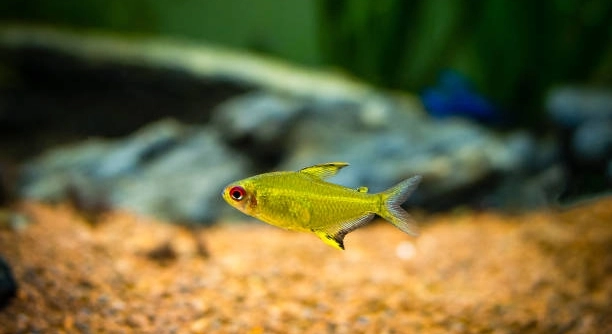
Are your lemon tetras swimming in a way that seems off or disconnected from the rest of their school? Observing subtle changes in their behavior can reveal much about their well-being. These tiny fish communicate stress in quiet ways.
Lemon tetra schools display unhappiness through changes in swimming patterns, social interactions, feeding behaviors, and physical condition. Recognizing these behavioral and environmental signs early is crucial to maintaining a healthy, balanced aquarium and preventing long-term stress or illness.
By paying attention to these clues, you can better ensure your tetras thrive in their aquatic home. Each sign offers insight into their overall health.
Lethargic Swimming
When your lemon tetras begin to swim slowly or hover in one spot more than usual, it is a clear sign of distress. Normally active and coordinated, these fish rely on continuous movement to maintain social bonds and physical health. Reduced swimming can result from poor water quality, insufficient oxygen, or an imbalanced diet. Observing them throughout the day can reveal patterns that indicate specific issues. Pay attention to whether they avoid the center of the tank or stick near the bottom or corners, as this can suggest discomfort or illness. Environmental stress, such as sudden temperature changes, strong currents, or inadequate hiding spaces, can also trigger lethargy. Addressing these factors promptly helps prevent illness. Maintaining a clean tank with consistent water parameters supports healthy activity. Feeding small amounts several times daily encourages movement and interaction. Watching your tetra school carefully ensures you can detect problems early and keep the group cohesive and lively.
Lethargy in lemon tetras often precedes visible illness, making early recognition important for their long-term health and energy.
Ensuring your tetras have a properly filtered, well-oxygenated environment can prevent many health issues. Consistent feeding routines and varied diets contribute to their vitality. Adjusting temperature and minimizing sudden disturbances keeps them active and social. Monitoring the school daily helps identify subtle changes before they escalate.
Loss of Appetite
A sudden decrease in feeding behavior signals stress or illness in your tetra school.
Loss of appetite can stem from water quality issues, overcrowding, or disease. Sick fish may isolate themselves, refusing food, which weakens their immunity further. Observing feeding times helps identify which fish are affected and guides intervention strategies. Offering live or frozen foods can stimulate interest and provide necessary nutrients. Small, frequent meals are preferable to large amounts to prevent uneaten food from decaying and affecting water quality. Avoid overfeeding, as leftover food increases ammonia levels and promotes bacterial growth. Addressing the tank conditions immediately, including filtration, water changes, and temperature stability, often restores appetite. A varied diet with high-quality flakes, pellets, or occasional treats ensures balanced nutrition. Monitoring behavior alongside feeding response allows early detection of potential health problems. Healthy, well-fed tetras remain active, display vibrant colors, and interact harmoniously within the school.
Tracking appetite changes closely allows timely action and helps maintain the overall health of your lemon tetra school.
Fading Colors
Faded or dull colors in lemon tetras indicate stress, poor water quality, or illness. Healthy tetras display bright yellow bodies and silver highlights, while stressed fish lose vibrancy and appear washed out or grayish.
Color loss often results from prolonged exposure to suboptimal conditions, such as high nitrate levels, inconsistent temperatures, or inadequate lighting. Stress from bullying within the school or overcrowding can also diminish pigmentation. Nutritional deficiencies, especially a lack of carotenoids, may cause gradual fading. Observing these changes alongside behavior, like hiding or sluggish swimming, helps determine the cause. Maintaining clean water, stable parameters, and a nutrient-rich diet is essential for restoring natural coloration.
Addressing environmental factors quickly can improve their appearance and overall health. Introducing a high-quality, varied diet and reducing stress in the tank encourages the return of bright, vibrant colors. Consistency in care supports long-term vitality and a lively school.
Isolation from the School
Isolated fish often avoid interactions with others, staying at the tank edges or hiding.
When lemon tetras separate from the group, it signals stress, sickness, or aggression from other fish. Healthy schools swim together, maintain coordinated movements, and share feeding spaces. Isolation can make affected fish more vulnerable to disease and further stress, reducing appetite and energy. Observing patterns of separation during feeding and rest times can pinpoint affected individuals. Environmental issues, such as poor water quality, inadequate space, or sudden changes in the tank, often trigger this behavior.
Reintroducing isolated tetras to the school requires addressing the underlying problem. Correcting water parameters, ensuring adequate hiding spots, and monitoring interactions promotes reintegration. Gradual adjustments and careful observation allow fish to regain confidence and social behavior, restoring school cohesion and overall well-being.
Clamped Fins
Clamped fins, where the fins are held close to the body, are a clear sign of stress or illness. Fish with clamped fins may appear smaller and less active than usual.
This behavior often results from poor water quality, sudden temperature changes, or infections. Monitoring fin position daily helps detect early problems and address them before they worsen.
Rapid Gasping at the Surface
Rapid surface gasping usually indicates low oxygen levels or poor water circulation. Fish may linger near filters or air stones in an attempt to breathe more easily. Maintaining proper aeration, frequent water changes, and checking filtration can resolve this issue quickly.
Aggression Within the School
Increased aggression occurs when dominant tetras harass others, causing stress and hiding behavior. Overcrowding or lack of hiding spaces often worsens conflicts.
Erratic Swimming
Erratic swimming, such as sudden darting, spinning, or collisions with tank walls, signals stress, poor water conditions, or illness. Monitoring water parameters and maintaining a calm environment reduces these behaviors and helps fish return to normal swimming patterns.
FAQ
How can I tell if my lemon tetras are stressed?
Signs of stress in lemon tetras include faded colors, clamped fins, lethargic swimming, loss of appetite, and isolation from the school. Stress can also manifest as erratic movements or increased aggression. Observing these behaviors regularly helps identify problems early and allows for quick adjustments in their environment. Maintaining clean water, stable temperatures, and proper nutrition reduces stress and encourages natural schooling behavior.
What water conditions are ideal for lemon tetras?
Lemon tetras thrive in water with a temperature between 72°F and 78°F, a pH of 6.0 to 7.5, and low nitrate levels. Consistent water changes and a reliable filtration system are essential to maintain stable conditions. Sudden changes in temperature or chemistry can trigger stress or illness. Proper water circulation ensures oxygenation and helps fish maintain normal activity levels.
Why are my lemon tetras losing color?
Color loss is usually caused by stress, poor nutrition, or suboptimal water conditions. Fading may occur when the tank is overcrowded, water quality is low, or the fish are exposed to sudden changes in temperature or lighting. Feeding a varied diet rich in carotenoids, ensuring clean water, and minimizing stress from tankmates can restore vibrant coloration over time.
How can I encourage my tetras to eat again?
Offering a variety of foods like high-quality flakes, pellets, frozen or live foods can stimulate appetite. Feeding small portions multiple times a day is better than one large meal, as uneaten food can degrade water quality. Removing any aggressive tankmates during feeding times may help shy or stressed fish regain confidence. Regular monitoring and patience are important.
What should I do if a fish is isolated from the school?
Isolated tetras may be sick, stressed, or bullied. First, check water parameters and correct any imbalances. Provide hiding spots like plants or decorations to reduce stress. Observe interactions and, if necessary, temporarily separate aggressive individuals. Gradual reintegration into the school helps the isolated fish regain confidence and social behavior.
How do I prevent erratic swimming in my tetras?
Erratic swimming is often caused by poor water quality, stress, or parasites. Regular water changes, stable temperatures, and proper tank size help prevent these behaviors. Avoid sudden loud noises or abrupt movements around the tank. Ensuring adequate space and consistent feeding schedules also reduces anxiety and promotes normal swimming patterns.
Can aggression in a tetra school be reduced?
Yes. Overcrowding and lack of hiding spaces are major contributors to aggression. Ensure the tank is spacious enough, add plants or decorations for cover, and monitor interactions closely. Separating overly aggressive individuals temporarily can calm the school. Maintaining a healthy, stress-free environment supports natural social behavior.
How often should I check my tank for issues?
Daily observation is recommended to catch early signs of stress, illness, or environmental problems. Watch for changes in behavior, appetite, swimming patterns, and coloration. Weekly testing of water parameters, such as pH, ammonia, nitrite, and nitrate levels, ensures the environment remains stable and suitable for your lemon tetras.
What diet is best for lemon tetras?
A balanced diet including high-quality flakes or pellets, supplemented with frozen or live foods like brine shrimp or daphnia, ensures proper nutrition. Carotenoid-rich foods enhance color, while protein supports growth and energy. Feeding in small, frequent portions prevents uneaten food from degrading water quality and maintains healthy eating habits.
When should I seek professional help for my tetras?
Consult a veterinarian or experienced aquarist if you notice prolonged lethargy, severe color loss, persistent clamped fins, continuous isolation, or unusual swimming behaviors. Early intervention can prevent illness from spreading and increase recovery chances, ensuring the overall health and stability of your tetra school.
Maintaining a healthy lemon tetra school requires careful attention to their environment and behavior. These small, colorful fish rely heavily on stable water conditions, proper nutrition, and a well-structured social environment to thrive. Observing them daily helps detect early signs of stress or illness, such as faded colors, clamped fins, or erratic swimming. Acting quickly when changes are noticed prevents minor problems from escalating into serious health issues. Regular water testing, consistent temperature control, and proper filtration are essential for keeping their habitat safe and comfortable. Even small adjustments, like adding plants or decorations for hiding spaces, can have a significant impact on their overall well-being. By monitoring their behavior and maintaining a clean, stable environment, you support both the physical health and social harmony of your tetra school.
Nutrition plays an equally important role in keeping your lemon tetras happy. A varied diet that includes high-quality flakes, pellets, and occasional frozen or live foods ensures they receive the essential nutrients needed for growth, color vibrancy, and energy. Feeding small amounts multiple times a day is better than one large portion, as uneaten food can pollute the tank and create harmful conditions. Including carotenoid-rich foods helps maintain the bright yellow coloration characteristic of healthy tetras. Watching how your fish respond to feeding routines can also provide insight into their overall condition. If some fish consistently refuse food, it may indicate stress, illness, or competition within the school, which requires immediate attention. Consistent care and observation help ensure that each fish remains active, social, and visually vibrant.
Behavior and social interactions are critical indicators of the well-being of your lemon tetras. Healthy schools move in coordinated groups, explore their surroundings, and interact regularly during feeding and rest periods. Isolation, increased aggression, or persistent hiding often signals underlying issues that need correction. Adjusting environmental factors, such as reducing overcrowding or improving water quality, can restore normal social behavior. Monitoring their responses to changes allows you to address problems proactively, reducing the risk of long-term health consequences. Understanding these behavioral cues and responding promptly promotes a balanced and stress-free environment. Taking the time to observe and care for your tetras not only supports their physical health but also ensures that the school maintains its natural dynamics, energy, and beauty over time. A consistent, attentive approach to their care results in a thriving and harmonious aquarium.

Hello,
If you enjoy the content that we create, please consider saying a "Thank You!" by leaving a tip.
Every little bit helps us continue crafting quality advice that supports the health, happiness, and well-being of pets around the world, for pets of all shapes, sizes, and species.
We really appreciate the kindness and support that you show us!