
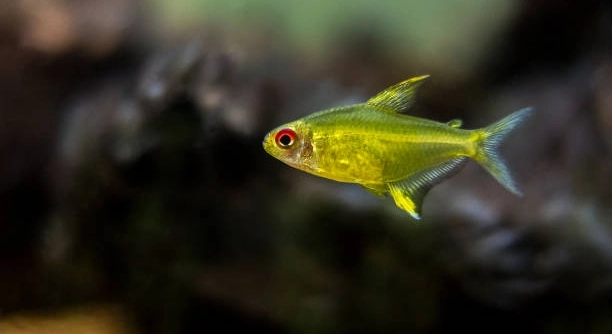
Lemon tetras are small, vibrant fish that often move together in beautiful, coordinated patterns. Many aquarium enthusiasts enjoy watching their smooth, synchronized swimming and appreciate the calm, harmonious effect it brings to a tank environment.
Lemon tetras swim in sync primarily due to their natural schooling behavior, which is driven by instinct, social cues, and environmental factors. Coordinated movement helps protect them from predators, improves foraging efficiency, and maintains group cohesion within the aquarium.
Observing their interactions reveals more than just beauty, showing complex communication and instinctive behavior in everyday movements. These patterns are key to understanding their social dynamics and wellbeing in captivity.
Why Lemon Tetras School Together
Lemon tetras instinctively swim in groups, forming tight schools that move as one. This behavior helps them feel secure, reducing stress and vulnerability to predators. When fish swim together, they coordinate direction, speed, and spacing naturally, allowing them to respond quickly to threats. The shimmering patterns of their synchronized movements can be mesmerizing, making their presence calming in an aquarium. Social interaction is vital for their health, and isolated tetras may show signs of lethargy or abnormal behavior. The tight formations also help them find food efficiently, as movement cues from one fish guide others. Lighting, water quality, and tank size influence how well they maintain these formations. Observing these patterns over time reveals that even small changes in the environment can disrupt their cohesion, highlighting the importance of stable, comfortable living conditions. Maintaining proper water conditions and ensuring enough companions supports natural schooling behavior.
Schooling provides safety and organization for lemon tetras, helping them thrive in both natural and artificial habitats.
Proper care ensures that tetras can continue their natural movement patterns. By providing sufficient space, a well-planted tank, and appropriate companions, the fish maintain coordinated swimming. Lighting and gentle water flow encourage natural responses, while avoiding sudden disturbances reduces stress. Watching how a school reacts to minor changes offers insight into their communication and instincts. A tank with multiple healthy tetras showcases smooth, flowing patterns, highlighting how instinct and environment work together to sustain this behavior. Consistency in daily care allows tetras to form long-term bonds within the school, and healthy social structures lead to vibrant, confident fish. Careful observation of individual fish ensures no one is struggling or separated, which can affect overall synchronization. The balance of companionship, environmental stability, and proper feeding creates an ideal setting where synchronized swimming is a natural result, demonstrating the importance of attention to every detail in aquarium management.
How Environmental Factors Affect Synchronization
Water conditions play a major role in how well lemon tetras swim together. Temperature, pH, and clarity all influence their comfort and coordination.
Stable, clean water allows tetras to react naturally to each other. Sudden changes in temperature or chemical composition can cause stress, making movements erratic. Plants and decorations provide visual cues, helping the school align, while overcrowding may hinder natural coordination. Light levels affect visibility, which in turn impacts how fish track each other’s movements. By controlling these variables, aquarists can support consistent schooling behavior. A calm, well-structured environment encourages confidence and synchronized activity. Observing how minor adjustments influence behavior offers insight into their social and instinctive patterns. Over time, maintaining these conditions builds stronger cohesion within the school, demonstrating the direct link between environment and movement. Proper feeding schedules also support energy levels needed for active schooling.
Adjusting tank conditions with care directly improves the consistency and harmony of swimming patterns, ensuring lemon tetras maintain their natural instincts. Stable, enriched environments reduce stress, allowing the school to coordinate effortlessly. Balanced lighting, minimal disturbances, and thoughtful placement of plants or hiding spaces promote smooth, continuous movement. Regular monitoring of water quality prevents sudden shifts that might disrupt alignment or trigger defensive reactions. Sufficient space prevents overcrowding, allowing individuals to maneuver while staying connected to the group. Even subtle changes, such as altering flow or rearranging decorations, can influence interactions within the school. By observing how tetras respond to each modification, it becomes clear that their synchronized swimming depends on both innate behavior and environmental support. Long-term attention to tank balance, diet, and group composition results in vibrant, healthy fish that exhibit natural schooling behavior consistently, reflecting the importance of mindful aquarium management for their wellbeing.
Social Behavior and Communication
Lemon tetras rely on subtle visual cues and body movements to communicate. Their schooling behavior strengthens social bonds and helps maintain group cohesion. Small gestures, like flicks of fins or changes in speed, coordinate movement and signal alertness or direction changes within the school.
These fish use body positioning and synchronized movements to stay connected. When one fish changes direction, others follow almost immediately, creating a fluid motion across the school. This communication is instinctive, requiring no external training. Light reflections on their scales help them track each other in the water, enhancing coordination. Visual awareness and responsiveness are crucial, and even minor distractions can temporarily disrupt their patterns. Social interaction through movement also reduces stress, keeping the school calm and stable. Over time, consistent schooling improves group confidence, and individual tetras become more attuned to each other’s behaviors.
When stressed, lemon tetras display irregular movements or isolate themselves. Proper tank setup with adequate companions and environmental enrichment supports effective communication. Providing hiding spaces and plants allows fish to rest when needed without interrupting the school. Even slight changes in water flow or lighting can influence how quickly they synchronize. Monitoring their responses ensures the group remains balanced and cohesive. Observing these interactions demonstrates how communication is central to synchronized swimming and overall wellbeing, reflecting the natural instincts of lemon tetras in a controlled environment.
Impact of Tank Size and Layout
A spacious tank with clear sightlines allows lemon tetras to maintain coordination. Limited space or clutter can hinder schooling and reduce natural movement. Proper layout encourages flow and interaction.
Tank dimensions directly affect swimming patterns. A longer, wider tank gives the school room to maneuver and form tighter formations, while cramped conditions may cause stress and collisions. Decorations and plants should be arranged to provide hiding spots without blocking visibility, allowing fish to track each other effectively. Open areas support natural, fluid swimming, while excessive obstacles can fragment the group and disrupt synchronization. Observing behavior in different tank setups shows that fish quickly adapt to changes in space, but consistent, appropriately sized environments result in more stable schooling. Adjusting layout and monitoring movement ensures the fish remain coordinated and comfortable, demonstrating the importance of spatial planning.
Flow and accessibility in a tank impact the energy and cohesion of a school. Strategically placed plants, rocks, and open swimming areas encourage natural movement, while maintaining pathways ensures each fish can follow the group without obstruction. Balanced tank design reduces stress and supports instinctive patterns. Over time, a well-planned layout promotes consistent schooling and healthier social interaction. Even small adjustments, like repositioning plants or adjusting water flow, can improve coordination and responsiveness. Properly sized and thoughtfully arranged tanks allow lemon tetras to express natural behaviors fully, creating a harmonious environment that sustains synchronized swimming.
Diet and Its Effect on Activity
A balanced diet helps lemon tetras stay energetic and coordinated. Proper nutrition ensures they have the strength to swim in sync. Feeding small portions multiple times a day supports steady energy levels and reduces competition within the school.
Inadequate nutrition can lead to lethargy or erratic swimming, disrupting synchronization. Including high-quality flakes, frozen, or live foods provides essential proteins and vitamins. Observing how diet influences activity levels shows a direct connection between food and coordinated movement. Regular feeding schedules help maintain consistent energy, allowing the school to remain active and cohesive throughout the day.
Influence of Light and Visibility
Lighting affects how lemon tetras perceive each other and their surroundings. Consistent, moderate light helps the school maintain alignment and respond effectively to movement cues.
Stress and Its Impact on Synchronization
Stress negatively affects schooling behavior. Sudden changes in water temperature, pH, or tank disturbances can cause disorganized movement, reducing the natural cohesion of the school.
Importance of Group Size
Lemon tetras swim best in groups of six or more. Smaller numbers can disrupt patterns and limit natural schooling instincts.
FAQ
How many lemon tetras should be kept together for proper schooling?
Lemon tetras are social fish that thrive in groups. A minimum of six is recommended to maintain natural schooling behavior. Smaller groups often display erratic movement, while larger groups show smoother, coordinated swimming. Ensuring enough companions reduces stress and encourages active interaction within the school.
Does tank size affect their synchronized swimming?
Yes, tank size plays a crucial role. A longer and wider tank allows the school to form natural patterns without crowding. Cramped spaces or excessive decorations can hinder movement and cause collisions. Open areas and clear sightlines improve coordination and let the school move more fluidly.
What water conditions support synchronized swimming?
Stable water conditions are essential. Lemon tetras prefer a temperature between 72–78°F and slightly acidic to neutral pH levels. Clean, well-filtered water allows fish to swim comfortably. Sudden changes in temperature, pH, or hardness can disrupt schooling and cause stress, so consistency is key.
Do lighting conditions influence their behavior?
Moderate, consistent lighting improves visibility between fish, helping them track each other. Bright, harsh lights may cause stress, while very dim conditions can make it hard for them to coordinate movements. Adjusting light gradually and keeping a stable day-night cycle supports natural schooling patterns.
Can diet affect swimming coordination?
Nutrition directly influences activity and energy. Well-fed tetras maintain higher energy levels, allowing smoother movement within the school. Feeding a mix of high-quality flakes, frozen, or live foods in small portions throughout the day prevents competition and keeps the group active and cohesive.
How does stress impact their schooling behavior?
Stress leads to erratic swimming and disrupted synchronization. Common causes include sudden environmental changes, overcrowding, or aggressive tankmates. Providing hiding spots, stable water conditions, and a calm environment minimizes stress. Observing their responses helps identify issues before they negatively affect the school.
Is it necessary to have plants or decorations in the tank?
Yes, plants and decorations provide both visual cues and hiding spaces. They help fish feel secure while still allowing open areas for swimming. Overcrowding with objects can hinder alignment, so balance is essential. Properly arranged elements enhance natural schooling while maintaining safety.
Do lemon tetras communicate with each other while swimming?
They communicate mainly through visual cues and subtle body movements. Flicks of fins or small changes in speed signal direction or alertness. This instinctive interaction keeps the group coordinated and synchronized, showing how social behavior is essential for effective schooling.
What happens if one fish is sick or weak?
A sick or weak fish may struggle to keep up, breaking the school’s cohesion. Isolating affected fish and monitoring health ensures the rest of the group maintains synchronization. Prompt attention prevents stress from spreading and protects overall group behavior.
Can tank layout changes disrupt synchronization?
Yes, rearranging plants, decorations, or flow patterns can temporarily confuse the school. Gradual adjustments allow fish to adapt, while sudden changes may cause stress or fragmentation of the group. Maintaining a stable layout supports consistent, coordinated swimming.
How often should water parameters be checked?
Regular monitoring is important. Checking temperature, pH, and clarity weekly helps maintain stability. Sudden fluctuations affect energy and coordination. Consistent water quality ensures the school can swim in harmony, keeping behavior natural and stress-free.
Do tetras react to their reflections in the glass?
Some tetras may briefly respond to reflections, but this rarely affects overall schooling. They rely more on observing each other than reflections. Avoid placing mirrors or bright reflections near the tank to prevent unnecessary stress or distraction.
How does age affect swimming coordination?
Young tetras may be less synchronized initially but develop coordination as they grow. Older fish with health issues may slow down, causing minor disruption. Providing proper nutrition and space helps all age groups maintain smoother schooling behavior.
Can other fish in the tank interfere with their schooling?
Yes, aggressive or overly active tankmates can disrupt synchronized swimming. Peaceful community fish are best to maintain cohesion. Observing interactions ensures the school stays organized and confident, minimizing stress and erratic movements.
Is there a way to encourage better synchronization naturally?
Providing adequate group size, stable water conditions, moderate lighting, proper nutrition, and open swimming space encourages natural coordination. Regular observation and minimal disturbances help reinforce the school’s instinctive behavior, creating fluid, synchronized patterns over time.
This FAQ covers the main factors influencing lemon tetra synchronization, from environment and diet to social structure and stress management, providing practical guidance for maintaining healthy, coordinated schools in captivity.
Final Thoughts
Lemon tetras are fascinating fish whose synchronized swimming is a result of instinct, social behavior, and environmental conditions. Their natural schooling instinct encourages them to move together, creating fluid, coordinated patterns that are both calming and impressive to watch. In captivity, maintaining these behaviors requires attention to their needs, including proper tank size, water quality, diet, and companions. Observing a well-functioning school of lemon tetras demonstrates how closely these factors work together to support their natural instincts. Even small disruptions, such as overcrowding or inconsistent water parameters, can affect the harmony of the group, showing how sensitive these fish are to their surroundings.
Providing the right environment is essential for lemon tetras to exhibit their natural swimming patterns. A spacious tank with open swimming areas, balanced lighting, and thoughtfully placed plants or decorations allows them to move freely while maintaining visual contact with each other. Stable water conditions, including temperature and pH, prevent stress and help the school remain cohesive. Nutrition also plays a key role; regular feeding of high-quality flakes, frozen, or live foods ensures that each fish has enough energy to swim actively and respond to its companions. By focusing on these factors, caretakers can encourage lemon tetras to display natural schooling behavior consistently, creating a lively and visually pleasing aquarium.
Social interaction and stress management are equally important in sustaining synchronized swimming. Lemon tetras communicate through subtle visual cues and body movements, and having a sufficient group size allows these signals to function effectively. Stressful conditions, such as aggressive tankmates or sudden environmental changes, can disrupt coordination and reduce the overall health of the school. Providing hiding spots and minimizing disturbances allows each fish to feel secure while remaining part of the group. Over time, observing their responses to environmental adjustments, diet changes, or alterations in tank layout helps reinforce natural behaviors and strengthen the cohesion of the school. Overall, maintaining a stable, enriched environment supports the health, confidence, and natural movement of lemon tetras, highlighting the importance of consistent care in fostering their instinctive synchronized swimming.

Hello,
If you enjoy the content that we create, please consider saying a "Thank You!" by leaving a tip.
Every little bit helps us continue crafting quality advice that supports the health, happiness, and well-being of pets around the world, for pets of all shapes, sizes, and species.
We really appreciate the kindness and support that you show us!