
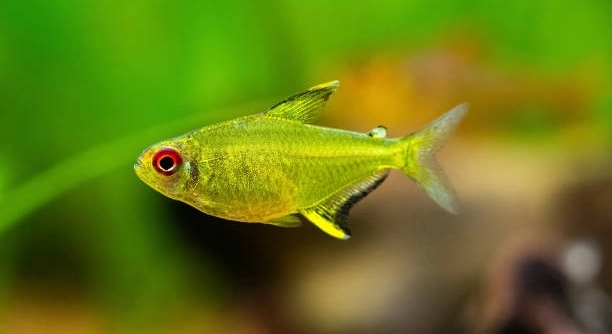
Are your lemon tetras acting skittish or darting around the tank more than usual? Keeping these small, vibrant fish calm requires consistent care and attention to their environment and daily routines.
Maintaining a calm environment for lemon tetras involves regulating lighting, water quality, and tank decorations. Consistent feeding schedules, gentle movements around the aquarium, and proper social groupings reduce stress and promote natural, relaxed behavior in these sensitive fish.
Following simple daily practices can help your lemon tetras feel secure and healthy in their habitat, making your aquarium a more peaceful space.
Maintain Consistent Water Conditions
Lemon tetras are sensitive to sudden changes in their environment. Keeping water temperature stable between 72–78°F and monitoring pH levels around 6.5–7.0 helps reduce stress. Regular water changes, about 20% weekly, prevent toxins from building up and keep the water clear. Avoid drastic shifts in temperature or chemicals, as these can trigger erratic swimming and hiding. Using a reliable heater and thermometer ensures a consistent temperature, while a water testing kit allows you to check ammonia, nitrites, and nitrates regularly. Providing a gentle filter current mimics natural conditions without overwhelming the fish. Soft, fine substrate can also make the tank more comfortable, reducing sudden movements that may startle them. A stable environment helps lemon tetras feel secure, promoting calm behavior and longer lifespans. Observing your fish daily allows you to catch minor changes before they become serious problems. Calm fish show smoother, slower movements and interact naturally with tank mates.
Maintaining consistent water conditions is crucial for reducing stress and encouraging peaceful behavior in lemon tetras, which thrive in predictable environments.
A stable tank environment provides lemon tetras with a sense of security. When water parameters remain steady, fish are less likely to hide or swim erratically. Consistency in temperature, pH, and cleanliness allows them to establish routine behaviors and social hierarchies naturally. Adding plants and gentle decorations can create hiding spots, further reducing stress. Monitoring daily ensures any small deviations are corrected immediately.
Provide Proper Nutrition
Feeding lemon tetras a varied diet of high-quality flakes, micro-pellets, and occasional live or frozen foods keeps them healthy and calm. Overfeeding can pollute the tank, while underfeeding may stress the fish.
A balanced diet supports natural behavior and promotes calmness by preventing hunger-related stress.
Lemon tetras thrive on small, frequent meals rather than one large feeding. Including live or frozen foods like daphnia or brine shrimp adds protein and stimulates natural foraging. High-quality flakes or micro-pellets provide essential vitamins and minerals for vibrant coloration and energy. Avoid uneaten food accumulating on the substrate, as it can cause spikes in ammonia and nitrate, which stress fish. Observing feeding behavior helps you adjust portions to prevent competition and aggression. Supplementing with plant-based foods occasionally ensures a well-rounded diet. Providing a proper feeding routine establishes predictability in the tank, which contributes to calmer, healthier fish. Maintaining variety and balance is key to supporting both physical health and emotional stability in lemon tetras.
Create Hiding Spots
Providing plenty of plants and decorations gives lemon tetras places to retreat when they feel threatened. Live plants, driftwood, and small caves help them feel secure and reduce stress in the tank.
Hiding spots prevent overcrowding stress and allow natural behaviors to emerge. Lemon tetras often swim among plants or under decorations when adjusting to a new tank. Using fast-growing live plants like java moss, hornwort, or anubias creates natural cover while helping maintain water quality. Driftwood or rocks arranged with gaps gives additional shelter, mimicking their natural habitat. Avoid sharp edges or overcrowding the tank, as this can lead to injuries. A well-decorated tank encourages exploration while giving fish confidence in their surroundings. By combining plant cover with safe hiding areas, you promote calm, consistent behavior and reduce erratic swimming.
Even with open swimming areas, providing scattered hiding spots improves social interactions. Tetras can establish territories without constant confrontation. They will often retreat to these areas during feeding or when stressed. Hiding spots also reduce aggression and allow weaker fish to rest, improving overall harmony.
Keep Lighting Gentle
Bright, harsh lighting can make lemon tetras skittish and increase stress. Using soft or diffused light creates a comfortable environment.
Soft lighting helps mimic natural conditions and reduces sudden reactions to movement or shadows.
Lemon tetras prefer dimmer light similar to shaded areas in rivers and streams. Installing floating plants or using adjustable LED lights allows gradual transitions from bright daylight to darker periods. Sudden changes in lighting can startle fish, causing rapid swimming or hiding. A consistent day-night cycle of roughly 10–12 hours of light per day helps regulate biological rhythms, encouraging calmer behavior. Avoid flickering lights or direct sunlight on the tank, which may increase stress and algae growth. Proper lighting enhances coloration without overwhelming the fish, contributing to both health and a stable, serene environment. Maintaining a gentle, consistent light schedule supports calm activity and natural patterns throughout the day.
Maintain Proper Schooling
Lemon tetras feel safer and more confident when kept in groups of at least six. Staying in a school reduces stress and prevents aggressive behaviors.
A well-sized group allows natural shoaling behavior, keeping fish calm and more active. Small groups can lead to anxiety and erratic swimming, while larger groups establish social harmony.
Avoid Sudden Movements
Quick motions near the tank can startle lemon tetras, making them dart or hide. Move slowly when feeding or cleaning.
Regular Tank Cleaning
Keeping the tank clean by removing debris and performing partial water changes supports fish health. A clean environment reduces stress and promotes calmer behavior.
Monitor Tank Mates
Ensure all tank mates are compatible with lemon tetras. Aggressive or larger species can cause stress and disrupt calm behavior.
FAQ
How many lemon tetras should I keep together?
Lemon tetras are schooling fish and feel most comfortable in groups of at least six. Smaller numbers can cause stress and nervous behavior. Larger schools of eight to twelve allow natural shoaling, making the fish feel secure while promoting calm swimming and social interactions.
What is the ideal water temperature for lemon tetras?
Maintaining a stable water temperature between 72–78°F is essential. Sudden fluctuations can cause stress, leading to erratic swimming or hiding. Using a reliable heater and thermometer ensures that the tank stays within this range consistently, supporting calm and healthy behavior.
How often should I feed my lemon tetras?
Feeding small amounts two to three times a day works best. Overfeeding can pollute the tank and increase stress, while underfeeding may cause nervous behavior. Offering a mix of flakes, micro-pellets, and occasional live or frozen foods keeps them healthy and encourages natural foraging habits.
Can lemon tetras live with other fish?
Yes, but tank mates must be peaceful and similar in size. Aggressive or much larger fish can stress lemon tetras, making them hide or swim erratically. Ideal companions include other small tetras, rasboras, or gentle bottom-dwellers. Avoid fin-nippers or highly territorial species.
Why are my lemon tetras hiding a lot?
Excessive hiding usually indicates stress. This can result from poor water conditions, sudden lighting changes, or incompatible tank mates. Providing plenty of plants and decorations, stable water parameters, and a consistent feeding schedule reduces hiding behavior and promotes calm swimming.
How do I reduce stress in my tank?
Consistent water changes, gentle filtration, and soft lighting create a stable environment. Avoid sudden movements around the tank and handle maintenance quietly. Hiding spots and a well-sized school also reduce stress. Monitoring water parameters regularly ensures any potential issues are addressed promptly.
What plants are best for creating hiding spots?
Fast-growing live plants like java moss, anubias, and hornwort work well. Floating plants offer shaded areas, while driftwood and small caves give additional shelter. Avoid overcrowding, as too many decorations can restrict swimming space, creating frustration and stress among the fish.
How can I tell if my lemon tetras are healthy and calm?
Healthy, calm lemon tetras swim smoothly in groups, maintain vibrant coloration, and display natural behaviors such as foraging and exploring. Erratic swimming, constant hiding, or faded colors indicate stress or illness, signaling a need to review water quality, diet, and tank conditions.
Is lighting important for lemon tetras?
Yes, soft and consistent lighting mimics their natural habitat and reduces stress. Sudden bright light or direct sunlight can startle them, causing darting or hiding. Floating plants or adjustable LEDs help create a comfortable light cycle, supporting calm and natural behavior.
Can water changes help calm lemon tetras?
Regular water changes, about 20% weekly, remove toxins and maintain a stable environment. Clean water reduces stress, supports immune function, and encourages natural swimming behavior. Avoid large, sudden changes, as drastic shifts in water chemistry can have the opposite effect.
Do lemon tetras need a specific pH level?
Maintaining a pH between 6.5 and 7.0 is ideal. Sudden swings in pH can stress fish and trigger erratic swimming or hiding. Using a testing kit and adjusting gradually if necessary ensures a calm and stable tank environment.
How do I know if my tank is overcrowded?
Signs of overcrowding include constant chasing, erratic swimming, and fish hiding more than usual. Lemon tetras need open swimming areas as well as hiding spots. Maintaining proper stocking levels based on tank size ensures calm behavior and reduces aggression.
What is the best way to introduce new fish to the tank?
Acclimate new fish slowly using a drip or float method to match water temperature and chemistry. Introduce them during calmer periods and observe interactions with existing tetras. Gradual introduction reduces stress and helps maintain peaceful behavior in the tank.
Can tank decorations affect stress levels?
Yes, decorations provide security and break up lines of sight, reducing aggression and stress. Safe materials without sharp edges are essential. Arranging plants, rocks, and caves strategically creates areas for hiding and resting, promoting a calm and harmonious environment.
How often should I check water parameters?
Testing water weekly for ammonia, nitrites, nitrates, and pH helps prevent stress. Consistent monitoring allows you to address minor issues before they affect behavior. Keeping water parameters stable supports calm swimming, healthy appetite, and natural interactions among lemon tetras.
Are there behavioral signs that my lemon tetras are stressed?
Signs include darting, hiding, clamped fins, and loss of color. Lethargy or reduced appetite can also indicate stress. Identifying these early and correcting environmental factors, such as water quality, lighting, or tank mates, helps restore calm and healthy behavior.
How can I make my tank more natural for lemon tetras?
Using live plants, gentle currents, soft lighting, and varied hiding spots creates a natural environment. Mimicking river habitats supports natural behaviors, reduces stress, and encourages calm swimming. Including a well-sized school enhances social stability and overall fish wellbeing.
Can water temperature fluctuations cause long-term stress?
Yes, even small swings can weaken the immune system and increase stress. Consistent temperature with gradual changes during maintenance supports calm behavior, healthy metabolism, and longevity. A reliable heater and thermometer are essential tools for stability.
Do lemon tetras need a day-night cycle?
Maintaining a 10–12 hour light-dark cycle helps regulate biological rhythms. Consistent cycles reduce stress, support feeding and resting behaviors, and encourage calm swimming. Using timers or adjustable lights ensures predictability and stability in the tank.
Is it important to remove uneaten food promptly?
Yes, leftover food can decay, increasing ammonia and nitrates, which stress fish. Prompt removal maintains water quality and keeps lemon tetras healthy and calm. Feeding appropriate portions prevents waste and supports consistent behavior throughout the day.
How do I prevent aggression in the tank?
Keeping lemon tetras in proper school sizes, providing hiding spots, and choosing peaceful tank mates minimizes aggression. Maintaining stable water conditions and a balanced diet also reduces stress-related conflicts, creating a harmonious and calm environment for all fish.
Can lemon tetras get stressed from frequent tank maintenance?
Yes, excessive disturbances, strong currents, or abrupt water changes can stress fish. Performing maintenance slowly, quietly, and consistently helps them remain calm. Limiting activity around the tank during feeding and resting periods reduces unnecessary stress.
What role does tank size play in calming lemon tetras?
A spacious tank with at least 20 gallons for a small school allows open swimming and hiding areas. Crowded conditions increase stress, aggression, and erratic behavior. Providing adequate space supports natural movement and social interactions, keeping fish calm and healthy.
Are lemon tetras sensitive to noise or vibrations?
Yes, loud noises, tapping, or vibrations near the tank can startle them. Minimizing disturbances and placing the aquarium in a quiet area supports calm swimming and reduces hiding or skittish behavior.
How important is tank placement for lemon tetras?
Positioning the tank away from direct sunlight, drafts, and high-traffic areas reduces stress. Stable surroundings with minimal sudden movements contribute to calm behavior and allow the fish to establish predictable routines within their habitat.
Can I use a bubbler or air stone?
Gentle aeration is fine, but strong bubbles or currents may stress lemon tetras. Positioning the air source to create soft water movement supports oxygenation without causing panic, maintaining calm and natural swimming patterns.
Do lemon tetras recognize their caretakers?
While they do not form bonds like mammals, lemon tetras can learn routines. Calm, predictable behavior during feeding or maintenance helps reduce stress and encourages relaxed swimming near familiar faces.
How often should I trim plants or adjust decorations?
Trim fast-growing plants weekly and rearrange decorations only when necessary. Frequent changes can stress fish, while controlled maintenance ensures hiding spots and open swimming areas remain balanced, promoting calm behavior.
What are the signs of a well-adjusted lemon tetra?
Smooth swimming, vibrant colors, active social interactions, and foraging indicate comfort. Fish explore plants and decorations naturally and show minimal hiding, demonstrating that tank conditions and daily habits support calm, healthy behavior.
Can stress affect breeding in lemon tetras?
Yes, stressed fish may stop spawning or show reduced interest in courtship. Maintaining stable water conditions, a proper diet, and a calm environment encourages reproductive behavior and healthy fry development.
Is it necessary to quarantine new fish?
Quarantining new arrivals for at least two weeks prevents disease and reduces stress on the main tank. Gradual acclimation ensures compatibility with existing tetras, minimizing aggression and promoting a calm, healthy school.
How do I know if the tank is too bright or too dark?
Fish that hide excessively or swim erratically may find the light too bright. Dim or indirect lighting encourages calm swimming, while too little light can reduce activity and stress fish due to poor visibility and disrupted routines.
Can sudden temperature drops cause illness?
Yes, abrupt drops weaken the immune system and make lemon tetras susceptible to infections. Gradual temperature adjustments during maintenance prevent shock and maintain calm behavior, keeping fish healthy and active.
Are there specific decorations to avoid?
Avoid sharp, jagged rocks, rough plastics, or overcrowded arrangements. Unsafe decorations can injure fish or block swimming space. Safe, smooth materials with strategic placement support natural movement, hiding, and social interactions, keeping lemon tetras calm and healthy.
How do I encourage natural foraging?
Scattering food among plants or using floating feeders stimulates hunting behavior. This reduces boredom, encourages exploration, and prevents stress-related behaviors, supporting calm and engaged fish in a comfortable environment.
Can lemon tetras live in a community tank?
Yes, with peaceful species of similar size. Avoid aggressive or fin-nipping fish, which cause stress. Proper schooling, hiding spots, and stable conditions ensure all species coexist calmly, maintaining harmony and minimizing erratic behavior.
How often should I observe my fish?
Daily observation helps identify stress, illness, or changes in behavior early. Noticing subtle changes allows quick adjustments to feeding, tank conditions, or environment, keeping lemon tetras calm and healthy consistently.
What are the effects of high nitrate levels?
High nitrates can stress lemon tetras, causing erratic swimming, hiding, or loss of color. Regular water changes and monitoring maintain safe nitrate levels, supporting calm behavior and overall health.
How can I make feeding times predictable?
Feeding at the same time each day reduces stress and encourages natural routines. Consistent amounts and schedules prevent competition and overfeeding, maintaining a calm, healthy environment for lemon tetras.
Is tank size the only factor in stress reduction?
No, multiple factors contribute: proper schooling, water quality, hiding spots, gentle lighting, compatible tank mates, and predictable routines all support calm behavior alongside adequate space. Each element works together to create a balanced, stress-free environment.
What should I do if a fish is constantly hiding?
Check water parameters, lighting, diet, and tank mates. Adding plants, adjusting light, or reviewing feeding schedules often helps. Persistent hiding may indicate illness or ongoing stress, which requires attention to restore calm and comfort.
Do lemon tetras need a heater in all climates?
Most tropical climates require a heater to maintain stable water temperature. Fluctuations can stress fish, while consistent warmth supports calm behavior, healthy metabolism, and overall well-being in the aquarium.
Can stress cause disease outbreaks?
Yes, stressed fish are more susceptible to infections. Maintaining stable water, proper nutrition, and calm tank conditions reduces stress, supporting immune function and overall health.
How long does it take for lemon tetras to adapt to a new tank?
With proper acclimation, hiding spots, and stable conditions, they typically adjust within one to two weeks. Observing behavior during this period ensures they establish a calm routine in their new environment.
Are there seasonal changes that affect lemon tetras?
Temperature fluctuations, daylight length, and feeding changes can impact behavior. Maintaining consistent conditions indoors minimizes seasonal stress, keeping fish calm year-round.
What equipment is essential for a calm tank?
A reliable heater, thermometer, gentle filter, water testing kit, and adjustable lighting are crucial. These tools maintain stable, safe conditions, supporting the health and calm behavior of lemon tetras consistently.
Can overstocking the tank cause stress?
Yes, overcrowding increases competition for space, food, and hiding spots. Proper stocking levels prevent aggression, reduce stress, and encourage natural, calm swimming patterns within the school.
Is it necessary to monitor fish behavior daily?
Yes, daily checks help spot stress, illness, or environmental issues early. Early intervention ensures lemon tetras remain calm, healthy, and active in a balanced, well-maintained aquarium.
How do I keep water parameters stable during maintenance?
Perform partial water changes, avoid sudden temperature shifts, and match pH levels gradually. Consistency prevents stress, supports calm behavior, and maintains a healthy environment for lemon tetras.
Can lemon tetras become aggressive under stress?
Yes, stress from poor water quality, incompatible tank mates, or overcrowding can trigger aggressive interactions. Proper conditions, schooling, and hiding spots help maintain peaceful behavior.
How important is gradual acclimation for new fish?
Slow acclimation prevents shock from temperature or water chemistry differences. It reduces stress, encourages calm behavior, and ensures smooth integration with existing lemon tetras and tank mates.
Are live plants better than artificial ones?
Live plants provide oxygen, natural hiding spots, and water filtration. They support calm behavior, natural swimming, and foraging, making them preferable to artificial decorations, which lack these benefits.
What is the role of water flow in stress management?
Gentle water currents mimic natural habitats and provide oxygen without overwhelming the fish. Strong currents can stress lemon tetras, while proper flow encourages calm swimming and natural behavior.
How do I know if lighting is too intense?
Fish darting, hiding, or pressing against decorations indicate bright light stress. Adjusting to softer or indirect lighting supports calm behavior and comfortable exploration.
Can lemon tetras live in a tank without plants?
They can survive, but plants provide hiding, reduce stress, and support natural behavior. A bare tank may increase anxiety, causing skittish or erratic swimming.
Is frequent tank cleaning stressful for fish?
Yes, sudden or excessive cleaning can disturb fish. Gentle, consistent maintenance with minimal disruption supports calm behavior and a healthy environment.
How do I encourage social behavior?
Keeping a proper school size and providing hiding spots encourages interaction. Calm, consistent feeding and stable conditions allow natural shoaling and peaceful group dynamics.
Can water chemistry affect mood?
Yes, unstable pH, ammonia, nitrites, or nitrates can stress fish. Stable, clean water ensures calm behavior and supports health, coloration, and natural activity patterns.
What should I avoid during feeding?
Avoid overfeeding, sudden movements, or tossing large amounts of food. Small, controlled portions reduce stress and maintain calm, healthy behavior.
Are lemon tetras sensitive to temperature drops at night?
Yes, sudden nighttime cooling can stress fish. Consistent heating and gradual temperature changes maintain calm behavior and prevent immune suppression.
How do I know if my tank is well-balanced?
Fish swimming smoothly, interacting naturally, and displaying healthy colors indicate a balanced environment. Calm, confident behavior shows that water quality, diet, lighting, and social structure are optimal.
Can water conditioners help reduce stress?
Yes, conditioners remove chlorine, chloramines, and heavy metals, creating a safe environment. Using them during water changes prevents stress and supports overall fish health.
Do lemon tetras need a quarantine tank for new additions?
Yes, a quarantine tank prevents disease transfer, reduces stress, and allows observation of new fish before introducing them to the main tank, ensuring a calm and safe environment.
How do I prevent sudden tank disturbances?
Limit loud noises, abrupt movements, or tapping on the glass. Gentle maintenance and consistent routines minimize stress, keeping lemon tetras calm and comfortable.
Can temperature swings affect feeding behavior?
Yes, rapid changes can reduce appetite and increase nervousness. Stable temperatures encourage predictable feeding, healthy digestion, and calm swimming patterns.
Is it necessary to monitor fish after maintenance?
Yes, observing behavior after water changes or cleaning ensures fish adjust calmly. Immediate action can correct stress signs and maintain a stable environment.
How do I reduce competition during feeding?
Provide multiple feeding spots and small portions to minimize aggression. This allows all fish to eat comfortably, reducing stress and encouraging calm social behavior.
What is the ideal tank size for a small school?
A minimum of 20 gallons is recommended for six to eight lemon tetras. Adequate space allows swimming, hiding, and social interaction, reducing stress and promoting calm behavior.
Can stress affect coloration?
Yes, stressed lemon tetras may lose vibrancy. Stable water, proper diet, gentle lighting, and calm tank conditions support bright, natural colors and overall wellbeing.
How can I create a stress-free environment?
Stable water, gentle lighting, hiding spots, proper schooling, and predictable feeding routines all contribute. Minimizing disturbances and maintaining clean, balanced conditions ensures lemon tetras remain calm and healthy.
What are the long-term benefits of calm behavior?
Calm lemon tetras have stronger immune systems, vibrant colors, and longer lifespans. Stress-free environments support natural behavior, feeding, and social interactions, enhancing both health and overall tank harmony.
How important is tank observation for maintaining calmness?
Daily observation allows early detection of stress or illness. Quick adjustments to environment, feeding, or social factors maintain calm, healthy behavior consistently.
Can diet influence stress levels?
Yes, a balanced diet with protein and plant-based foods prevents hunger-related stress and supports immune function. Consistent, varied feeding promotes calm and natural behavior.
What is the effect of sudden loud noises?
Unexpected sounds can startle lemon tetras, causing darting or hiding. Keeping the tank in a quiet area minimizes stress and supports calm swimming and social interactions.
Are there signs of permanent stress damage?
Prolonged stress can cause faded coloration, stunted growth, and weakened immunity. Maintaining stable, calm conditions helps prevent long-term effects and supports healthy development.
How do I balance open swimming areas with hiding spots?
Provide enough space for exploration while scattering plants and caves strategically. This balance allows natural behavior, reduces stress, and maintains calm swimming patterns.
Can seasonal lighting changes affect behavior?
Yes, sudden shifts in daylight length may stress fish. Using consistent artificial lighting indoors helps maintain predictable routines and calm behavior year-round.
Is tank placement near windows safe?
Direct sunlight can cause temperature fluctuations and algae growth. Placing the tank in a stable,
Lemon tetras are small, vibrant fish that thrive in calm and stable environments. Their delicate nature makes them sensitive to changes in water quality, lighting, temperature, and tankmates. By keeping these factors consistent, you create a habitat where the fish can exhibit natural behaviors without unnecessary stress. Maintaining stable water parameters, such as temperature between 72–78°F and a pH of 6.5–7.0, is essential for their well-being. Regular water changes and careful monitoring of ammonia, nitrites, and nitrates ensure the tank remains safe and comfortable. Providing a gentle filtration system helps mimic natural currents without creating turbulence, which can make lemon tetras anxious. Even small adjustments, like avoiding sudden movements near the tank, can make a significant difference in reducing stress and promoting calm swimming patterns. Observing the fish daily allows you to notice changes in behavior early, ensuring minor issues do not develop into serious problems that could affect health or temperament.
Creating a balanced environment for lemon tetras involves more than just maintaining water quality. Hiding spots, such as live plants, driftwood, and small caves, allow fish to retreat when they feel threatened. This sense of security reduces fear-related behaviors, such as darting or constant hiding, while encouraging exploration and natural foraging habits. Keeping lemon tetras in proper school sizes, ideally six to twelve individuals, supports their social structure and comfort. Larger groups allow natural shoaling behaviors, which reduce stress and create a more harmonious aquarium. Feeding plays a crucial role in maintaining calm behavior as well. Offering small, consistent meals of high-quality flakes, micro-pellets, and occasional live or frozen foods provides the necessary nutrients for health and vitality. Scattering food or offering multiple feeding spots ensures that all fish receive adequate nutrition without competition or aggression. Attention to these details supports both physical health and emotional stability, helping the fish remain relaxed and active throughout the day.
Lighting, tank placement, and compatible tankmates also significantly impact the overall well-being of lemon tetras. Soft, consistent lighting creates an environment that mimics shaded natural habitats, which reduces stress and allows for comfortable movement throughout the tank. Avoiding sudden bright light or direct sunlight prevents skittish behavior and promotes a sense of security. Choosing peaceful, similarly sized tankmates prevents aggression, allowing lemon tetras to maintain calm social interactions. Even minor disruptions, like tapping on the glass or loud noises nearby, can startle them, so situating the tank in a quiet, stable area is beneficial. Together, all these practices—stable water conditions, proper schooling, a balanced diet, adequate hiding spots, gentle lighting, and careful tank placement—create a supportive environment where lemon tetras can thrive. When each element is addressed thoughtfully, the fish display relaxed, natural behaviors, vibrant coloration, and long-term health, making the aquarium both peaceful and visually pleasing. By consistently applying these strategies, caretakers can ensure their lemon tetras remain calm, happy, and healthy in their aquatic home.

Hello,
If you enjoy the content that we create, please consider saying a "Thank You!" by leaving a tip.
Every little bit helps us continue crafting quality advice that supports the health, happiness, and well-being of pets around the world, for pets of all shapes, sizes, and species.
We really appreciate the kindness and support that you show us!