
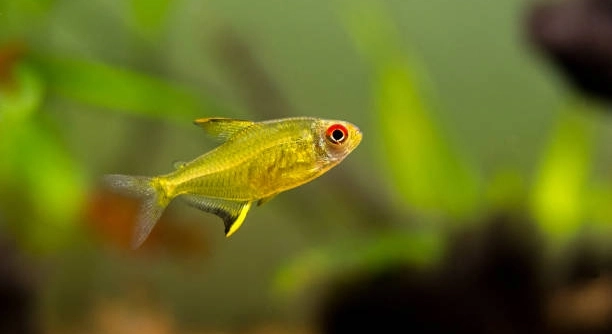
Introducing new plants into an aquarium can be tricky, especially when delicate fish like Lemon Tetras are involved. Their sensitivity to sudden changes in environment makes careful planning essential for maintaining a calm and healthy tank.
The best method for introducing plants without disturbing Lemon Tetras involves gradual acclimation. Gently rinse and trim plants, place them in less crowded areas first, and monitor the fish for signs of stress. Slow integration reduces agitation and maintains water stability.
Proper placement and observation are key to creating a harmonious environment. Small steps can make a significant difference in your aquarium’s overall health and balance.
Choosing the Right Plants
Selecting plants that are compatible with Lemon Tetras is essential for maintaining a peaceful aquarium. Hardy plants such as Java Fern, Anubias, and Amazon Sword work well because they do not require frequent disturbance and can thrive in low to moderate light. Floating plants can also help reduce stress by creating shaded areas, giving the fish places to hide when they feel threatened. Avoid plants that shed heavily or release chemicals that may alter water parameters, as this can lead to unnecessary stress or health issues. Choosing slow-growing plants reduces the need for frequent trimming, keeping the aquarium stable.
Hardier plants reduce maintenance and create a more stable environment for the tetras.
In my experience, introducing a mix of rooted and floating plants creates both vertical and horizontal cover. This balance allows Lemon Tetras to explore freely while still feeling secure. Using soft substrates and anchoring plants carefully prevents uprooting, which can stir up debris and unsettle water chemistry. Regularly monitoring the plants for decay and trimming only when necessary ensures the tank remains calm and visually appealing. Over time, the fish become accustomed to the plants, showing natural swimming patterns and increased activity. Careful plant selection and placement can significantly improve their comfort and overall health.
Preparing the Aquarium
Before adding new plants, it’s important to ensure the tank is stable and the water parameters are suitable for both fish and plants.
Thoroughly rinsing plants and removing damaged leaves prevents introducing contaminants.
Preparing the aquarium includes cleaning the substrate and ensuring proper filtration. Water temperature, pH, and hardness should be stable and match the species’ requirements. Using a quarantine container for sensitive plants can help observe for pests or algae before full introduction. Gradually placing plants in the tank, rather than all at once, reduces sudden changes. Organizing plants by size and growth rate also helps maintain structure and avoids overcrowding. Keeping a maintenance routine and observing fish behavior after adding each plant ensures any signs of stress are addressed promptly. By preparing the tank thoughtfully, you create a safer and more balanced environment for Lemon Tetras to thrive.
Introducing Plants Gradually
Start by placing new plants in the corners or edges of the tank. This allows Lemon Tetras to adjust without feeling crowded or threatened by sudden changes in their environment.
Using a small, gentle movement, anchor the plants into the substrate carefully. Avoid stirring the gravel too much, as debris can cloud the water and stress the fish. Begin with one or two plants at a time. Observe the tetras closely for signs of hiding or erratic swimming, which indicates stress. Gradual placement helps maintain water stability and allows the fish to acclimate naturally to their updated surroundings without abrupt disruptions.
Spacing plants strategically is key. I like to alternate taller plants with shorter ones to create layers of cover. This layout provides hiding spots and swim-through areas, letting the tetras explore while feeling safe. Adjust placement slightly over several days rather than all at once. Adding a few floating plants above can soften lighting and reduce immediate exposure. By pacing plant introduction and monitoring fish behavior, I ensure minimal disruption while keeping the tank visually appealing and functional.
Monitoring Fish Behavior
Observe Lemon Tetras closely after planting. Changes in swimming patterns or hiding indicate how well they are adjusting.
Pay attention to feeding habits and interactions between fish and plants.
Monitoring involves daily observation for at least a week after adding new plants. Note if the tetras explore the new areas or remain stressed at the bottom. Adjust plant placement if needed and ensure water flow is not obstructed. Maintain consistent feeding and avoid sudden lighting changes to reduce additional stress. Keeping a log of behavior and water parameters helps track adaptation over time. This careful monitoring ensures the tetras remain healthy and calm while the tank ecosystem stabilizes.
Maintaining Water Quality
Keep water clean by performing regular partial water changes. This prevents debris from accumulating around new plants and reduces stress on Lemon Tetras.
Check filtration and ensure it is running efficiently. Clear water supports healthy plants and stable conditions, allowing the fish to adapt more easily to their updated environment.
Trimming and Pruning
Trim dead or decaying leaves promptly to avoid water contamination. Healthy growth maintains tank balance and prevents algae blooms.
Regular pruning encourages plant health and ensures that the aquarium remains visually organized. Careful trimming avoids disturbing the tetras while promoting a thriving environment for both fish and plants.
Adjusting Light
Provide gentle lighting for new plants, gradually increasing intensity. Strong light too quickly can stress fish and inhibit plant adaptation.
Adjusting light slowly allows both plants and Lemon Tetras to acclimate naturally. Observe fish behavior under new lighting, ensuring they remain calm and active while plants establish themselves in the aquarium.
Observing Long-Term Adaptation
Continue watching fish behavior over several weeks. Gradual acceptance of new plants indicates a stable, healthy tank.
FAQ
How often should I add new plants to my Lemon Tetra tank?
Adding plants should be done gradually, usually one or two at a time. This allows the fish to adjust without stress and prevents water quality from fluctuating. Frequent additions can disturb the tetras and may increase maintenance needs due to debris or decaying leaves.
Can I introduce delicate plants with Lemon Tetras?
Yes, but it requires extra care. Delicate plants should be rinsed thoroughly and anchored gently in the substrate. Place them in less trafficked areas of the tank initially. Observe the fish closely to ensure they do not disturb the plants, and trim damaged leaves promptly.
Will Lemon Tetras eat new plants?
Lemon Tetras are primarily small insectivores, so they rarely eat healthy plants. However, they may nibble on soft or decaying leaves. Using hardy plants like Anubias or Java Fern minimizes the risk of plant damage and maintains a stable environment for the fish.
How do I prevent water clouding when adding plants?
Rinse plants thoroughly before introducing them. Plant slowly, anchoring carefully to avoid stirring up the substrate. Performing partial water changes after planting can remove any debris. Maintaining proper filtration ensures the tank remains clear and reduces stress for the fish.
Should I quarantine plants before adding them?
Quarantining new plants is recommended. This allows you to check for pests, algae, or diseases before full introduction. A quarantine period of a few days can prevent potential issues from spreading to the main tank and helps ensure both plants and fish remain healthy.
Can floating plants affect Lemon Tetras?
Floating plants can actually help. They provide shaded areas, reduce light intensity, and create hiding spots. This is especially useful for shy tetras adjusting to new tank additions. Ensure floating plants do not block filtration or overcrowd the surface, as proper circulation is essential.
How do I know if plants are stressing my tetras?
Signs of stress include erratic swimming, hiding excessively, or refusing food. If these behaviors appear after introducing new plants, consider adjusting plant placement, reducing light intensity, or spacing additions further apart. Gradual acclimation usually resolves stress within a few days.
When is the best time of day to add plants?
Adding plants during low activity periods, such as early morning or evening, can reduce disturbance. Fish are less active, and plants can settle into the substrate with minimal disruption. Avoid adding plants during feeding times to prevent additional stress.
Do I need to adjust water parameters when introducing new plants?
Generally, no major adjustments are necessary for hardy plants and stable tanks. Keep temperature, pH, and hardness consistent. Observe fish behavior after adding plants to ensure they remain calm. Minor changes from decaying leaves or added substrate can be managed with partial water changes.
How should I trim plants without disturbing Lemon Tetras?
Use small, precise tools to remove dead or excess leaves. Trim gradually and avoid sudden movements near the fish. Doing this over several sessions rather than all at once minimizes stress and maintains tank stability while promoting healthy plant growth.
Can I combine different plant types safely?
Yes, combining rooted and floating plants works well. Rooted plants provide structure and cover, while floating plants offer shade. Layering plants creates a balanced environment, allowing Lemon Tetras to explore safely while maintaining comfort and water stability.
What should I do if a plant starts decaying?
Remove decaying parts promptly. Dead leaves can release toxins and cloud water, stressing fish. Replant healthy sections carefully, and monitor water quality. Regular maintenance prevents further issues and ensures the tank remains a safe environment for Lemon Tetras.
How long does it take for fish to fully adapt to new plants?
Adaptation usually occurs within a few days to a week. Gradual introduction, stable water parameters, and proper plant placement help fish acclimate naturally. Continued observation ensures any stress signs are addressed quickly, supporting long-term tank balance and fish health.
Are there plants that should be avoided with Lemon Tetras?
Avoid plants that shed excessively or release substances affecting water chemistry. Fragile or fast-decaying plants can create debris that stresses fish. Stick to hardy, low-maintenance species to maintain a calm and balanced environment for your tetras.
Is it necessary to rearrange existing plants when adding new ones?
Rearrangement is optional but can help balance space and hiding spots. Move plants slowly and carefully to avoid disturbing fish. Gradual changes allow Lemon Tetras to adjust while maintaining a natural and comfortable swimming area.
How do I handle algae growth after adding plants?
Algae may appear if light and nutrients increase. Monitor levels and remove excess algae manually. Adjust lighting duration or intensity if needed. Healthy plants often outcompete algae, creating a stable environment for the fish without aggressive intervention.
Can I use fertilizers with Lemon Tetras?
Yes, but use them sparingly and choose fish-safe options. Overuse can harm water quality and stress tetras. Liquid fertilizers or root tabs for hardy plants work best, applied gradually and monitored closely.
How do I introduce plants without scaring shy tetras?
Place plants near tank edges or corners first. Avoid sudden movements or splashing water. Allow fish to approach new plants on their own time. Patience and careful placement help maintain calm and natural behavior in the aquarium.
What are the signs of a successful plant introduction?
Lemon Tetras swim naturally among plants, explore freely, and continue regular feeding. Plants remain healthy, anchored, and free from damage. Water remains clear, and the tank shows a balanced ecosystem. Gradual acceptance indicates a successful, low-stress introduction for both fish and plants.
Can new plants affect breeding behavior?
Yes, plants provide cover and security, which can encourage natural behaviors including breeding. Dense vegetation or floating plants create hiding spots, making tetras feel safe enough to spawn without added stress. Proper acclimation supports reproductive activity in a healthy environment.
How often should I check fish after adding plants?
Observe fish daily for the first week. Monitor swimming, feeding, and interactions with plants. Continued weekly checks help ensure plants remain stable and fish adapt well, maintaining long-term health and a calm, balanced aquarium.
What should I do if fish show prolonged stress?
Reduce light intensity, slow further plant additions, and ensure water parameters are stable. Provide hiding spots with floating plants or decor. If stress persists, remove recently added plants temporarily and reintroduce them gradually once fish have settled.
How can I make plant introduction easier for myself?
Plan ahead, select hardy species, rinse plants carefully, and space additions over several days. Use precise trimming tools and monitor water conditions closely. Patience and gradual adjustments reduce stress for both the fish and the aquarium, creating a stable, thriving environment.
What is the best overall approach for Lemon Tetras and plants?
Introduce plants slowly, prioritize hardy species, and maintain stable water conditions. Observe fish behavior closely, adjust placement carefully, and perform regular maintenance. This method ensures both plants and Lemon Tetras coexist harmoniously, creating a healthy, visually appealing aquarium ecosystem.
Final Thoughts
Introducing plants into a Lemon Tetra tank requires careful planning and patience. The key is to move slowly and avoid sudden changes that could stress the fish. Choosing hardy, low-maintenance plants like Java Fern, Anubias, or Amazon Sword makes the process much easier. These plants can withstand minor disturbances and provide safe spaces for the tetras. Floating plants are also beneficial, offering shade and hiding spots. Proper plant selection helps maintain stable water conditions while keeping the tank visually appealing. Rinsing plants thoroughly and trimming damaged leaves before adding them ensures that no debris or harmful organisms are introduced. Anchoring plants gently in the substrate prevents uprooting and minimizes clouding. By taking these steps, the aquarium remains balanced, and the tetras can continue swimming comfortably without disruption. Gradual integration is far more effective than adding all plants at once.
Careful observation is important throughout the process. Lemon Tetras are sensitive to changes, and even minor disturbances can cause stress. Monitoring swimming patterns, feeding behavior, and general activity allows you to detect any signs of discomfort early. If the fish hide excessively or swim erratically, adjustments may be needed, such as moving plants to less crowded areas or reducing light intensity. Performing regular partial water changes and ensuring proper filtration also helps maintain a stable environment. Over time, the fish become accustomed to their updated surroundings, and their behavior returns to normal. Maintaining a log of plant growth and fish activity can be useful, especially when introducing multiple plants or experimenting with different layouts. This careful attention ensures that both plants and fish thrive together in a harmonious setup, minimizing stress and creating a healthy aquarium.
Consistency in maintenance is essential for long-term success. Regular trimming of decaying leaves, spacing plants appropriately, and keeping an eye on water parameters all contribute to a stable environment. Adjusting lighting gradually rather than abruptly helps both plants and fish acclimate. Overfeeding should be avoided, as leftover food can decay and affect water quality. Planning the tank layout with layers of tall and short plants creates natural hiding spots and open swimming areas. With patience and careful observation, the Lemon Tetras will adapt well to new plants, displaying natural behavior and exploring their environment confidently. A well-planted tank not only enhances the aesthetic appeal but also supports the health and comfort of the fish, ensuring they remain active, stress-free, and thriving. Following these practices consistently results in a balanced, beautiful, and peaceful aquarium for both the plants and the Lemon Tetras.

Hello,
If you enjoy the content that we create, please consider saying a "Thank You!" by leaving a tip.
Every little bit helps us continue crafting quality advice that supports the health, happiness, and well-being of pets around the world, for pets of all shapes, sizes, and species.
We really appreciate the kindness and support that you show us!