
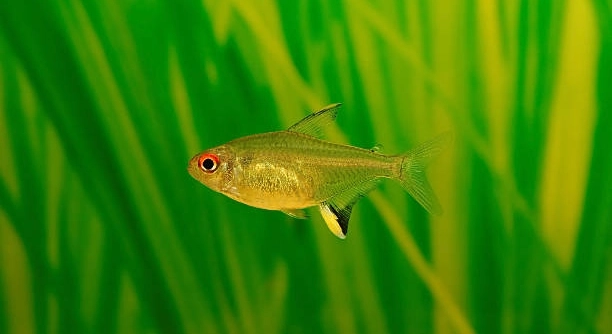
Do you ever notice your Lemon Tetras behaving strangely, even in a well-kept tank? Many hobbyists are surprised when these small, vibrant fish encounter issues that seem unusual or unexpected in their home aquariums.
Lemon Tetra tanks can present several risks that are often overlooked. Water quality fluctuations, overcrowding, incompatible tank mates, and hidden disease sources can all negatively impact fish health and stress levels. Awareness and proper management are essential.
Understanding these risks will help you create a safer environment for your Lemon Tetras and maintain their health and vibrancy over time.
Sudden Water Quality Changes
Water quality in a Lemon Tetra tank can change quickly, even with regular maintenance. I’ve noticed that fluctuations in pH, temperature, or ammonia levels often stress the fish before visible signs appear. Small tanks are especially sensitive because toxins accumulate faster, and even minor shifts can affect fish behavior. Overfeeding, leftover food, and decaying plants contribute to sudden spikes in ammonia or nitrites. It’s important to test water frequently and keep a consistent schedule for partial water changes. Using a reliable water conditioner can help stabilize parameters, and keeping a thermometer nearby ensures the temperature doesn’t swing too much. I’ve learned that observing my fish daily gives clues about unseen water issues, like lethargy, faded colors, or unusual swimming patterns. Plants and gentle filtration also help maintain balance, but even then, regular monitoring is key. Maintaining stable water conditions reduces stress and prevents illnesses that could have been easily avoided.
Regular water testing and consistent maintenance help prevent stress and disease in Lemon Tetras. Immediate action on changes is necessary for their health.
Monitoring your tank closely and adjusting conditions slowly creates a safer, more predictable environment. Fish respond better to gradual changes, making everyday care less stressful.
Incompatible Tank Mates
Lemon Tetras are small and generally peaceful, but some fish species can be aggressive or overly dominant. I’ve experienced issues when pairing them with larger cichlids, fin-nippers, or very active fish. Aggression can lead to injuries, stress, and even death if not addressed promptly. Tank mates that chase or crowd them make it difficult for Lemon Tetras to feed properly or rest, which impacts growth and overall well-being. Choosing compatible species requires understanding temperament, size, and activity levels. Even fish that seem calm can develop unexpected behaviors under stress, especially during feeding or breeding periods. Observing interactions in the first few weeks after introducing new fish helps prevent long-term problems. Smaller schools of Lemon Tetras are more vulnerable, so keeping them in groups of six or more improves confidence and reduces bullying. Adjusting decorations, providing hiding spots, and carefully monitoring behavior ensures a peaceful tank environment.
Choosing peaceful, similarly sized fish reduces stress and protects the health of your Lemon Tetras over time.
Overcrowding
Overcrowding quickly stresses Lemon Tetras and can lead to poor water quality. Each fish needs enough space to swim and hide. Too many fish in a small tank increases waste, encourages aggression, and reduces oxygen levels.
I’ve learned that even a small increase in fish numbers can create tension in the tank. Overcrowding can cause fish to compete for food, leave some individuals malnourished, and make hiding spots scarce. Stress from limited space weakens their immune systems, making them more susceptible to disease. It’s important to follow stocking guidelines and observe behavior closely when adding new fish. Adjusting the number of inhabitants and providing adequate plants or decorations for shelter helps maintain a calm environment.
Keeping Lemon Tetras in an appropriately sized tank not only reduces stress but improves overall health and color vibrancy. Spacing fish properly prevents fights and ensures everyone can access food and safe areas, leading to a more balanced, peaceful tank.
Disease Outbreaks
Diseases can spread quickly in a Lemon Tetra tank if precautions aren’t taken. Sick fish often hide symptoms until the illness is advanced, making early detection vital. Quarantining new fish before adding them to the main tank reduces the risk.
I’ve dealt with fin rot and ich firsthand. Both can worsen quickly when water quality is unstable or fish are stressed. Observing your fish for small changes, like clamped fins, pale colors, or unusual swimming, helps catch issues early. Using high-quality food and avoiding overcrowding strengthens their immune systems. Treating water and fish promptly can stop a minor issue from becoming deadly. Regular cleaning and careful monitoring are essential to maintain a healthy tank.
A consistent routine of feeding, cleaning, and checking water parameters minimizes disease risks. Preventive care ensures Lemon Tetras remain active, vibrant, and healthy, reducing the chance of serious outbreaks in your tank.
Improper Diet
Feeding Lemon Tetras only flakes can lead to nutrient deficiencies. They need variety, including frozen or live foods, to stay healthy.
I’ve noticed brighter colors and more energy when adding daphnia or brine shrimp. A balanced diet supports growth, immunity, and overall vitality, preventing common health issues in the tank.
Sudden Temperature Fluctuations
Rapid changes in water temperature can shock Lemon Tetras, affecting their metabolism and immune system. Even small swings from heaters or cold drafts can trigger stress responses. Maintaining a stable temperature within their preferred range is essential. Regular monitoring and gradual adjustments prevent illness and behavioral issues.
Hidden Decorations Hazards
Sharp or rough tank decorations can injure Lemon Tetras. I’ve seen fins get torn on jagged rocks or poorly finished ornaments. Smooth surfaces and careful placement prevent accidents while still providing hiding spots and visual interest for the tank.
FAQ
How often should I test my Lemon Tetra tank water?
I test my tank water at least twice a week. Lemon Tetras are sensitive to ammonia, nitrites, and sudden pH changes. Frequent testing helps catch small problems before they stress the fish. Using reliable test kits and keeping a log makes it easier to notice patterns.
What is the ideal tank size for Lemon Tetras?
A minimum of 20 gallons is best for a small school. I’ve found that a larger tank gives them room to swim freely and reduces stress. Overcrowding can quickly cause aggression, weaker immune systems, and poor water quality.
Can Lemon Tetras live with other fish?
Yes, but compatibility is key. I avoid larger, aggressive species and choose peaceful, small fish. Even calm fish can stress Lemon Tetras if the tank is too small or hiding spots are limited. Observing interactions after adding new fish is essential.
What should I feed Lemon Tetras daily?
A mix of high-quality flakes, frozen, or live foods works best. I rotate between brine shrimp, daphnia, and micro worms. Variety keeps their colors vibrant and supports strong immune systems. Feeding small portions twice a day prevents leftover food from fouling the water.
How can I prevent disease outbreaks?
Maintaining clean water, avoiding overcrowding, and quarantining new fish helps a lot. I also keep an eye on behavior daily. Early detection of changes, like clamped fins or faded colors, allows treatment before illness spreads. A healthy diet also strengthens their immunity.
How many Lemon Tetras should I keep together?
I keep at least six to form a proper school. They feel safer in groups, swim more confidently, and display natural behavior. Smaller groups are more stressed and may hide or become targets of aggression from tank mates.
What temperature do Lemon Tetras prefer?
They do well between 72 and 78°F. I use a heater with a thermostat to maintain a steady temperature. Sudden shifts can shock their system, weaken immunity, and make them more susceptible to disease.
Do plants benefit Lemon Tetras?
Yes, heavily planted tanks reduce stress and provide hiding spots. I’ve noticed they swim more naturally and are less skittish when plants are available. Plants also help absorb nitrates, improve water quality, and create a more natural environment.
How often should I clean the tank?
Partial water changes of 20–25% weekly work well. I avoid deep cleaning that disrupts beneficial bacteria. Cleaning filters carefully and removing debris ensures water quality stays stable without harming the tank’s ecosystem.
What signs show my Lemon Tetras are stressed?
Clamped fins, faded colors, hiding, or erratic swimming are common signs. I pay close attention to behavior daily. Stress can come from poor water quality, incompatible tank mates, or overcrowding. Identifying the cause early prevents serious health problems.
Can Lemon Tetras handle sudden changes in environment?
Not well. I always acclimate new fish slowly to the tank. Sudden changes in temperature, water chemistry, or lighting can shock them. Gradual adjustment helps them settle and reduces stress, making them more active and healthy in the long term.
Are decorations safe for Lemon Tetras?
Only if smooth and properly placed. I avoid sharp or rough decorations that can tear fins. Soft plants, driftwood, and smooth stones work well. Providing hiding spots is important, but safety comes first to prevent injuries and infections.
How long do Lemon Tetras usually live?
With proper care, they can live 3–5 years. I’ve found that stable water conditions, a balanced diet, and peaceful tank mates extend their lifespan. Regular observation and preventive care make a big difference in keeping them healthy for years.
Is it necessary to have a filter in the tank?
Absolutely. I always use a gentle filter to maintain water quality and circulation. Filters remove waste and toxins, which are critical for Lemon Tetras. A well-maintained filter reduces stress and supports a healthy tank ecosystem, preventing sudden water issues.
Can I keep Lemon Tetras in a small tank?
Small tanks under 20 gallons are risky. I avoid them because they are more prone to water fluctuations and stress. Even a few fish can produce waste that quickly alters water quality, making it harder to maintain stable conditions and keep them healthy.
How do I introduce new fish to the tank?
Quarantine new fish for at least two weeks. I observe them closely for signs of illness. Gradually acclimating them to water temperature and chemistry prevents shock. Careful introduction protects existing Lemon Tetras and keeps the tank environment safe and stable.
What is the best lighting for a Lemon Tetra tank?
Moderate lighting works best. I use lights that mimic natural daylight cycles. Too bright can stress them, and too dim can affect plant growth. Maintaining a regular light schedule helps them maintain normal behavior and coloration.
How can I make my Lemon Tetras more active?
Providing space, plants, and a balanced diet encourages natural swimming patterns. I’ve noticed they become livelier when in schools and with hiding spots. Avoid overcrowding and sudden environmental changes, which can reduce activity and increase stress.
Is it necessary to monitor pH daily?
Regular checks are important, especially in small tanks. I test pH weekly unless I notice unusual behavior. Lemon Tetras prefer slightly acidic to neutral water, and sudden changes can cause stress or illness. Monitoring ensures stable and healthy conditions.
Can Lemon Tetras live without live plants?
Yes, but live plants improve water quality and reduce stress. I always include a mix of plants because they provide hiding spots, absorb nitrates, and make the tank feel natural. Even artificial plants are better than none, but live plants offer extra benefits.
How do I know if my tank is overcrowded?
Behavior is a good indicator. I watch for aggression, hiding, or difficulty accessing food. Overcrowding also causes rapid water quality decline. Following stocking guidelines and observing fish daily helps keep the population balanced and healthy.
How important is water movement in the tank?
Gentle water movement is essential. I keep the flow slow so Lemon Tetras aren’t stressed. Proper circulation prevents dead spots, improves oxygenation, and helps maintain consistent temperature and water quality. Too strong a current can exhaust them and increase stress levels.
Should I feed my Lemon Tetras at the same time every day?
Yes, routine feeding reduces stress. I feed small portions twice daily at consistent times. This helps maintain stable water quality, prevents overeating, and ensures all fish get enough food, keeping them healthy and active.
Can sudden lighting changes affect Lemon Tetras?
Yes, they can be startled by abrupt bright lights. I use gradual transitions or dim lighting in the morning and evening. Sudden changes can trigger stress, cause hiding, or reduce feeding activity, so predictable light cycles improve their well-being.
What is the easiest way to prevent fin damage?
Smooth decorations, compatible tank mates, and careful handling are key. I avoid sharp objects and aggressive fish. Stress and fighting are major causes of torn fins, so providing hiding spaces and a calm environment keeps them healthy.
How can I tell if a fish is sick early?
Look for changes in behavior, color, and appetite. I watch my Lemon Tetras daily for clamped fins, faded colors, or unusual swimming. Early detection allows treatment before the disease spreads or becomes fatal. Regular monitoring is essential for preventive care.
Are Lemon Tetras sensitive to temperature drops at night?
Yes, sudden drops can stress them. I maintain a stable heater and avoid cold drafts near the tank. Even a few degrees change can weaken immunity, making them more susceptible to disease. Gradual and consistent temperature is crucial for health.
Is feeding only flakes enough for Lemon Tetras?
No, flakes alone are insufficient. I add frozen or live foods to provide protein and nutrients. A varied diet ensures growth, vibrant color, and strong immunity, reducing susceptibility to disease and improving overall activity.
How do I reduce stress in Lemon Tetras?
Stable water conditions, compatible tank mates, proper feeding, and hiding spots reduce stress. I also monitor behavior and avoid overcrowding. A calm environment encourages natural swimming, healthy immune systems, and longevity. Stress is a major factor in disease, so prevention is essential.
Can I keep other fish in the same tank during disease treatment?
It depends on the medication. I sometimes remove sensitive fish or use separate tanks. Treatments can harm other species, so reading instructions carefully and monitoring all fish is necessary to prevent unintended stress or injury.
How often should I replace the filter media?
I replace it every 4–6 weeks, depending on tank load. Proper maintenance ensures filtration efficiency without harming beneficial bacteria. Cleaning the media gently during water changes keeps the tank healthy while preserving biological balance.
Do Lemon Tetras need special lighting to show color?
Moderate lighting enhances their natural colors. I use lights that mimic daylight but avoid overly intense illumination. Balanced lighting improves appearance while supporting plant growth and keeping fish behavior normal and calm.
How do I acclimate new Lemon Tetras to the tank?
Float the bag for 15–20 minutes, then gradually mix tank water over 30–60 minutes. I’ve found this reduces shock from temperature or chemical differences. Slow acclimation keeps them calm and healthy when introduced to a new environment.
What is the best way to clean the tank without harming the fish?
Partial water changes, gentle substrate vacuuming, and careful filter maintenance work best. I avoid deep cleaning that disrupts bacteria. Cleaning weekly keeps the tank safe and stable while maintaining water quality and fish health.
How important is hiding space in the tank?
Very important. Lemon Tetras feel safer with plants, caves, or decorations. I’ve noticed less stress and more natural swimming when hiding spots are available. They use these areas to rest, escape aggression, and reduce anxiety in the tank.
Can overfeeding cause health problems?
Yes, leftover food decays and harms water quality. I feed small portions twice daily and remove uneaten food. Overfeeding can lead to obesity, poor water conditions, and increased risk of disease, so careful portion control is essential.
Do Lemon Tetras need a specific water hardness?
They prefer soft to moderately hard water. I monitor hardness and keep it consistent. Sudden changes can stress fish and affect breeding or growth. Soft water with stable parameters supports long-term health and reduces susceptibility to disease.
Is regular observation necessary for tank health?
Absolutely. I watch my Lemon Tetras daily for behavior, appetite, and appearance. Regular monitoring catches issues early, from water problems to disease. Observing daily helps maintain a stable, healthy environment and ensures the fish remain active and vibrant.
How long should feeding sessions last?
A few minutes is enough. I feed until fish eat comfortably, then remove leftovers. Short, controlled feeding prevents water pollution, reduces stress, and keeps Lemon Tetras healthy and active without overloading the tank with waste.
Can I mix live and frozen foods?
Yes, combining both ensures variety. I alternate brine shrimp, daphnia, and micro worms. This keeps the diet balanced, maintains color, and supports immunity. Variety is key for long-term health and reduces the chance of nutrient deficiencies.
Are Lemon Tetras affected by sudden loud noises?
Yes, they can startle easily. I keep tanks away from vibrations or frequent banging. Loud noises stress them, reduce activity, and can trigger hiding. A quiet, stable environment keeps them calm and healthy.
Do Lemon Tetras need a lid on the tank?
Yes, a lid prevents jumping and keeps water conditions stable. I’ve seen them leap during feeding or when startled. A secure cover protects fish and maintains temperature and humidity balance, preventing unnecessary stress.
How do I encourage schooling behavior?
Keeping at least six fish together and providing open swimming space helps. I notice more synchronized movement and less hiding in proper schools. Grouping encourages natural behavior, reduces stress, and keeps them active and vibrant.
Is it okay to rearrange the tank often?
Frequent changes can stress Lemon Tetras. I make adjustments slowly and keep hiding spots consistent. Sudden rearrangements disrupt territories and swimming patterns, so gradual changes are best for a stable, calm environment.
How can I tell if a fish is underfed?
Slower movement, faded colors, or competition at feeding time are signs. I watch behavior closely and adjust portions. Ensuring each fish receives enough food keeps them healthy, reduces stress, and maintains energy levels.
Can Lemon Tetras live with snails or shrimp?
Yes, peaceful invertebrates usually coexist well. I’ve kept snails and small shrimp without issues. Avoid larger, aggressive species that might prey on them. Tank conditions and proper feeding help maintain harmony between species.
What is the maximum number of Lemon Tetras for a 20-gallon tank?
I keep 10–12 comfortably. More than this can lead to overcrowding and stress. Adequate swimming space, hiding spots, and proper filtration ensure all fish remain healthy and active without conflict.
Do Lemon Tetras need a quarantine tank?
Yes, especially for new fish. I quarantine for two weeks to prevent introducing disease. Observation during this period allows treatment of any illness before mixing with the main tank, protecting existing fish.
How can I prevent algae growth?
Moderate lighting, avoiding overfeeding, and maintaining proper water changes helps. I also include live plants to compete with algae for nutrients. Excess nutrients and strong lighting increase algae, which can harm water quality and stress fish.
What is the best water conditioner to use?
A conditioner that neutralizes chlorine and chloramine is essential. I use a trusted brand to remove harmful chemicals. Proper treatment ensures safe water and prevents stress or injury to delicate Lemon Tetras.
Can I use tap water directly in the tank?
No, untreated tap water can harm fish. I always use a conditioner and let it sit if necessary. Chlorine, chloramine, and heavy metals can be toxic, so proper preparation is essential before adding water to the tank.
How do I prevent tank glass from getting dirty quickly?
Regular cleaning, balanced feeding, and plant coverage help. I wipe the glass weekly and avoid overfeeding to reduce residue. A clean tank improves aesthetics and provides a healthy environment for Lemon Tetras.
Are Lemon Tetras suitable for beginners?
Yes, with proper care. I recommend monitoring water, avoiding overcrowding, and feeding a varied diet. Attention to water quality, tank mates, and stable conditions ensures they thrive, even for less experienced fish keepers.
How do I deal with aggressive tank mates?
Remove or separate aggressive fish immediately. I’ve seen smaller Lemon Tetras get injured by dominant species. Providing hiding spots and avoiding incompatible fish prevents stress and ensures a peaceful, safe environment.
Can I keep only two Lemon Tetras together?
No, small groups become stressed. I always keep at least six to encourage schooling. Isolation leads to hiding, reduced activity, and weaker immune systems. Adequate group size improves health and natural behavior.
What is the best substrate for a Lemon Tetra tank?
Fine gravel or sand works best. I use smooth substrates to prevent injuries and allow easy plant rooting. Substrate choice affects aesthetics, water quality, and overall safety for delicate fish.
Can I use tap water conditioners with live plants?
Yes, most are safe. I always check labels to avoid harming plants. Proper conditioning keeps fish safe without affecting plant growth or the balance of beneficial bacteria.
How long does it take for Lemon Tetras to adjust to a new tank?
A few days to a week is normal. I watch behavior closely, ensuring they eat and swim normally. Gradual acclimation reduces stress and helps them settle into their environment safely.
Can sudden noises or vibrations harm Lemon Tetras?
Yes, they startle easily. I keep tanks in quiet areas to prevent stress. Loud sounds or vibrations disrupt swimming, feeding, and general well-being, so a stable, calm environment is important.
What is the best feeding schedule?
Twice daily in small portions works well. I feed morning and evening, removing leftovers promptly. Consistent feeding routines reduce waste, prevent stress, and support healthy growth and color in Lemon Tetras.
How can I tell if water conditions are optimal?
Clear water, active swimming, bright colors, and normal feeding indicate healthy conditions. I also test for ammonia, nitrites, and pH regularly. Stable water ensures long-term health and reduces disease risk.
Do Lemon Tetras require a specific tank shape?
Not specifically, but horizontal swimming space is important. I’ve found longer tanks allow more natural movement and schooling behavior. Height is less critical, but stability and volume matter most for water quality and swimming freedom.
Can I use artificial plants instead of live ones?
Yes, but live plants offer more benefits. I use a mix to provide hiding spaces, improve water quality, and reduce stress. Artificial plants are easier to clean, but they don’t absorb nutrients like live plants do.
How important is daily observation?
Extremely important. I watch for changes in behavior, color, or appetite. Daily checks catch minor issues before they become serious. Observing fish closely helps maintain a stable, healthy environment.
Can over-cleaning harm Lemon Tetras?
Yes, removing too much beneficial bacteria destabilizes the tank. I clean filters gently and avoid deep substrate scrubbing. Maintaining balance is key to water quality and fish health.
Is a lid necessary to prevent jumping?
Yes, Lemon Tetras sometimes jump when startled. I always use a secure lid. It keeps fish safe, maintains humidity, and prevents accidental escapes.
Can sudden feeding changes affect Lemon Tetras?
Yes, abrupt diet changes can stress them or cause digestive issues. I introduce new foods gradually, mixing them with familiar options. This ensures proper nutrition without upsetting their system.
How do I prevent fin damage in Lemon Tetras?
Smooth decorations, gentle tank mates, and careful handling prevent injury. I monitor interactions and provide hiding spaces. Avoiding rough objects and aggressive fish helps maintain healthy fins.
Are small schools enough for social behavior?
Six or more fish work best. I’ve noticed smaller groups are shy and stressed. Larger schools promote confidence, active swimming, and natural interactions, improving overall health and vibrancy.
Can water hardness affect health?
Yes, sudden changes in hardness stress Lemon Tetras. I monitor levels and keep them consistent. Soft to moderately hard water supports growth, immune function, and reduces susceptibility to disease.
How do I acclimate new fish safely?
Float the bag in tank water, then slowly mix water over 30–60 minutes. Gradual acclimation reduces shock from temperature or chemical differences. This helps fish adjust comfortably and reduces stress.
What’s the best way to reduce algae growth?
Moderate lighting, regular water changes, and careful feeding prevent excess nutrients. I also include live plants to compete with algae. Balanced conditions keep
Keeping Lemon Tetras can be very rewarding, but it comes with responsibilities that are easy to overlook. These small fish are sensitive to changes in their environment, and even minor issues can affect their health and behavior. From water quality to tank mates and feeding habits, every aspect of care matters. I have found that paying attention to details like water testing, regular cleaning, and observing behavior makes a noticeable difference. When tanks are well-maintained and stable, Lemon Tetras appear more vibrant, active, and confident, which is satisfying to see after consistent care. It is important to remember that they are schooling fish, so maintaining proper group sizes and providing enough space encourages natural behaviors and reduces stress.
Another critical aspect is diet and nutrition. Lemon Tetras thrive on a varied diet that includes flakes, frozen, and live foods. Relying solely on one type of food can lead to nutrient deficiencies and dull colors. I have seen firsthand how introducing a mix of foods can improve their energy levels and enhance their appearance. Small, consistent feedings prevent overfeeding, which can harm water quality and increase the risk of disease. Even with proper diet, other factors like tank size, decorations, and temperature stability play a role in keeping fish healthy. A tank that is overcrowded, has rough surfaces, or experiences rapid temperature swings will cause stress even if nutrition is ideal. Therefore, holistic care is essential to maintain long-term health.
Preventing stress and disease is central to Lemon Tetra care. These fish are prone to illnesses if water conditions are poor, tank mates are aggressive, or there are hidden hazards in the tank. I have learned that regular observation, careful selection of tank mates, and proper quarantine for new fish are simple but effective strategies. Stable water parameters, clean equipment, and well-placed hiding spots further reduce stress and encourage natural behavior. Even small daily habits, like checking the water, removing uneaten food, and watching swimming patterns, can prevent many common problems. Ultimately, success with Lemon Tetras comes from consistent attention and thoughtful planning. By keeping the tank stable, feeding them properly, and monitoring their environment, it is possible to maintain a healthy, lively school of Lemon Tetras for years. These practices ensure they remain active, colorful, and resilient, making the effort worthwhile.

Hello,
If you enjoy the content that we create, please consider saying a "Thank You!" by leaving a tip.
Every little bit helps us continue crafting quality advice that supports the health, happiness, and well-being of pets around the world, for pets of all shapes, sizes, and species.
We really appreciate the kindness and support that you show us!