
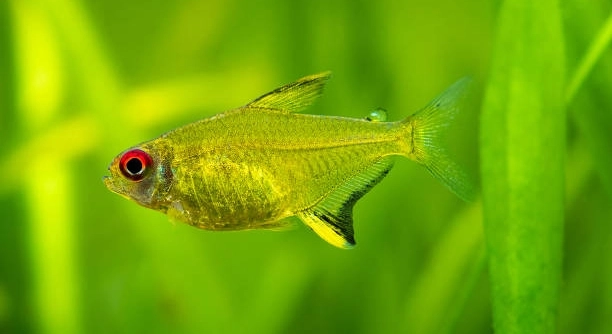
Have you ever noticed your lemon tetras acting a bit different during your daily tank checks, making you wonder if something might be affecting their peaceful routine in subtle yet important ways within their world.
Signs of lemon tetra stress often appear through changes in behavior and coloration, indicating disruptions in their stability. Stress responses commonly include erratic swimming patterns, reduced feeding interest, and increased hiding, reflecting physiological strain and potential imbalances in water parameters.
Each subtle shift carries meaning that helps you recognize early stress patterns, guiding thoughtful choices for supporting healthier aquarium environment.
Faded Coloration
Lemon tetras often reveal early stress through subtle color changes that appear gradually over several days. When their usual bright tones begin to fade, it can signal discomfort related to water quality, temperature shifts, or tank disturbances. As a woman who spends time observing small details in her aquarium, I’ve learned that faded coloration usually develops before other noticeable behaviors begin. This change reflects how sensitive these fish are to their surroundings, especially when exposed to unstable conditions. Maintaining balanced parameters helps restore their natural brightness while reducing unnecessary strain. Even minor fluctuations can impact their appearance, so keeping consistent care is important for supporting their comfort. Understanding this sign allows you to address issues before they become more serious, giving your fish a better chance to return to their calm routine. Watching them regain their natural glow offers reassurance that your adjustments have helped improve their overall wellbeing today.
Keeping an eye on subtle color shifts helps you respond quickly and maintain steady conditions for your lemon tetras. Consistency supports their comfort, allowing them to settle back into normal behavior without added strain. Small improvements in care often lead to noticeable changes in their overall appearance over time naturally.
Faded coloration often coincides with mild behavioral changes that become easier to notice once you understand your fish’s usual habits. When brightness lessens, it is a gentle reminder to review water parameters, filtration efficiency, and tank stability. As a woman who values simple routines, I find that regular maintenance prevents unnecessary stress while helping these delicate fish maintain their natural beauty. Adjusting lighting, improving circulation, and offering a calm environment can support their recovery. With steady care, their color gradually returns, reflecting healthier conditions. This process highlights the importance of consistent observation and thoughtful adjustments that keep your aquarium balanced.
Erratic Swimming Behavior
Erratic swimming can appear suddenly when lemon tetras face environmental pressure or discomfort, making their movements sharp or uncoordinated. Understanding this behavior helps you respond quickly by checking water stability and tank harmony, ensuring your fish remain comfortable while preventing escalating stress from affecting their usual calm nature each day.
Lemon tetras rely on stable, predictable surroundings to maintain steady movement patterns, and any disruption can influence how they navigate their space. Erratic swimming is often linked to inconsistent water quality, temperature fluctuations, loud disturbances around the tank, or aggression from other fish. When their movements become rapid or uneven, it indicates that their comfort has been affected and immediate attention is helpful. As a woman who values gentle routines, I’ve learned that creating a quieter, balanced setting supports their ability to regain control of their movements. Checking ammonia, nitrite, and nitrate levels offers clarity on potential issues, while observing interactions between tank mates can reveal hidden triggers. Improvements in filtration, lighting, and overall tank layout also contribute to a calmer environment. Offering hiding spaces or adjusting flow strength further reduces pressure that might cause frantic swimming. With steady care and awareness, these fish settle back into their smooth patterns, showing that thoughtful changes can ease their stress. These adjustments work best when applied with patience, allowing the tank to stabilize and support calmer behavior. Careful observation over time helps you identify early signs of discomfort, making it easier to maintain a steady environment that keeps your tetras comfortable each day.
Loss of Appetite
Loss of appetite appears when lemon tetras experience discomfort from unstable water conditions or tank disturbances. Reduced feeding signals internal strain and often emerges before other behaviors shift. Addressing water quality and maintaining calm surroundings helps restore their interest in food and supports steadier daily habits that ease their stress.
When lemon tetras begin refusing food, it reflects how sensitive they are to subtle changes in their surroundings. As a woman who watches feeding routines closely, I’ve learned that this sign can develop quickly after temperature swings, filtration issues, or elevated waste levels. Offering small, consistent feedings helps you track improvements while allowing their systems to recover naturally. Adjusting lighting, checking flow strength, and removing excess debris support their comfort. Once conditions stabilize, their appetite often returns, showing that simple corrections make a noticeable difference for these delicate fish.
Maintaining a predictable feeding schedule helps reduce unnecessary pressure on lemon tetras already dealing with stress. Consistent care allows them to focus on recovery rather than adapting to shifting conditions. A calm setting, balanced parameters, and gentle observation gradually restore their willingness to eat. Over time, their feeding behavior becomes a reliable indicator of overall stability within your aquarium.
Increased Hiding
Increased hiding becomes noticeable when lemon tetras feel uneasy, especially after changes in water quality, loud noises, or disruptions around the tank. This behavior reflects their need for reassurance and calmer surroundings while they adjust to conditions that feel unfamiliar or uncomfortable during their regular routine.
When lemon tetras retreat into plants and decorations more than usual, it shows that something in their environment has disrupted their comfort. As a woman who values quiet, steady settings, I’ve seen how sensitive these fish can be to sudden movements, aggressive tank mates, or bright lighting. Providing shaded areas and gentle filtration helps ease their tension. Balanced parameters, stable temperature, and reduced disturbances allow them to venture out more confidently. Adding soft hiding spots encourages exploration without overwhelming them. Over time, this approach creates a supportive atmosphere that helps them feel secure while gradually reducing their need to hide so frequently.
Rapid Gill Movement
Rapid gill movement appears when lemon tetras struggle with oxygen levels or elevated toxins in the water. This sign reflects immediate discomfort and should be addressed by improving aeration, checking filtration, and ensuring that parameters remain stable throughout their daily environment for steady comfort.
Noticing this sign early helps prevent escalating stress. As a woman who watches her tank closely, I’ve seen how quickly gill movement settles once oxygen improves and debris is removed. Simple adjustments like adding gentle surface agitation or cleaning the filter create relief that supports healthier breathing patterns.
Clamped Fins
Clamped fins signal tension caused by unstable conditions, temperature swings, or underlying irritation. When the fins pull inward and lose their natural spread, it shows that the fish is trying to conserve energy. Supporting stable water chemistry and soft lighting helps ease their discomfort and encourages steadier behavior.
Lethargy
Lethargy develops when lemon tetras feel overwhelmed by stress, leading them to move slowly and rest more often. This shift reflects drained energy and often improves once conditions stabilize. Gentle care, balanced parameters, and a calm setting help them regain their usual rhythm and confidence.
FAQ
How can I tell the difference between normal behavior and stress in lemon tetras?
Normal behavior includes smooth swimming, steady coloration, predictable schooling, and a healthy appetite. Stress shows up through changes that stand out from their usual rhythm, such as fading color, hiding more often, rapid gill movement, or sudden disinterest in food. As a woman who spends quiet time watching her tank, I’ve learned that consistency is the key sign of comfort. When something shifts suddenly or feels out of place, it usually points to stress. Paying attention to daily patterns helps you understand what is normal for your fish and what signals discomfort. Over time, these observations give you reliable guidance for supporting your tetras in a calm, balanced setting.
What water conditions are most important for preventing stress?
Stable water parameters are essential for keeping lemon tetras comfortable. They thrive in clean, well filtered water with consistent temperatures, balanced pH levels, and low ammonia, nitrite, and nitrate levels. Even small fluctuations can create pressure that leads to stress signs. I’ve found that gentle routines like weekly partial water changes, careful feeding, and keeping debris under control make a noticeable difference. Testing regularly helps you catch problems early. Creating a steady environment allows the fish to settle into predictable habits, which supports healthier behavior and reduces stress related issues that often develop when conditions shift too quickly.
Why do lemon tetras hide more when stressed?
Hiding offers them immediate comfort during moments of instability. When something feels off, they retreat to shaded plants or decorations to reduce stimulation and regain a sense of safety. This behavior becomes more noticeable when lighting is too bright, when tank mates act aggressively, or when sudden noise startles them. As a woman who values calm spaces, I understand how helpful a quiet corner can feel. Providing soft hiding areas, stable lighting, and gentle filtration will help them reemerge at their own pace. Once the environment settles, their confidence usually returns, and they resume their usual swimming patterns.
Can lemon tetras recover from stress quickly?
Recovery depends on the cause and how quickly it is corrected. When water conditions are the issue, improvements often appear within hours or days after stabilizing the tank. Behaviors like clamped fins and rapid gill movement may ease once oxygen levels rise or toxins are removed. More complex stressors, like bullying or sudden changes in tank layout, may take longer to resolve. With steady, patient care, their behavior gradually returns to normal. I’ve seen how simple steps like improving circulation or reducing disturbances can help them regain their comfort over time. Consistency plays the biggest role in supporting strong recovery.
What should I do first when I notice a stress sign?
The first step is always checking water parameters, since most stress signs begin with quality issues. Testing ammonia, nitrite, nitrate, and temperature gives immediate clarity. If something is off, correcting it gently helps your fish begin to settle. Watching interactions between tank mates is also helpful, especially if you suspect aggression. Small adjustments like improving aeration, reducing feeding temporarily, or cleaning debris can support their comfort. As a woman who prefers simple routines, I focus on steady corrections rather than drastic changes. This approach prevents overwhelming the fish and keeps the tank stable while they recover.
Can tank mates cause lemon tetra stress?
Yes, tank mates can influence behavior. Lemon tetras are peaceful and prefer calm communities. Aggressive or fast moving species may chase, nip fins, or disrupt schooling, creating a stressful environment. Observing the group dynamic helps you identify problem behaviors. If conflict appears, separating disruptive fish or adjusting the tank layout may help restore peace. Adding plants or hiding spaces can reduce pressure by giving each fish a place to retreat. With thoughtful choices, your tetras can live alongside suitable companions without unnecessary tension.
How often should I monitor lemon tetras for stress signs?
Daily observation works best. Spending a few minutes each day watching their movement, breathing, and color helps you recognize changes early. This simple habit allows you to maintain a stable tank and avoid issues that develop quietly. Over time, you become familiar with their normal behavior, making stress signs easier to detect and address.
Final Thoughts
Caring for lemon tetras becomes easier when you learn to recognize the small signs that tell you something in their environment needs attention. These fish express stress through subtle behaviors, and noticing these changes early helps you correct problems before they become more serious. A calm and balanced tank creates a safe space where they can thrive, and supporting that stability is an ongoing part of keeping them healthy. As a woman who enjoys observing steady routines in an aquarium, I find that simple habits like watching their color, movement, and breathing patterns each day offer helpful clues. These gentle moments of observation build an understanding of what your fish need, allowing you to make thoughtful adjustments that strengthen their comfort and overall wellbeing. When you give them a stable environment, they respond with calmer behavior, brighter color, and more predictable habits that show they feel secure.
Stress in lemon tetras is often triggered by changes that might seem small at first, such as a shift in temperature, stronger water flow, or increased noise in the room. Because these fish are sensitive, each change has the potential to influence how they act. Maintaining stable water parameters is one of the most important ways to reduce stress, and this involves steady care rather than complicated routines. Regular water changes, gentle cleaning, and consistent feeding help prevent the buildup of waste that can create discomfort. Watching how they interact with tank mates also helps you notice tension or aggression that could go unnoticed. Adjusting the tank layout, adding plants, or softening the lighting can help them feel safe again. These simple steps often create a calm environment that encourages them to swim naturally and interact with the tank more confidently.
Understanding your lemon tetras and the signals they give is an ongoing process that becomes more natural with time. Each moment spent observing their patterns teaches you something new about what they prefer and what makes them uneasy. When stress appears, it is not a sign of failure but a reminder to review their surroundings. With steady attention, you can support a tank that remains peaceful and predictable. Over time, this consistency helps your tetras settle into their environment and show healthier, brighter behaviors that reflect how well they are cared for. A balanced tank brings out the best in these gentle fish, and simple care habits are often enough to maintain that stability. By responding to their needs with patience and awareness, you create a space where they can continue to grow, explore, and move with ease each day.

Hello,
If you enjoy the content that we create, please consider saying a "Thank You!" by leaving a tip.
Every little bit helps us continue crafting quality advice that supports the health, happiness, and well-being of pets around the world, for pets of all shapes, sizes, and species.
We really appreciate the kindness and support that you show us!