
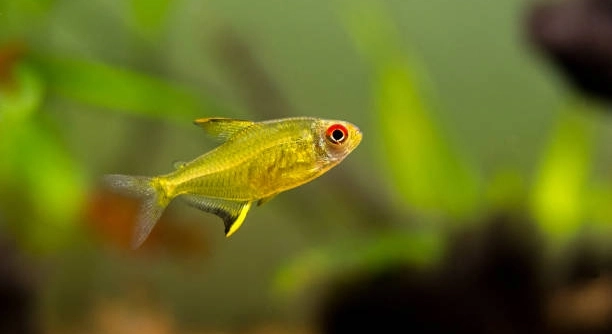
Have you ever watched a school of lemon tetras gliding through the water, each fish moving in perfect harmony with the others? Observing their coordinated movements can be calming, yet there is often a subtle hierarchy guiding the group.
The leader in a lemon tetra school can be identified by its position and movement patterns. Typically, the dominant fish swims at the forefront, initiates direction changes, and maintains a slightly more assertive posture than the other members.
Recognizing these subtle behaviors can enhance your understanding of your tetras’ social dynamics and improve how you care for them in an aquarium.
Identifying Leadership Behavior in Lemon Tetras
When observing a school of lemon tetras, leadership is often subtle but consistent. The leader usually swims at the forefront of the group, setting the pace and direction. Other tetras follow closely, mimicking its movements and adjusting their positions in response. This dominant fish often initiates feeding or exploration, and its confidence can be seen in its posture. The leader rarely lingers at the back or edges of the tank, maintaining central or forward positions. Eyeing the interactions, you may notice the leader nudging or lightly asserting itself when another fish drifts too close. These behaviors are natural, allowing the school to maintain cohesion and avoid confusion. Recognizing such patterns requires careful observation over several days. It is important to note that leadership can shift occasionally, especially in younger or less dominant tetras, making ongoing monitoring necessary to understand the group’s social structure.
Leadership is demonstrated through movement, assertive positioning, and initiating group activities consistently over time.
Tracking these behaviors will help you understand the hierarchy and make adjustments to tank placement or feeding schedules for smoother group dynamics.
Positioning and Social Influence
Leaders typically maintain forward or central positions, influencing the direction of the group.
A leader’s influence extends beyond movement. It sets the pace, guides feeding patterns, and maintains group cohesion. Fish tend to respond quickly to its cues, aligning with its direction and mimicking its speed. This consistency reduces stress within the school and allows less dominant fish to find comfort in following predictable movements. Changes in lighting, tank layout, or feeding schedules may temporarily affect these behaviors, but the leader usually reasserts control quickly. In larger groups, multiple subordinate fish may attempt minor directional influence, but the primary leader remains the most consistent guide. Observing these interactions provides insight into the social stability of the school and can inform decisions about tank adjustments, compatible tank mates, and enrichment activities that encourage natural behaviors. Maintaining a proper environment ensures that leadership patterns continue without causing stress, promoting a healthy and balanced community for all tetras.
Feeding Dynamics and Leadership
The leader often eats first, signaling the rest of the school to follow. Its movements towards food are deliberate, and subordinate tetras quickly respond, creating an organized feeding pattern. This behavior ensures the group maintains cohesion and reduces competition during meals.
Observing feeding behavior can reveal leadership clearly. The dominant lemon tetra usually approaches food with confidence, often pausing to look around before others join. Subordinate fish follow quickly, keeping a respectful distance while imitating the leader’s speed and direction. This pattern reduces conflict and stress in the group, making mealtimes smoother. Leadership during feeding is not aggressive but rather assertive, promoting calm interactions and natural social order within the school.
Leadership in feeding also affects growth and health. Fish that consistently follow the leader may eat less if the leader monopolizes food, requiring careful feeding management. Adjusting portions and scattering food can help subordinate tetras access nutrition. Watching how tetras respond to the leader during feeding provides insight into hierarchy, social tolerance, and potential adjustments for maintaining balance in the tank. Understanding these dynamics allows you to ensure every fish thrives without disrupting group stability.
Observing Movement Patterns
Leaders maintain steady, predictable swimming patterns, often guiding the group around the tank. Their movements set the rhythm for others.
Movement patterns indicate social rank. The leader frequently occupies the center or forefront, choosing directions and speed, while followers adjust quickly. Subordinate tetras rarely challenge these choices, instead mirroring the leader’s turns and pauses to stay cohesive. Sudden shifts in movement, like darting or hesitating, often signal uncertainty or environmental response, but the leader typically resumes control promptly. Tracking these patterns over time confirms which fish maintains dominance consistently, offering insight into the school’s social stability.
Monitoring movement also helps with tank layout. Leaders often avoid corners and areas with limited visibility, preferring open swimming space. This preference ensures the school can move freely without bottlenecks, reducing stress. Providing sufficient space allows all tetras to express natural behaviors, maintain hierarchy, and follow the leader efficiently. Observing daily swimming routines also highlights any changes in behavior due to illness, stress, or environmental shifts, allowing timely intervention. Understanding movement dynamics ensures both social order and overall well-being in the aquarium.
Body Language Cues
The leader often displays subtle body language, such as slightly raised fins or a more upright posture. These cues signal confidence and dominance, helping subordinate tetras recognize hierarchy without aggression.
Body language also guides group cohesion. Small, deliberate movements indicate direction changes, while hesitation or slower swimming signals caution. Followers respond instinctively to these cues, keeping the school synchronized and balanced.
Reacting to Environmental Changes
Leaders respond first to changes in the tank, such as new decorations, lighting shifts, or sudden movements. Their behavior sets the tone for the rest of the school, prompting a coordinated adjustment. Observing which fish consistently reacts first helps identify the dominant tetra and ensures the group adapts smoothly to new conditions.
Tracking Consistency
Consistent behavior over time is the clearest indicator of leadership. A tetra that reliably guides movement, initiates feeding, and responds to environmental changes is the established leader. Monitoring daily routines helps confirm patterns and maintains a stable social structure.
How can I tell which lemon tetra is the leader?
The leader is usually the fish at the front of the school, moving confidently and setting the pace. It initiates turns and changes in direction, while other tetras follow closely. Subtle body language, like slightly raised fins or upright posture, also indicates dominance and signals hierarchy to the rest of the group.
Does the leader eat first?
Yes, the dominant lemon tetra typically approaches food first, signaling the group to follow. Subordinate tetras maintain a respectful distance and mimic the leader’s movements. Observing feeding behavior over several days helps confirm which fish consistently leads meals and maintains control of feeding patterns.
Can leadership change in a lemon tetra school?
Leadership can shift occasionally, especially in younger or less dominant tetras. If the current leader becomes stressed, ill, or less assertive, another fish may take the forefront. Regular observation allows you to note these changes and adjust tank care to maintain stability in the school.
Does the leader influence group behavior outside of feeding?
Absolutely. The leader guides movement, sets swimming speed, and responds first to environmental changes. Followers instinctively adjust their positions and movements based on the leader’s actions. This helps maintain cohesion, reduces stress, and ensures the group moves efficiently around the tank.
How do environmental changes affect leadership?
New decorations, lighting changes, or disturbances in the tank may temporarily influence behavior. The leader usually reacts first, assessing the situation and signaling direction changes to the school. Consistent leadership ensures the group adapts smoothly without confusion or conflict.
Is aggression a sign of leadership?
Not necessarily. Leaders show assertiveness through positioning and movement rather than aggression. Minor nudging or gentle physical cues can occur, but the dominant tetra primarily guides the group through confident, consistent behavior rather than fighting or chasing others.
How can I observe leadership without stressing the fish?
Watch the school quietly, avoiding sudden movements or tapping on the glass. Observing during feeding or regular swimming routines provides clear insight into leadership. Patience is key, as dominance patterns are subtle and best recognized over several days.
Why is it important to know the leader in a lemon tetra school?
Understanding which fish leads helps maintain group harmony and tank management. Leaders influence feeding, movement, and response to changes. By knowing the dominant tetra, you can ensure all fish have access to food, space, and a stress-free environment.
Can the leader affect the health of the school?
Yes. A confident, stable leader reduces stress in the group, promoting better feeding and growth among subordinate tetras. Conversely, frequent changes in leadership or absence of a clear leader may increase tension, causing erratic swimming or competition for food.
Should I intervene if the leader dominates feeding?
Intervention may be necessary if subordinate fish are not eating enough. Scatter food in multiple areas to give all tetras access or provide extra feedings. This ensures balanced nutrition while allowing the leader to maintain its natural role without harming the group’s health.
How do I identify subtle leadership cues?
Watch for small behaviors like initiating turns, maintaining forward positions, and slight posture changes. Leaders move with intention, often pausing briefly to signal direction. These subtle cues guide followers and maintain synchronization, reflecting the social structure without aggression.
Can multiple fish act as leaders at once?
While minor influence may occur from several fish, typically one tetra consistently demonstrates leadership. Temporary shifts can happen, but observing long-term behavior confirms the established leader, ensuring a stable social hierarchy and smooth group coordination.
How long does it take to identify the leader reliably?
Daily observation over one to two weeks is usually sufficient. Consistency in feeding, swimming patterns, and environmental response will reveal the dominant tetra. Patience is essential, as short-term behavior may not accurately reflect hierarchy.
Does the tank size influence leadership?
Yes, a larger tank allows more space for movement, making leadership patterns clearer. In smaller tanks, frequent interactions may obscure subtle cues, requiring closer observation. Adequate space ensures the leader can guide the group naturally without stress or overcrowding.
Can health issues affect leadership behavior?
Illness or stress can reduce a tetra’s confidence, causing temporary loss of leadership. Observing changes in movement, feeding, or posture can indicate health problems, allowing timely intervention to maintain both the dominant fish’s well-being and the school’s stability.
Are there ways to encourage natural leadership?
Providing a calm environment, adequate space, and consistent feeding routines supports natural social hierarchies. Avoid sudden disturbances or overcrowding, as stress can disrupt established leadership patterns. Consistent observation ensures the dominant fish can lead while the school remains balanced and healthy.
Observing a lemon tetra school reveals a fascinating social structure where one fish often takes the lead. Leadership is expressed through subtle movements, positioning, and consistent behavior rather than aggression. The leader usually occupies the front or center of the group, initiating direction changes and guiding swimming patterns. It sets the pace during daily activity, and other tetras adjust their movements to follow closely. These behaviors are natural and help maintain cohesion, reducing stress and confusion within the school. By watching the leader over time, it becomes easier to understand how the group functions and how individual fish interact with one another.
Feeding time is one of the clearest moments to observe leadership. The dominant fish typically approaches food first and signals the others to follow through its movements. Subordinate tetras maintain a respectful distance, mimicking the leader’s pace and direction to ensure everyone can access food while maintaining order. Monitoring these interactions can highlight which fish consistently takes charge and how leadership affects group behavior. Occasionally, leadership may shift due to stress, illness, or age, but generally, one fish maintains control. Understanding these patterns allows for better care of the tank, ensuring all fish are fed adequately and the social hierarchy remains stable.
Maintaining a healthy environment is essential for natural leadership to flourish. A spacious tank, consistent feeding, and minimal disturbances allow the dominant tetra to guide the group efficiently. Leadership also influences how the school responds to changes, such as new decorations or lighting adjustments, helping the group adapt without stress. Observing movement, body language, and feeding patterns over time provides valuable insight into the social dynamics of lemon tetras. Recognizing and supporting these behaviors not only improves the well-being of the leader but also promotes harmony among all fish in the tank. Paying attention to these details ensures a balanced, stress-free environment where each tetra can thrive.

Hello,
If you enjoy the content that we create, please consider saying a "Thank You!" by leaving a tip.
Every little bit helps us continue crafting quality advice that supports the health, happiness, and well-being of pets around the world, for pets of all shapes, sizes, and species.
We really appreciate the kindness and support that you show us!