
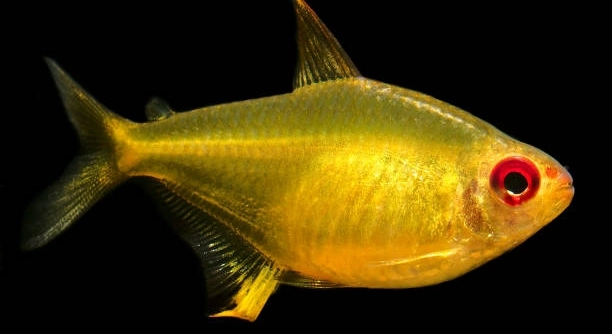
Lemon tetras are small, vibrant fish that bring life to any aquarium. Their playful behavior and bright yellow color make them a favorite among hobbyists seeking lively and active tank companions.
Lemon tetras are particularly drawn to certain tank items that provide both stimulation and security. Floating plants, smooth hiding spots, small pebbles, gentle filtration, open swimming areas, drifting leaves, and light feeding zones consistently attract their attention and engagement.
Knowing which items attract these fish can help create a balanced, enjoyable environment and support their natural behaviors in a home aquarium.
Floating Plants
Floating plants are a favorite for lemon tetras because they create shade and shelter in the tank. These plants reduce stress by giving fish a sense of security and hiding spots. They also provide surfaces for natural biofilm growth, which the tetras can nibble on. Plants like duckweed, water lettuce, and frogbit drift gently on the surface, softening light and adding movement that keeps the tetras engaged. Maintaining healthy floating plants is simple with adequate light and occasional trimming. Their roots offer small areas for fry or timid tetras to explore. Adding these plants not only benefits the fish but also helps maintain water quality by absorbing excess nutrients. The gentle swaying of roots and leaves encourages natural swimming patterns. Tetras often swim under and around them, exploring the texture and shapes. This interaction supports mental stimulation and reduces signs of boredom. Over time, floating plants can transform the tank into a more dynamic, natural environment.
Floating plants improve hiding spots, reduce stress, and add gentle movement that keeps lemon tetras active and curious.
By carefully placing floating plants throughout the tank, you can create zones of shade and open swimming. Tetras naturally swim in and around these areas, exploring the roots and leaves. These plants also help control algae by competing for nutrients and provide a microhabitat for small invertebrates. Lemon tetras often dart between plants, using them as cover while exploring the tank. Regular maintenance, including trimming and repositioning, ensures the plants don’t overgrow and block swimming areas. The combination of cover, exploration opportunities, and grazing surfaces contributes to healthier, more active fish. Floating plants also support a natural appearance in the aquarium, making it visually appealing while offering practical benefits for water quality. With consistent care, these plants create a balanced ecosystem that encourages the tetras to display natural behaviors. Their presence makes the aquarium feel alive, supporting both physical activity and mental engagement for the fish.
Smooth Hiding Spots
Smooth hiding spots give lemon tetras safe areas to retreat and rest.
Rocks, caves, or driftwood with smooth edges prevent injuries and mimic natural shelters. Tetras often explore these spaces during feeding or when feeling timid.
Providing multiple hiding spots allows tetras to claim areas, reducing stress and encouraging natural behaviors. Rotate or add new spots periodically to maintain interest and comfort.
Small Pebbles
Small pebbles create texture on the tank floor that lemon tetras enjoy exploring. They allow the fish to investigate spaces between stones and can support natural foraging behaviors.
These pebbles should be smooth and uniform in size to avoid harming the tetras. They offer gentle surfaces for the fish to swim close to and rest near. Tetras often pick at tiny debris or algae on the stones, simulating natural feeding habits. Arranging pebbles in shallow layers or gentle slopes gives variation in the bottom landscape, encouraging exploration. Avoid sharp or jagged stones that could damage fins. Combining small pebbles with plants and hiding spots enhances the tank’s layout. Lemon tetras are drawn to areas where pebbles create gentle contours, adding interest to the environment. The presence of these stones can also improve water circulation near the substrate.
Using small, smooth pebbles in the tank helps replicate natural environments and encourages active exploration and mild foraging behaviors.
Pebble arrangements should balance open spaces with clusters. Avoid overcrowding the tank floor, allowing tetras to swim freely and maintain social interactions while using the pebbles for stimulation and comfort.
Gentle Filtration
Gentle filtration keeps the water clean without creating strong currents that stress lemon tetras.
Tetras prefer calm water and moderate flow, which supports natural swimming patterns and reduces fatigue.
Choose filters with adjustable flow settings or sponge filters to maintain a stable current. Strong currents can force the tetras to constantly fight the flow, leading to stress or injury. Gentle filtration also aids in oxygenation without disturbing plants or floating debris. Regular maintenance ensures water clarity and prevents buildup of harmful substances. Filters placed near tank corners reduce direct water blasts while still circulating water effectively. This setup maintains a healthy environment and allows tetras to move comfortably around the tank. Combining filtration with floating plants and hiding spots creates a balanced ecosystem where fish can thrive. Adjusting the filter over time can accommodate tank growth and changing needs.
Open Swimming Areas
Open swimming areas allow lemon tetras to move freely and maintain social interactions. These spaces reduce stress and encourage natural schooling behavior.
Clear zones between plants and decorations give tetras room to dart and glide without obstruction, supporting healthy activity levels.
Drifting Leaves
Drifting leaves in the tank create gentle currents and shaded zones. Tetras enjoy swimming around and under these natural obstacles.
Leaves provide surfaces for biofilm growth, offering an additional food source. They also break up bright lighting, giving the fish calmer, less stressful areas to explore. Regularly replacing or trimming leaves maintains water quality and keeps the environment dynamic for the tetras.
Light Feeding Zones
Light feeding zones help lemon tetras associate specific areas with food. These zones keep feeding organized and reduce competition.
Fish quickly learn to swim to these areas, making it easier to monitor feeding habits and ensure each tetra receives proper nutrition.
What do lemon tetras like to eat?
Lemon tetras eat a mix of flake foods, small pellets, and frozen or live foods. They enjoy tiny daphnia, brine shrimp, and bloodworms. Feeding small amounts multiple times a day helps keep them active and healthy. Overfeeding can lead to water quality issues and stress.
How many lemon tetras should I keep together?
Lemon tetras are schooling fish and should be kept in groups of at least six. A larger group encourages natural schooling behavior and reduces stress. Smaller groups can lead to skittish or timid fish. A well-planned tank layout with hiding spots and open areas supports group swimming.
Can lemon tetras live with other fish?
Yes, lemon tetras are peaceful and can live with other small, non-aggressive fish. Suitable tankmates include rasboras, small barbs, and peaceful dwarf cichlids. Avoid larger or aggressive species that may bully or eat the tetras. Proper hiding spots help reduce tension between different species.
How often should I clean the tank?
Partial water changes of about 20-25% every week help maintain water quality. Removing uneaten food and debris prevents ammonia spikes. Regular filter maintenance is also important. A clean tank reduces disease risk and ensures the tetras stay active and healthy in their environment.
What water parameters do lemon tetras prefer?
Lemon tetras thrive in slightly acidic to neutral water, with a pH between 6.0 and 7.5. Temperature should be stable between 72°F and 78°F. Regular monitoring of water hardness and ammonia levels helps maintain a healthy environment. Stable water conditions reduce stress and promote vibrant coloration.
Do lemon tetras need plants in the tank?
Yes, plants provide hiding spots, shade, and surfaces for biofilm, which the tetras can nibble on. Floating and rooted plants both work well. Plants help maintain water quality and add natural movement to the tank, creating a more stimulating environment for the fish.
How do I encourage breeding in lemon tetras?
Breeding requires a separate tank with gentle filtration, soft water, and slightly acidic conditions. Dense plants or spawning mops give tetras places to lay eggs. Feeding high-protein foods increases readiness to spawn. After spawning, adults should be removed to prevent egg predation.
Why are my lemon tetras hiding?
Hiding can indicate stress, illness, or aggressive tankmates. Insufficient cover or strong currents may also cause them to seek shelter. Observing water quality, tank layout, and social dynamics helps identify the cause and allows adjustments to create a safer, more comfortable environment.
What is the best way to introduce lemon tetras to a new tank?
Float the bag in the tank for 15-20 minutes to equalize temperature. Gradually add small amounts of tank water to the bag over 30-60 minutes. Slowly release the fish into the tank to reduce stress and prevent shock. Providing hiding spots immediately helps them acclimate.
How long do lemon tetras live?
Lemon tetras typically live 3-5 years with proper care. Stable water conditions, balanced nutrition, and a safe environment contribute to a longer lifespan. Monitoring health regularly and avoiding overcrowding helps ensure the fish stay active and vibrant throughout their life.
Can lemon tetras tolerate different water hardness?
They can adapt to a range of soft to moderately hard water. Sudden changes should be avoided. Gradual adjustments over time help prevent stress and maintain the tetras’ immune system. Keeping parameters stable supports health and coloration.
What signs indicate lemon tetras are healthy?
Healthy tetras are active, swim in groups, have bright yellow coloration, and clear eyes. Smooth fins and regular feeding are positive indicators. Lethargy, faded color, clamped fins, or hiding can signal stress, illness, or poor water quality, which should be addressed promptly.
How can I reduce aggression in a mixed tank?
Provide plenty of hiding spots and open swimming areas. Keep lemon tetras in groups to reduce tension. Avoid aggressive or large fish. Observing behavior and rearranging tank elements can help diffuse conflicts. Stress-free conditions support natural schooling and calmer interactions.
Do lemon tetras need supplemental lighting?
Moderate lighting supports plant growth and enhances fish coloration. Avoid overly bright lights that may stress the tetras. Using a timer ensures a consistent day-night cycle, which supports natural behaviors and keeps the fish comfortable.
How do I prevent disease in lemon tetras?
Quarantine new fish, maintain water quality, and provide a balanced diet. Regular observation for unusual behavior or appearance helps detect illness early. Removing sick fish promptly prevents the spread of disease. A stable and clean tank is the best defense against common infections.
Can lemon tetras live in a small tank?
They need a minimum of 10 gallons for a small group, but larger tanks are better for stable water conditions and natural schooling behavior. Small tanks can become stressed quickly, so careful maintenance and monitoring are essential to keep fish healthy and active.
Lemon tetras are lively, small fish that thrive in a well-planned tank environment. Providing the right combination of tank items can make a big difference in their health and behavior. Floating plants, smooth hiding spots, small pebbles, gentle filtration, open swimming areas, drifting leaves, and light feeding zones all contribute to creating a space that feels natural and safe. Each of these elements encourages different behaviors, from exploring and foraging to resting and socializing. When these items are combined thoughtfully, the tank becomes more than just a container of water—it turns into a supportive environment where tetras can display their natural habits. Maintaining balance between decoration, swimming space, and hiding areas ensures that the fish are neither stressed nor overcrowded.
Consistency in tank maintenance is also essential. Regular water changes, filter cleaning, and monitoring of water parameters help maintain a stable environment for lemon tetras. They are sensitive to sudden changes in water conditions, so keeping the temperature, pH, and hardness within suitable ranges is important. Plants and other natural elements not only provide comfort but also assist in water quality management by absorbing excess nutrients. Adding small pebbles or leaves allows fish to explore and forage, which keeps them active and mentally engaged. Even small adjustments, like moving a hiding spot or rearranging pebbles, can refresh the tank layout and prevent boredom. Attention to these details supports both the physical and mental well-being of lemon tetras, helping them live longer, healthier lives.
Observing lemon tetras closely gives insight into their preferences and needs. They often show clear signs of comfort or stress depending on the tank setup. When the fish swim actively, interact with plants, and school together, it indicates that the tank environment is suitable. On the other hand, hiding, lethargy, or faded coloration can signal that adjustments are needed. Paying attention to these behaviors allows for small changes that improve their daily experience. Overall, providing a variety of stimulating items, consistent care, and a stable environment ensures that lemon tetras remain healthy, active, and vibrant. Thoughtful tank design and regular maintenance create an aquarium where these small, bright fish can thrive while showing their natural behaviors to the fullest.

Hello,
If you enjoy the content that we create, please consider saying a "Thank You!" by leaving a tip.
Every little bit helps us continue crafting quality advice that supports the health, happiness, and well-being of pets around the world, for pets of all shapes, sizes, and species.
We really appreciate the kindness and support that you show us!