
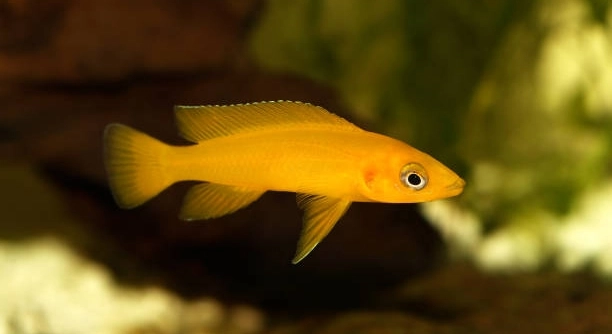
Keeping lemon tetras happy requires attention to detail in their daily care routines. Many owners unintentionally create stress for their fish, which can affect their health and behavior. Small mistakes can have big consequences over time.
Frequent mistakes that scare lemon tetras include sudden changes in water conditions, improper tank decoration, overfeeding, incompatible tankmates, poor water circulation, inconsistent lighting, and excessive handling. Each factor can disrupt their natural behavior and cause stress, ultimately affecting their well-being.
Recognizing these common errors is essential for maintaining a calm and healthy environment. Learning to avoid them will improve your tetras’ daily life and create a stable aquarium atmosphere.
Sudden Changes in Water Conditions
Lemon tetras are sensitive to fluctuations in their environment. Rapid shifts in temperature, pH, or hardness can create stress that affects their immune system. Many owners change too much water at once or introduce new water without proper treatment, causing shock. Even small variations can lead to hiding, loss of color, or erratic swimming. Maintaining stable conditions helps tetras feel secure. Monitoring water with simple test kits ensures that changes are gradual. Consistent water quality reduces stress, prevents disease, and supports their natural behavior. Adding treated water slowly and adjusting temperatures gradually are essential steps for a balanced habitat. Stress from water changes can go unnoticed until health problems appear, so careful observation is important. Over time, consistent water management encourages healthy growth, vibrant color, and active swimming. Even minor adjustments done slowly can have a positive impact on the fish’s daily life. The more predictable the tank environment, the calmer the tetras remain, improving overall health.
Gradual water changes and careful monitoring help lemon tetras remain calm and prevent health problems caused by sudden environmental shifts.
Keeping water conditions stable also makes tank maintenance easier. Fish become more predictable, eat regularly, and interact naturally with tankmates. By tracking temperature and chemical levels, you can detect issues early. Simple routines, like weekly partial water changes and slow water additions, reduce stress. Tank decorations can also buffer minor fluctuations, giving tetras safe areas to hide and explore. A stable tank allows the fish to display natural behaviors like schooling, feeding, and exploring, which makes the aquarium more enjoyable to observe. Long-term care relies on building a routine that minimizes sudden disruptions, creating a healthy and predictable environment for the tetras to thrive.
Overfeeding
Overfeeding is a common issue in home aquariums. Lemon tetras are small, and their digestive systems cannot handle excess food. Uneaten food can pollute the water and increase ammonia levels, which stresses the fish and may lead to illness. Feeding small amounts once or twice daily is sufficient.
Lemon tetras thrive on a varied diet of high-quality flakes, micro pellets, and occasional live or frozen foods.
When fish are overfed, they may become lethargic and show signs of bloating or swim bladder problems. Excess food decomposes quickly, affecting water quality and creating an unstable environment. This is especially risky in smaller tanks where water changes are less frequent. Monitoring feeding habits and removing uneaten food promptly is key. Portion control ensures that each tetra receives enough nutrients without creating excess waste. Providing a mix of dry and live foods supports their natural behavior and encourages foraging, which keeps them active. Observing the tetras during feeding also gives insight into their health and activity levels. Consistent feeding routines combined with careful observation maintain both water quality and fish health, preventing stress caused by overfeeding. A simple feeding schedule helps create a calm and thriving tank where tetras display vibrant colors and natural schooling behavior daily.
Incompatible Tankmates
Lemon tetras are peaceful fish that do best with other small, non-aggressive species. Adding larger or territorial fish can cause stress, chasing, or injury. Even slightly aggressive behavior from tankmates may make them hide constantly or refuse food. Careful selection ensures a calm community tank.
Stress from incompatible tankmates can lead to long-term health issues. Fish that are constantly chased or bullied show signs of fatigue, loss of color, or erratic swimming. Schooling fish like lemon tetras rely on feeling safe with their group. If their environment is unpredictable, they may separate from the school or hide behind decorations. Choosing compatible species reduces tension, maintains proper social behavior, and promotes healthy feeding habits. Observing interactions daily helps identify any problem before it escalates. Adjusting tank composition early prevents injuries and stress-related illnesses, creating a peaceful environment for all fish. Providing adequate hiding spots further supports calm interactions.
Maintaining a harmonious tank involves monitoring both size and temperament. Even fish that seem compatible can display aggression under stress. Avoid overcrowding and ensure plenty of space for swimming. Adequate plants, rocks, and decorations give lemon tetras refuge and areas to explore, which reduces conflict. Rotating feeding locations and varying hiding spots also helps prevent competition for resources. Keeping tankmates compatible and stress-free encourages schooling behavior, improves coloration, and supports natural activity levels. Calm interactions make daily observation more enjoyable and keep the tank balanced, ensuring lemon tetras remain healthy and active.
Poor Water Circulation
Poor water flow can make lemon tetras anxious and reduce oxygen levels. Stagnant areas create pockets of waste, which negatively affect health. Proper circulation ensures oxygenation, removes debris, and supports filtration efficiency, keeping the tank safe for daily activity.
Strong water flow should be avoided as well, since tetras prefer gentle currents.
Balanced circulation helps maintain clean water and a healthy environment. Inadequate movement leads to uneven temperature and oxygen distribution, which can stress fish and make them prone to disease. Filters that provide gentle, consistent flow are ideal, keeping water moving without overwhelming the fish. Placement of decorations should not block currents but can help create calm areas. Observing fish behavior around different flow rates allows adjustments to suit their comfort. Regular maintenance of pumps and filters prevents buildup that could impede circulation. Ensuring steady water movement reduces harmful bacteria and promotes healthy respiration, supporting natural activity and preventing lethargy. Maintaining circulation combined with proper tank setup encourages tetras to swim freely and remain active, while also sustaining overall water quality.
Inconsistent Lighting
Lemon tetras are sensitive to sudden changes in light. Too bright or erratic lighting can make them skittish, hiding frequently. Consistent day and night cycles help regulate behavior and reduce stress in their daily routine.
Providing dimmed or shaded areas allows tetras to feel secure. Natural or soft lighting prevents overexposure, helping maintain their color and encouraging normal activity.
Excessive Handling
Frequent handling or netting causes stress in lemon tetras. Even brief interruptions in their environment can trigger fear responses, affecting swimming and feeding habits. Minimizing direct contact preserves their sense of safety and supports natural behavior.
Improper Tank Decoration
Tank decorations should balance hiding spaces with open swimming areas. Overcrowding or sharp ornaments can restrict movement, cause injuries, and increase stress. Soft plants and smooth surfaces allow exploration without risk. Proper layout encourages schooling, natural interactions, and daily activity, maintaining a calm and healthy environment.
Temperature Fluctuations
Lemon tetras require stable water temperatures. Sudden drops or spikes can lead to shock or illness. Using a reliable heater and monitoring regularly helps maintain consistent warmth, ensuring their comfort and reducing daily stress.
What is the ideal tank size for lemon tetras?
A small school of lemon tetras should have at least a 20-gallon tank. This size provides enough swimming space and helps maintain stable water parameters. Crowded tanks increase stress and aggression, making the fish more prone to illness. A larger tank is always better for maintaining balance and creating areas for hiding, exploring, and schooling. Proper spacing ensures each tetra can swim naturally and reduces conflicts with tankmates.
How often should I change the water?
Partial water changes of 20-30% once a week are ideal. Frequent changes prevent harmful buildup of ammonia, nitrites, and nitrates, which can stress the fish. Sudden or large water changes should be avoided, as they can shock the tetras. Treating new water to remove chlorine and match temperature is necessary. Regular maintenance keeps the environment consistent, reduces disease risk, and supports overall health.
What should I feed lemon tetras?
A balanced diet includes high-quality flake food, micro pellets, and occasional live or frozen options like brine shrimp or daphnia. Feeding small amounts once or twice a day prevents overfeeding and keeps the tank clean. Variety helps maintain coloration, energy, and natural behavior. Observing their eating habits ensures all fish receive enough nutrition. Removing leftover food promptly prevents water pollution and stress.
Can lemon tetras live with other fish?
Yes, but only with peaceful, small species. Avoid aggressive or large fish that may chase or harm them. Suitable tankmates include rasboras, small tetras, and Corydoras catfish. Always monitor interactions when introducing new fish, as even compatible species can display territorial behavior under stress. Proper tank setup with hiding spots further ensures safety. A harmonious community tank encourages natural schooling and reduces anxiety.
Why do my lemon tetras hide constantly?
Hiding often indicates stress from poor water quality, incompatible tankmates, or sudden environmental changes. Check water parameters, ensure proper filtration and temperature, and verify tankmate behavior. Providing plants and decorations helps them feel secure. Reducing disturbances and maintaining consistent conditions encourages them to swim openly and exhibit normal behavior.
How important is water temperature?
Stable water temperature is critical for health. Lemon tetras thrive between 72-78°F. Sudden fluctuations can lead to shock, weakened immunity, and disease. Using a reliable heater and thermometer ensures consistent warmth. Gradual adjustments prevent stress and support feeding, swimming, and schooling. Stable temperature allows the fish to maintain vibrant coloration and natural activity levels.
What are common signs of stress in lemon tetras?
Signs include hiding, loss of color, erratic swimming, refusal to eat, or lethargy. Stress can result from poor water quality, overfeeding, aggressive tankmates, or inconsistent lighting. Observing behavior daily helps detect issues early. Correcting environmental problems and maintaining routine care prevents long-term health issues and encourages calm, active schooling behavior.
How can I make my tetras feel safe?
Provide plants, decorations, and gentle lighting to create hiding spots. Ensure proper water circulation and stable parameters. Limit handling and disturbances. Peaceful tankmates and a consistent feeding routine reinforce a sense of security. A calm environment reduces stress and encourages normal activity.
Do lemon tetras need a school?
Yes, they are schooling fish and feel safest in groups of six or more. Small groups may become stressed and shy. Schooling behavior promotes natural swimming patterns, reduces anxiety, and enhances color. Keeping them in an appropriately sized group is essential for daily comfort and health.
How can I prevent overfeeding?
Feed only what the fish can consume in 2-3 minutes. Remove uneaten food immediately. Stick to a consistent feeding schedule and offer small portions of varied food types. Proper feeding maintains water quality, prevents bloating, and reduces stress. Observing how much they eat helps adjust portions accurately and keeps the tank clean.
What type of filter is best?
A gentle, reliable filter that provides steady circulation without creating strong currents is ideal. Overpowering flow can stress lemon tetras, while inadequate filtration reduces water quality. Regular maintenance ensures effective cleaning and oxygenation. Positioning decorations to buffer currents while maintaining proper circulation keeps the tank comfortable and safe.
How do I handle illness in lemon tetras?
Early detection is key. Isolate sick fish to prevent disease spread. Monitor for signs like white spots, fin damage, or unusual swimming. Treat water quality issues first, then consider appropriate medications if needed. Maintaining clean, stable conditions and minimizing stress prevents most common illnesses. Prompt action helps recovery and keeps the school healthy.
How can I encourage natural behavior?
Provide adequate swimming space, a balanced diet, and hiding spots. Keep them in groups, maintain stable water, and avoid sudden changes. Gentle lighting and proper tank layout allow exploration and schooling. Observing daily activity and adjusting conditions promotes normal, stress-free behavior and ensures they remain vibrant and active.
Are decorations necessary in the tank?
Yes, decorations provide hiding areas and reduce stress. Soft plants, smooth rocks, and open swimming spaces allow tetras to explore safely. Overcrowding should be avoided. Thoughtful placement encourages schooling, natural interaction, and daily activity, making the tank environment balanced and calming for the fish.
How do I monitor water quality effectively?
Use test kits to track ammonia, nitrite, nitrate, pH, and temperature. Regular checks prevent sudden spikes that can stress or harm fish. Adjustments should be gradual, with treated water and controlled changes. Consistent monitoring ensures a safe, stable environment that supports health, coloration, and activity of lemon tetras daily.
This FAQ section provides a comprehensive guide to daily care, stress prevention, and maintaining a stable environment for lemon tetras. Following these practices promotes health, natural behavior, and a peaceful aquarium.
Lemon tetras are delicate fish that thrive in stable and well-maintained environments. Their health and happiness depend on consistent care, including proper water conditions, balanced feeding, and suitable tankmates. Small mistakes can easily stress them, causing color loss, hiding, or erratic swimming. Paying attention to these details ensures they remain active, vibrant, and healthy. Even minor adjustments, such as slow water changes or careful placement of decorations, can have a significant impact on their daily well-being. Maintaining a clean and calm tank is not only good for the fish but also makes observing their natural behaviors more enjoyable. Over time, a stable environment encourages schooling behavior, proper feeding, and natural exploration, all of which are signs of a healthy, thriving aquarium.
Understanding lemon tetras’ needs is essential for long-term care. Sudden changes in temperature, water chemistry, or lighting can trigger stress responses, which may not be immediately obvious. Fish that hide constantly or refuse food are often signaling discomfort or poor conditions. Choosing compatible tankmates and providing hiding spaces allows them to feel secure while still maintaining social behavior within their school. Overfeeding, aggressive companions, and poor circulation are other common factors that can negatively affect their health. Regular observation helps detect issues early, giving owners the ability to respond before problems become serious. By maintaining consistent routines and observing daily behavior, you create an environment where lemon tetras can display natural swimming patterns, vibrant coloration, and active engagement with their surroundings.
Daily care for lemon tetras requires balance and attention but is manageable with simple routines. Feeding small amounts of high-quality food, monitoring water quality, and maintaining gentle circulation prevent stress and promote long-term health. Decorations, plants, and open swimming areas provide security and support natural behavior. Avoiding sudden changes in temperature, lighting, or tank composition ensures they remain calm and active. Even small, thoughtful adjustments, such as gradual water changes or providing shaded areas, can improve comfort and reduce fear. Consistency is the key to helping these fish feel safe and stable, which in turn encourages normal behavior, healthy growth, and longevity. With careful attention, lemon tetras can thrive, bringing color, movement, and life to the aquarium for years.

Hello,
If you enjoy the content that we create, please consider saying a "Thank You!" by leaving a tip.
Every little bit helps us continue crafting quality advice that supports the health, happiness, and well-being of pets around the world, for pets of all shapes, sizes, and species.
We really appreciate the kindness and support that you show us!