
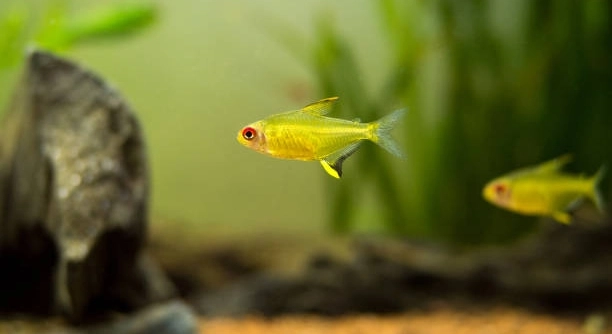
Lemon tetras are small, colorful fish that brighten home aquariums with their lively movements and shimmering scales. Many aquarium enthusiasts enjoy observing them, often noticing their reactions to changes around their environment. These fish have unique sensory abilities.
Lemon tetras are capable of detecting vibrations and sounds outside their tank through their lateral line system. This sensory organ allows them to perceive movement and pressure changes in the water, giving them awareness of external noises and activity nearby.
Learning about how lemon tetras sense their surroundings can improve how you care for them. Knowing their abilities helps create a calmer, safer environment in your aquarium.
How Lemon Tetras Hear
Lemon tetras rely on their lateral line system to sense vibrations and movements in the water. This system runs along the sides of their bodies and helps them detect changes in pressure. Sounds outside the tank create waves that travel through the water. These waves stimulate their lateral line, letting them respond to external activity. Even subtle sounds, like footsteps or doors closing, can trigger reactions. Their hearing is not like ours, but it is sensitive enough to notice disturbances around the tank. This ability helps them feel safer and react to potential threats. When the environment around the tank is noisy, lemon tetras may swim more actively or hide. Proper placement of the aquarium can reduce stress and improve their comfort. Observing their responses provides insight into how these small fish interact with their surroundings and maintain awareness outside the tank.
Their sensitivity means that maintaining a calm space near the tank benefits their health.
Understanding the hearing mechanism of lemon tetras allows you to adjust their habitat effectively. By keeping the tank in a quieter area, you minimize sudden stress, which can affect their feeding and swimming patterns. Regular monitoring ensures that they remain comfortable and active, responding naturally to the water environment without being startled unnecessarily. With this knowledge, you can create a more stable and enjoyable habitat for them.
Tips to Reduce Noise Impact
Keeping the aquarium in a low-traffic area helps lemon tetras feel secure. Limiting sudden noises benefits their well-being.
Reducing noise impact starts with tank placement. Choose a spot away from heavy foot traffic, doors, and household appliances that produce vibrations. Using a thick stand or mat beneath the tank can absorb some of the noise and prevent waves from reaching the water. Soft background sounds, like gentle music or steady white noise, may mask abrupt noises without stressing the fish. Avoid tapping on the glass or sudden movements nearby. Observing the tetras’ behavior can indicate if the environment is too stimulating. Calm water movement, proper filtration, and minimal handling will also contribute to a stable environment. By combining thoughtful placement, sound dampening, and careful observation, lemon tetras can live in a more peaceful setting that supports their natural responses, feeding habits, and overall activity levels, keeping them healthy and vibrant in the aquarium.
Signs Lemon Tetras React to Outside Sounds
Lemon tetras may dart quickly or hide when noises occur near the tank. They respond to sudden vibrations, tapping, or loud movements. Watching these behaviors helps understand their sensitivity.
These fish show clear reactions to outside sounds due to their lateral line system. When a sound generates vibrations in the tank, they may move erratically or gather in groups. This behavior is natural and protective. Over time, frequent loud noises can increase stress, affecting their health and appetite. Monitoring their responses allows you to adjust the environment to keep them calmer.
Some tetras may become more cautious, hovering near plants or decorations for cover. Others may explore but retreat quickly at sudden disturbances. Providing a consistent, quieter environment helps them settle into routines. Gentle water flow and stable tank placement reduce stress, allowing tetras to swim naturally and maintain normal feeding behaviors.
Maintaining a Calm Environment
Place the aquarium away from high-traffic areas and sources of loud, sudden noises. Consistency in surroundings supports their well-being.
Minimizing external vibrations and sounds improves lemon tetras’ comfort. Using thick mats or foam beneath the tank absorbs minor disturbances. Avoid tapping on glass and handle water changes gently to prevent sudden movement. Even household appliances can produce vibrations that disturb them. Adjusting the room setup and maintaining predictable routines allows tetras to feel safe and reduces stress-related behavior. A calmer environment encourages normal swimming and feeding patterns, enhancing their health and overall activity levels consistently.
Tank Placement Tips
Keep the tank on a stable, flat surface to reduce vibrations. Avoid areas near doors, speakers, or heavy foot traffic. Proper placement helps lemon tetras feel secure.
Positioning the aquarium away from direct sunlight and heat sources also prevents temperature fluctuations. Consistent conditions reduce stress and promote natural behavior in your fish.
Using Decorations to Reduce Stress
Adding plants and decorations provides hiding spots and visual barriers. This helps lemon tetras feel protected from outside disturbances.
Decorations like dense plants, rocks, and driftwood create safe zones. Lemon tetras often gather near these areas when sensing movement or sound outside the tank. This setup mimics natural habitats and offers them a sense of security, helping to reduce stress and encouraging calmer swimming patterns.
Monitoring Their Reactions
Observe how your lemon tetras respond to changes in the room. Adjust the environment as needed.
FAQ
Can lemon tetras hear human voices outside the tank?
Lemon tetras do not hear in the same way humans do. They sense vibrations and pressure changes in the water caused by sound waves. A human voice near the tank creates subtle water vibrations that the fish can detect. They may react by moving suddenly or hiding, but they do not recognize words or tones. Their response is instinctual, not a comprehension of sound, helping them stay alert to possible threats. Regular talking near the tank at a moderate level usually does not disturb them significantly.
Do tapping on the glass harm lemon tetras?
Tapping the tank glass produces strong vibrations that travel through the water. Lemon tetras can become stressed when exposed to repeated or loud tapping. Stress affects feeding, swimming, and overall health. Occasional gentle taps may get their attention, but frequent noise should be avoided. Stress can also make them more vulnerable to disease and reduce their lifespan. Using soft decorations or background noise to mask household sounds is better than tapping. The fish respond to vibrations naturally, so minimizing sudden impacts ensures their well-being and encourages calmer behavior inside the tank.
Can lemon tetras get used to outside sounds?
Over time, lemon tetras may become accustomed to regular, low-level noises. Sounds like distant traffic, steady appliances, or quiet voices can become part of their environment. They may swim normally despite these noises once habituated. However, sudden or loud disturbances still trigger stress responses. Gradual exposure to common household sounds allows them to adapt without long-term health effects. Consistency in the environment is key. Avoid frequently moving the tank or introducing unpredictable noises, as this can undo the adaptation process and increase anxiety.
Do they respond differently at night?
Lemon tetras are more active during the day and less responsive at night. Dim lighting reduces activity, so external noises may have a smaller effect. At night, they often rest near plants or decorations, relying on their lateral line to sense vibrations. While they may detect movement, they are less likely to react strongly unless the disturbance is intense. Nighttime calm helps their stress levels stay low and supports normal sleep cycles, contributing to overall health and readiness for daytime activity.
Is water movement important for hearing?
Yes, water movement amplifies how vibrations travel in the tank. Filters, pumps, and water flow can carry external vibrations that the tetras detect. Gentle water flow is ideal, as strong currents combined with external noise can increase stress. Maintaining a balanced environment with moderate movement allows lemon tetras to interpret vibrations without becoming overly anxious. Proper filtration and aeration help sustain water quality while controlling the intensity of vibrations, ensuring a healthier, calmer habitat.
Can loud music affect lemon tetras?
Loud music generates vibrations that travel through walls and floors into the tank. Lemon tetras can sense these waves and may exhibit darting or hiding behavior. Consistent exposure to high-volume music increases stress, affecting feeding and activity. If music must be played nearby, keeping the volume moderate or positioning the tank on a vibration-absorbing surface reduces negative impact. Sudden beats or bass-heavy sounds are particularly disturbing because they create strong pressure changes in the water. A calmer auditory environment promotes natural behavior and reduces health risks over time.
How do I know if my tetras are stressed by noise?
Signs of stress include erratic swimming, hiding, loss of appetite, or staying close to decorations. Observing their regular behavior helps detect changes. Stress may also appear as clamped fins or pale coloring. Frequent disturbances outside the tank increase these behaviors, while a calm environment allows them to swim freely and maintain normal eating habits. Addressing noise sources promptly and providing safe areas in the tank improves their comfort. Monitoring closely after any environmental changes ensures that the tetras remain healthy and resilient in their habitat.
Are some lemon tetras more sensitive than others?
Individual fish may vary in sensitivity. Younger tetras or those new to the tank often react more strongly to outside sounds. Fish with established routines tend to be calmer but still respond to sudden disturbances. Group behavior also influences reactions; schooling provides safety, and fish often mirror each other’s responses. By observing the entire group, you can gauge the overall stress level and adjust the environment accordingly. Creating a stable, consistent habitat benefits all fish, helping both sensitive and more adaptable individuals thrive together in the same tank.
Lemon tetras are small, delicate fish with unique sensory abilities that allow them to detect vibrations and movements in their environment. Their lateral line system plays a key role in sensing changes in water pressure, giving them awareness of sounds and activity outside the tank. While they do not hear like humans, they can perceive external disturbances and respond instinctively. Observing these reactions provides insight into how sensitive they are to their surroundings. For example, sudden movements or noises near the aquarium may cause them to dart, hide, or gather in groups. These behaviors are natural and help them feel safe. Understanding this aspect of their biology is important for anyone caring for lemon tetras. Maintaining a calm and stable environment reduces stress, encourages natural behavior, and supports overall health. Even small adjustments, like careful tank placement or using decorations for cover, can have a significant positive impact on their well-being.
Keeping the tank in a quiet, low-traffic area is one of the simplest ways to reduce disturbances. Sudden sounds from doors, appliances, or household activities can create vibrations that reach the water, triggering stress responses in the fish. Using mats, foam, or stands that absorb vibrations can help minimize these effects. Decorations such as plants, rocks, or driftwood provide hiding spots, allowing lemon tetras to feel secure when they sense movement or sound outside the tank. Gradual exposure to predictable noises can help them become accustomed to the environment without causing long-term stress. Monitoring their behavior regularly is essential, as signs like erratic swimming, hiding, loss of appetite, or clamped fins indicate that adjustments may be necessary. Creating a calm environment benefits both sensitive and more adaptable individuals in the tank, allowing them to thrive together naturally.
Consistency and attentiveness are key to maintaining a healthy habitat for lemon tetras. Gentle water movement, proper filtration, and a stable environment allow them to interpret vibrations without becoming overly anxious. Avoiding sudden disturbances, tapping on the glass, or exposing the tank to loud music helps preserve their well-being. Observing how they respond to daily activity and making gradual adjustments when needed can ensure that their habitat remains safe and comfortable. With careful care and thoughtful placement, lemon tetras can live in an environment that supports their natural instincts, reduces stress, and promotes active swimming and feeding behavior. Maintaining this balance not only enhances their health but also allows them to display the vibrant, lively behavior that makes them enjoyable to observe in the aquarium. By paying attention to their reactions and adjusting their surroundings as needed, you can ensure lemon tetras remain happy, healthy, and alert, responding naturally to their environment while minimizing unnecessary stress.

Hello,
If you enjoy the content that we create, please consider saying a "Thank You!" by leaving a tip.
Every little bit helps us continue crafting quality advice that supports the health, happiness, and well-being of pets around the world, for pets of all shapes, sizes, and species.
We really appreciate the kindness and support that you show us!