
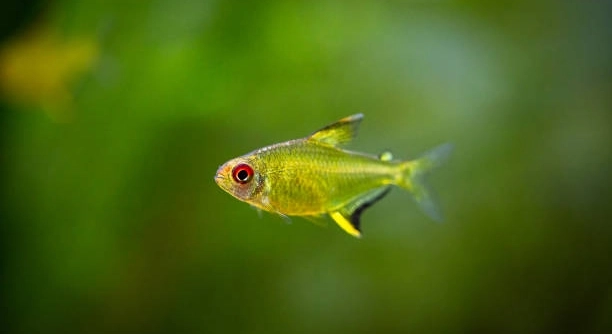
Lemon tetras are small, colorful fish that can brighten any aquarium. They are sensitive creatures and may show signs of stress when their environment is not ideal. Caring for them properly helps them stay healthy and active.
Reducing stress in lemon tetras can be achieved through several straightforward methods. Maintaining stable water conditions, providing hiding spots, avoiding overcrowding, offering a balanced diet, and keeping compatible tank mates all contribute to their overall well-being and minimize stress responses.
These simple adjustments can make a noticeable difference in your tetras’ behavior and health, ensuring they thrive peacefully in your aquarium.
Stable Water Conditions
Keeping water stable is one of the most important things for lemon tetras. They are very sensitive to sudden changes in temperature, pH, or ammonia levels. Even small fluctuations can stress them out, making them more prone to illness. Testing water regularly helps detect issues early. Using a reliable heater ensures the tank stays at a consistent temperature. Filters are essential for keeping the water clean, but make sure the current is gentle since strong currents can tire the fish. Partial water changes every week or two keep harmful substances from building up. Introducing new water slowly during changes prevents sudden shifts in chemistry. Avoid using soap or chemicals near the tank, as residues can harm the tetras. Adding plants not only creates hiding spots but also helps absorb toxins. Observing your fish daily allows you to notice early signs of stress, like clamped fins or hiding more than usual.
Maintaining stable water conditions prevents most stress-related problems in lemon tetras. Consistency is key for their health and activity.
Small adjustments, like checking temperature daily or slowly adding new water, can dramatically improve your tetras’ comfort and overall well-being.
Hiding Spots and Decorations
Providing hiding spots is essential for lemon tetras. They feel safer with plants, caves, or decorations where they can retreat.
Hiding spots reduce stress by giving tetras areas to explore and rest. Live or artificial plants, driftwood, and small caves work well. The arrangement should allow open swimming areas while keeping some secluded corners. These safe zones help tetras feel secure, especially if tank mates are more active or aggressive. Overcrowded or bare tanks make fish feel exposed, increasing stress. Adding floating plants can create shaded areas that calm the fish. Rocks and smooth ornaments can also serve as shelters and break lines of sight. Variety in hiding places encourages natural behavior like schooling, foraging, and exploring. Tetras tend to group near shelters when feeling uneasy, and having multiple options prevents dominance disputes. Observing how your fish interact with the environment can guide adjustments to decorations for better comfort. Overall, thoughtful placement of hiding spots contributes to a calmer, healthier tank.
Consistent Feeding Schedule
Feeding lemon tetras at the same times daily helps reduce stress. Irregular feeding can make them anxious and affect their health.
A consistent feeding schedule ensures tetras receive proper nutrition and feel secure in their environment. Offering small portions two to three times a day prevents overeating and keeps water quality stable. Rotate foods like flakes, frozen, or live options to provide variety and essential nutrients. Overfeeding can cause uneaten food to decay, raising ammonia levels and stressing the fish. Paying attention to their behavior during feeding can indicate stress or illness. Healthy tetras are more active and colorful, while stressed ones may hide or refuse food. Monitoring their diet and adjusting portions as needed keeps the tank clean and fish thriving. Observing each fish helps identify picky eaters or those needing extra care.
Feeding at regular times with balanced portions promotes calm behavior, better digestion, and overall health in lemon tetras.
Providing a mix of foods keeps tetras interested and supports natural foraging instincts, which reduces boredom and stress.
Compatible Tank Mates
Choosing the right tank mates is crucial for lemon tetras’ well-being. Aggressive or much larger fish can intimidate them.
Peaceful species of similar size, like other small tetras or rasboras, are ideal companions. Avoid fin-nipping fish or overly territorial species that disrupt schooling. When introducing new fish, quarantine them first to prevent diseases. Gradually acclimating newcomers to the tank reduces sudden stress. Observe interactions closely, especially during the first few weeks, to ensure harmony. Overcrowding increases competition for food and space, raising stress levels. Creating defined swimming zones and maintaining adequate hiding spots helps everyone coexist. Tetras feel safer and show natural schooling behavior when surrounded by calm, compatible companions. Planning tank composition carefully ensures a stable, healthy environment for all inhabitants.
Proper selection and careful introduction of tank mates fosters a peaceful community, supporting lemon tetras’ health, activity, and long-term comfort.
Gentle Water Flow
Lemon tetras prefer calm waters. Strong currents can tire them out and increase stress levels. Adjusting filters or using flow-reducing decorations helps create a gentle environment.
Flow-reducing plants and ornaments break strong currents, allowing tetras to swim naturally without strain. Calm water promotes relaxed schooling and reduces hiding due to fear of strong currents.
Proper Lighting
Moderate lighting is best for lemon tetras. Too bright lights can stress them, while too dim can affect their activity. Using a timer ensures a consistent day-night cycle, helping them maintain natural rhythms and reducing stress over time.
Regular Tank Maintenance
Cleaning the tank regularly prevents harmful build-ups. Removing debris and performing partial water changes keeps ammonia and nitrate levels low, supporting overall fish health. Regular maintenance ensures lemon tetras remain active and stress-free.
Temperature Stability
Keeping water temperature steady is essential. Sudden changes can shock tetras, causing illness or stress. A reliable heater with a thermometer helps maintain a stable environment for their comfort.
FAQ
How can I tell if my lemon tetras are stressed?
Signs of stress include hiding frequently, clamped fins, loss of color, erratic swimming, or refusing food. Some tetras may hover near the surface or stay in one corner. Observing daily behavior helps identify problems early before stress leads to illness.
What water parameters are best for lemon tetras?
Lemon tetras thrive in water with a temperature between 74–80°F, pH around 6.0–7.0, and soft to moderately hard water. Ammonia and nitrite should always be at 0 ppm, while nitrates should be kept below 20 ppm. Regular testing helps maintain these stable conditions.
How often should I feed them?
Feed lemon tetras small portions two to three times daily. Overfeeding can pollute the tank, while underfeeding may cause stress. Offer a mix of flakes, frozen foods, and occasional live foods to provide balanced nutrition and stimulate natural foraging behavior.
Do lemon tetras need a heater?
Yes, maintaining a stable temperature is crucial. Sudden fluctuations can stress the fish, weaken their immune system, and make them more prone to disease. A reliable heater with a thermometer ensures the tank stays consistent, especially in cooler climates.
Are hiding spots really necessary?
Absolutely. Lemon tetras feel safer with plants, rocks, or decorations where they can retreat. Hiding spots reduce stress, encourage natural behavior like schooling and foraging, and protect them from potential aggression from tank mates.
Can they live with other fish?
Yes, but tank mates must be peaceful and similar in size. Aggressive or fin-nipping species can intimidate tetras and raise stress. Gradually introduce new fish and provide multiple hiding places to ensure harmony within the tank.
How do I maintain water flow properly?
Lemon tetras prefer gentle currents. Strong water flow can exhaust them. Adjust filter settings or place flow-reducing decorations to create calm areas. Plants and ornaments can help diffuse strong currents while allowing natural swimming behavior.
What type of lighting is best?
Moderate lighting works best. Too bright lights can stress tetras, while too dim lights may affect activity and color. Using a timer to create a consistent day-night cycle helps maintain a healthy rhythm, keeping the fish calm and active.
How often should I clean the tank?
Partial water changes of 20–30% every week or two help prevent toxin build-up. Removing uneaten food and debris keeps ammonia and nitrates low. Regular maintenance ensures a clean environment, reducing stress and supporting overall health for lemon tetras.
What should I do if my tetras appear sick?
Isolate affected fish immediately to prevent disease spread. Check water parameters for stability and cleanliness. Observing symptoms carefully helps determine the cause, and treating promptly with appropriate remedies increases the chance of recovery while minimizing stress.
Can overcrowding cause stress?
Yes. Lemon tetras need space to swim freely. Overcrowding increases competition for food, territory, and hiding spots, raising stress levels. Ensure the tank is properly sized and provides enough swimming room and hiding areas for all fish.
Do plants help reduce stress?
Live or artificial plants create shaded areas and hiding spots. They simulate a natural environment, helping tetras feel secure. Plants also help absorb toxins and provide a comfortable setting, encouraging calm, natural behavior in the aquarium.
How can I encourage schooling behavior?
Keep lemon tetras in groups of at least six. Schooling helps reduce anxiety and makes fish feel safer. Adequate space, stable water conditions, and hiding spots support cohesive groups, ensuring a peaceful and less stressful environment.
Are water changes stressful for tetras?
They can be if done too quickly. Adding new water slowly and matching its temperature and chemistry prevents sudden shocks. Regular, gradual changes maintain stability, which is less stressful and supports overall fish health.
Can I prevent stress entirely?
Complete prevention is difficult, but reducing environmental fluctuations, maintaining proper water quality, providing hiding spots, choosing compatible tank mates, and feeding properly significantly lowers stress levels. Observing fish behavior daily allows early intervention for a healthier, calmer aquarium.
This FAQ covers the most common concerns about lemon tetra stress and provides practical solutions to maintain a calm and healthy tank. Following these steps ensures the fish remain active, colorful, and less prone to illness.
Lemon tetras are delicate fish that respond strongly to their environment. Keeping them healthy and stress-free requires attention to water quality, tank setup, feeding, and companions. They thrive best in a stable environment where conditions rarely change suddenly. Regular monitoring of water temperature, pH, and cleanliness is essential. Small changes in water chemistry or temperature can make them anxious, so it is important to maintain consistency. Using a reliable heater and filter helps keep conditions stable while ensuring water remains clean and oxygenated. Partial water changes on a regular schedule prevent the build-up of harmful substances, which reduces stress and supports long-term health. Observing the fish daily can alert you to any early signs of discomfort or illness before problems escalate.
The aquarium setup itself plays a big role in their well-being. Lemon tetras benefit from having places to hide and explore, such as live or artificial plants, driftwood, and small caves. These elements provide a sense of security and reduce anxiety, particularly if other fish are present in the tank. Open swimming areas combined with secluded spots allow the tetras to choose when they want to interact or rest. Moderate lighting and gentle water flow also contribute to a calm atmosphere. Bright lights or strong currents can tire the fish or make them feel exposed, which increases stress levels. Proper arrangement of tank decorations and plants encourages natural behaviors like schooling, foraging, and exploring while giving each fish its own space when needed.
Feeding and social considerations are equally important. Providing a balanced diet in consistent portions supports both physical health and a sense of routine, which reduces stress. Lemon tetras are social fish, and keeping them in small groups helps them feel secure. Choosing tank mates carefully is essential, as aggressive or much larger fish can intimidate them and increase stress. Gradual introduction of new fish, combined with adequate hiding spots, helps maintain harmony in the aquarium. Overall, attention to stable water conditions, tank environment, nutrition, and social balance ensures that lemon tetras remain healthy, active, and visually vibrant. A well-maintained tank reduces stress naturally and creates an environment where these small, colorful fish can thrive peacefully over the long term.

Hello,
If you enjoy the content that we create, please consider saying a "Thank You!" by leaving a tip.
Every little bit helps us continue crafting quality advice that supports the health, happiness, and well-being of pets around the world, for pets of all shapes, sizes, and species.
We really appreciate the kindness and support that you show us!