
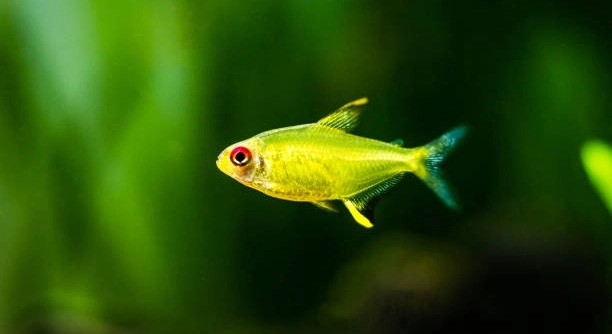
Lemon tetras are small, lively fish that add a bright splash of color to any aquarium. They are social creatures, but sometimes their energy and interest in their surroundings can fade without warning.
Several factors can cause lemon tetras to lose interest, including poor water quality, lack of stimulation, overcrowding, improper diet, insufficient hiding spots, stress from tank mates, or inconsistent lighting. Addressing these conditions can help maintain their activity and engagement.
Keeping your lemon tetras happy requires attention to their environment and daily care. Understanding these common issues will help you create a more vibrant, lively aquarium for them.
Poor Water Quality
When water quality drops, lemon tetras quickly show signs of disinterest. Cloudy water, high ammonia, nitrite, or nitrate levels can make them lethargic and withdrawn. Regular water changes, proper filtration, and monitoring of chemical levels are essential. Even small fluctuations can stress these delicate fish. Signs of stress include reduced swimming, hiding, or loss of color. Maintaining stable temperature and pH also helps. Overfeeding can worsen water conditions, so feeding small amounts and removing leftover food is important. Aquariums with stable and clean water keep lemon tetras active and curious. They respond well to a well-maintained environment and proper care. Observing your fish daily allows you to detect subtle changes in behavior. Providing plants and decorations can also help reduce stress while promoting natural activity. Clear, balanced water supports their health, encourages social behavior, and keeps them engaged with their surroundings.
Regular water testing and maintenance are key for lemon tetras to remain active, healthy, and interested in their environment. Consistency prevents stress.
A clean tank gives lemon tetras a sense of security. Fish are less likely to hide and more likely to swim freely when water parameters are stable. Small adjustments, like gentle water changes, prevent sudden shocks. Watching them explore plants and decorations is rewarding, and it signals they feel safe. Avoid harsh chemicals or sudden temperature shifts. Over time, they will regain energy, swim in schools, and interact more, showing the positive effect of clean water on their daily behavior.
Lack of Stimulation
Lemon tetras need variety in their tank to stay engaged. A plain or empty tank can quickly make them bored, reducing activity and interest. They enjoy swimming through plants, exploring rocks, and hiding in decorations. Even small additions like floating plants or caves make a difference. Rearranging the tank occasionally can provide novelty without disturbing the fish too much. Interactive environments mimic natural habitats and encourage natural behavior like schooling and foraging. Including live or artificial plants, small tunnels, and varied textures can spark curiosity. Colorful decorations or gentle current changes add subtle stimulation. Without these elements, lemon tetras may remain stationary or cluster in corners. Providing enrichment keeps their energy consistent and prevents stress-related behaviors. This also benefits overall health, as active fish are less prone to disease and show brighter colors. Simple adjustments can transform a dull aquarium into a lively habitat.
A tank with plants, decorations, and gentle movement encourages natural activity, keeping lemon tetras engaged and energetic throughout the day.
Adding stimulation requires planning. Plants should be spaced for swimming areas, not overcrowding. Decorations need smooth edges to prevent injuries. Live plants improve water quality while creating hiding spots. Gentle currents simulate river conditions, encouraging swimming and exploration. Rotate objects occasionally to maintain novelty but avoid constant disruption. Incorporating varied textures, like smooth stones or driftwood, gives fish tactile experiences. Feeding methods can also be stimulating—scattering food encourages foraging. A balanced approach to enrichment promotes social interaction and reduces stress. Observing fish reactions helps fine-tune the environment. Active, curious lemon tetras are a sign of successful care and thoughtful tank design, proving that small changes create a big difference in engagement and overall well-being.
Overcrowding
Too many fish in a tank stresses lemon tetras and reduces their interest in swimming or interacting. Limited space prevents natural schooling behavior and increases aggression, causing withdrawal or hiding. Proper stocking is essential to maintain activity and health.
Overcrowding creates competition for food, oxygen, and territory. Lemon tetras may stop exploring and cluster in corners or under decorations. Stress from cramped conditions can weaken their immune system, making them more prone to illness. Fish may nip at each other or display unusual behavior, such as rapid breathing or erratic swimming. Adequate space and careful planning of tank population allow lemon tetras to swim freely and maintain social interactions. Ensuring enough room for all inhabitants preserves both their energy and engagement.
Adjusting tank size or reducing the number of fish restores balance. Lemon tetras thrive when able to school naturally, explore plants, and move without obstruction. Open swimming areas combined with structured hiding spots support healthy activity, decrease stress, and encourage natural behavior. Observing interactions helps determine whether the tank is overcrowded, allowing timely adjustments to improve their comfort and interest.
Improper Diet
Feeding lemon tetras the wrong food leads to reduced energy and dull behavior. Balanced nutrition is key to their vitality and activity.
A diet lacking in variety or essential nutrients makes lemon tetras less active and less colorful. They require high-quality flakes, small live or frozen foods like brine shrimp, and occasional vegetable matter. Overfeeding or underfeeding can also cause lethargy. Rotating food types ensures they receive proteins, vitamins, and minerals needed for growth and overall health. Poor diet affects their immune system and reduces interest in swimming or interacting with tank mates.
Feeding habits directly influence their engagement. Offering food at regular times and in appropriate amounts encourages schooling behavior and natural foraging. Observing their response to different foods helps gauge appetite and energy levels. Combining flakes, live, and frozen foods keeps them curious and active. A consistent feeding routine alongside a varied diet maintains health, vibrant coloration, and overall activity, making lemon tetras more lively and interactive in their tank environment.
Insufficient Hiding Spots
Lemon tetras feel unsafe without places to hide, which can make them withdrawn. Plants, caves, or decorations give them a sense of security and encourage normal activity.
Hiding spots reduce stress by allowing fish to escape perceived threats. Without them, lemon tetras may stay near the bottom or in corners, limiting swimming and social interaction.
Stress from Tank Mates
Aggressive or overly active tank mates can intimidate lemon tetras. Constant chasing or nipping causes them to retreat, hide, and lose interest in exploring their environment. Ensuring compatible species keeps their behavior balanced and reduces stress.
Inconsistent Lighting
Sudden changes or improper lighting disrupt lemon tetras’ natural rhythm. Too bright or too dim light can make them hide or remain inactive, affecting overall engagement and activity in the tank.
Temperature Fluctuations
Lemon tetras are sensitive to water temperature changes. Fluctuating temperatures reduce energy levels and interest, causing them to become lethargic or hide frequently. Stable, appropriate temperatures support healthy behavior and activity.
FAQ
Why are my lemon tetras hiding all the time?
Lemon tetras hide when they feel stressed or unsafe. Common reasons include overcrowding, aggressive tank mates, insufficient hiding spots, or sudden changes in water conditions. Adding plants, caves, and decorations gives them safe spaces to explore while reducing stress. Observing daily behavior can help identify triggers.
How often should I change their water?
Regular water changes are essential to keep lemon tetras healthy. A common approach is to replace 20–25% of the tank water weekly. This helps maintain stable chemical levels, prevents toxin buildup, and encourages activity. Avoid changing too much at once, which can shock the fish.
What is the ideal tank temperature?
Lemon tetras thrive in water temperatures between 72°F and 78°F (22°C–26°C). Sudden fluctuations can make them lethargic or stressed. Using a reliable heater and thermometer ensures stability, keeping fish active and engaged in their environment.
What should I feed them?
A varied diet keeps lemon tetras healthy and lively. High-quality flake food can be supplemented with frozen or live options like brine shrimp, daphnia, and bloodworms. Occasional vegetable matter, like blanched spinach or zucchini, supports digestion. Feeding small portions twice daily prevents overeating and water pollution.
Can tank decorations really affect their behavior?
Yes, decorations impact activity and stress levels. Lemon tetras use plants and caves for hiding, exploring, and schooling. Properly spaced decorations allow swimming areas while providing security. Rearranging the tank occasionally adds novelty, encouraging natural exploration without overwhelming the fish.
How do I know if my tank is overcrowded?
Signs of overcrowding include frequent hiding, aggression, or reduced swimming space. A good rule is one inch of fish per gallon, though schooling species like lemon tetras need slightly more room. Too many fish increase competition for food and oxygen, reducing overall activity.
What lighting is best for lemon tetras?
Moderate, consistent lighting works best. Too bright or too dim light can cause hiding or inactivity. A regular day-night cycle of about 8–10 hours of light helps maintain natural rhythms. Floating plants can diffuse strong light and create shaded areas.
Why do my lemon tetras seem less active in the mornings?
They may take time to adjust after lights turn on, especially if water temperature or conditions vary. Gradual lighting or soft morning light can help. Activity usually increases as they acclimate to the environment.
Can water quality affect their color?
Absolutely. Poor water conditions can dull lemon tetras’ bright yellow hue. Stable water parameters, regular cleaning, and a balanced diet help maintain vibrant coloration and indicate overall health.
How do I reduce stress in my tank?
Stress can be minimized by keeping water stable, providing hiding spots, avoiding aggressive tank mates, and maintaining proper temperature and lighting. Observing behavior and responding to subtle changes early prevents long-term issues and encourages active, engaged fish.
How often should I test the water?
Testing once a week is recommended. Check ammonia, nitrite, nitrate, and pH levels. Frequent monitoring helps catch imbalances early, preventing stress and lethargy in lemon tetras. Stable, clean water encourages normal behavior and overall vitality.
Can I keep other fish with lemon tetras?
Yes, but choose peaceful species that won’t nip fins or outcompete them for food. Suitable tank mates include small tetras, rasboras, and peaceful catfish. Avoid aggressive or large fish that stress or intimidate lemon tetras. Proper compatibility maintains a balanced, active community tank.
What signs indicate my lemon tetras are healthy?
Active swimming, bright coloration, regular schooling, and normal appetite are key indicators. Healthy fish explore the tank, interact with each other, and respond to feeding. Sudden hiding, color fading, or inactivity may signal stress or poor conditions that need attention.
How do I encourage them to explore more?
Providing plants, caves, gentle currents, and varied textures stimulates natural exploration. Occasionally rearranging decorations and offering scattered food encourages movement. Active tanks with diverse environments keep lemon tetras engaged, reducing boredom and stress while promoting social behavior.
What should I do if a fish appears sick?
Isolate the affected fish in a quarantine tank to prevent spread. Check water quality and observe symptoms carefully. Consult a veterinarian or reliable aquarium resource for treatment options. Early intervention improves recovery chances and maintains the health of the rest of the tank.
How do I maintain consistent water parameters?
Use a reliable heater, filter, and thermometer to keep temperature and chemical levels stable. Regular water changes, proper feeding, and avoiding overcrowding prevent sudden fluctuations. Consistency in water quality supports health, behavior, and longevity of lemon tetras.
Can stress cause lemon tetras to lose interest in food?
Yes. Stress from poor water quality, aggressive tank mates, or sudden environmental changes can reduce appetite. Addressing the source of stress and maintaining proper conditions helps restore normal feeding behavior and energy levels.
How long do lemon tetras live in captivity?
With proper care, lemon tetras can live 5–8 years. Maintaining clean water, balanced diet, stable temperature, and low-stress conditions ensures longevity. Active, engaged fish are usually healthy and enjoy a longer life.
What are common mistakes new owners make?
Common mistakes include overfeeding, overcrowding, neglecting water changes, improper tank mates, and lack of hiding spots. These issues lead to stress, lethargy, and dull colors. Consistent care, monitoring, and providing an enriched environment prevent most problems and keep lemon tetras lively.
How can I tell if they are stressed?
Signs include hiding, rapid breathing, clamped fins, color fading, and reduced movement. Identifying stress early allows corrective action, such as adjusting water quality, providing hiding spots, or separating aggressive tank mates. Addressing stress promptly maintains healthy and active fish.
Can lemon tetras adapt to a new tank easily?
They adapt better if introduced gradually. Acclimate them slowly to the tank’s temperature and water parameters. Providing plants, decorations, and a calm environment reduces stress, allowing them to explore, school naturally, and regain energy over time.
What is the best way to feed a school of lemon tetras?
Feed small amounts evenly across the tank to ensure all fish receive food. Rotating types of food keeps them interested and active. Avoid overfeeding, which pollutes water and encourages lethargy. Balanced feeding supports energy, color, and social behavior.
How do I prevent aggression in the tank?
Maintain proper stocking levels, choose compatible tank mates, and provide sufficient space and hiding spots. Stress and territorial behavior decrease with these measures, allowing lemon tetras to swim freely and engage naturally. Observing interactions helps catch potential aggression early.
Are live plants better than artificial ones?
Live plants improve water quality and provide natural hiding spots, while artificial plants offer stability and low maintenance. Both can enrich the environment. Choosing a mix or suitable arrangement encourages exploration, reduces stress, and supports active schooling behavior.
How much space do lemon tetras need?
They need at least 10 gallons for a small school of six. More space allows natural swimming patterns, schooling behavior, and reduces stress. Proper space prevents overcrowding and keeps fish active and engaged.
Can water hardness affect their behavior?
Yes. Lemon tetras prefer soft to moderately hard water. Excessively hard or fluctuating water can cause stress, leading to lethargy or hiding. Stable, appropriate water hardness supports healthy behavior and energy.
What is the best way to monitor their health?
Daily observation for activity, color, appetite, and interaction is key. Checking water parameters weekly ensures stability. Prompt action on any changes helps prevent illness and maintains engagement.
How do I encourage natural schooling behavior?
Keeping at least six lemon tetras together in a well-decorated, spacious tank promotes natural schooling. Observing their movement and providing open swimming areas along with hiding spots encourages cohesive and active group behavior.
Can temperature changes make them lose interest in food?
Yes, sudden or frequent temperature changes can reduce appetite and energy. Stable temperatures maintain normal feeding patterns and encourage activity, ensuring lemon tetras remain engaged and healthy.
How often should I clean the tank?
Weekly partial water changes and monthly filter checks maintain cleanliness without stressing the fish. Regular cleaning prevents toxin buildup, reduces disease risk, and keeps lemon tetras active and curious.
What are signs of a happy lemon tetra?
Swimming in schools, exploring the tank, bright coloration, active feeding, and interacting with other tetras indicate happiness. Healthy, engaged fish demonstrate that environmental and dietary needs are being met effectively.
How do I introduce new fish safely?
Quarantine new fish first, acclimate slowly to water parameters, and monitor interactions. Adding them gradually to a peaceful tank reduces stress for both new and existing lemon tetras, promoting harmony and natural behavior.
Can overfeeding harm lemon tetras?
Yes, excess food pollutes water, causing stress and lethargy. Feeding small portions twice daily, removing leftovers, and varying diet maintains energy, health, and interest in exploring the tank.
How do I know if they are bored?
Signs of boredom include swimming aimlessly, hiding excessively, and ignoring food or tank features. Adding plants, decorations, or rearranging the tank stimulates exploration and restores engagement.
Do lemon tetras need a specific pH?
They prefer slightly acidic to neutral water (pH 5.5–7.0). Maintaining consistent pH prevents stress and promotes normal activity, schooling, and feeding behaviors, keeping fish healthy and engaged.
How can I tell if the tank is stressful for them?
Frequent hiding, pale colors, clamped fins, and lethargy indicate stress. Observing patterns and reviewing water conditions, tank mates, and enrichment options help identify and reduce stressors.
What is the best way to acclimate lemon tetras to new water?
Float the bag in the tank, gradually add small amounts of tank water over 30–60 minutes, then gently release the fish. This prevents shock, reduces stress, and encourages natural activity once introduced.
Can lemon tetras recover from stress?
Yes, with stable water, proper diet, hiding spots, compatible tank mates, and consistent conditions. Recovery is gradual, and active, curious behavior signals successful adaptation and restored interest.
How do I maintain a balanced school?
Keep at least six fish, provide equal feeding opportunities, avoid aggressive species, and monitor social interactions. A balanced school encourages natural schooling, swimming, and engagement.
Are floating plants beneficial?
Yes, they create shade, diffuse light, and offer security. Floating plants reduce stress, encourage exploration, and mimic natural habitats, improving overall engagement and activity.
How long can lemon tetras go without food?
They can survive a day or two without food, but regular feeding maintains energy and health. Skipping meals occasionally is fine, but consistency supports vitality and activity levels.
Do they need a filter with gentle current?
Yes, a gentle current simulates natural conditions without stressing them. Filters maintain water quality while providing circulation, which encourages swimming and engagement.
Can sudden loud noises affect them?
Yes, loud or constant noise can startle lemon tetras, causing hiding or lethargy. A quiet, stable environment reduces stress and supports normal behavior.
How can I tell if they are schooling correctly?
They swim together in synchronized patterns, often changing direction as a group. Cohesive movement with minimal conflict indicates proper social interaction and low stress.
Is it normal for lemon tetras to rest at the bottom?
Occasionally resting is normal, especially at night. Extended periods at the bottom, hiding, or inactivity may indicate stress, illness, or poor water conditions.
How do I prevent fin damage?
Avoid sharp decorations, aggressive tank mates, and overcrowding. Healthy water quality, compatible species, and enrichment reduce fin nipping and maintain activity.
Can lighting cycles affect their sleep?
Yes, consistent day-night cycles help regulate activity. Too much or too little light disrupts natural rhythms, causing hiding or lethargy. Maintaining a steady schedule supports healthy behavior.
How important is daily observation?
Daily observation allows early detection of stress, illness, or environmental issues. Noticing subtle changes helps maintain engagement, health, and overall vitality of lemon tetras.
Do lemon tetras need companions of the same species?
Yes, they are schooling fish. Small groups of six or more promote natural behavior, reduce stress, and keep them active and engaged.
How can I tell if my water is too harsh?
Signs include lethargy, color fading, or stress behaviors. Testing hardness and maintaining soft to moderately hard water ensures lemon tetras remain active and healthy.
What role does aeration play?
Proper aeration improves oxygen levels and circulation, preventing lethargy. Combined with filtration, it supports activity, health, and overall engagement in the tank.
Can they adapt to slightly different temperatures?
Gradual changes within 2–3°F are usually tolerated. Sudden shifts cause stress, hiding, and reduced activity. Consistency is more important than minor variations.
How often should I trim plants?
Trimming prevents overcrowding, ensures swimming space, and maintains hiding spots. Balanced plant growth encourages exploration, reduces stress, and keeps lemon tetras engaged.
What is the impact of tank size on behavior?
Larger tanks allow natural schooling, swimming, and exploration. Small tanks limit movement, increase stress, and reduce interest. Providing adequate space supports healthy activity.
How do I reduce algae without stressing fish?
Manual removal, moderate lighting, and algae-eating species maintain cleanliness. Avoid harsh chemicals that can shock lemon tetras, reducing stress and lethargy.
Are lemon tetras sensitive to tap water?
Untreated tap water may contain chlorine or heavy metals. Using a water conditioner ensures safety, prevents stress, and maintains natural behavior.
How can I tell if their diet is sufficient?
Healthy color, active swimming, and normal feeding patterns indicate adequate nutrition. Lack of energy or dull color signals dietary adjustments are needed.
Do they benefit from gentle water movement?
Yes, gentle currents simulate natural habitats, encourage swimming, and reduce boredom, keeping lemon tetras active and healthy.
Can adding new decorations suddenly stress them?
Sudden major changes may cause hiding or reduced activity. Introduce new items gradually to allow acclimation and maintain engagement.
What is the effect of sudden tank rearrangements?
Drastic rearrangements increase stress and hiding. Minor changes or gradual adjustments keep lemon tetras curious and active without overwhelming them.
Are they affected by strong scents or chemicals nearby?
Yes, strong odors or chemicals can irritate fish, reduce activity, and cause hiding. Keep cleaning agents and perfumes away from the tank.
How do I encourage interaction within the school?
Provide space, hiding spots, and feeding opportunities for all fish. Observe social patterns and adjust tank conditions to support natural schooling behavior.
Can stress from handling affect them long-term?
Yes, excessive handling or netting causes anxiety, hiding, and reduced activity. Minimize direct contact to maintain energy and engagement.
Is it normal for lemon tetras to change behavior with age?
Some changes are normal, like reduced activity in older fish. Maintaining good care and environment helps preserve energy, color, and social behavior.
How do I know if a tank mate is bothering them?
Signs include hiding, fleeing, clamped fins, or disrupted schooling. Observing interactions and separating aggressive fish preserves stress-free behavior.
Do seasonal changes affect lemon tetras?
Yes, temperature and light changes can influence activity. Maintaining stable indoor conditions reduces stress and keeps behavior consistent year-round.
Can minor water chemistry shifts cause hiding?
Even small changes in pH, hardness, or temperature can stress lemon tetras. Monitoring and gradual adjustments prevent long-term hiding or inactivity.
Are lemon tetras sensitive to vibrations?
Yes, vibrations from taps, footsteps, or nearby machinery can cause stress. A stable, low-vibration environment encourages normal swimming and engagement.
What is the ideal school size for activity?
Six to ten fish promotes natural schooling, reduces stress, and encourages exploration. Smaller groups may hide more, while overcrowding causes tension.
Can I use artificial plants exclusively?
Yes, as long as they provide hiding spots and swimming space. Mixing with live plants can improve water quality and stimulation.
How do I prevent water stagnation?
Use a filter and occasional gentle water circulation. Stagnant areas reduce oxygen, cause lethargy, and discourage exploration.
What is the impact of strong currents?
Strong currents stress lemon tetras, causing hiding and fatigue. Gentle flow encourages swimming while mimicking natural habitats without overwhelming them.
Can they detect sudden temperature drops?
Yes, sudden drops reduce activity and cause hiding. Gradual adjustments prevent stress and maintain normal behavior.
How do I encourage feeding from all fish in a school?
Spread food evenly and rotate types. Observe to ensure shy or slower fish get access, promoting balanced energy and growth.
Can noise from pumps or filters disturb them?
Loud or inconsistent sounds can cause hiding or lethargy. Quiet, stable equipment minimizes stress and maintains natural activity.
How do I maintain stable pH naturally?
Use substrate, plants, and driftwood to buffer pH gently. Avoid sudden chemical adjustments that shock lemon tetras and reduce engagement.
Do they enjoy current from a filter?
Yes, if gentle. It encourages swimming, exploration, and natural behavior. Strong currents, however, can cause stress or hiding.
What are early signs of illness?
Loss of color, lethargy, clamped fins, erratic swimming, or loss of appetite indicate problems. Early intervention improves recovery and prevents spread in the tank.
How do I encourage color vibrancy?
Provide balanced diet, clean water, stable temperature, and low-stress environment. Active fish in enriched surroundings display their natural bright yellow coloration.
Can frequent water changes stress them?
Excessive or abrupt water changes can shock fish. Gradual, consistent partial changes maintain stability and encourage normal behavior.
How do I know if they are happy in a new tank?
Active swimming, bright colors, schooling, and regular feeding indicate comfort. Hiding or lethargy signals environmental adjustments are needed.
Can overpopulation reduce activity?
Yes, overcrowding limits swimming space, increases stress, and reduces engagement. Proper tank size and stocking maintain energy and social behavior.
How important is tank location?
A stable, quiet area away from vibrations, direct sunlight, or sudden temperature changes reduces stress and supports normal activity.
How do I minimize stress during maintenance?
Perform slow water changes, avoid sudden temperature shifts, keep handling minimal, and ensure hiding spots remain intact. Calm maintenance keeps lemon
Lemon tetras are small, delicate fish that require careful attention to thrive. Their behavior is closely tied to the environment they live in, and even small changes can affect their interest and energy. Keeping water clean, maintaining stable temperature and pH, and providing a well-balanced diet are essential steps. These fish rely on consistency to feel safe and comfortable. When they are stressed or bored, they hide, lose color, or become inactive. Observing their daily behavior helps identify problems early and allows you to make the necessary adjustments to keep them healthy and lively.
Creating a stimulating environment is just as important as maintaining water quality. Lemon tetras enjoy swimming through plants, hiding in caves, and exploring decorations. Overcrowded tanks or tanks without hiding spots can make them feel unsafe, causing them to withdraw. Providing gentle currents, varied textures, and occasional rearrangements of decorations keeps them curious and active. Their schooling behavior is natural and should be supported by keeping at least six fish together. This social aspect not only reduces stress but encourages engagement and movement throughout the tank. Paying attention to tank mates is also crucial, as aggressive or overly active fish can intimidate lemon tetras, causing them to hide or lose interest in swimming and exploring.
Finally, a consistent routine and careful monitoring ensure lemon tetras remain healthy and engaged over time. Regular water changes, feeding appropriate amounts of varied foods, and maintaining a steady day-night cycle all contribute to their well-being. Stress, poor diet, and environmental inconsistencies are common reasons they lose interest, but these can be corrected with simple, deliberate care. By providing a stable, enriched, and supportive environment, lemon tetras can thrive and display natural behavior, vibrant color, and active schooling patterns. Paying attention to these factors creates a balanced aquarium where these small, bright fish can remain curious, social, and healthy for years.

Hello,
If you enjoy the content that we create, please consider saying a "Thank You!" by leaving a tip.
Every little bit helps us continue crafting quality advice that supports the health, happiness, and well-being of pets around the world, for pets of all shapes, sizes, and species.
We really appreciate the kindness and support that you show us!