
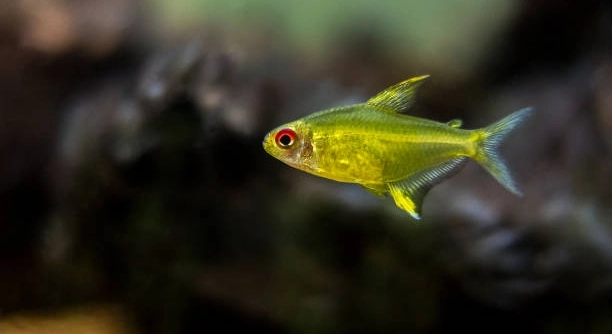
Do you ever find yourself watching your lemon tetra swim gracefully and wonder if it can adapt to a daily routine? These small, vibrant fish often brighten aquariums with their lively presence and delicate movements. Observing their behavior can be fascinating and rewarding.
Lemon tetras are capable of learning simple routines through consistent environmental cues and repeated patterns. Research indicates that these fish can recognize feeding times, specific locations, and visual signals, allowing them to anticipate events and adjust their behavior accordingly.
Understanding their learning capabilities can improve how you care for them and create a more engaging, harmonious aquarium environment for your fish.
How Lemon Tetras Learn
Lemon tetras can learn through repetition and consistent cues in their environment. They respond well to routines such as feeding times or specific areas where food appears. Over days and weeks, they begin to associate these signals with rewards, which shapes their behavior. Observing a tetra anticipate food or swim to a designated spot can be surprisingly clear. Light changes, tank decorations, and other environmental markers can also help them recognize patterns. Consistency is key; sudden changes in schedule or placement can confuse them. These fish are naturally social, so learning is enhanced when they see other tetras reacting to the same cues. Gentle reinforcement, like feeding at the same time daily, strengthens their understanding. Keeping a calm and predictable tank environment makes it easier for lemon tetras to form these habits, showing how adaptable they are to structured routines.
Learning happens slowly but steadily when cues remain reliable. They show progress through repeated, predictable behavior patterns.
Regular observation helps identify which signals your tetras respond to best, allowing you to create a structured daily routine that fits their natural behavior. Not all tetras learn at the same pace, but patience and consistency ensure gradual improvement. Over time, they may even anticipate feeding moments or swim toward favorite areas when a familiar cue appears. Lighting changes, tank layout, and social dynamics all influence how quickly they learn. For example, moving a decoration that marks a feeding spot may temporarily disrupt their routine. Encouraging learning is about minimizing stress and maintaining predictability. With repetition, tetras start connecting specific signals with positive outcomes, showing they can form habits and recognize patterns. This ability demonstrates their adaptability and intelligence in a controlled environment. Observing their responses can also make tank maintenance more rewarding, as you notice subtle changes in behavior.
Tips for Establishing a Routine
Consistency is the foundation of teaching lemon tetras any routine. Feeding, lighting, and environmental changes should follow a predictable pattern to reinforce learning.
Start by establishing a fixed feeding schedule. Use visual cues like a particular spot or time of day. Avoid sudden changes in tank layout or lighting. Reward behaviors consistently so tetras understand the association. Social reinforcement helps; if one fish reacts to a cue, others often follow. Minimize stress by maintaining water quality and temperature. Over time, tetras begin anticipating events, showing that routines can be successfully established with patience and careful observation.
Recognizing Patterns
Lemon tetras quickly notice repeated events in their tank. They respond to feeding times, changes in light, and movements of other fish. Over time, these patterns shape their daily behavior and help them anticipate what comes next, showing a clear capacity for learning and adaptation.
Observing tetras over several days reveals that they respond to consistent cues. If food is offered at the same spot and time, they begin to gather there beforehand. They may also swim to areas associated with certain events, such as a corner where the filter bubbles. These responses indicate memory and pattern recognition, as fish associate environmental signals with outcomes. Even small details, like shadows or movement outside the tank, can influence their anticipation. Lemon tetras’ ability to learn routines depends on regular reinforcement, calm surroundings, and social interactions with other fish. Their behavior reflects gradual learning rather than instant understanding.
Routine recognition also helps reduce stress in the aquarium. Fish become more confident when they know what to expect. Predictable patterns create a sense of security, and learning becomes easier when environmental conditions remain stable. Consistent feeding and lighting schedules strengthen their responses, while sudden changes can temporarily disrupt habits. Social dynamics in the tank further support learning, as tetras observe and mimic the behavior of others. Over time, these small but repeated signals allow lemon tetras to develop reliable routines that guide their daily activity.
Benefits of a Routine
A steady routine improves the health and behavior of lemon tetras. Consistency reduces stress and helps them thrive in a controlled environment. Predictable feeding and tank conditions promote active, confident fish that interact naturally.
Regular routines strengthen both physical and mental well-being. Fish that receive food at the same times each day develop better digestive health and avoid overeating. Consistent lighting patterns support natural circadian rhythms, encouraging regular swimming and resting periods. Tetras respond positively to environmental predictability, reducing erratic movements or hiding behaviors. Socially, they coordinate better when cues are repeated, following each other’s actions. The combination of reliable feeding, tank maintenance, and environmental cues creates a stable habitat where fish can exhibit natural behaviors and gradually learn new patterns without stress or confusion.
Establishing these routines also improves observation opportunities. By maintaining consistent patterns, it becomes easier to notice changes in behavior or health. Tetras reveal their preferences and reactions more clearly, allowing for timely adjustments in care. Habits such as gathering in certain areas, swimming in predictable paths, or anticipating feeding demonstrate the practical benefits of a structured environment. Over time, routines foster a sense of order and safety, enhancing the overall experience of keeping lemon tetras. Caregivers can use these patterns to strengthen the bond between observation and action, creating a smoother, more enjoyable aquarium management process.
Signs Lemon Tetras Have Learned a Routine
When lemon tetras follow a predictable path or gather at a feeding spot, it shows they recognize patterns. Their anticipation of food or certain environmental cues indicates that they have begun to understand and respond to a regular schedule.
Consistent swimming behaviors, such as moving to specific areas during feeding times or following familiar routes around the tank, are clear indicators. Tetras may also react to subtle cues like lights or shadows in the same way repeatedly. Watching these behaviors helps confirm that routines are established, and that the fish are adapting successfully to predictable environmental signals.
How to Reinforce Learning
Reinforcing a routine involves repetition and consistency. Feeding at the same time, using familiar cues, and keeping tank conditions stable helps tetras recognize patterns. Over time, these repeated actions strengthen their learned behavior.
Common Mistakes to Avoid
Inconsistency in feeding times, sudden changes in tank layout, or erratic lighting can confuse tetras. Keeping conditions predictable is essential to maintain their routine.
FAQ
Can lemon tetras really remember feeding times?
Yes, lemon tetras can remember feeding times when they are consistent. By offering food at the same time daily, they learn to associate the time with feeding. Over several days, they may swim toward the feeding spot in anticipation, showing clear recognition of the routine.
How long does it take for them to learn a routine?
Learning speed varies among individual fish. Some tetras may start recognizing patterns within a few days, while others may take weeks. Factors such as tank environment, consistency of cues, and social behavior of other tetras influence how quickly routines are established.
Can all tetras in a tank learn together?
Yes, tetras often learn by observing each other. When one fish responds to a cue, others may follow, reinforcing group learning. Social dynamics encourage faster recognition of feeding times, lighting changes, or designated swimming areas, making routine formation smoother across the tank.
Do environmental changes affect their learning?
Yes, sudden changes in tank layout, lighting, or water conditions can confuse tetras. Stability is essential for reinforcing routines. Gradual adjustments are better if changes are needed, as they allow tetras to adapt without disrupting their learned behavior.
What cues are most effective for teaching routines?
Visual and temporal cues work best. Consistent feeding locations, specific decorations, or light changes help tetras link actions to outcomes. Repetition is key, as regular cues strengthen memory and anticipation. Fish respond more quickly when multiple cues signal the same event.
Can stress interfere with learning?
Stress can hinder their ability to recognize routines. Poor water quality, overcrowding, or aggressive tank mates may reduce their attention to environmental cues. Maintaining a calm, clean, and stable environment allows tetras to focus on learning and responding predictably.
Is it necessary to use food to teach routines?
Food is the most common and effective motivator, but tetras can also learn routines through other predictable events, such as light changes or interaction with tank features. However, feeding cues are stronger because they provide a direct reward for the behavior.
How can I tell if a routine is working?
Signs include tetras swimming to specific areas at consistent times, anticipating feeding, or reacting predictably to environmental cues. Gradual improvement and repeated behavior over several days indicate that the routine is being learned successfully.
Should I worry if some fish don’t follow the routine?
No, not all fish learn at the same pace. Some tetras may take longer to recognize patterns. Continue with consistent cues and allow them time, as group behavior and repetition usually help slower learners catch up.
Can routines improve their overall health?
Yes, routines support physical and mental well-being. Predictable feeding prevents overeating or missed meals, while consistent lighting and environmental conditions reduce stress. Healthy, confident tetras show more natural swimming patterns and social behaviors, indicating the benefits of established routines.
What happens if I break their routine occasionally?
Occasional deviations are usually tolerated if routines are generally consistent. However, frequent changes can cause stress or confusion. Maintaining mostly predictable schedules ensures that learning is reinforced and behaviors remain reliable.
Are routines helpful for tank maintenance?
Absolutely. A structured schedule makes it easier to monitor fish behavior, water quality, and feeding habits. Predictable patterns allow caretakers to spot unusual behavior or health issues quickly, improving overall tank management.
Can lemon tetras teach other fish in the tank?
Indirectly, yes. Observational learning occurs when other fish notice the responses of tetras to cues. New or younger fish often pick up on predictable patterns by following more experienced tank mates.
Do older tetras learn as well as younger ones?
Yes, older tetras can still learn routines, though younger fish may adapt more quickly. Experience, environmental stability, and social cues play larger roles than age alone, allowing older fish to recognize and follow patterns successfully.
How can I reinforce learning over time?
Continue offering consistent cues, maintain stable tank conditions, and reward behaviors with food. Avoid abrupt changes and monitor responses to ensure the routine remains effective. Gradual reinforcement strengthens memory and encourages predictable behavior in the long term.
Can routines reduce aggressive behavior?
Yes, predictable routines reduce stress and uncertainty, which can lower aggression among tank mates. Fish that anticipate feeding and environmental cues are calmer, interact more smoothly, and spend less time competing for resources.
Is it possible to teach complex behaviors?
Lemon tetras are best at learning simple, repetitive routines. Complex tricks or advanced training are unlikely, but they can reliably respond to repeated cues and patterns, showing their ability to adapt and anticipate events in the tank.
Do routines work in community tanks?
Yes, but results may vary. Other species can affect tetras’ learning if they disrupt cues or create stress. Ensuring predictable schedules and a calm environment helps tetras maintain routines even in a mixed-species tank.
What are long-term benefits of routine learning?
Consistent routines enhance fish health, reduce stress, and create predictable behavior patterns. They improve observation opportunities and allow for early detection of issues. Over time, tetras become more confident, responsive, and engaged in their environment.
Can routines make feeding easier for caretakers?
Yes, having predictable feeding times and behaviors simplifies care. Fish gather at designated areas, reducing missed meals and ensuring everyone receives food. This also streamlines monitoring, cleaning, and observing health without constant adjustments.
How can I adjust routines if needed?
Introduce changes gradually, such as shifting feeding times slightly or altering cues in small steps. Abrupt changes can confuse fish, but careful adjustments allow tetras to adapt while retaining learned patterns.
Are routines necessary for all lemon tetras?
While not strictly necessary, routines improve quality of life. Predictable schedules and environmental cues reduce stress, encourage natural behaviors, and make observation and care more effective, benefiting both fish and caretaker.
Lemon tetras are small but intelligent fish that can adapt to routines with consistency and care. Observing their behavior over time makes it clear that they notice patterns in feeding times, light changes, and the movements of other fish. These simple routines help them anticipate events in the tank, which reduces stress and creates a calmer environment. When cues are repeated regularly, tetras start responding predictably, showing that they are capable of learning and adapting to their surroundings. Even small details, like a particular corner of the tank or the appearance of food in a certain spot, can become part of their learned routine. Maintaining stability in these routines is essential because sudden changes in layout, lighting, or feeding schedules can confuse them. A predictable environment allows lemon tetras to feel secure, which encourages natural swimming patterns and social interaction among the group. Over time, the repetition of consistent cues strengthens their memory, and the fish develop habits that make caring for them easier and more rewarding.
Establishing routines also benefits the overall health of the fish. Regular feeding at consistent times ensures that they receive the right amount of food without overeating or going hungry. This supports proper digestion and maintains their energy levels. Consistent lighting schedules help regulate their natural circadian rhythms, which is important for rest, activity, and overall well-being. Social behavior improves when routines are in place, as tetras can follow each other and respond to shared cues. Even small environmental cues, such as shadows or decorations, contribute to their understanding of the tank’s patterns. Gradually, the fish learn to associate these signals with specific outcomes, showing clear evidence of memory and recognition. Predictable routines also help caretakers notice any changes in behavior that could indicate stress or health issues, making early intervention easier. By observing their responses, one can adjust the environment or schedule to better suit their needs, ensuring they remain active, healthy, and stress-free.
The benefits of routines extend beyond just learning behavior. Predictable schedules create a more harmonious tank, reduce stress, and improve observation for caretakers. Fish become more confident in their environment, which encourages natural exploration and interaction with tank mates. Repetition and stability in daily care simplify tasks like feeding, monitoring, and maintenance, while also supporting long-term health. Even in community tanks, where multiple species share space, routines provide structure that allows lemon tetras to feel secure and react consistently. Over time, this creates a stable and engaging environment where fish can thrive. By maintaining consistent cues and monitoring their responses, it is possible to reinforce learned behaviors, encourage healthy habits, and foster a more enjoyable aquarium experience. Predictable routines not only help the tetras adapt and respond appropriately but also make aquarium management more straightforward and rewarding for the caretaker.

Hello,
If you enjoy the content that we create, please consider saying a "Thank You!" by leaving a tip.
Every little bit helps us continue crafting quality advice that supports the health, happiness, and well-being of pets around the world, for pets of all shapes, sizes, and species.
We really appreciate the kindness and support that you show us!