
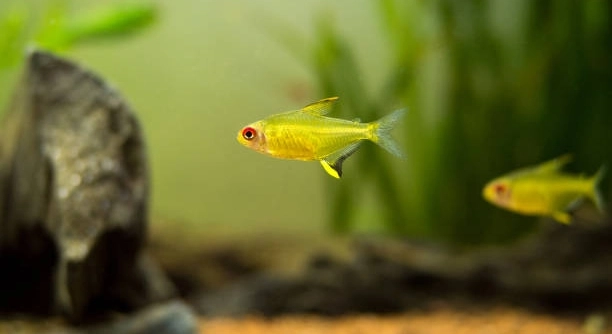
Have you ever noticed your lemon tetra turning pale and felt unsure about what it means for their well-being? Moments like this can leave you worried, especially when you want to maintain a healthy tank.
Lemon tetra often turn pale due to stress, poor water quality, or sudden environmental changes. These conditions disrupt normal coloration by influencing hormone balance and overall health. Maintaining parameters and minimizing stressors helps restore their natural tone and supports vitality.
Learning what affects their coloration will help you understand their needs while guiding you toward steps that support their comfort.
Common Causes of Sudden Color Loss
When your lemon tetra begins to fade, it often means something in the tank is affecting their comfort. I have seen this happen during small changes that seemed harmless at first, yet they still created a noticeable shift in behavior and appearance. Stress from moving decorations, bright lighting, or sudden noise can make these gentle fish react quickly. Poor water quality also has a strong impact, especially when ammonia or nitrite rises without warning. Even small temperature swings may disrupt their routine and weaken their color. Since lemon tetra are sensitive to instability, paying attention to these details helps you respond faster. Regular checks and calm surroundings support them through stressful moments. When you give them balanced conditions, their natural glow has a better chance of returning. Watching them regain their color feels reassuring, and it shows how simple adjustments can create a positive change in their daily life gently.
These changes are usually easy to overlook, yet they influence how your fish feels each day. When you maintain steady conditions and avoid sudden shifts, you give your lemon tetra the chance to hold their natural color and stay comfortable in their environment. This small attention can create steady improvement.
Color loss can also appear when lemon tetra experience social stress. A crowded tank or an unbalanced group may cause them to hide more often, which affects their natural tone. I have noticed that giving them enough space and peaceful tank mates helps them settle and show brighter color. When they feel secure, they swim with more confidence and maintain better health. Adjusting group size, spacing out hiding spots, and keeping a calm environment supports their comfort. Small shifts like these encourage better behavior, and their color improves with steady care.
The Role of Diet in Maintaining Color
Sudden color fading may also come from dietary issues. When lemon tetra lack balanced nutrition, their appearance can shift quickly. Offering varied foods helps them maintain steady energy and better coloration, especially when they face small stressors that influence their overall condition. This support helps them stay vibrant each day.
Feeding your lemon tetra a balanced diet plays a meaningful role in their color stability. When they receive proper nutrients, their bodies function more smoothly, allowing them to handle everyday stress with greater ease. High quality flakes, micro pellets, and occasional frozen foods support their health while encouraging brighter coloration. I have seen that offering a mix of protein, plant matter, and vitamins helps them maintain energy throughout the day. It also prevents sudden nutritional gaps that can make them fade. Rotating foods keeps them interested and ensures they receive steady nourishment. These simple feeding habits also make your care routine easier by reducing guesswork and keeping your fish stable. When you stay consistent, their behavior improves, their movement stays relaxed, and their color holds steady through changes inside the tank.
Water Conditions and Their Influence on Color
Clean, stable water helps lemon tetra hold their natural tone. When levels shift quickly, they often react by fading. I’ve noticed that even tiny changes can influence their comfort, so keeping everything steady makes a clear difference in how they look each day.
Maintaining proper water conditions means checking parameters regularly and correcting issues before they grow. Ammonia and nitrite should always stay at zero, while nitrate remains low through consistent water changes. Temperature stability matters just as much, since sudden swings can unsettle them. I’ve learned that when you avoid unnecessary disruptions, they behave more confidently and show stronger color. Gentle filtration and quiet surroundings also help them feel secure. When you stay mindful of these small details, your fish respond positively. Their color becomes more reliable, and they move around the tank with a calmer rhythm that reflects better overall health.
Improving water conditions also reduces the stress that often causes pale coloration. When the tank receives steady care, the environment becomes more predictable for your fish. I’ve seen how regular cleaning, careful feeding, and proper aeration support their comfort. These habits prevent buildup and create a space where the fish can thrive without reacting to constant change. Stable water also supports their metabolism, which affects how their pigments show up. When everything stays balanced, they appear healthier, settle into a smoother routine, and display color that feels more natural. Caring for these details consistently makes the biggest difference in their long-term appearance and ease.
Environmental Changes and Their Impact
Sudden alterations in the tank, like moving decorations or adjusting lighting, can create pressure that affects their color. Lemon tetra respond quickly to changes around them, so keeping things predictable supports their natural tone and daily behavior.
When the environment changes too fast, these small fish may hide more often or reduce their activity. I’ve noticed that bright lighting, loud noise, or sharp movements near the tank can make them react almost immediately. Keeping a calm space helps them feel more comfortable. Adjusting décor gradually and giving them time to settle makes their reactions less intense. They benefit from having enough plants or shaded spots where they can pause and feel safe. When you maintain a peaceful environment and avoid frequent rearranging, their confidence grows. This stability supports healthier coloration and helps them move around the tank with a steady rhythm, showing signs of comfort instead of stress.
Behavioral Stress Factors
Social tension can trigger sudden fading, especially when the group feels unbalanced. I’ve seen lemon tetra become nervous when the tank is overcrowded or when aggressive tank mates disturb their routine. Keeping a peaceful mix helps them stay steady in both behavior and color.
Changes in their surroundings, like sudden movements or frequent tapping on the glass, can also unsettle them. When they feel startled, they often retreat and pale quickly. A calm environment with predictable activity supports their comfort and helps them maintain a healthier, brighter appearance throughout the day.
Health Issues That Affect Color
Illness can influence how your lemon tetra looks, especially when symptoms are subtle at first. I’ve noticed that parasites, infections, or internal stress can cause sudden fading before other signs appear. Keeping an eye on appetite, swimming patterns, and breathing helps you catch early changes. Quarantining new fish lowers the chance of introducing unwanted issues, reducing stress for the whole group. When you respond quickly to abnormalities and maintain clean conditions, you give your fish the support they need to recover. Stable care often helps their color return as their health improves.
When to Seek Professional Help
If color loss continues despite stable water, good diet, and calm surroundings, reaching out to a fish health professional is helpful. Persistent fading may signal underlying issues that need targeted care, and early guidance can make a meaningful difference for your fish.
FAQ
Why do my lemon tetra suddenly turn pale even though the water looks fine?
Even when water appears clean, hidden issues like minor pH fluctuations, low oxygen levels, or unnoticed nitrate buildup can stress your fish. I’ve seen tanks that looked perfect still cause fading. Consistent testing and small water adjustments often help them regain their color.
Can stress from tank mates cause paleness?
Yes, lemon tetra are sensitive to aggressive or overly active tank mates. I’ve observed them hide or swim nervously when another fish dominates the space. Ensuring a peaceful, well-spaced community reduces stress and encourages natural coloration.
Does lighting affect their color?
Lighting plays a big role in how their pigments appear. Too bright or constantly changing light can make them look pale. I try keeping a regular light schedule and providing shaded areas. It helps maintain vibrant color and reduces stress-related fading.
How quickly can lemon tetra recover their color?
Recovery depends on the cause. If stress or minor water changes caused fading, noticeable improvement can happen in a few days. Illness or nutritional deficiencies may take longer. I’ve found that consistent care and observation are key to helping them regain their natural tone.
Can diet improve fading?
Absolutely. A varied diet with high-quality flakes, micro pellets, and occasional frozen foods boosts pigment production. I mix plant-based and protein-rich foods to cover all nutritional needs. Proper nutrition supports their overall health and keeps color stable even under mild stress.
Is temperature fluctuation a common reason for color loss?
Yes, lemon tetra prefer stable temperatures. Sudden drops or spikes can stress them, causing paleness. I make sure to monitor heaters and avoid placing the tank near windows or vents. A consistent temperature helps them feel secure and maintain vibrant color.
Do new decorations or rearranging affect their color?
Any environmental change can trigger fading. Moving plants, rocks, or decorations suddenly may make them nervous. I usually rearrange gradually or leave familiar areas untouched. Providing hiding spots and consistent surroundings helps them adjust without losing color.
Could illness be the cause if they stay pale for days?
Persistent paleness may indicate health problems like parasites, bacterial infections, or internal stress. I check for other signs, including loss of appetite, erratic swimming, or clamped fins. Early intervention, quarantine of new fish, and proper medication often prevent further decline.
Should I separate pale fish from others?
Not always. If paleness is due to stress or mild water issues, they often recover alongside healthy tank mates. Separation is mainly necessary for illness or aggression. I assess their behavior first to determine whether isolation is beneficial or stressful.
How often should I test water to prevent color loss?
Regular testing helps catch issues before they affect your fish. I test ammonia, nitrite, nitrate, and pH weekly. Keeping a log allows you to notice small changes early, preventing stress and supporting stable coloration. Consistency is more effective than occasional checks.
Can overcrowding cause permanent color dullness?
Overcrowding increases competition, stress, and waste buildup, all of which can lead to prolonged paleness. I make sure the tank has enough space for each tetra to swim freely. Providing plants and hiding spots helps reduce tension and supports natural, healthy color over time.
Is it normal for lemon tetra to change color slightly during breeding or stress?
Yes, temporary color changes can occur during breeding or mild stress. I’ve noticed that females often become paler when ready to spawn, while males may show brighter highlights. Monitoring their behavior and environment ensures these changes are natural and not harmful.
How can I tell if fading is serious or temporary?
Temporary fading usually resolves quickly once stressors are removed. Serious fading comes with other symptoms like lethargy, clamped fins, or reduced appetite. I observe closely for patterns. Immediate water checks, diet adjustments, and sometimes professional advice help address serious causes effectively.
Can frequent water changes help restore color?
Yes, frequent and controlled water changes improve quality, reduce waste, and lower stress. I change about 20-25% weekly, making sure the new water matches temperature and pH. Consistent care keeps their environment stable, which encourages brighter, more consistent coloration.
Does tank size impact their color?
A small or overcrowded tank increases stress and limits swimming space, which can contribute to paleness. I’ve found that providing adequate space for their activity level and maintaining moderate group sizes encourages healthy behavior and vibrant color.
Are there specific signs that indicate diet issues causing fading?
Yes, fish that are underfed or receive an unbalanced diet may appear dull and thin. I notice reduced energy or slower swimming alongside paleness. Improving variety and nutrient quality in their diet often restores vitality and pigmentation over time.
Can seasonal changes affect lemon tetra color?
Seasonal shifts in room temperature or lighting can subtly stress them. I’ve observed minor fading during cooler months when tanks aren’t stabilized. Keeping conditions steady year-round helps them maintain consistent coloration regardless of external changes.
Does water hardness matter for coloration?
Water hardness affects their comfort and stress levels. I monitor general and carbonate hardness to match their natural preference. Maintaining the right hardness reduces stress-related fading and supports healthy pigmentation.
How long should I observe changes before acting?
Small, temporary fading may resolve in a day or two. I watch fish for several days while correcting possible stressors or water issues. If paleness persists beyond three to five days, I consider dietary adjustments, environmental fixes, or professional consultation.
Are there natural ways to enhance lemon tetra color?
A combination of balanced diet, stable water, and calm environment naturally supports their pigments. I avoid artificial color boosters and focus on overall health. When conditions are optimal, their natural tone shines without extra interventions.
Final Thoughts
Maintaining the color and health of lemon tetra is largely about keeping their environment stable and predictable. These small fish are sensitive to changes that may seem minor, like a slight temperature swing or a new decoration. I have noticed that even a subtle shift in lighting or water flow can make them retreat or fade slightly. Over time, consistent care and attention to water parameters, tank size, and social balance allow them to regain confidence and show their natural colors. Keeping the tank clean, checking water chemistry regularly, and avoiding sudden adjustments can prevent a lot of the stress that leads to pale coloration. Observing them daily helps you notice small changes before they become bigger issues. It may seem like a lot at first, but once you establish a routine, it becomes simple to maintain. The payoff is rewarding because their vibrant yellow tones are a reflection of their comfort and well-being, and watching them swim confidently brings satisfaction that is easy to appreciate.
Diet plays a key role in maintaining their coloration as well. Lemon tetra need a balanced mix of protein, plant matter, and vitamins to keep their pigment vibrant. I’ve found that offering a combination of high-quality flakes, micro pellets, and occasional frozen foods keeps them engaged and nourished. A varied diet not only supports color but also overall health and energy levels. When I feed them consistently and rotate foods, I notice that their behavior improves—they swim actively, explore the tank, and interact with tank mates naturally. Nutrition affects more than just appearance; it influences their ability to handle stress and respond to environmental changes. Ensuring they receive proper nourishment prevents fading caused by deficiencies or weakened immunity. Even small, daily adjustments in feeding habits can have a visible impact, and once their diet is stable, their natural brilliance tends to return steadily over time.
Stress reduction is another critical factor for keeping lemon tetra vibrant. Social stress, overcrowding, or aggressive tank mates can quickly make them pale. I have seen tanks where everything else seemed perfect, yet fish lost their tone simply because of an imbalance in the group. Providing adequate swimming space, calm tank mates, and plenty of hiding spots helps them feel secure. Environmental consistency, such as predictable lighting schedules and gradual changes in decoration, further reduces stress. Even minor disturbances, like tapping on the glass or sudden loud noises, can trigger fading, so creating a calm setting matters. By combining attention to water quality, diet, and stress reduction, lemon tetra can thrive and display their natural color more reliably. With patience and consistent care, the small adjustments add up, and the fish become healthier, more confident, and visibly more vibrant. Watching this transformation highlights the importance of careful maintenance and a gentle approach to their daily care.

Hello,
If you enjoy the content that we create, please consider saying a "Thank You!" by leaving a tip.
Every little bit helps us continue crafting quality advice that supports the health, happiness, and well-being of pets around the world, for pets of all shapes, sizes, and species.
We really appreciate the kindness and support that you show us!