
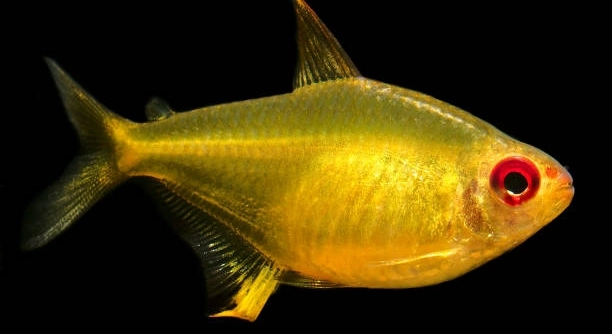
Do you enjoy keeping aquariums and find yourself observing the small, bright fish swimming gracefully through the tank? Lemon tetras are popular for their vivid yellow color and peaceful nature, making them a favorite for home aquariums.
Lemon tetras thrive best under subtle lighting rather than total darkness. Soft, diffused light supports their natural behaviors, reduces stress, and encourages healthy swimming patterns, while complete darkness can disrupt their circadian rhythm and lead to lethargy or hiding.
Understanding their lighting needs will help you create a calm, healthy environment for your fish to flourish and display their natural colors beautifully.
Why Lighting Matters for Lemon Tetras
Lemon tetras are sensitive to their environment, and lighting is a key factor in their comfort. Subtle lighting mimics the gentle sunlight they would encounter in shallow streams and calm rivers. Bright or harsh lighting can make them stressed and cause them to hide more often. Their colors may appear dull when they are uncomfortable, which can make them look less vibrant in your tank. It is important to think about the balance between natural and artificial light. Using adjustable LED lights or placing the aquarium near a window with indirect light can help maintain a gentle glow. Creating shaded areas with plants or decorations allows lemon tetras to find a safe spot if they feel exposed. Maintaining consistent light cycles each day helps regulate their internal rhythm, keeping them active and healthy while preventing erratic behavior or excessive hiding.
Proper lighting helps lemon tetras feel secure, showing off their colors and encouraging natural swimming patterns throughout the tank.
Adjusting the aquarium lighting to soft levels is easy with dimmers or partial shading. Observing how the tetras respond allows you to find the ideal brightness. Subtle lighting keeps their activity steady and colors vivid. Plants, decorations, and floating foliage can also help break up light and provide safe resting areas. Overly bright light can cause stress, leading to less swimming and more hiding. Gradually introducing new lighting conditions reduces shock. Maintaining a consistent day-night cycle is essential for their well-being. Soft lighting encourages social behavior, letting them interact naturally without feeling threatened. Small adjustments can significantly improve their comfort, making your tank a calm and visually pleasing environment.
Signs Your Lemon Tetras Prefer Subtle Lighting
Lemon tetras often hide under plants or decorations when the lighting is too intense. Observing their behavior can indicate how comfortable they are with the current light levels.
When lighting is too harsh, lemon tetras may stay near shaded areas or the tank bottom. They may also show reduced movement and avoid open swimming areas. Bright lights can make them more skittish, affecting feeding and social interactions. In contrast, soft, gentle lighting encourages them to explore the tank freely. They will swim in groups, displaying normal schooling behavior and vibrant colors. Adding floating plants or dimming certain sections can create a calm atmosphere that mimics their natural habitat. Monitoring their activity and reactions to light changes helps ensure they remain comfortable. Small adjustments to brightness and placement can make a significant difference in their behavior. Over time, they will settle into areas where the lighting feels safe, showing confidence in exploring open water. Understanding these patterns allows you to manage light levels effectively, keeping lemon tetras happy, active, and visually striking.
Ideal Light Intensity
Lemon tetras do best under moderate light that is neither too bright nor too dim. This helps them feel safe while showing their natural yellow color clearly and supporting normal activity.
Using moderate light allows lemon tetras to behave naturally in the tank. They swim openly, interact with each other, and explore their surroundings without hiding. Harsh light can cause stress, reduce swimming, and make them cling to shaded areas. Adjusting the light gradually after introducing new bulbs or changing tank positions helps them adapt. Floating plants and decorations can break up light, offering comfortable resting spots. The balance of light encourages healthy feeding habits, supports breeding behavior, and keeps their colors vivid. Soft, consistent light cycles prevent sudden changes that can unsettle them. Observing their response to lighting adjustments ensures the environment is optimal.
Lemon tetras also benefit from a clear distinction between day and night. Providing a regular day-night cycle reinforces their natural rhythm. Nighttime should be dark enough to allow resting but not completely black, as some ambient light helps maintain orientation. Artificial light timers can make this easier to manage. Gradual transitions in brightness reduce stress and prevent sudden changes that can trigger hiding. Maintaining subtle shading and consistent light levels contributes to overall tank harmony. Careful placement of plants and decorations provides both light and shelter, letting lemon tetras swim confidently while feeling secure.
Lighting Equipment and Placement
LED lights are ideal for controlling brightness and creating subtle illumination in the tank. Proper placement ensures even coverage without stressing the fish.
Positioning the light correctly allows lemon tetras to experience gentle, uniform lighting. Placing lights too close or directly overhead can create intense spots, causing them to avoid open areas. Adjustable LED systems help manage intensity, while floating plants diffuse direct light naturally. Experimenting with angles and distances helps identify the most comfortable setup. Light timers maintain consistent day-night cycles, reducing stress from sudden changes. Observing fish behavior after adjustments ensures they remain active and relaxed. Consistency in placement and intensity encourages natural schooling, feeding, and exploration.
Equipment selection also matters for color rendering and energy efficiency. LED lights with adjustable brightness and color temperature are effective for showing off the yellow hues of lemon tetras while avoiding harsh glare. Positioning lights above or slightly to the side allows light to spread evenly across the tank. Using reflectors or diffusers softens the light further, creating shaded zones without reducing overall brightness. Floating plants, taller decorations, or rocks can break light patterns naturally, giving fish choice and control over their exposure. Gradual changes prevent shock and stress, encouraging them to swim openly. Monitoring their reactions and adjusting placement ensures the lighting meets their needs while enhancing the tank’s visual appeal.
Adjusting Light Gradually
Sudden changes in lighting can stress lemon tetras. Gradually increasing or decreasing brightness allows them to adapt without hiding or showing signs of discomfort.
Using dimmers or timers helps manage light transitions smoothly. Even a small daily adjustment can prevent shock and maintain healthy swimming behavior.
Creating Shaded Areas
Providing plants, decorations, or floating foliage gives lemon tetras places to rest away from direct light. Shaded zones make them feel secure and reduce stress. They will choose areas that match their comfort level, encouraging natural movement and social interactions within the tank.
Observing Fish Behavior
Active swimming, bright coloration, and regular schooling are signs that the lighting is suitable. Hiding or sluggish behavior suggests the light may be too intense or poorly distributed.
Timing Light Cycles
Maintaining a consistent day-night cycle supports lemon tetras’ natural rhythm. Regular periods of light and darkness help them stay active, feed properly, and rest efficiently.
FAQ
Do lemon tetras need total darkness at night?
Lemon tetras do not require complete darkness, but they do need a period of dim or low light to rest. A subtle ambient glow is enough to maintain orientation and prevent stress. Artificial lights with timers can help simulate a natural day-night cycle.
Can too much light harm lemon tetras?
Yes, excessive light can make lemon tetras hide, swim less, and appear dull in color. Harsh lighting stresses them, affecting feeding and social behavior. Providing moderate light with shaded areas allows them to choose comfort zones while displaying natural colors.
Is natural sunlight better than artificial light?
Natural sunlight can be beneficial if indirect, but direct sunlight may overheat the tank and cause algae growth. Adjustable LED lights are safer, giving control over intensity, duration, and color to suit lemon tetras’ needs.
How long should lights be on each day?
A 10 to 12-hour light period is ideal. Consistent timing helps maintain their circadian rhythm, encouraging regular activity, feeding, and resting. Using a timer prevents sudden changes, which can stress the fish.
Do lemon tetras prefer light in certain areas of the tank?
Yes, they often stay near shaded areas or under floating plants if light is too intense. Providing a gradient of light, with both brighter and darker zones, allows them to move freely based on comfort.
Can I use floating plants to control light?
Floating plants are excellent for diffusing light naturally. They create shaded spots and reduce glare, giving lemon tetras more control over their exposure. Plants also enhance water quality and provide hiding spaces, supporting their well-being.
What signs indicate improper lighting?
Signs include hiding excessively, reduced swimming, faded coloration, and erratic movement. Observing these behaviors signals that light may be too strong or unevenly distributed, prompting adjustment for better tank conditions.
Does tank size affect lighting needs?
Yes, larger tanks may require multiple light sources to ensure even illumination, while small tanks need careful positioning to avoid hot spots. Properly balanced lighting supports healthy schooling and natural activity across the entire aquarium.
Can dimming lights help stressed fish?
Dimming gradually reduces stress, especially when introducing new tetras or changing tank decor. Slow adjustments let fish adapt to new brightness levels without sudden behavioral changes.
Are there specific light colors lemon tetras prefer?
Subtle white or soft yellow lights are ideal. Bright or colored lights can be overwhelming and stress the fish. Neutral tones enhance their yellow coloration while creating a calm atmosphere.
How do I maintain consistency in lighting?
Using a timer ensures lights turn on and off at the same times daily. Gradual changes in intensity during transitions between light and dark periods further support their natural behavior. Consistency prevents stress and promotes healthy activity levels.
Can improper lighting affect feeding habits?
Yes, if lighting is too bright or uneven, lemon tetras may hide and eat less. Soft, even lighting encourages them to swim openly and feed normally, supporting growth and overall health.
Do lemon tetras sleep in total darkness?
They do rest in low light, not necessarily complete darkness. Providing dimmed lighting helps them remain oriented and reduces sudden stress while sleeping.
How often should I monitor fish behavior related to lighting?
Regular observation is important. Check daily for swimming patterns, color vibrancy, and social behavior. Adjust lighting gradually if signs of stress or hiding appear.
Are LED lights better than fluorescent lights for lemon tetras?
LEDs are more efficient, provide adjustable brightness, and generate less heat. They are ideal for controlling light intensity and creating soft, comfortable conditions for lemon tetras.
Can changing light placement affect fish behavior?
Yes, moving lights can create brighter or darker zones. Sudden changes may stress tetras, so reposition gradually and observe their response to ensure they remain active and confident.
Do lemon tetras react to light at feeding times?
They are more active under moderate light when feeding. Bright or uneven lighting can make them hide, while soft light encourages them to swim openly and accept food regularly.
Is it okay to use colored aquarium lights?
Colored lights can be used sparingly, but subtle white or yellow tones are best for comfort and color display. Intense colored lighting may cause stress and alter behavior.
How can I test if lighting is suitable?
Observe fish behavior, color, and activity. Active swimming, normal schooling, and vibrant coloration indicate proper lighting. Excessive hiding, dull colors, or lethargy suggests adjustment is needed.
Does lighting affect breeding in lemon tetras?
Yes, consistent, gentle lighting encourages normal behavior and reduces stress, which can support breeding activity. Extreme brightness or constant changes can hinder reproductive behaviors and overall health.
Can timers prevent stress from inconsistent lighting?
Timers ensure a predictable light schedule, helping fish adjust naturally. Sudden on-off patterns can cause stress, so automated systems are effective in maintaining a stable environment.
Is indirect sunlight enough for their needs?
Indirect sunlight is safe if it does not overheat the tank. Direct sunlight may create hot spots or algae growth, while controlled artificial lighting provides better consistency.
How do I combine natural and artificial light?
Use indirect sunlight for a soft, natural glow and supplement with adjustable LED lights to maintain steady brightness. Floating plants or decorations can diffuse light evenly for comfort.
What role do shaded zones play in their daily routine?
Shaded areas let lemon tetras rest, reduce stress, and provide safe spaces to explore at their own pace. They use these areas throughout the day to regulate exposure.
Can improper light timing disrupt sleep patterns?
Yes, inconsistent or prolonged lighting can prevent proper rest. Establishing regular on-off cycles supports natural sleep, activity, and feeding patterns, maintaining overall health.
Does tank decor impact lighting effectiveness?
Decor helps diffuse light and create shaded zones. Proper placement ensures even distribution while allowing fish to find areas that match their comfort level.
Can too little light be harmful?
Insufficient light can reduce activity, dull coloration, and disrupt feeding. Soft, moderate light ensures lemon tetras remain active and healthy while supporting natural behaviors.
How long does it take for fish to adapt to new lighting?
Gradual changes over several days or a week allow adaptation. Observing their behavior ensures they are adjusting without stress or hiding excessively.
Is it necessary to dim lights during maintenance?
Yes, dimming lights reduces stress while cleaning or rearranging the tank. Sudden brightness or movement can startle lemon tetras, so a gentle approach is recommended.
Do lemon tetras prefer stationary or moving light sources?
Stationary light is ideal. Moving or flickering lights can stress them, causing hiding or erratic swimming. A stable setup provides consistency and comfort.
Can poor lighting lead to illness?
Indirectly, yes. Stress from bright or inconsistent lighting can weaken immune responses, making tetras more susceptible to disease. Proper light management supports overall health and longevity.
Are certain tank areas more important to light?
Even distribution matters, but open swimming zones benefit from moderate light while shaded areas allow rest. Balancing exposure throughout the tank supports natural behavior.
Do lemon tetras adjust to different light intensities naturally?
They can, but gradual changes work best. Sudden increases or decreases may trigger hiding or stress, so careful adjustments help them adapt comfortably.
How do I prevent algae growth while maintaining proper light?
Avoid prolonged direct sunlight and limit excessive brightness. Use timers and moderate light, combined with live plants, to control algae while keeping fish comfortable.
Is there a difference between morning and evening light?
Gradual light transitions in the morning and evening mimic natural conditions. Abrupt changes can stress fish, so slow adjustments support natural activity and rest cycles.
Can supplemental lighting enhance coloration?
Yes, moderate, soft lighting highlights their yellow color without causing stress. Overly bright or colored lights may have the opposite effect, reducing natural vibrancy.
How important is consistency over intensity?
Consistency matters more than brightness. Predictable light schedules reduce stress, maintain natural behaviors, and support feeding, swimming, and social interactions effectively.
What is the safest way to change lighting setups?
Introduce changes gradually, use dimmers or timers, and observe fish behavior. Provide shaded areas and monitor activity to ensure a smooth transition without stress.
Does lighting affect tank temperature?
Excessive lighting, especially from non-LED sources, can raise water temperature, stressing tetras. LEDs produce less heat and maintain a stable environment, keeping fish healthy.
Can lemon tetras adapt to new lighting within a week?
Yes, with gradual adjustment and observation, most lemon tetras adapt in about a week. Ensuring shaded areas and consistent timing supports this transition.
Do fish respond differently to light based on age?
Juveniles may be more sensitive to bright light and prefer shaded areas, while adults tolerate moderate lighting better. Observation helps adjust conditions for all ages.
Are timers better than manual control?
Timers provide reliable, consistent light schedules. Manual adjustments can lead to irregular patterns, stressing fish. Timers allow gradual transitions and prevent mistakes in timing.
Can lighting influence social behavior?
Yes, appropriate lighting encourages schooling, feeding together, and interaction. Harsh or uneven lighting can cause hiding, reduce interaction, and increase stress.
Is dimming lights at night necessary?
Dimming is not required but can ease the transition to rest, reduce stress, and maintain orientation. Sudden darkness is less ideal than gradual reduction.
How can I tell if my lighting setup is optimal?
Observe behavior, coloration, swimming patterns, and feeding. Active fish with bright colors and normal schooling indicate proper lighting. Adjust gradually if negative behaviors appear.
Can LED color temperature affect comfort?
Yes, neutral or soft yellow tones are best. Extreme cool or colored temperatures may stress lemon tetras, while gentle tones enhance visibility and color naturally.
Does water clarity affect lighting effectiveness?
Yes, clear water allows light to spread evenly. Murky water reduces brightness and may require adjustments to maintain proper exposure and comfort for the fish.
Should lighting be adjusted for breeding tanks?
Yes, gentle, consistent light supports breeding behavior. Excessive or uneven light can stress fish and hinder reproductive activity, so subtle lighting is recommended.
Can fish habituate to slightly brighter light?
They can, but gradual increases work best. Sudden intensity changes may trigger hiding or stress, so slow adjustments are safer.
Does lighting impact oxygen levels?
Indirectly. Bright lights can promote algae growth, affecting water quality. Balanced, moderate lighting combined with live plants maintains a healthy oxygen environment for tetras.
Are there signs that lighting is too dim?
Yes, dull coloration, lethargy, and reduced swimming indicate insufficient light. Moderate, consistent illumination helps maintain activity and visual vibrancy.
Can external room light affect aquarium lighting?
Yes, ambient room lighting can supplement or interfere with tank lighting. Consider room light when planning aquarium setup and transitions.
How often should lighting setups be checked?
Regularly, at least weekly, to ensure brightness, timers, and placement remain consistent. Small changes over time can affect fish behavior and comfort.
Can lighting adjustments improve tank aesthetics?
Yes, proper lighting enhances fish colors and highlights plants and decorations. Subtle illumination creates a visually appealing and comfortable environment.
Do lemon tetras prefer gradual changes in light intensity?
Absolutely. Sudden changes can cause stress. Gradual adjustments allow adaptation and support normal swimming, feeding, and social behaviors.
Is consistent lighting more important than peak brightness?
Yes, predictable lighting promotes comfort, reduces stress, and supports natural behaviors better than short bursts of intense light.
How does lighting affect stress levels?
Proper lighting reduces stress by creating a stable, predictable environment. Inconsistent or harsh lighting increases hiding, lethargy, and vulnerability to illness.
Can I use timers for gradual light transitions?
Yes, timers with dimming capabilities allow smooth transitions, reducing stress and mimicking natural sunrise and sunset conditions.
Should lighting be adjusted seasonally?
Minor seasonal adjustments can mimic natural conditions, but consistency matters more than seasonal changes. Sudden shifts may stress fish.
Do lemon tetras notice when lights are off during the day?
Yes, sudden darkness can startle them. Gradual dimming or shading creates a calmer environment without disrupting normal activity.
Is it safe to leave lights on longer occasionally?
Occasional extended light may be tolerated, but regularly exceeding recommended periods can stress fish and promote algae growth. Consistent schedules are preferable.
Can lighting influence tank temperature fluctuations?
Yes, intense non-LED lighting can increase temperature. LEDs reduce heat, helping maintain stable, safe conditions for lemon tetras.
Do fish require shaded spots during feeding?
Yes, shaded areas give confidence for feeding and reduce competition or stress from exposed bright zones. They can retreat if overwhelmed.
How important is observation for lighting adjustments?
Observation is essential. Behavioral changes, coloration, and activity indicate if lighting is suitable or needs adjustment. Gradual changes paired with observation ensure comfort and health.
Can lighting impact tank plants and indirectly affect fish?
Yes, proper light supports plant growth, providing natural shading, oxygen, and shelter. Healthy plants improve tank conditions, benefiting lemon tetras.
Do lemon tetras react to reflections or glare?
Yes, glare from glass or bright surfaces can cause hiding or erratic swimming. Diffusing light and adjusting placement reduces reflections and stress.
Are there safety concerns with aquarium lighting?
Ensure proper waterproofing, secure placement, and avoid overheating. Safe lighting prevents accidents and maintains a stable, comfortable environment.
How do I combine dim and bright areas effectively?
Position lights to create gradients, use floating plants, and place decorations strategically. This allows fish to choose preferred light levels naturally.
Can improper lighting affect growth?
Indirectly, yes. Stress from harsh or inconsistent lighting can reduce feeding and activity, affecting growth and overall health.
Is LED lighting energy-efficient for aquariums?
Yes, LEDs use less energy, produce less heat, and allow precise control, creating ideal conditions without excessive power consumption.
Do lemon tetras prefer light over hiding spots during the day?
They balance both. Subtle light encourages swimming, while shaded zones provide security. A mix of both supports natural behavior.
How does water clarity interact with light intensity?
Clear water spreads light evenly, while murky water may require adjustments to maintain proper exposure. Clean water ensures effective illumination.
Can lighting help prevent aggressive behavior?
Yes, moderate lighting reduces stress, supporting calm schooling and minimizing territorial disputes. Overly bright or uneven lighting can trigger hiding or skittish behavior.
Does lighting affect visibility of fish health issues?
Proper lighting makes it easier to spot color changes, fin damage, or unusual behavior. Poor lighting can hide these signs until problems worsen.
Is dimming lights during cleaning recommended?
Yes, it reduces stress from movement and sudden exposure, helping lemon tetras remain calm during maintenance.
Can excessive artificial light mimic daylight too strongly?
Yes, too much light can overwhelm fish and disrupt natural rest cycles. Moderate, balanced lighting is preferable.
Do lemon tetras adjust to new tanks more easily with soft light?
Soft, subtle lighting helps them explore gradually, reducing hiding and stress during acclimation to a new environment.
How often should lighting intensity be reevaluated?
Every few weeks, or when tank changes occur, including new plants, fish, or decor. Regular evaluation ensures comfort and proper exposure.
Can reflections from lights confuse lemon tetras?
Yes, glare can cause stress or erratic swimming. Diffusing light and avoiding direct angles improves comfort and behavior.
Does lighting affect water temperature stability?
Yes, especially with non-LED lights. Stable, moderate lighting prevents temperature spikes, keeping fish healthy and reducing stress.
Can consistent lighting reduce hiding behavior?
Yes, predictable, moderate light encourages open swimming and natural social behavior while maintaining confidence in the tank.
Is a timer essential for beginner aquarium keepers?
Timers help maintain consistency, reduce mistakes, and support natural rhythms, making tank management easier and fish more comfortable.
Do lemon tetras prefer constant or changing light patterns?
Constant, gentle light with gradual transitions is best. Sudden changes create stress and disrupt swimming, feeding, and resting behaviors.
Can lighting adjustments improve fish coloration over time?
Yes, subtle, consistent lighting enhances natural yellow hues while supporting health and reducing stress-related dulling of colors.
Are shaded zones necessary even with soft lighting?
Yes, they provide choice, comfort, and stress relief, allowing tetras to regulate exposure while exploring the tank.
How does lighting affect long-term health?
Proper lighting supports normal behavior, reduces stress, maintains coloration, and encourages regular feeding, contributing to overall longevity and well-being.
Is it possible to overcompensate with too many shaded areas?
Yes, excessive shading can limit swimming and activity. Balance bright and shaded zones to maintain natural movement and social interaction.
Do lemon tetras prefer slow light changes over abrupt ones?
Yes, gradual transitions prevent stress, encourage normal behavior, and support natural day-night cycles in the aquarium environment.
How important is observing fish daily for lighting needs?
Daily observation helps detect stress, hiding, or color changes. Timely adjustments ensure comfort, health, and proper behavior.
Can lighting affect social hierarchy in schools?
Indirectly. Proper lighting reduces stress and encourages even interaction, while harsh or uneven light can cause hiding or dominance disputes.
Does lighting impact stress-related diseases?
Yes, consistent moderate lighting lowers stress, supporting immune health and reducing susceptibility to common aquarium illnesses.
Is subtle lighting better for mixed-species tanks?
Yes, gentle illumination benefits all species by minimizing stress and providing balanced visibility without overwhelming sensitive fish.
How do I combine natural and artificial light safely?
Use indirect sunlight and controlled artificial lighting, with plants or decor to diffuse brightness. Gradual transitions maintain comfort and prevent stress.
Can lighting changes trigger aggression?
Sudden or uneven lighting can stress fish, leading to skittish or defensive behavior. Gradual, balanced lighting minimizes tension in the tank.
Do lemon tetras react to seasonal daylight changes?
They may notice differences, but consistency in light timing matters more than seasonal variations. Gradual adjustments prevent stress.
Can soft lighting improve tank aesthetics and fish comfort simultaneously?
Yes, gentle illumination highlights colors, enhances plants, and creates a calm environment, supporting both visual appeal and fish well-being.
How do I combine dim and bright zones effectively?
Use lighting gradients, floating plants, and decorations to provide options. This lets tetras choose comfort while maintaining open swimming areas.
Is lighting alone enough to ensure healthy fish?
No, proper water quality, temperature, feeding, and tank maintenance are also essential. Lighting supports behavior, comfort,
Lemon tetras are small, delicate fish that thrive in environments that carefully balance light and comfort. Subtle lighting is one of the most important factors in their well-being. Bright or harsh lights can cause stress, making them hide or swim less. When fish feel threatened by light, their colors appear dull, and normal behaviors, like schooling or feeding, may decrease. By providing gentle, consistent illumination, lemon tetras can feel secure in their tank. This allows them to move freely, interact with one another, and display their natural yellow color in a way that bright lights alone cannot achieve. Shaded areas created by floating plants or decorations further enhance this comfort, offering spots where fish can retreat if they feel exposed. A well-lit tank that also has shadows gives lemon tetras control over their environment, reducing stress and encouraging healthy behavior patterns.
Maintaining consistent light cycles is equally important. Lemon tetras rely on predictable day and night periods to regulate their activity and rest. Sudden changes in brightness can disrupt their circadian rhythm, leading to lethargy, hiding, or even feeding issues. Using timers or dimmers can make this process easier, providing a smooth transition between light and dark. Gradual adjustments in intensity, rather than sudden shifts, allow the fish to adapt without stress. Over time, they learn to associate certain levels of light with safe activity or resting periods. Even small adjustments can make a noticeable difference in how active and comfortable the tetras appear. Paying attention to their responses, including changes in swimming patterns, coloration, and interaction, gives insight into whether the lighting is suitable. This approach also supports long-term health, preventing stress-related illnesses and encouraging a natural, vibrant appearance.
Finally, lighting is only one part of creating a healthy aquarium, but it plays a central role in the overall well-being of lemon tetras. Combining moderate, consistent light with appropriate shading, careful observation, and proper tank care creates an environment that supports both physical and mental health. Healthy tetras display bright coloration, school confidently, and feed normally, showing that their habitat meets their needs. By focusing on subtle lighting and thoughtful placement of lights and decorations, aquarists can create a tank that is visually appealing while also comfortable for the fish. Consistency, observation, and gradual changes remain key principles for maintaining this balance. In the end, a tank with well-planned lighting helps lemon tetras thrive, making it easier to enjoy their natural beauty and lively behavior while ensuring they remain active and stress-free in a home aquarium setting.

Hello,
If you enjoy the content that we create, please consider saying a "Thank You!" by leaving a tip.
Every little bit helps us continue crafting quality advice that supports the health, happiness, and well-being of pets around the world, for pets of all shapes, sizes, and species.
We really appreciate the kindness and support that you show us!