
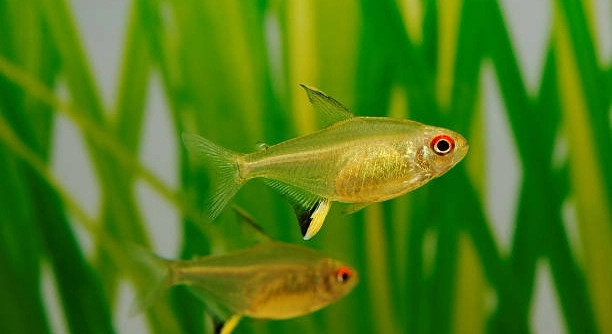
Are your lemon tetras swimming close together more than usual, showing increased activity near plants and corners of the tank? These subtle behaviors can indicate that your fish are preparing to spawn and setting up a suitable environment.
Lemon tetras exhibit specific pre-spawning behaviors, including color intensification, chasing, and positioning near fine-leaved plants. Observing these signs consistently over several days provides a reliable indicator that spawning is imminent in a controlled aquarium setting.
Recognizing these early signals can help you prepare the tank and provide the ideal conditions for successful breeding. Careful observation ensures healthier fry and a smoother spawning process.
Preparing the Tank for Spawning
Before lemon tetras begin to spawn, it is essential to create a safe and comfortable environment. I make sure the tank is clean, with soft, slightly acidic water and a temperature between 24-27°C. Fine-leaved plants or spawning mops are added to provide places for eggs to attach. Dim lighting encourages natural behavior and reduces stress, which is critical for successful spawning. I also check that the filter flow is gentle to prevent eggs from being disturbed. Removing aggressive tank mates ensures that the breeding pair can interact freely without interruption. Monitoring water quality closely and performing partial water changes helps maintain stable conditions, which is particularly important during the pre-spawning period. Small adjustments, such as adding a few drops of Indian almond leaf extract, can enhance water softness and promote natural behavior. Observing the fish daily lets me note changes in color, activity, and interactions, signaling readiness to spawn.
Maintaining stable water conditions and providing plenty of hiding spaces greatly improves the chances of eggs surviving and hatching successfully.
Providing optimal conditions also includes gradually increasing food variety with live or frozen options. Feeding high-quality protein supports energy for breeding, while careful observation ensures fish are healthy and active. Watching the pair interact can reveal subtle shifts in behavior, allowing for adjustments in environment before spawning. Adjustments may include adding more plant coverage, fine-tuning temperature, or adjusting the water flow. Consistency in tank conditions is key, as sudden changes can stress the fish and delay spawning. Patience and attentiveness are necessary; the fish’s behavior often provides the most reliable guidance. Observing daily for signs such as chasing, pairing, or changes in coloration ensures I can intervene if necessary, keeping the eggs safe and the breeding process smooth. This careful preparation increases the likelihood of successful spawning and healthy fry growth.
Recognizing Egg Laying Behavior
When lemon tetras are ready, they usually hover near plants or mops and engage in gentle chasing.
During spawning, males display intensified colors, and pairs often stay close together near selected plants. Eggs are usually laid in fine-leaved plants or spawning mops, where they remain protected from currents. Observing the fish closely during this period helps identify when eggs have been deposited. Once spawning is complete, removing adult fish from the area prevents them from eating the eggs. Maintaining stable temperature and water quality supports egg development. Over the next few days, fertilized eggs will become visible, and monitoring ensures that conditions remain favorable for hatching. Patience is important, as eggs may take one to three days to hatch depending on water temperature and quality. Watching for subtle behaviors like increased guarding of specific spots or continued male chasing helps track progress. Properly prepared tanks combined with careful observation maximize the chances of a healthy spawn.
Caring for Eggs and Fry
Fertilized eggs must be kept safe from adult fish, as they may eat them. Gentle water flow and clean conditions improve hatching success.
After spawning, I transfer eggs to a separate breeding tank or carefully remove adults to prevent predation. The water should remain soft and slightly acidic, with a temperature around 25°C to support development. Using a sponge filter ensures gentle circulation without disturbing the eggs. Observing eggs daily allows me to spot fungus early. If any appear fuzzy, I remove them carefully to prevent it from spreading. Maintaining stable conditions during this delicate stage is crucial for healthy fry.
Once hatched, fry are tiny and require infusoria or liquid fry food for the first few days. Gradually, I introduce newly hatched brine shrimp or micro worms as they grow. Feeding small amounts multiple times a day ensures fry develop steadily. Monitoring water quality is vital because fry are very sensitive to ammonia and nitrite spikes. I avoid sudden changes in temperature or water chemistry to prevent stress. Over time, the fry begin to swim freely and explore, making it easier to transition to regular feeding and normal tank conditions. Careful attention during these early stages directly affects survival rates and growth.
Monitoring Growth and Development
Fry growth depends on consistent feeding and clean water. I watch for size differences and activity levels.
As lemon tetra fry grow, they develop more distinct coloration and schooling behavior. I continue to feed small portions several times daily, ensuring every fry gets enough nutrition without fouling the water. Water changes are done carefully to avoid stress while keeping the tank free of waste. I separate weak or slower-growing fry only if necessary, providing them with adequate space and food. Over the first few weeks, fry gradually develop transparency to the familiar lemon hue. Observing swimming patterns and responsiveness gives insight into overall health.
By the fourth week, fry begin schooling more consistently and exploring the tank actively. I adjust feeding to include slightly larger live foods, helping them build strength and size. Monitoring interactions is important, as some fry may show mild aggression when competing for food, which I manage by spreading feed evenly across the tank. Maintaining stable water conditions and consistent feeding schedules ensures balanced growth. I keep a log of development milestones, tracking coloration, size, and activity. These records help me identify any potential problems early, ensuring a higher survival rate and healthy, thriving lemon tetra fry.
Adjusting Tank Conditions
Slightly raising the water temperature can encourage activity and feeding. I keep the tank stable and avoid sudden changes to prevent stress.
I monitor pH and hardness closely, as lemon tetra fry are sensitive to fluctuations. Gentle filtration and regular water changes help maintain ideal conditions without disturbing the young fish.
Identifying Healthy Fry
Healthy fry are active, responsive, and gradually develop coloration. I watch for steady growth and even swimming patterns to gauge wellbeing.
Feeding Schedule for Young Fry
Small, frequent feedings of infusoria or liquid fry food support early development. I make sure all fry have access to nutrition to prevent competition and uneven growth.
Observing Behavioral Changes
As fry grow, schooling begins and activity increases. I note interactions and responsiveness to ensure proper social development and overall health.
FAQ
How long does it take for lemon tetra eggs to hatch?
Lemon tetra eggs usually hatch within 24 to 36 hours if water conditions are optimal. I keep the temperature stable around 25°C and monitor for any fungus, removing affected eggs to ensure healthy hatching. Hatching can be slightly slower in cooler water.
Do I need to remove adult fish after spawning?
Yes, removing adults immediately after spawning is important. Even peaceful lemon tetras may eat their eggs or fry. I carefully transfer adults to another tank while maintaining stable water conditions for the eggs.
What is the best temperature for spawning?
The ideal water temperature for lemon tetra spawning is between 24°C and 27°C. Slightly warmer water encourages activity and breeding behavior. I avoid sudden changes to prevent stress or delaying spawning.
What type of plants are best for egg laying?
Fine-leaved plants like Java moss or spawning mops work best. Eggs attach easily to these surfaces, and the dense coverage provides protection. I make sure plants are clean and free of debris before spawning.
How often should I feed fry?
Fry need small, frequent feedings, usually four to five times daily during the first week. I start with infusoria or liquid fry food, gradually introducing baby brine shrimp as they grow. Consistent feeding supports steady growth.
Can I keep fry in the same tank as adults?
It is not recommended. Adult lemon tetras may eat the fry, so I move the fry to a separate breeding tank. I ensure water quality and gentle filtration to avoid stress.
How do I know if eggs are fertilized?
Fertilized eggs are clear with a slight golden tint and often have tiny dark spots forming. Unfertilized eggs appear cloudy or opaque. I remove any unfertilized or fungal eggs to protect healthy ones.
What should I do if eggs develop fungus?
If fungus appears, I remove affected eggs immediately. Adding a few drops of methylene blue or using gentle water changes can help prevent further fungal growth. Maintaining excellent water quality is the best prevention.
When should I start introducing larger food to fry?
After about one to two weeks, fry grow large enough for baby brine shrimp or finely crushed flake food. I monitor their size and feeding response to ensure they can handle the new food without overfeeding.
How quickly do fry develop their lemon coloration?
Coloration starts appearing around the third week. Initially, fry are mostly translucent. I watch for gradual yellow tones developing along the body, signaling healthy growth. Full coloration may take several weeks depending on diet and water conditions.
Is water hardness important for spawning?
Yes, soft, slightly acidic water supports spawning and fry development. I test pH and GH regularly, keeping levels stable to reduce stress and encourage natural behavior. Sudden changes can delay spawning or harm eggs.
How do I handle weak or slow-growing fry?
I isolate weaker fry only if necessary, providing extra feeding and space. Gentle care and stable conditions often allow them to catch up. Overcrowding can hinder growth, so monitoring density is important.
Can lemon tetras spawn more than once in a month?
Yes, under optimal conditions, lemon tetras can spawn multiple times. I maintain consistent temperature, water quality, and high-quality food to support repeated breeding. Regular observation helps track readiness for future spawns.
What signs indicate fry are healthy?
Healthy fry swim actively, respond to movement, and feed eagerly. I check for steady growth and even coloration. Fry that are lethargic or fail to feed may need closer attention or water adjustments.
Do I need to change water often during spawning?
Yes, small, frequent water changes maintain water quality without disturbing eggs or fry. I avoid large changes, which can stress young fish and disrupt the breeding environment. Gentle care ensures better survival rates.
How long before fry can join the main tank?
Once fry are large enough to swim confidently and eat regular foods, usually after four to six weeks, they can gradually be introduced to the main tank. I acclimate them carefully to prevent stress or sudden changes in conditions.
Are there any supplements to improve spawning success?
High-quality live or frozen foods improve conditioning and energy for spawning. I sometimes use Indian almond leaves to soften water, which can enhance natural spawning behavior and support fry health.
Can lemon tetras spawn in a community tank?
Spawning in a community tank is possible but risky. Eggs and fry may be eaten. I prefer using a separate breeding tank to maximize survival and maintain control over conditions.
What is the best way to monitor fry development?
Daily observation works best. I note size, coloration, swimming behavior, and feeding response. Keeping records helps track growth and quickly address any health or water quality issues.
How do I prevent cannibalism among fry?
Even among fry, competition can lead to mild aggression. I feed frequently, provide hiding spots, and avoid overcrowding. Monitoring behavior ensures all fry have access to food and space to grow safely.
Is lighting important during spawning and fry care?
Soft, dim lighting reduces stress and encourages natural behavior. I avoid harsh lights during spawning and early fry development, using gentle illumination to simulate natural conditions.
Can temperature fluctuations harm spawning?
Yes, sudden changes in temperature can delay spawning, harm eggs, or stress fry. I maintain consistent temperatures and adjust gradually if needed to support healthy development.
What is the survival rate for lemon tetra fry?
Survival depends on water quality, feeding, and protection from adults. With careful care, most fry survive to juvenile stage. Monitoring daily and maintaining stable conditions improves outcomes significantly.
Should I separate fry by size?
Only if there is significant size disparity. Smaller fry may struggle to compete for food. I provide extra feeding and consider temporary separation to ensure balanced growth.
Can I use tap water for fry tanks?
Yes, but it must be conditioned and free of chlorine or chloramine. I also check hardness and pH to match the soft, slightly acidic conditions that support healthy development.
How often should I check water parameters during breeding?
Daily checks for ammonia, nitrite, and pH are ideal. I perform small adjustments and partial water changes as needed to maintain stable, safe conditions for eggs and fry.
When do fry start schooling?
Fry begin to form small groups around the second or third week. I watch their interactions to ensure proper social behavior and even growth.
Are commercial fry foods sufficient?
Commercial foods can work if high-quality and finely ground. I often supplement with live foods like baby brine shrimp to improve growth and coloration. Variety supports overall development.
What precautions prevent disease in fry tanks?
Maintaining clean water, avoiding overcrowding, and feeding appropriate foods reduce the risk of disease. I also quarantine any new fish to prevent introducing pathogens.
Do lemon tetra fry need aeration?
Yes, gentle aeration supports oxygen levels without disturbing fry or eggs. I use sponge filters to provide circulation while minimizing stress.
How long until fry resemble adult tetras?
By six to eight weeks, fry develop recognizable features and more vivid coloration. I continue feeding high-quality foods to support healthy development into juveniles.
Can stress affect spawning success?
Yes, stress from poor water conditions, sudden changes, or aggressive tank mates can delay spawning or reduce egg viability. I ensure a calm, stable environment to maximize success.
Is it necessary to separate males and females before spawning?
No, adult lemon tetras do not require long separation. They are ready to spawn naturally if conditions are ideal, including temperature, water quality, and food availability.
How do I know when to remove eggs from the spawning site?
Only remove eggs if the adults remain in the main tank or if fungal infection is present. Otherwise, eggs can safely stay attached to plants or mops until hatching.
Are there any signs of poor egg fertilization?
Unfertilized eggs appear cloudy or opaque and may develop fungus quickly. I remove these promptly to prevent spreading and reduce stress on the remaining eggs.
Do lemon tetras require special care after the first month?
After one month, fry are more resilient but still need high-quality food, stable water conditions, and space to swim freely. Continued observation ensures balanced growth and overall health.
Can water changes harm eggs or fry?
Large or sudden changes can stress eggs and fry. I perform small, frequent water changes to maintain quality without causing disturbance.
What are early warning signs of illness in fry?
Lethargy, loss of appetite, abnormal swimming, or unusual spots are warning signs. I monitor daily and adjust water conditions or feeding to prevent disease spread.
How do I encourage multiple spawns in a short period?
Providing consistent conditions, high-quality food, and stress-free environments encourages repeat spawning. I monitor behavior and ensure the tank remains clean and optimal for breeding.
Is it necessary to label different clutches of eggs?
Labeling can help track age, development, and growth rates. I note spawning dates to plan feeding schedules and monitor progress effectively.
How long should fry stay in the breeding tank?
Fry usually remain in a separate tank until they are large enough to avoid predation, around four to six weeks. Gradual acclimation is key when returning them to the main tank.
Can I speed up fry growth?
Growth can be supported by high-quality live foods and consistent feeding. Avoid overfeeding, which can foul water and harm development. Patience and care yield healthier, stronger fry.
How do I reduce egg mortality?
Maintaining soft, slightly acidic water, gentle filtration, and clean plants is essential. Removing unfertilized or fungal eggs promptly reduces risks. Consistent monitoring supports higher survival rates.
What is the best way to introduce fry to a new tank?
Gradual acclimation, adjusting water temperature and chemistry, prevents stress. I use slow drip acclimation or floating the fry in a bag to match conditions before transfer.
Do fry need hiding spots?
Yes, small plants or moss provide shelter and reduce stress. I ensure fry have access to cover while still allowing easy observation and feeding.
Can I use artificial plants for spawning?
Artificial plants can work if fine-leaved and clean, but live plants often provide better attachment and water quality benefits. I prefer live plants whenever possible.
How do I know when fry are ready for normal flake food?
Once fry can eat baby brine shrimp or micro worms comfortably, usually around three to four weeks, I introduce finely crushed flake food gradually. I monitor consumption to prevent waste.
Do different water parameters affect spawning behavior?
Yes, soft, slightly acidic water encourages natural spawning behaviors. I avoid hard or alkaline water, which can reduce egg viability and delay breeding.
Is constant observation necessary during spawning?
Daily monitoring is sufficient. I note changes in activity, coloration, and egg development. Constant disturbance can stress fish, so careful observation balances vigilance and calm.
How do I handle sudden fry deaths?
Investigate water quality, feeding, and tank conditions immediately. Remove dead fry to prevent disease and adjust conditions as needed to protect remaining fry.
Are there any special considerations for community tanks after spawning?
After fry are large enough to avoid predation, they can be gradually introduced to a community tank. Monitoring for bullying or competition ensures safe integration.
What is the average growth rate of lemon tetra fry?
Fry grow quickly under optimal conditions, reaching juvenile size in about four to six weeks. Consistent feeding and water quality support steady, healthy development.
Can fry survive without live foods?
Yes, but live foods often improve survival and coloration. I supplement with infusoria or liquid fry food initially, gradually transitioning to high-quality commercial foods.
How long do lemon tetras take to reach full adult color?
Full coloration develops over several months. Fry gradually gain yellow tones, with mature coloration visible around three to four months depending on diet and tank conditions.
Is overcrowding a problem in fry tanks?
Yes, overcrowding leads to competition for food and slower growth. I monitor numbers carefully and provide additional tanks if needed. Proper spacing supports healthier, more active fry.
Do I need to change water immediately after spawning?
Not immediately. Small, gentle changes can maintain quality without disturbing eggs. I focus on stability while keeping water clean and oxygenated.
What should I avoid during the first week after hatching?
Avoid sudden temperature changes, aggressive tank mates, overfeeding, and strong currents. I focus on gentle care and stable conditions to support early fry development.
How important is observation during fry development?
Observation is crucial. Noting behavior, feeding, coloration, and growth allows me to address issues early and ensure a high survival rate. Regular attention makes a significant difference.
Can fry eat the same food as adult lemon tetras?
Not initially. Fry require smaller, softer foods like infusoria or liquid fry food. Gradual introduction of larger foods occurs as they grow and develop the ability to consume more substantial meals.
How do I maintain consistent water quality?
Frequent small water changes, gentle filtration, and monitoring parameters like pH, GH, ammonia, and nitrite keep water stable. I avoid sudden fluctuations to prevent stress or mortality.
Are lemon tetras sensitive to light changes during spawning?
Yes, bright light can stress adults and fry. I use dim lighting to simulate natural conditions, encouraging spawning and reducing disturbance to eggs.
Do I need special tools for handling eggs or fry?
A small net, pipette, or siphon helps move eggs or fry gently. I avoid direct contact, which can harm delicate eggs or fry. Gentle handling is key.
What are common mistakes during breeding?
Overcrowding, poor water quality, abrupt temperature changes, and leaving adults with eggs are common mistakes. I focus on careful observation, stable conditions, and proper separation to avoid these issues.
Can lemon tetras spawn year-round?
Yes, under optimal conditions with stable temperature, water quality, and nutrition, lemon tetras can reproduce multiple times throughout the year. Regular monitoring supports ongoing spawning.
How do I prevent ammonia spikes in fry tanks?
Frequent small water changes, careful feeding, and gentle filtration prevent ammonia buildup. I test water daily to catch any early spikes and protect delicate fry.
Do all pairs of lemon tetras spawn successfully?
Not always. Some pairs may require ideal conditions or additional time to trigger spawning behavior. I maintain optimal water, food, and tank conditions to encourage success.
How do I know when to stop using live food?
Once fry accept finely crushed flake food and larger live foods comfortably, usually around four to six weeks, I can reduce reliance on live options. Observation ensures all fry are feeding adequately.
Is tank size important for successful spawning?
Yes, a small, controlled breeding tank works best for monitoring and protecting eggs. I provide adequate space while keeping water parameters stable and avoiding overcrowding.
Can fry survive temperature below 24°C?
Growth slows at lower temperatures, and eggs may take longer to hatch. I aim to maintain 24-27°C for optimal development and activity.
What should I do if fry stop eating?
Check water quality, feeding type, and tank conditions immediately. I adjust food size, offer live options, and ensure the environment remains calm and stable.
Are there signs that spawning is about to occur?
Males intensify coloration, chase females gently, and hover near plants or mops. Observing these behaviors lets me prepare the tank for eggs.
Can lemon tetras spawn without plants?
Spawning is possible with spawning mops or artificial surfaces, but fine-leaved plants improve egg attachment and protection. I prefer live plants for better results.
How do I prevent fungal growth on eggs?
Maintain clean, soft water, remove unfertilized eggs, and provide gentle circulation. Adding methylene blue sparingly can help control fungus without harming healthy eggs.
Do I need a special diet for spawning adults?
High-quality live or frozen foods improve conditioning and increase likelihood of successful spawning. I feed daily for several weeks before breeding to ensure energy and readiness.
What is the average number of eggs per spawn?
Lemon tetras lay between 20 and 60 eggs per spawning event. Survival depends on water quality, protection from adults, and proper care during the early stages.
How long should I monitor eggs daily?
Daily checks are sufficient. I observe color, clarity, and placement without disturbing eggs. Careful monitoring helps detect problems early and improves survival chances.
Can fry survive in community tanks from hatching?
No, they are too small and vulnerable. I keep them separate until they grow large enough to avoid predation and compete safely for food.
Is water movement important for eggs and fry?
Yes, gentle flow prevents stagnation and supplies oxygen. Strong currents can dislodge eggs or stress fry, so I use sponge filters for a controlled environment.
Do fry need light during early days?
Low, soft lighting is sufficient. I avoid strong illumination, which can stress fry and adults, while still allowing observation and normal behavior.
Can spawning be triggered artificially?
Slight temperature changes, high-quality live food, and soft water can encourage spawning. I use these methods carefully to avoid stress.
What is the role of males during spawning?
Males chase and display to females, helping stimulate egg release. I observe these interactions closely to ensure eggs are fertilized properly.
How often do I need to clean the breeding tank?
Light cleaning with careful siphoning of debris is enough. I avoid disturbing eggs or fry, focusing on maintaining water quality without causing stress.
Can stress prevent lemon tetras from spawning?
Yes, environmental stress, aggressive tank mates, or poor water conditions can delay or prevent spawning. I ensure a calm, stable environment to encourage natural behavior.
Do I need to quarantine fry?
Quarantine is not necessary if the breeding tank is clean, but new additions to the main tank should be quarantined to prevent disease spread.
How do I know when fry are ready to eat solid food?
Once they swim actively and appear strong, usually after one to two weeks, I introduce baby brine shrimp or finely crushed flake food gradually.
Are lemon tetras aggressive during spawning?
Males may show mild chasing behavior, but it is normal. I monitor to ensure no harm occurs and the female is not overly stressed.
Can fry survive in hard water?
Soft, slightly acidic water is preferred. Hard or alkaline water can reduce survival and affect growth, so I adjust parameters before and during spawning.
How important is tank size for fry development?
Adequate space prevents overcrowding and ensures even access to food. I provide enough room to allow swimming and growth while maintaining stable water quality.
Do fry require constant feeding at first?
Frequent small feedings
Successfully breeding lemon tetras requires patience, careful observation, and consistent care. Preparing the tank before spawning is essential, as stable water conditions, gentle filtration, and appropriate temperature encourage natural behavior and increase the likelihood of eggs being fertilized. I make sure to include fine-leaved plants or spawning mops for egg attachment, as these provide safety and reduce stress for the pair. Feeding high-quality live or frozen foods in the weeks leading up to spawning improves conditioning, giving the adults energy and stamina for the process. Observing the fish for subtle changes in color, activity, and interaction helps me anticipate when spawning is imminent and ensures the tank environment is ready. Small adjustments, such as adding a few drops of Indian almond leaf extract or slightly increasing water temperature, can support natural behavior and create optimal conditions for the eggs. Maintaining a calm and stable environment minimizes stress, which is particularly important during breeding, as even minor disturbances can impact success.
After spawning, separating eggs or fry from adults is critical to prevent predation and improve survival rates. Fertilized eggs are delicate and require soft, slightly acidic water and gentle circulation to develop successfully. Daily observation of eggs allows me to identify and remove any unfertilized or fungal eggs before they affect healthy ones. Once the fry hatch, feeding small, frequent meals of infusoria or liquid fry food supports early growth. Gradually introducing baby brine shrimp or finely crushed flake food ensures that fry receive proper nutrition while maintaining water quality. Regular monitoring of water parameters such as pH, hardness, ammonia, and nitrites helps prevent harmful fluctuations that can stress fry or slow development. Providing hiding spaces with plants or moss gives fry shelter and reduces competition, ensuring more consistent growth among the group. Overcrowding is avoided to prevent slow growth and aggression, which can lead to loss of fry.
Watching fry grow and develop their coloration and schooling behavior is one of the most rewarding parts of breeding lemon tetras. Consistent feeding, stable water conditions, and careful attention allow fry to thrive and eventually be ready for introduction to a larger tank. I track growth, color changes, and activity levels to ensure all fry develop evenly. Patience is essential, as fry take several weeks to reach juvenile size and several months to show full adult coloration. Even small adjustments in feeding, water quality, or tank setup can make a noticeable difference in survival rates and health. Breeding lemon tetras is a process that combines observation, preparation, and care, resulting in healthy, active fish and the satisfaction of watching them grow from tiny fry into vibrant adults. Maintaining this level of attentiveness and care ensures a stable, thriving aquarium with a successful breeding experience.

Hello,
If you enjoy the content that we create, please consider saying a "Thank You!" by leaving a tip.
Every little bit helps us continue crafting quality advice that supports the health, happiness, and well-being of pets around the world, for pets of all shapes, sizes, and species.
We really appreciate the kindness and support that you show us!