
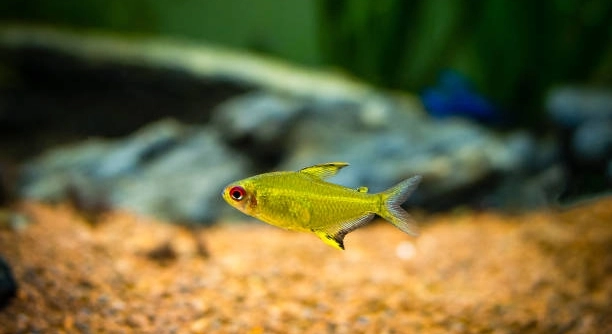
Have you ever watched your lemon tetras swim gracefully and wondered if you could get a little closer to them? These small, vibrant fish are popular in home aquariums for their bright colors and active behavior.
Lemon tetras can be hand-fed, but it requires patience and consistent training. Slowly introducing food from your hand allows them to associate your presence with feeding, encouraging them to eat directly without stress or fear.
Building a gentle feeding routine can strengthen the bond between you and your fish, making your aquarium experience more rewarding and enjoyable for both.
Preparing Your Lemon Tetras for Hand-Feeding
Before you try hand-feeding lemon tetras, it is important to create a calm and predictable environment. Make sure the tank is clean, well-maintained, and free from sudden movements or loud noises. Introduce your presence slowly, spending a few minutes each day sitting near the aquarium to allow the fish to get used to you. Start by offering food in a small dish or on a feeding ring close to the tank glass. Observe their reactions carefully. If they seem hesitant, reduce the amount of food or try offering smaller pieces. Consistency is key. Feeding at the same time each day helps them recognize your presence and associate it with mealtime. Over time, their natural curiosity will encourage them to approach your hand. Patience and observation will make the process smoother, reducing stress for both you and your fish while increasing the chances of successful hand-feeding.
Hand-feeding requires patience, as lemon tetras may take several sessions before accepting food directly from your hand.
Slowly place food on your palm and hold it steady in the water. The tetras will begin to nibble once they feel safe. Repeating this process regularly helps build their trust, turning feeding into a calm and interactive experience.
Tips for Successful Hand-Feeding
Start with small, manageable pieces of food that are easy for lemon tetras to eat.
It is important to avoid overfeeding, as this can quickly pollute the tank and harm your fish. Begin with tiny amounts, offering only what they can consume in a few minutes. Use high-quality flakes, micro-pellets, or finely chopped live foods to attract them. Observe how each fish reacts, adjusting the feeding technique to their comfort level. Position your hand slowly and keep it steady in the water. Sudden movements can startle them and make them retreat. Patience is essential; some tetras may take longer to adapt than others. Creating a consistent feeding routine at the same time each day reinforces positive behavior and reduces stress. Over time, your fish will associate your hand with food, making the experience smoother and more enjoyable. Hand-feeding can also provide an opportunity to monitor their health, ensuring they are active and eating properly.
Maintaining calm and gentle movements encourages the tetras to feed confidently from your hand, fostering a trusting environment.
Common Challenges with Hand-Feeding
Some lemon tetras may hesitate to eat from your hand at first. They are naturally cautious, especially in a new environment or with sudden movements. Small, frequent sessions usually work better than long attempts, reducing stress and encouraging them to come closer gradually.
If your tetras seem scared, try lowering your hand slowly into the tank and keeping it still. Avoid tapping the glass or moving quickly, as this can frighten them. Start with tiny pieces of food and repeat the process daily. Over time, they will learn that your hand is safe and associated with feeding. Patience and consistency are the most important factors.
Occasionally, some fish may never fully accept hand-feeding. Genetics, past experiences, and tank dynamics can influence their behavior. Even with careful training, a few may prefer traditional feeding methods. Recognizing their limits and adjusting your approach ensures their safety and comfort while still allowing you to enjoy interactive feeding sessions.
Ideal Foods for Hand-Feeding
Soft, small foods are easiest for lemon tetras to nibble directly from your hand. Flakes, micro-pellets, and finely chopped live foods work best.
Start with high-quality flakes or pellets that float near the surface. Small portions prevent overcrowding and allow each tetra to feed comfortably. Live or frozen foods like brine shrimp or daphnia can increase interest, encouraging hesitant fish to approach. Avoid hard or large pieces that could be difficult to eat. Monitor their reactions and adjust size or type as needed. Consistency and gradual introduction of food types help them adapt to hand-feeding without stress.
Maintaining a balanced diet is key. Rotating between flakes, pellets, and live foods provides essential nutrients while keeping feeding sessions engaging. Overfeeding can harm water quality, so always measure portions carefully. Observing their behavior during feeding also allows you to check for health issues, as active and willing tetras are usually healthy. By choosing the right foods and feeding approach, hand-feeding can become a safe and enjoyable routine.
Creating a Calm Feeding Environment
A calm environment makes hand-feeding easier. Keep lights soft and minimize sudden movements around the tank. Avoid tapping the glass or making loud noises, as lemon tetras are sensitive and can quickly become stressed.
Consistent routines help fish feel secure. Feeding at the same time each day and using the same spot encourages them to approach your hand naturally. Patience is key.
Using Your Hand Correctly
Keep your hand steady and submerged slowly. Avoid fast motions that can startle the fish. Use small amounts of food and place it gently on your palm. Over time, tetras will recognize your hand as a source of food and feed confidently without hesitation.
Timing and Patience
Feed your lemon tetras when they are most active, usually in the morning or early evening. Short, regular sessions work better than long, infrequent ones.
Monitoring Progress
Observe how your tetras respond during each session. Note which foods they prefer and how quickly they approach your hand. Adjust your technique based on their reactions to ensure continued comfort and success.
FAQ
Can all lemon tetras be hand-fed?
Not all lemon tetras will accept food from your hand. Some are naturally shy or cautious, while others may need longer periods to feel safe. Consistent and gentle interaction increases the chances, but a few fish may never fully accept hand-feeding, and that is normal.
How long does it take for lemon tetras to get used to hand-feeding?
The time varies depending on the individual fish and the environment. Some may start nibbling after a few days of calm, regular sessions, while others may take several weeks. Patience and short, consistent attempts usually yield the best results. Avoid forcing them, as stress can make the process slower.
What foods work best for hand-feeding?
Soft, small foods are easiest for lemon tetras. Flakes, micro-pellets, and finely chopped live or frozen foods like brine shrimp and daphnia work well. Avoid large or hard pieces that are difficult to eat, as this can discourage the fish. Rotating foods helps provide balanced nutrition.
Is it safe to hand-feed every day?
Yes, as long as you feed small portions that the tetras can finish in a few minutes. Overfeeding can cause water quality issues and health problems. Daily hand-feeding sessions are beneficial for building trust and monitoring the fish’s health, but always combine with regular tank maintenance.
What if some fish avoid my hand?
It’s normal for a few tetras to be hesitant. Avoid forcing them to eat from your hand. Continue feeding others, and gradually the shy ones may join. Respecting their comfort prevents stress, which can affect their health and appetite.
Can hand-feeding help monitor fish health?
Yes, observing feeding behavior is a good way to notice health issues. Healthy tetras are active and eager to eat. Changes in appetite, unusual swimming patterns, or reluctance to approach your hand may signal illness, allowing you to act quickly.
Do I need to wear gloves while hand-feeding?
Wearing gloves is optional. Many people feed directly with bare hands, but if you have sensitive skin or want to avoid transferring oils or contaminants, thin, clean gloves can be used. Make sure any gloves are safe for aquarium use and rinsed thoroughly before contact.
How do I encourage timid fish to approach?
Start by placing food near the tank glass and gradually closer to your hand over several sessions. Stay still and avoid sudden movements. Using small, appealing food and being patient helps timid tetras associate your hand with safety and feeding.
Will hand-feeding stress my fish?
If done gently and consistently, hand-feeding should not stress lemon tetras. Avoid fast movements or overfeeding. Short, calm sessions allow them to feed at their own pace, making it a positive experience for both you and your fish.
Can hand-feeding replace normal feeding routines?
Hand-feeding is a supplement, not a replacement. It strengthens trust and allows interaction, but you should continue regular feeding routines with appropriate food quantities to ensure balanced nutrition and proper tank maintenance.
How can I tell if my fish enjoy hand-feeding?
Signs include swimming confidently toward your hand, nibbling without hesitation, and active, lively behavior afterward. Fish that consistently approach your hand and feed comfortably are showing trust and comfort with the process.
Is hand-feeding suitable for beginners?
Yes, with patience. Beginners can hand-feed lemon tetras if they maintain calm movements, start with small portions, and gradually build trust. Observing behavior and adjusting techniques ensures a safe and enjoyable experience.
What if my fish only eat from my hand sometimes?
This is normal. Some tetras prefer regular feeding or alternate between hand-feeding and traditional methods. Keep sessions consistent and stress-free, and they may gradually become more comfortable over time.
Can I hand-feed multiple tetras at once?
Yes, but make sure portions are small and spread out to reduce competition. Observe the behavior to ensure all fish get food and no one is overly aggressive. Gradually, most tetras will learn to feed calmly from your hand.
Does water temperature affect hand-feeding behavior?
Yes, lemon tetras are more active in optimal water conditions, typically around 72-78°F (22-26°C). Cold or unstable water can make them sluggish or reluctant to feed. Maintaining consistent water quality encourages confident hand-feeding.
How can I make hand-feeding a routine?
Pick a consistent time each day, keep sessions short, and always use gentle movements. Over time, the tetras will anticipate your presence and approach your hand reliably. This builds trust and makes feeding more predictable and enjoyable.
This FAQ covers most concerns about hand-feeding lemon tetras, offering practical tips and reassurance to help both cautious and confident fish interact safely.
Hand-feeding lemon tetras can be a rewarding part of caring for your aquarium, but it takes patience and consistency. Not all fish will accept food from your hand immediately, and some may never fully adapt. This is normal and should not discourage you. Each fish has its own personality, and their comfort level is the most important factor to consider. By creating a calm, quiet environment and approaching them slowly, you give your fish the chance to feel safe. Over time, they can learn to associate your presence with food, which helps reduce stress and allows you to interact with them more directly. Maintaining a steady routine is key, and even short daily sessions can have a big impact on how comfortable your tetras feel with hand-feeding.
Choosing the right type of food also makes a significant difference. Soft, small foods like flakes, micro-pellets, or finely chopped live and frozen foods are easiest for lemon tetras to eat directly from your hand. Avoid large or hard pieces, which can be intimidating or difficult to manage. Rotating different types of food helps provide balanced nutrition while keeping the feeding sessions interesting. Observing your fish as they feed allows you to monitor their health and activity levels. Fish that eagerly approach your hand and eat confidently are usually healthy and thriving, while hesitation or refusal can sometimes signal stress or illness. Paying attention to these cues ensures that you can provide the best care possible while still building trust through hand-feeding.
Patience is the most important part of the process. Hand-feeding is not a quick skill to teach your fish, and progress may vary between individuals. Some lemon tetras may start feeding from your hand within a few days, while others may take weeks or months. Respecting their limits and letting them set the pace reduces stress and makes the experience enjoyable for both you and your fish. Keeping the water clean and maintaining proper tank conditions are also crucial, as healthy fish are more likely to be willing to feed from your hand. By taking the time to understand your tetras’ behavior and preferences, you can create a safe, interactive feeding routine that strengthens the connection between you and your aquarium while ensuring their long-term health. Hand-feeding is a simple yet meaningful way to make your aquarium more engaging, and with consistent care, it can become a positive and rewarding practice.

Hello,
If you enjoy the content that we create, please consider saying a "Thank You!" by leaving a tip.
Every little bit helps us continue crafting quality advice that supports the health, happiness, and well-being of pets around the world, for pets of all shapes, sizes, and species.
We really appreciate the kindness and support that you show us!