
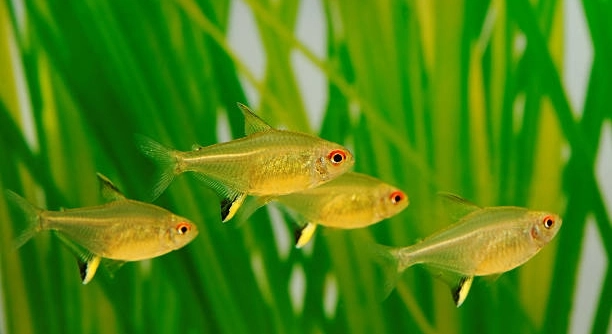
Do your lemon tetras sometimes scatter suddenly across the tank, leaving you feeling a little unsettled? Watching them dart and disperse without warning can be surprising, even for experienced aquarium enthusiasts who know their fish well.
Lemon tetras typically scatter due to sudden environmental changes, perceived threats, or stress. Factors such as loud noises, abrupt movements, poor water conditions, or aggressive tank mates can trigger this instinctive schooling behavior in a short period.
Understanding why your tetras react this way will help you create a calmer, more stable environment for them to thrive in.
Sudden Movements and Tank Disturbances
Lemon tetras are sensitive to sudden movements in or around their tank. Even small vibrations from tapping on the glass or quick hand movements near the aquarium can startle them. Changes in lighting, such as switching a lamp on or off abruptly, can also trigger their scattering behavior. These reactions are instinctive and meant to protect them from perceived danger. In shared tanks, other fish darting suddenly may influence them as well. Over time, frequent disturbances can increase their stress levels, leading to more erratic swimming patterns. It is important to keep the environment calm and stable to reduce unnecessary scattering. Regular maintenance routines, like water changes or rearranging decorations, should be done slowly and carefully. Observing your tetras during these moments helps you understand their triggers and adjust your approach. Minimizing sudden stimuli can make a noticeable difference in their comfort and schooling behavior.
Scattered movements often result from environmental changes, not illness. Maintaining a calm tank helps tetras feel secure.
Stress from disturbances can affect feeding habits and growth. Providing a consistent routine and stable conditions ensures healthier, more predictable behavior in lemon tetras.
Water Quality and Temperature Fluctuations
Poor water quality can cause lemon tetras to scatter. They are highly sensitive to changes in temperature, pH, and ammonia levels, which can make them feel unsafe and trigger sudden movements.
Maintaining proper water conditions is crucial for keeping tetras calm and active. Frequent testing ensures stability.
Water parameters directly influence their overall health. Lemon tetras thrive in water with stable temperatures between 72°F and 78°F, a pH around 6.5 to 7.0, and low ammonia and nitrite levels. Sudden fluctuations in temperature from heater malfunctions or cold drafts can stress them out instantly. Even small shifts in pH caused by new decorations or untreated tap water can provoke scattering. Consistent filtration, regular water changes, and careful monitoring are essential to prevent these issues. Overcrowding or inadequate oxygenation can worsen stress, making them more reactive to minor disturbances. A well-maintained tank creates a secure environment that encourages natural schooling, feeding, and resting behaviors. Paying attention to water quality ensures that your lemon tetras remain healthy, calm, and visually vibrant, avoiding frequent panic responses that may seem sudden but are rooted in their need for stable conditions.
Tank Mates and Social Behavior
Lemon tetras are schooling fish and feel safest in groups of six or more. Aggressive or overly active tank mates can make them scatter frequently, as they try to avoid confrontation or stress.
The dynamics of a community tank significantly affect lemon tetra behavior. Peaceful species that swim calmly help maintain a relaxed environment, whereas fin-nippers or larger predatory fish can trigger sudden darting. Even compatible fish can create stress if the tank is too small, leaving little room for everyone to establish their own space. Observing interactions over time allows you to notice subtle signs of tension, such as hiding behind plants or erratic swimming. Providing plenty of plants and decorations creates natural barriers, helping tetras feel secure. A balanced group size and suitable companions make their schooling pattern more predictable, reducing the frequency of sudden scattering episodes. Proper planning of tank mates and layout ensures your tetras can swim confidently and comfortably.
Overcrowding worsens stress, causing scattering and fatigue. Spacing fish appropriately helps them feel secure and maintain natural swimming behavior.
Adding hiding spots and visual barriers reduces tension. Lemon tetras respond well to a well-structured environment that allows retreat and exploration without fear.
Feeding Time and Anticipation
Tetras often scatter when food is added suddenly. They react to quick movements or falling flakes, which startles them.
Consistent feeding routines can calm lemon tetras. Dropping food slowly and in predictable locations helps them focus and reduces panic. Overfeeding can lead to fights and stress, while irregular schedules confuse their instincts. Using a feeding ring or distributing food in different areas keeps everyone engaged. Observing how they approach food lets you gauge comfort levels and adjust amounts accordingly. Avoid tapping the tank or shaking flakes directly over the water, as sudden disturbances trigger scattering. A calm approach to feeding supports their natural schooling and allows them to enjoy meals without stress, creating a more relaxed tank atmosphere over time.
Lighting and Reflections
Bright or sudden changes in lighting can startle lemon tetras, causing them to scatter. Overhead lights, sunlight, or reflections on the glass often trigger quick, erratic swimming.
Shadows from objects outside the tank may also be misinterpreted as threats. Adjusting light gradually and avoiding direct sunlight reduces stress and helps maintain calmer behavior.
Seasonal Changes
Temperature shifts with seasonal changes can make lemon tetras uneasy. Even small drops or rises in water temperature can trigger sudden scattering, as they are sensitive to environmental changes. Consistent heating and monitoring help maintain stability, preventing abrupt movements caused by discomfort or stress.
Tank Setup
A crowded or bare tank can make lemon tetras feel exposed. Plants, rocks, and hiding spots provide security and reduce panicked scattering. Proper spacing and decorations allow natural schooling patterns, helping tetras feel safe and more relaxed.
Noise Levels
Loud or continuous noises near the tank often scare lemon tetras. Household appliances, footsteps, or music vibrations can cause sudden darting. Keeping the aquarium in a quieter area helps them stay calm.
FAQ
Why do my lemon tetras scatter when I approach the tank?
Lemon tetras are naturally skittish and react to movement near their environment. Approaching quickly or tapping on the glass can startle them. Moving slowly and calmly around the tank helps them feel more secure. Over time, they may become familiar with your presence and scatter less frequently.
Can water quality affect their sudden movements?
Yes, poor water quality can make tetras highly sensitive. Ammonia spikes, high nitrites, or sudden pH changes stress them and trigger erratic swimming. Regular water testing, partial water changes, and proper filtration keep the environment stable, reducing stress-related scattering.
Do tank mates influence lemon tetra behavior?
Absolutely. Aggressive or fast-moving fish can make tetras scatter to avoid confrontation. Even overly active species may create stress if the tank is too small. Keeping peaceful, compatible tank mates and maintaining adequate space ensures calmer interactions and more predictable schooling.
How does feeding affect their scattering?
Lemon tetras can dart suddenly when food is added if flakes or pellets hit the water too quickly. Dropping food gently and in a consistent location allows them to feed calmly. Overfeeding or irregular schedules can lead to competition and stress, which also triggers scattering.
Do lighting and reflections play a role?
Yes, sudden bright lights, overhead lighting changes, or reflections on the tank walls often startle lemon tetras. Shadows or movements outside the aquarium can also be misinterpreted as threats. Gradual lighting adjustments and avoiding strong reflections create a more secure environment.
Can overcrowding cause scattering?
Overcrowding increases stress and makes fish feel unsafe, leading to more frequent darting. Each tetra needs space to swim and establish its position in the school. Adequate tank size, along with plants and hiding spots, reduces tension and encourages natural movement patterns.
How does temperature affect their behavior?
Lemon tetras are sensitive to even small temperature fluctuations. Rapid drops or increases in water temperature can make them anxious and scatter. Maintaining a stable range between 72°F and 78°F with a reliable heater ensures comfort and calmer schooling behavior.
Do they scatter due to illness?
Illness can sometimes cause unusual behavior, but scattering is more often a reaction to stress rather than sickness. If you notice other signs like faded color, clamped fins, or lack of appetite, it may indicate health issues that need attention.
Will they calm down over time?
Yes, lemon tetras tend to adjust to a stable environment. Consistency in water conditions, feeding routines, lighting, and tank mates reduces stress. With patience and a well-maintained tank, their scattering behavior usually decreases as they feel safer.
Are there ways to prevent sudden scattering?
Creating a calm environment with stable water parameters, peaceful companions, gentle lighting, and predictable feeding routines is key. Adding plants and hiding spots provides security. Observing their behavior regularly helps identify stress triggers and minimize sudden movements effectively.
How many tetras should be kept together?
Keeping lemon tetras in groups of six or more allows them to feel safe and maintain natural schooling. Small groups may become stressed easily and scatter more frequently. Proper group size helps them display calmer, coordinated movements, reducing sudden panic.
Can external noise cause scattering?
Yes, vibrations or loud sounds near the tank, like music, appliances, or footsteps, can startle tetras. Placing the aquarium in a quieter area and avoiding sudden noises helps maintain a peaceful environment and minimizes erratic swimming.
Do decorations influence their behavior?
Decorations, plants, and rocks provide hiding spaces that reduce fear and give tetras confidence to swim. A bare tank leaves them exposed, increasing stress and sudden darting. A well-structured tank encourages natural behavior, helping them feel safe and relaxed.
Is it normal for tetras to scatter together?
Yes, schooling fish like lemon tetras often move in unison when startled. This instinct protects them from threats in nature. While it may seem sudden, it is a natural response and usually decreases as the tank environment becomes more stable and secure.
How can I tell if scattering is serious?
Occasional scattering is normal, but constant panic may indicate stress from poor water quality, incompatible tank mates, overcrowding, or illness. Monitoring their health, water conditions, and behavior patterns helps determine if intervention is needed. Addressing environmental factors usually restores calm and natural swimming.
Lemon tetras are lively, delicate fish that respond quickly to changes in their environment. Their sudden scattering can seem alarming at first, but it is usually a natural reaction to stress or perceived threats. Factors like water quality, tank mates, lighting, and feeding routines all influence their behavior. Understanding these elements and observing how your tetras react to them helps you provide a calmer, more stable environment. Watching a school of lemon tetras move together is rewarding, and making small adjustments can improve their comfort, making their movements more predictable and less frantic over time.
Creating a safe environment for lemon tetras starts with the basics. Maintaining stable water parameters is crucial, including proper temperature, pH, and low ammonia levels. A reliable filtration system, regular water changes, and careful monitoring prevent sudden fluctuations that may scare them. Tank layout also plays a role in their comfort. Adding plants, decorations, and hiding spots helps them feel secure and reduces stress. Proper spacing between fish is important, as overcrowding increases tension and leads to more frequent scattering. Even the choice of tank mates affects their schooling behavior, with peaceful species helping to maintain calm conditions.
Feeding routines and noise levels can further influence how lemon tetras behave. Dropping food gently and consistently keeps them focused and reduces erratic darting during meals. Loud noises, vibrations, or sudden movements near the tank can startle them, so keeping the aquarium in a quieter area is beneficial. Over time, these small but consistent measures help tetras adjust and feel safer in their environment. With patience and careful attention to their needs, sudden scattering becomes less frequent. Lemon tetras thrive best when their surroundings are predictable, secure, and stress-free, allowing their natural schooling behavior to shine.

Hello,
If you enjoy the content that we create, please consider saying a "Thank You!" by leaving a tip.
Every little bit helps us continue crafting quality advice that supports the health, happiness, and well-being of pets around the world, for pets of all shapes, sizes, and species.
We really appreciate the kindness and support that you show us!