
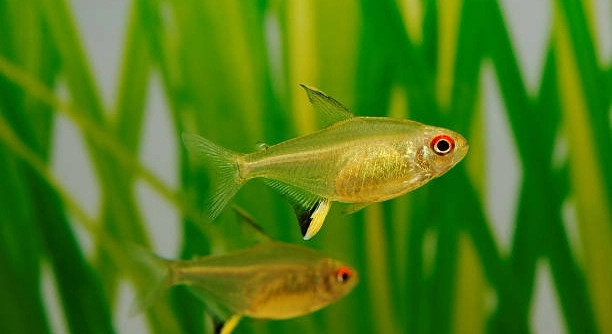
Lemon tetras are small, bright fish that add life to any aquarium. Watching them swim is calming, yet sometimes they behave oddly, rubbing against rocks. This unusual behavior can make you wonder about their health and environment.
Lemon tetras rubbing against rocks is often caused by irritation from parasites, skin infections, or poor water conditions. It is a natural response to discomfort, allowing the fish to relieve itchiness or remove debris from their scales.
Understanding why this happens is important for keeping your fish healthy. Small changes in care can make a big difference in their comfort and wellbeing.
Common Causes of Rock Rubbing
Lemon tetras often rub against rocks due to skin irritation or parasites. Ich, also known as white spot disease, is common in home aquariums and causes fish to itch. Poor water quality, including high ammonia or nitrite levels, can also make their skin uncomfortable. Sometimes, rough decorations or sharp edges on rocks can physically irritate their scales. Stress from overcrowding or sudden changes in temperature can worsen the behavior. Observing your fish closely is important. Look for signs like frayed fins, white spots, or unusual swimming patterns. Regular water testing and partial water changes help maintain a clean environment. Avoid overcrowding the tank, as this can increase aggression and stress. Using smooth decorations and removing sharp objects minimizes accidental injuries. Treating any parasites promptly is essential to prevent long-term health problems. A healthy, stable environment reduces the frequency of rubbing and keeps your tetras active and vibrant.
Keeping an eye on tank conditions and fish appearance can prevent most rubbing behavior in lemon tetras.
Consistent maintenance is key. Even minor neglect can lead to irritation and disease. Feeding a balanced diet, cleaning filters, and monitoring water parameters regularly helps ensure fish are comfortable. Observing behavior daily allows you to spot problems early. Sometimes, simply adjusting tank decorations or spacing fish more evenly resolves the issue.
Treatment Options and Prevention
Adjusting water conditions often stops rock rubbing. Maintaining clean water reduces stress and prevents parasites.
Parasite treatments are usually effective when started early. Ich can be treated with aquarium-safe medications, raising water temperature slightly, and ensuring proper aeration. Salt baths may help certain species, but check compatibility before use. Quarantining new fish before adding them to the main tank prevents introducing infections. Providing hiding spots and reducing stress from overcrowding helps fish feel secure. Regular water changes and careful monitoring of pH, ammonia, and nitrite levels prevent recurring problems. Diet plays a role too; vitamin-rich foods strengthen the immune system. Smooth decorations and plants reduce physical irritation. Observing behavior after treatment confirms recovery, while ongoing monitoring prevents relapses. Consistency is key—small, regular actions maintain a healthy aquarium environment and reduce unwanted rubbing behavior. With careful care, lemon tetras can thrive and display vibrant, healthy swimming patterns, making the tank both lively and safe.
Monitoring Fish Behavior
Regular observation helps identify health issues early. Watch for unusual rubbing, lethargy, or changes in swimming patterns. Keeping a log of behavior and tank conditions can reveal patterns linked to stress or illness.
Noticing subtle changes is important. Lemon tetras may start rubbing rocks more frequently if water parameters shift, if new fish are introduced, or if decorations are rearranged. Behavioral changes can signal early signs of disease or irritation before visible symptoms appear. Recording the frequency and context of rubbing helps determine whether the cause is environmental, dietary, or parasitic. Prompt action can prevent more serious problems and improve overall fish wellbeing.
Consistent monitoring also encourages preventive care. Observing interactions among fish reduces aggression-related stress. Noticing which areas of the tank are preferred or avoided can indicate physical discomfort. Adjusting water quality, temperature, or tank layout based on these observations creates a healthier environment. Tracking feeding habits and reactions to diet changes also contributes to long-term fish health. A small daily routine of observation ensures problems are caught early and reduces recurring behaviors like rubbing against rocks.
Improving Water Quality
Maintaining clean water minimizes irritation and supports fish health. Regular testing for ammonia, nitrite, and nitrate is essential.
Water changes prevent buildup of harmful chemicals. Using a reliable water testing kit allows accurate monitoring of pH, hardness, and chemical levels. Removing uneaten food, waste, and debris reduces stress and lowers the risk of infections. Filtration systems should be checked and cleaned consistently to maintain efficiency. Even minor fluctuations in water conditions can trigger rubbing behavior, so stability is key. Additionally, using water conditioners removes chlorine and chloramine, protecting delicate fish skin. Careful attention to water parameters ensures a safe and comfortable environment for lemon tetras.
Proper circulation and oxygenation are equally important. Aeration through bubblers or filter output prevents low oxygen levels, which can stress fish. Avoid overstocking the tank to reduce waste accumulation and competition. Smooth substrates and plants reduce physical damage, while live plants help maintain chemical balance. Keeping temperature steady, according to species needs, supports metabolic and immune function. By combining these measures, water quality remains high, fish stay healthy, and unwanted behaviors like rock rubbing are minimized. Consistent care makes the aquarium stable, reducing the likelihood of stress-related issues.
Parasite Prevention
Parasites often cause fish to rub against rocks. Quarantining new fish before adding them reduces the risk of spreading infections.
Maintaining proper hygiene is key. Cleaning decorations, removing waste, and avoiding overfeeding lowers parasite risks. Regular observation helps catch early signs of illness, preventing larger outbreaks and keeping lemon tetras healthy.
Diet and Nutrition
A balanced diet strengthens immunity and reduces stress-related behaviors. High-quality flakes, frozen foods, and occasional live foods ensure fish receive essential nutrients. Overfeeding should be avoided, as it can pollute water and trigger irritation. Monitoring food intake helps maintain a healthy weight and prevents digestive issues.
Tank Decorations
Smooth rocks and rounded surfaces minimize physical irritation. Avoid sharp or rough objects that can damage scales or fins. Properly spacing decorations ensures fish can swim freely and reduces stress from territorial disputes.
FAQ
Why is my lemon tetra rubbing against rocks constantly?
Constant rubbing usually indicates persistent irritation. Parasites like ich, skin infections, or fin damage can cause itching. Poor water quality, including high ammonia or nitrite levels, can also irritate their skin. Rough tank decorations or sharp rocks may worsen the problem. Daily observation helps identify the cause early.
Can stress cause my lemon tetra to rub against rocks?
Yes. Stress from overcrowding, sudden temperature changes, aggressive tank mates, or frequent tank rearrangements can trigger rubbing. Stressed fish often show other signs like hiding, loss of appetite, or erratic swimming. Creating a calm, stable environment reduces this behavior.
How do I treat rubbing caused by parasites?
Treatment depends on the type of parasite. Ich can be treated with aquarium-safe medications and slightly raising the water temperature. Salt baths may help certain species. Quarantining new fish prevents spreading infections. Consistent treatment and monitoring ensure recovery.
Could poor water quality be the reason?
Absolutely. High ammonia, nitrite, or nitrate levels irritate fish skin. Sudden pH changes or extreme temperatures can also trigger rubbing. Regular water testing, partial water changes, and using water conditioners help maintain stable and healthy conditions for lemon tetras.
Is diet related to rubbing behavior?
Yes. Poor nutrition can weaken the immune system, making fish more susceptible to irritation or disease. A balanced diet with high-quality flakes, frozen foods, and occasional live foods ensures proper nutrients. Avoid overfeeding to prevent water pollution, which can indirectly stress fish.
Do tank decorations affect this behavior?
They can. Rough, sharp, or jagged surfaces may physically damage scales, prompting rubbing. Smooth rocks and rounded decorations are safer. Spacing decorations carefully allows fish to swim freely and reduces territorial stress, which can also contribute to rubbing.
How can I tell if rubbing is a minor irritation or a serious issue?
Minor irritation often stops quickly and isn’t accompanied by other symptoms. Serious issues are persistent and paired with signs like frayed fins, white spots, abnormal swimming, or loss of appetite. Early intervention is crucial to prevent worsening health problems.
Should I isolate the affected fish?
Isolation can help if the fish has a contagious parasite or severe skin infection. A quarantine tank allows for targeted treatment and reduces stress from aggressive tank mates. Ensure the quarantine environment mimics proper water conditions.
How often should I monitor my fish for rubbing behavior?
Daily observation is best. Checking tank conditions, water quality, and fish behavior regularly helps spot problems early. Logging behavior changes, feeding habits, and environmental adjustments makes it easier to pinpoint causes and track improvement.
Can rubbing be completely prevented?
While not all rubbing can be fully prevented, maintaining clean water, a balanced diet, smooth decorations, and minimal stress significantly reduces its occurrence. Promptly treating parasites or injuries keeps fish healthy and comfortable. Regular care is the most effective prevention.
Is rubbing harmful to lemon tetras?
Occasional rubbing isn’t usually dangerous, but repeated or intense rubbing can lead to scale loss, skin infections, or stress. Ignoring underlying causes can worsen health. Addressing environmental, dietary, or parasite-related issues prevents long-term damage.
How long does it take for rubbing behavior to stop after treatment?
The timeline depends on the cause. Parasite treatments may take several days to a week, while environmental adjustments like water stabilization can show improvement within a few days. Continuous monitoring ensures the behavior is truly resolved and fish recover fully.
Can multiple factors cause rubbing at the same time?
Yes. Often, water quality issues, parasites, and stress interact. Overcrowding plus poor water conditions can trigger rubbing more quickly. Addressing all potential factors together yields the best results, rather than focusing on a single cause.
Are there signs that indicate the fish is recovering?
Yes. Reduced rubbing, normal swimming patterns, bright coloration, active feeding, and intact fins are signs of recovery. Fish that resume typical schooling behavior indicate they are comfortable and the underlying issue has been addressed.
Does tank size influence rubbing behavior?
Smaller or overcrowded tanks increase stress and competition, leading to rubbing. Providing adequate space, hiding spots, and avoiding overstocking reduces stress-related irritation. Proper tank size supports overall health and minimizes behavioral issues.
Can rubbing behavior reoccur?
It can, especially if underlying causes aren’t addressed. Poor water quality, reintroduction of infected fish, or stress can trigger a return of rubbing. Consistent care, monitoring, and preventive measures reduce the likelihood of recurrence.
Is it necessary to consult a veterinarian for rubbing behavior?
Consulting an aquatic veterinarian is recommended if rubbing persists despite environmental adjustments and treatment. Persistent skin damage, unexplained illness, or signs of infection require professional guidance to ensure proper diagnosis and care.
Are live plants helpful in preventing rubbing behavior?
Yes. Live plants improve water quality by absorbing nitrates and providing natural hiding spots, reducing stress. They also create smoother areas for fish to swim around, minimizing physical irritation. Healthy plants contribute to a more comfortable and balanced tank environment.
What role does water temperature play in rubbing behavior?
Temperature fluctuations or extremes can stress fish and worsen rubbing. Lemon tetras prefer stable, moderate temperatures. Gradual adjustments, when necessary, prevent shock and reduce irritation-related behaviors. Monitoring with a reliable thermometer ensures consistent conditions.
How long should I observe before deciding on treatment?
Observation for one to two days helps identify patterns and potential triggers. If rubbing persists, or other symptoms appear, treatment should begin promptly. Delaying intervention can allow minor issues to become serious, affecting fish health.
Does schooling behavior affect rubbing?
Yes. Lemon tetras are schooling fish. Isolation or disruptions in the school can increase stress, which may trigger rubbing. Maintaining a proper group size and harmonious social environment supports natural behavior and reduces irritation.
Can overfeeding contribute to rubbing?
Indirectly, yes. Excess food decomposes, polluting water and increasing stress. Overfeeding also affects digestion and immunity. Feeding small, controlled portions and removing uneaten food helps maintain water quality and prevents rubbing linked to environmental irritation.
Are there signs that indicate a fish is too stressed?
Signs include frequent hiding, rapid breathing, lethargy, loss of appetite, erratic swimming, and rubbing. Stress weakens immunity and makes fish more prone to disease. Recognizing these signs early allows prompt environmental or dietary adjustments to improve wellbeing.
How can I make the tank safer for lemon tetras?
Use smooth decorations, provide hiding spots, maintain water quality, monitor temperature, and avoid overcrowding. Balanced nutrition and careful introduction of new fish minimize stress. A safe tank environment reduces rubbing, supports healthy growth, and ensures a lively, active community.
Can rubbing damage fins or scales permanently?
Repeated or intense rubbing can cause scale loss, fin fraying, and skin infections. Minor damage may heal, but untreated irritation can lead to chronic issues. Addressing the root cause promptly prevents permanent harm and maintains overall health.
Is rubbing more common in young or old lemon tetras?
Both ages can rub, but younger fish may be more sensitive to parasites and water fluctuations. Older fish may show rubbing if stressed or weakened. Proper care for all ages is necessary to minimize irritation and ensure healthy behavior.
What should I do if rubbing continues despite treatment?
Reevaluate water quality, tank decorations, diet, and social dynamics. Consider consulting an aquatic veterinarian for persistent or unexplained cases. Sometimes multiple factors must be addressed simultaneously to fully stop rubbing behavior and restore fish health.
How do I prevent future rubbing?
Maintain stable water parameters, feed a balanced diet, provide smooth decorations, avoid overcrowding, and quarantine new fish. Regular observation, preventive care, and early treatment of any irritation or infection reduce the likelihood of recurring rubbing behavior.
Are there environmental signals that trigger rubbing?
Yes. Changes in light, temperature, pH, or tank rearrangements can stress fish. Introducing aggressive tank mates or sudden water parameter shifts may also prompt rubbing. Keeping conditions stable and predictable reduces stress-related behaviors.
How long should quarantine last for new fish?
Typically, two to four weeks is recommended. Quarantine allows observation for parasites, infections, or stress responses. Treating any detected issues before introducing new fish prevents spreading problems to the main tank.
Can rubbing be a sign of internal disease?
Yes. Digestive issues, bacterial infections, or weakened immunity can make fish rub against surfaces. Monitoring feeding, behavior, and water quality helps distinguish between external irritation and internal health problems. Prompt intervention prevents worsening conditions.
Is rubbing normal behavior in small amounts?
Occasional rubbing may occur as part of natural maintenance, like removing debris from scales. However, persistent or intense rubbing signals irritation or stress, and should be addressed to prevent health problems.
Does tank lighting affect rubbing behavior?
Harsh or excessive lighting can stress fish, prompting rubbing or hiding. Providing shaded areas and controlling light duration supports comfort and reduces stress-related behaviors. Balanced lighting mimics natural conditions and promotes healthy activity.
Can rubbing lead to secondary infections?
Yes. Damaged scales or skin from frequent rubbing can allow bacteria or fungi to enter. Maintaining water quality and treating underlying causes prevents infections and protects long-term health.
What role does social hierarchy play in rubbing?
Aggression or dominance disputes can stress subordinate fish, causing rubbing or hiding. Ensuring adequate space, proper group size, and peaceful tank mates reduces stress-related behaviors and maintains harmony in the school.
Are there long-term consequences if rubbing is ignored?
Ignoring persistent rubbing can lead to chronic stress, infections, fin damage, weakened immunity, and even death. Early detection and intervention are essential to prevent long-term health issues and maintain a stable, healthy aquarium environment.
How often should I test water parameters to prevent rubbing?
Weekly testing is recommended for most home aquariums. More frequent checks are necessary after adding new fish, changing water, or noticing unusual behavior. Consistent monitoring ensures stable conditions and reduces irritation-related rubbing.
Do seasonal changes affect lemon tetra behavior?
Yes. Temperature or light changes can stress fish. Gradual adjustments and monitoring help maintain stability. Sudden seasonal fluctuations can trigger rubbing, hiding, or appetite changes, so careful management supports fish comfort and health.
Can rubbing be related to breeding behavior?
Sometimes. Minor rubbing may occur during courtship or territorial displays. However, persistent rubbing linked to stress or irritation is unrelated to breeding and should be addressed through environmental or health interventions.
What is the first step if I notice rubbing?
Identify the cause by checking water quality, observing fish for parasites or injury, and reviewing recent changes in diet, tank setup, or social dynamics. Prompt action prevents escalation and ensures fish recover quickly.
Are some lemon tetras more prone to rubbing than others?
Individual sensitivity varies. Some fish are more susceptible to parasites, stress, or irritation. Observing individual behavior helps identify which fish need closer monitoring or care adjustments.
Can rubbing be completely eliminated?
Not entirely, as minor rubbing may occur naturally. However, consistent care, stable water, proper diet, smooth decorations, and monitoring stressors greatly reduce its frequency and severity. Healthy fish are less likely to engage in excessive rubbing.
How does tank filtration impact rubbing behavior?
Proper filtration keeps water clean and reduces irritants that cause rubbing. Inadequate or dirty filters can increase ammonia or debris, stressing fish and prompting rubbing. Regular maintenance ensures efficient filtration and healthier conditions.
What are signs that treatment is working?
Reduced rubbing, normal swimming, active feeding, bright coloration, and intact fins indicate recovery. Continued monitoring confirms that environmental or medicinal interventions are effective, and fish remain healthy.
How do I adjust tank layout to reduce rubbing?
Provide open swimming areas, smooth decorations, and hiding spots. Avoid sharp rocks and overcrowding. A well-planned layout minimizes stress, prevents physical damage, and encourages natural behavior, reducing rubbing incidents.
Does water hardness affect rubbing behavior?
Extreme hardness or sudden changes can irritate fish skin. Maintaining consistent and moderate water hardness prevents stress and discomfort. Testing and adjusting hardness ensures conditions remain suitable for lemon tetras.
Can rubbing indicate an allergy or sensitivity?
Fish can react to chemicals, additives, or medications in the water. Irritation may lead to rubbing. Using water conditioners and avoiding sudden chemical changes reduces potential sensitivities and promotes comfort.
Is it normal for fish to rub at night?
Occasional nighttime rubbing may occur as part of natural maintenance, but persistent nighttime activity can indicate discomfort, parasites, or stress. Observing behavior over time helps distinguish normal maintenance from a health concern.
How does schooling size influence rubbing?
Smaller groups or solitary fish experience more stress, increasing rubbing. Maintaining an appropriate school size supports social behavior, reduces stress, and minimizes irritation-related rubbing.
Can rubbing indicate a fungal infection?
Yes. Fungal infections irritate skin and scales. Signs include white cottony patches along with rubbing. Early identification and treatment prevent spread and long-term damage.
Are water conditioners helpful in preventing rubbing?
Yes. Conditioners remove chlorine, chloramine, and heavy metals, protecting delicate skin and preventing irritation. Using them consistently supports a healthy environment and reduces rubbing behavior.
How do I distinguish between rubbing and normal cleaning behavior?
Normal cleaning is brief and occasional, while rubbing from irritation is persistent, intense, and often paired with other symptoms like frayed fins or white spots. Monitoring frequency and context clarifies the cause.
Does rubbing increase during water changes?
Yes. Sudden changes in temperature, pH, or chemical composition can irritate fish, prompting temporary rubbing. Gradual water changes and careful monitoring reduce stress during maintenance.
Are there medications to stop rubbing immediately?
Medications treat the underlying cause but do not stop rubbing instantly. Parasite treatments, antibiotics, or antifungal agents address irritation, while water adjustments and environmental improvements support recovery over time.
How can I prevent rubbing in a new tank setup?
Cycle the tank properly, provide smooth decorations, maintain stable water parameters, introduce fish gradually, and quarantine new arrivals. Consistent care and monitoring reduce stress and irritation-related behaviors.
Does rubbing indicate pain?
Yes, rubbing is a response to discomfort, itchiness, or irritation. While it may not always signal severe pain, persistent rubbing indicates an underlying problem that should be addressed promptly to protect fish health.
Can rubbing be seasonal in behavior?
Fluctuations in temperature, lighting, or tank activity can make rubbing more noticeable during certain periods. Maintaining stable conditions year-round reduces stress-induced rubbing behavior.
How long should I observe after treatment to confirm recovery?
Observation for at least a week is ideal. Fish should show consistent improvement in swimming, feeding, and reduced rubbing. Continued monitoring ensures the issue has been fully resolved and prevents recurrence.
Does rubbing indicate a vitamin deficiency?
Indirectly. Poor nutrition weakens immunity, making fish more prone to irritation or infection. Providing a varied, high-quality diet reduces the likelihood of rubbing caused by underlying deficiencies.
Can rubbing spread diseases to other fish?
Yes. If caused by parasites or bacterial infections, affected fish can transmit pathogens to tank mates. Quarantining and treating the affected fish prevents spread and protects the overall community.
Are certain tank mates more likely to trigger rubbing?
Aggressive or territorial fish can stress lemon tetras, causing rubbing. Maintaining peaceful companions and adequate space reduces stress-related behaviors. Monitoring interactions helps ensure a calm, compatible environment.
Does rubbing indicate old age in lemon tetras?
Not necessarily. While older fish may be more sensitive, rubbing usually signals irritation, stress, or disease rather than age alone. Proper care can minimize rubbing regardless of fish age.
Can rubbing indicate poor circulation in water flow?
Yes. Strong currents or stagnant areas can stress fish, prompting rubbing. Ensuring balanced water flow and proper aeration supports comfort and reduces irritation-related behaviors.
Is rubbing affected by the type of substrate?
Yes. Sharp or rough substrates increase the risk of physical damage. Smooth sand or rounded gravel is safer and minimizes rubbing caused by accidental abrasions.
How often should I clean the tank to prevent rubbing?
Regular cleaning, including partial water changes weekly and removing debris, prevents irritation. Consistent maintenance ensures healthy water quality and reduces the likelihood of rubbing behavior.
Does rubbing affect fish growth?
Indirectly. Persistent irritation and stress can reduce feeding efficiency, weaken immunity, and slow growth. Addressing the cause ensures fish remain healthy and continue to grow normally.
Can rubbing cause long-term stress?
Yes. Chronic irritation or discomfort can increase stress hormones, weaken immunity, and make fish more susceptible to disease. Preventing or addressing rubbing reduces long-term stress and promotes overall wellbeing.
Is rubbing more common in small aquariums?
Yes. Limited space increases competition, stress, and contact with decorations, leading to more rubbing. Providing adequate tank size and proper social dynamics minimizes this behavior.
Does rubbing affect breeding success?
Persistent stress from rubbing can reduce reproductive activity. Healthy, comfortable fish are more likely to breed successfully, so addressing underlying causes supports natural reproductive behavior.
Can rubbing indicate a hidden injury?
Yes. Internal injuries or minor cuts may lead fish to rub against surfaces. Inspecting closely and monitoring behavior ensures injuries are identified and treated early.
How long can fish tolerate irritation before health declines?
Tolerance varies, but prolonged irritation can lead to infections, stress, and weakened immunity within days to weeks. Early intervention is critical to prevent serious health issues.
Are all lemon tetras equally sensitive to irritation?
No. Individual fish may react differently to parasites, water quality, or stress. Observing each fish’s behavior ensures those more sensitive receive appropriate care.
Can rubbing behavior be hereditary?
Not directly. Behavioral tendencies may vary, but rubbing is usually triggered by environment, stress, or health issues rather than genetics. Proper care prevents occurrence regardless of lineage.
Does rubbing affect appetite?
Yes. Persistent discomfort can reduce feeding. Observing appetite alongside rubbing helps identify underlying problems and ensures fish receive adequate nutrition for recovery.
Is rubbing affected by tank temperature stability?
Yes. Sudden or frequent temperature fluctuations stress fish and may trigger rubbing. Maintaining a consistent, species-appropriate temperature reduces irritation-related behaviors.
Can rubbing be seasonal in appearance without stress?
Minor seasonal rubbing may occur naturally, but persistent behavior usually signals irritation, parasites, or environmental issues. Monitoring frequency and context clarifies whether it is normal or problematic.
Do lemon tetras need special care to prevent rubbing?
They require clean water, stable conditions, a balanced diet, smooth decorations, and peaceful tank mates. Consistent attention reduces irritation, prevents stress, and keeps rubbing behavior minimal.
Can rubbing indicate fin rot?
Yes. Rubbing can accompany fin damage from bacterial infections. Observing fins for fraying, discoloration, or decay helps identify fin rot early, allowing prompt treatment.
Does rubbing increase after tank rearrangement?
Yes. Sudden changes in environment can stress fish, triggering rubbing. Gradual rearrangement and careful monitoring reduce stress and prevent excessive rubbing.
**How can I ensure long
Lemon tetras are generally peaceful and hardy fish, but their behavior can signal important information about their health and environment. Rubbing against rocks is one of the more noticeable behaviors, and it usually indicates discomfort or irritation. While occasional rubbing can be part of natural maintenance, frequent or intense rubbing often points to issues such as parasites, poor water quality, or stress from overcrowding or aggressive tank mates. Observing your fish daily and paying attention to any changes in behavior is the best way to ensure problems are addressed early. Healthy tetras swim actively, eat well, and maintain bright coloration. If rubbing becomes persistent, it is a clear sign that adjustments are needed in the tank’s care routine or environment to protect their wellbeing.
Maintaining stable water parameters is one of the most effective ways to prevent rubbing behavior. Lemon tetras thrive in clean, well-oxygenated water with consistent temperature, pH, and hardness. Regular water testing and partial water changes help maintain a healthy environment while removing waste and preventing harmful chemical buildup. Filtration systems should be checked and cleaned regularly to ensure efficiency, and care should be taken to avoid overcrowding, which can increase stress and irritation. Smooth rocks and decorations, combined with live or artificial plants, provide hiding spaces while minimizing physical damage. A balanced diet, including high-quality flakes, frozen foods, and occasional live foods, strengthens the immune system and supports overall health. By combining these preventive measures, the likelihood of rubbing due to environmental stress or irritation is greatly reduced.
Promptly addressing health concerns is equally important. Parasites, bacterial infections, and skin irritations should be treated as soon as they are identified. Quarantining new fish before adding them to the main tank prevents introducing diseases, while careful observation ensures that any treatments are effective. Even minor changes in water conditions, diet, or tank layout can have a noticeable effect on behavior, so consistent monitoring is necessary. Taking these steps not only helps stop rubbing behavior but also promotes long-term health and comfort for lemon tetras. A stable, clean, and thoughtfully maintained environment allows fish to display natural behavior and thrive, making the aquarium both a safe and lively home.

Hello,
If you enjoy the content that we create, please consider saying a "Thank You!" by leaving a tip.
Every little bit helps us continue crafting quality advice that supports the health, happiness, and well-being of pets around the world, for pets of all shapes, sizes, and species.
We really appreciate the kindness and support that you show us!