
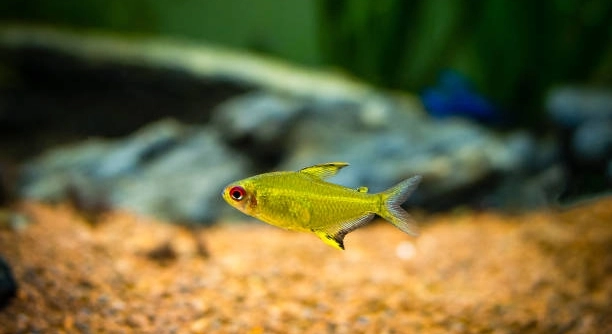
Have you ever wondered how to choose the right tank size for your lemon tetra, finding a setup that supports calm swimming patterns and gentle interactions among these small, colorful fish in your home aquarium
Selecting appropriate tank sizes for lemon tetras influences their behavior, health and stability by providing adequate swimming room and reliable water parameters. Larger environments reduce stress and support balanced social dynamics, creating conditions necessary for sustained wellbeing within aquarium habitats.
Learning key tank details helps you create a calm space that keeps your lemon tetras comfortable and encourages peaceful behavior
Why Tank Size Matters
Choosing the right tank size for lemon tetras is important because their comfort depends on stable conditions and enough open space for smooth swimming. I always find that these fish respond well when their environment feels calm and roomy, allowing them to show their natural colors and gentle movements without stress. A tank that is too small can lead to uneven behavior, messy water and frequent issues that make care harder than it needs to be. When the tank is sized correctly, everything feels more balanced. The water stays cleaner, the group moves together more easily and the daily upkeep becomes far more manageable. With extra space, lemon tetras display better schooling patterns and seem more secure. This creates a peaceful atmosphere that makes watching them enjoyable. Paying attention to tank size early helps you avoid problems later, keeping your fish healthy and your routine simple every single day too.
Selecting a suitable tank keeps lemon tetras stable by maintaining dependable water conditions and enough room for calm movement. Proper sizing reduces stress, supports schooling behavior and limits sudden changes that disrupt their routine. A balanced environment encourages steady activity and simplifies daily care in a meaningful way for you.
Creating a comfortable setup begins with understanding how tank size shapes daily care. A larger tank holds stable conditions longer, giving you more control and reducing the need for constant adjustments. Lemon tetras respond well to predictable surroundings and steady water values, so extra space helps them thrive. When their environment feels settled, these fish move with ease and show calmer behavior that makes the tank pleasant to watch. Planning ahead gives you a smooth start and reduces avoidable frustrations. With the right base, you can focus on small details that keep your lemon tetras content and supported each day.
Choosing the Right Setup
Smaller tanks are sometimes chosen for convenience, but lemon tetras handle life better when they have more room and stable patterns. Adequate space reduces tension within the group and helps maintain cleaner conditions that support their overall wellbeing in a simple, manageable and steady way for you to care comfortably.
Selecting the best tank sizes for lemon tetras involves understanding how space affects their movement, energy and stability. These small fish rely on consistent surroundings that do not change too quickly, and larger tanks naturally provide that kind of support. More water volume keeps conditions steady, which means fewer sudden shifts that cause stress. Extra space also gives the group room to school smoothly, allowing their behavior to remain orderly and reducing nipping that sometimes appears when they feel crowded. When you choose a tank on the larger side, you also make maintenance easier, since debris spreads out instead of concentrating in one tight area. This helps filtration work more effectively and keeps the tank looking fresher between cleanings. Lemon tetras show better coloration and more confident movement when they feel secure, and security often comes from having enough open room to move without pressure. A generous tank encourages a calm atmosphere that pairs well with their gentle nature. By giving them space that matches their needs, you create a setup that stays predictable and easier to manage. The result is a peaceful display that remains steady over time and supports healthy behavior that feels natural for these active fish.
Ideal Minimum Tank Sizes
A well sized tank gives lemon tetras the space they need to move smoothly and maintain stable behavior. Larger setups reduce tension in the group and help keep water parameters steady, making daily care easier and allowing the fish to feel safe and relaxed.
Providing enough room improves their overall activity and supports cleaner conditions. A minimum of ten gallons works for very small groups, but it still demands careful upkeep to stay balanced. With slightly larger tanks, you gain more stability, less frequent fluctuations and a calmer atmosphere. Lemon tetras respond well to predictable surroundings, and adequate space helps them settle into steady patterns. This creates a simple rhythm that makes both care and observation much more pleasant.
A tank with enough open areas encourages natural schooling and reduces scattered movement that sometimes happens when fish feel squeezed. Lemon tetras appreciate layouts that guide smooth swimming paths, letting them move together comfortably. Extra space also helps filtration perform better, preventing waste from building up too quickly and giving you longer periods between routine tasks. When the tank feels open and stable, the group becomes more confident and shows better coloration and softer behavior.
Benefits of Larger Tanks
Larger tanks create a calmer atmosphere by buffering sudden changes that often disturb lemon tetras. Extra water volume gives you more time to react when something shifts, keeping the environment steady and reducing stress within the group in a meaningful and manageable way.
A roomy setup spreads out movement, lowers tension and encourages natural schooling that looks smooth and coordinated. The added space supports healthier patterns by giving the fish freedom to navigate without bumping into one another. It also improves overall filtration efficiency because debris disperses instead of concentrating in one tight corner. This leads to cleaner water over longer periods and less frequent maintenance. Lemon tetras often show brighter colors and more confident behavior when they feel unpressured by their surroundings. With a tank that provides balanced space, conditions remain predictable, upkeep becomes easier and the fish settle into a comfortable rhythm that feels steady and enjoyable to watch.
Space for Group Comfort
Lemon tetras behave more naturally when they have enough room to move together without feeling crowded. Adequate space reduces scattered swimming and helps the group maintain calmer patterns. This gives them a sense of stability that supports healthier behavior throughout the day.
Their colors often appear brighter when they feel secure, and space plays a key role in that. A tank that gives them room to spread out lowers tension and promotes smoother schooling. This makes care easier and keeps their environment steady, which helps them stay comfortable.
How Tank Layout Affects Behavior
A balanced layout supports smooth movement and prevents bottlenecks where fish may feel pressured. Open sections work best for schooling, while planted areas provide gentle cover that helps them settle. With enough room to move freely, lemon tetras show more confident swimming and maintain steadier patterns that make the tank feel peaceful and predictable. Creating space that flows well also helps filtration work efficiently, keeping the water cleaner for longer and reducing the need for frequent adjustments.
Importance of Swimming Room
Open swimming areas encourage relaxed movement and reduce unnecessary tension in the group. Lemon tetras respond well to layouts that let them glide without interruption, helping them stay calm, active and steady throughout their day.
FAQ
What is the smallest tank size lemon tetras can live in comfortably?
Lemon tetras can live in small tanks, but ten gallons is the smallest size that still allows them to maintain stable patterns. Even then, it requires careful upkeep to keep conditions steady. I find that small tanks shift quickly, so you need to monitor water values more often. A larger setup gives them room to move calmly and form a small group without stressing each other. While ten gallons is considered the minimum, it is not always the most comfortable, especially for long term care. Giving them more space helps them settle, reduces tension and keeps the environment easier to manage.
How many lemon tetras should be kept together for proper schooling behavior?
Lemon tetras feel safest when kept in small groups, and a minimum of six helps them form natural patterns. A slightly larger group often results in calmer behavior because the fish spread out their attention instead of focusing too much on one another. Groups of eight to ten make schooling smoother and more balanced. When they have enough companions, they move with more confidence and maintain steadier activity. This also helps prevent nipping that sometimes occurs in smaller groups. Keeping them in a proper group makes their tank look livelier and helps each fish feel secure.
Does tank shape matter for lemon tetras?
Tank shape affects how these fish move, because they rely on open stretches for clean schooling. Long tanks provide smoother swimming paths, giving them room to glide without frequent turns. I notice that tall, narrow tanks make them adjust too often, which can disrupt their flow. Wider setups offer more predictable routes and help maintain calmer patterns. When space feels open, lemon tetras behave more naturally and display better color. A tank that focuses on length instead of height gives them the horizontal room they need. This makes the entire setup feel more stable and easier to care for daily.
Should lemon tetras be kept with fast or slow moving tank mates?
They settle best with peaceful tank mates that do not overwhelm them. Very fast fish can create a restless atmosphere, especially in tanks that are not spacious enough. Lemon tetras prefer steady surroundings, so calm tank mates work better. Slow fish are usually fine, as long as they do not act territorial. A balanced mix keeps activity smooth and predictable. When tank mates move at a comfortable pace, lemon tetras show more confident behavior. I always avoid choosing species known for chasing. Keeping the tank calm helps everyone stay relaxed and reduces tension in the group.
How does tank size influence water quality for lemon tetras?
Larger tanks help water quality stay stable for longer periods. More water dilutes waste, giving the filter more time to process debris before it becomes an issue. Small setups shift quickly, and this can cause stress for lemon tetras. With larger tanks, conditions stay predictable, which makes daily care easier. Stable water reduces sudden changes that might disrupt their behavior. A spacious tank also spreads out movement, keeping the environment calmer. This steadiness supports healthier patterns and reduces problems like cloudy water or sudden parameter swings. More room gives both you and the fish a manageable routine.
Do lemon tetras need open swimming areas or more plants?
They benefit from both, but open areas are the base of their comfort. Smooth swimming paths help them maintain natural schooling. Plants placed around the edges add soft cover without blocking movement. A balanced layout gives them room to glide and places to settle when they want.
Final Thoughts
Creating a comfortable home for lemon tetras starts with understanding how much their wellbeing depends on space and stability. When the tank is sized correctly, daily care becomes easier and the fish respond with calmer movement and clearer behavior. I find that these small details make a big difference over time, especially when you are trying to maintain a steady environment that does not shift too quickly. Lemon tetras thrive when their surroundings feel predictable, and space plays a direct role in making that possible. A tank that offers enough room for smooth swimming supports their natural habits and keeps them from feeling pressured by tight corners or busy layouts. This simple foundation allows them to show their colors more clearly and interact with one another in a way that feels natural and gentle. Paying attention to tank size early helps you avoid unnecessary issues, giving you more time to enjoy their presence and less time correcting problems that come from cramped or unstable conditions.
A larger tank not only supports their health but also creates a more peaceful environment that is easier for you to manage. When water conditions remain steady, you do not have to chase numbers or make constant adjustments. This gives you a chance to establish a routine that feels balanced, making the entire experience more enjoyable. Lemon tetras show more confident behavior when they have room to move freely, and this confidence often leads to better schooling patterns and smoother interactions within the group. The right amount of space reduces tension, prevents sudden bursts of chaotic movement and helps create a calm atmosphere that makes the tank pleasant to watch. A stable layout also supports filtration, giving equipment the ability to work efficiently without constant interference. With space acting as a buffer, small mistakes are easier to recover from, which keeps both the fish and the keeper more at ease.
When you give your lemon tetras the space they need, everything about their care becomes more predictable and more rewarding. Their colors grow richer when they feel secure, their movements look coordinated and their overall behavior becomes easier to read. This kind of balance encourages a peaceful rhythm that makes your time with them relaxing rather than stressful. It also helps you enjoy the simple beauty of their schooling patterns and gentle activity. Building the right setup is not about making things complicated, but about choosing a tank size and layout that supports stability from the start. Once the foundation is set, the rest comes naturally, letting you focus on small improvements that enhance their comfort and keep the environment calm. With thoughtful planning and steady care, your lemon tetras can thrive in a space that supports their needs and brings a sense of calm to your daily routine.

Hello,
If you enjoy the content that we create, please consider saying a "Thank You!" by leaving a tip.
Every little bit helps us continue crafting quality advice that supports the health, happiness, and well-being of pets around the world, for pets of all shapes, sizes, and species.
We really appreciate the kindness and support that you show us!