
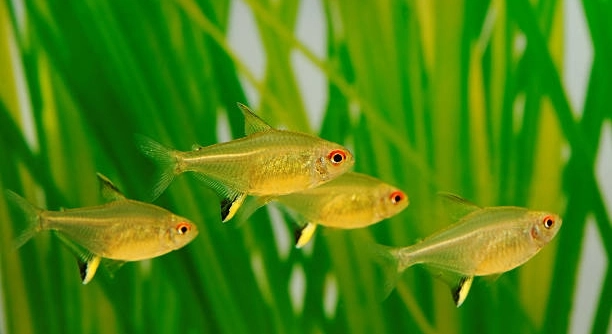
Do your lemon tetras seem unusually quiet today, floating apart rather than schooling together as usual? It can be surprising when these typically social fish ignore each other, creating a noticeably different energy in your aquarium.
Lemon tetras may ignore each other due to stress, illness, or changes in water conditions. Fluctuations in temperature, pH levels, or the presence of new tank mates can disrupt their natural social behavior temporarily.
Observing these subtle changes carefully can help maintain a healthy and harmonious aquarium environment for your tetras to thrive.
Changes in Water Conditions
Lemon tetras are very sensitive to their environment, and even small changes in water conditions can affect their behavior. A sudden shift in temperature or pH may cause them to hide or avoid each other. Chlorine or other chemicals in tap water can also stress them. Regular water testing is important to keep parameters stable. Uneven filtration or stagnant areas in the tank can create discomfort, making fish retreat to corners instead of schooling. Adding new plants or rearranging decorations can temporarily confuse them. Observing their swimming patterns and overall activity can help detect subtle signs of stress. Feeding habits may also change if water conditions are off, as stressed fish may eat less or refuse food entirely. Keeping a consistent maintenance routine with partial water changes and monitoring temperature carefully helps maintain their usual social behavior.
Monitoring water conditions closely will help you prevent repeated social withdrawal in your tetras.
Even minor fluctuations in water quality can have a big impact. Tetras rely on stable environments to maintain their natural instincts. Stress from changes can reduce immunity, making them prone to illness. Maintaining clean water with regular checks ensures they stay active and interact normally. Using a water conditioner and testing kits can help detect issues before behavior changes become noticeable. Overfeeding can also deteriorate water quality, so feeding small, controlled portions is beneficial. By keeping conditions steady and predictable, your lemon tetras are more likely to regain their normal social patterns quickly. Watching their response after adjustments confirms whether the environment is improving, ensuring their comfort and overall health.
Illness and Stress
Behavioral changes in lemon tetras can indicate health problems or stress factors. Ignoring each other often signals discomfort or underlying issues.
Illness can be subtle at first, with small signs such as clamped fins, lethargy, or loss of appetite. Stress may come from overcrowding, aggressive tank mates, or sudden environmental changes. Identifying the specific cause requires careful observation over several days. If illness is suspected, isolating affected fish in a quarantine tank can prevent spreading and allows for targeted treatment. Monitoring water quality and maintaining a consistent routine reduces stress levels. Ensuring a balanced diet rich in nutrients strengthens immunity and supports recovery. Paying attention to behavior patterns, swimming activity, and appearance helps detect problems early. Healthy lemon tetras usually swim together actively, showing bright colors and normal feeding habits. Early intervention can restore harmony among the fish and prevent long-term health complications, keeping the aquarium a stable and peaceful environment for everyone.
Tank Environment and Space
Overcrowding can make lemon tetras avoid each other. Limited space increases stress and reduces normal schooling behavior. Proper tank size allows free swimming and social interaction.
Providing at least a 20-gallon tank for a small school helps maintain balance. Too many fish in a small tank can lead to competition for food, hiding spots, and oxygen, causing tension among tetras. Plants and decorations create natural barriers, giving fish places to retreat temporarily, which can reduce stress. Open swimming areas encourage schooling and active movement. Observing their behavior while adjusting tank layout can help maintain harmony. Adequate spacing prevents aggression and promotes healthy interactions.
Even with proper tank size, placement of decorations matters. Avoid sharp objects or dense clusters that restrict swimming. A mix of open areas and hiding spots balances security and freedom. Regular rearrangement should be minimal to prevent confusion. Water circulation should be steady without strong currents that tire the fish. Monitoring their activity after adjustments ensures they adapt well, encouraging normal schooling behavior and reducing periods of ignoring each other.
Feeding and Nutrition
Diet directly affects lemon tetra behavior. Skipping meals or inconsistent feeding can make them less active and withdrawn. Proper nutrition supports energy and social interaction.
A varied diet including high-quality flakes, micro-pellets, and occasional live or frozen foods ensures tetras get all essential nutrients. Overfeeding should be avoided because leftover food decomposes, degrading water quality. Feeding small amounts two to three times daily matches their natural grazing habits and prevents competition. Observing which fish eat first can reveal dominance patterns or potential health issues. Adjusting portion sizes and monitoring consumption keeps both water quality and social behavior stable. Consistency in feeding routines reinforces normal activity levels.
Poor nutrition can weaken immunity, increasing susceptibility to stress and illness. Uneaten food can introduce toxins and promote algae growth, further disturbing the environment. Balanced meals help maintain bright coloration, active swimming, and natural schooling. Including plant-based options alongside protein-rich foods ensures comprehensive nutrition. Rotating food types and supplements prevents boredom and encourages all fish to participate in feeding. Tracking their intake and adjusting amounts as needed maintains both health and harmony within the group. Healthy tetras interact more naturally, reducing periods of ignoring each other while thriving in a well-managed tank.
Lighting and Day-Night Cycle
Inconsistent lighting can confuse lemon tetras, affecting their behavior. Too bright or irregular light periods may make them hide or avoid each other.
Maintaining a regular day-night cycle with moderate aquarium lighting supports natural activity. Gradual transitions between light and dark reduce stress and encourage normal schooling patterns.
Introduction of New Fish
Adding new fish can disrupt social dynamics temporarily. Lemon tetras may isolate themselves to assess newcomers. Slow introductions and observation prevent prolonged tension and help restore harmony within the school.
Water Quality Maintenance
Dirty water or high levels of toxins can cause tetras to withdraw from each other. Regular water changes and filtration checks are essential to maintain health and normal social behavior.
Why are my lemon tetras ignoring each other today?
Lemon tetras may ignore each other due to stress, illness, or changes in their environment. Shifts in water temperature, pH levels, overcrowding, or new tank mates can temporarily disrupt their normal schooling behavior. Observing them closely can help identify the exact cause.
How can I tell if stress is causing the behavior?
Signs of stress include hiding, clamped fins, reduced swimming activity, loss of appetite, or faded coloration. If you notice these symptoms along with social withdrawal, it often indicates that something in the tank environment or routine is causing discomfort.
Could water conditions be the issue?
Yes, lemon tetras are very sensitive to water quality. Changes in temperature, pH, ammonia, nitrite, or nitrate levels can make them anxious or withdrawn. Regular water testing and consistent partial water changes help maintain stability and normal behavior.
Is overcrowding affecting my tetras?
Overcrowding can increase stress and competition for food, hiding spots, and oxygen. Ensuring a proper tank size, around 20 gallons for a small school, allows them space to swim freely and reduces tension, which encourages schooling and social interaction.
Do new fish cause my tetras to ignore each other?
Introducing new fish can temporarily disrupt social hierarchy. Lemon tetras may keep their distance to assess the newcomers. Slow introductions, proper quarantine, and monitoring behavior can minimize long-term stress and restore harmony within the school.
Can diet influence their social behavior?
Yes, poor or inconsistent feeding can reduce activity and cause fish to withdraw. A varied diet of high-quality flakes, micro-pellets, and occasional live or frozen foods ensures proper nutrition, which supports energy, bright coloration, and normal interaction.
How does lighting impact their interactions?
Inconsistent or overly bright lighting can make lemon tetras hide and avoid each other. Maintaining a stable day-night cycle with moderate lighting helps them feel secure, promoting natural schooling and normal swimming patterns. Gradual transitions between light and dark reduce stress.
Could illness be causing isolation?
Yes, illness often causes tetras to separate. Symptoms like lethargy, clamped fins, or faded color can indicate infection or disease. Quarantining affected fish and maintaining clean water with proper treatment helps prevent spread and encourages recovery.
What role do tank decorations play?
Plants, rocks, and other decorations provide hiding spots, which can reduce stress and give fish temporary retreat areas. However, dense clusters or sharp objects that restrict swimming can increase tension and social withdrawal. A balanced layout promotes both security and open swimming space.
How can I restore normal schooling behavior?
Maintaining clean water, stable temperature, proper lighting, balanced nutrition, and adequate space helps lemon tetras regain social interaction. Observing them after adjustments ensures they adapt well, and any lingering issues can be addressed promptly to support harmony and healthy activity.
Are there seasonal or environmental factors that matter?
Changes in room temperature, sunlight exposure, or nearby disturbances can stress tetras. Keeping the tank in a stable location away from drafts, vibrations, or direct sunlight supports normal behavior and reduces periods of ignoring each other.
When should I consult a veterinarian or aquatic specialist?
If tetras continue to avoid each other despite stable water conditions, proper feeding, and suitable tank space, professional advice is recommended. Persistent lethargy, visible signs of illness, or abnormal coloration may require targeted treatment and expert guidance.
Observing your lemon tetras ignoring each other can be concerning, but it is often a temporary response to changes in their environment. These small fish rely heavily on stable conditions to feel secure, and any disruption—whether in water quality, tank layout, lighting, or the introduction of new tank mates—can alter their normal social behavior. It is important to remember that tetras are naturally social creatures. When they withdraw or avoid one another, it usually signals that something in their surroundings is not aligned with their needs. Maintaining consistency in their daily care helps reduce stress and encourages them to return to their typical schooling patterns. Paying close attention to subtle signs, such as changes in swimming activity, appetite, or coloration, allows you to intervene early and address minor issues before they escalate into more serious health problems.
Water quality is one of the most critical factors affecting lemon tetra behavior. Even small shifts in temperature, pH, or chemical balance can create discomfort and anxiety for the fish. Regular water testing, consistent partial water changes, and proper filtration are essential steps in providing a stable environment. Beyond water, other environmental factors, such as tank size, the arrangement of plants and decorations, and lighting, play a key role in promoting normal activity. Overcrowding or poorly designed tank layouts can increase stress and limit free movement, making tetras more likely to isolate themselves. Ensuring that they have both open swimming areas and places to retreat provides a balance of safety and freedom, which encourages interaction among the fish.
Nutrition and routine care also significantly influence social behavior. Lemon tetras thrive on a varied diet that includes high-quality flakes, micro-pellets, and occasional live or frozen foods. Feeding in consistent amounts and on a regular schedule prevents competition and reduces stress. Observing their feeding behavior can provide insight into potential health issues or dominance patterns within the school. Maintaining a calm and predictable environment, along with proper nutrition and clean water, supports not only their physical health but also their social interaction. By addressing these aspects, you can help your lemon tetras return to normal behavior, creating a balanced and peaceful aquarium where the fish can swim actively, interact naturally, and display their vibrant colors with confidence.

Hello,
If you enjoy the content that we create, please consider saying a "Thank You!" by leaving a tip.
Every little bit helps us continue crafting quality advice that supports the health, happiness, and well-being of pets around the world, for pets of all shapes, sizes, and species.
We really appreciate the kindness and support that you show us!