
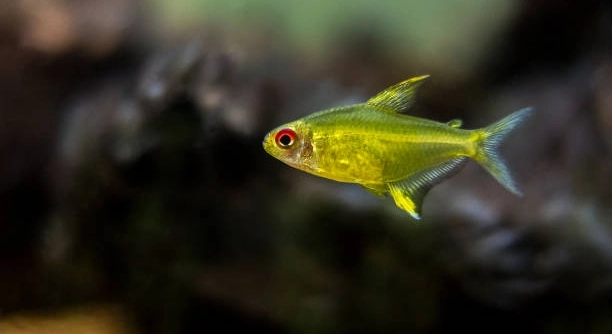
Lemon tetras are small, lively fish that brighten any aquarium. They respond well to the right lighting, which affects their activity, color, and overall health. Choosing appropriate light can make a noticeable difference in their well-being.
Lemon tetras prefer lighting that mimics natural daylight with moderate intensity, allowing them to display vibrant colors while feeling secure. Avoid overly bright or dim setups, as these can cause stress, reduce activity, and negatively impact their health.
Proper lighting is more than just aesthetics; it influences behavior, feeding habits, and tank harmony for these delicate fish. Understanding their preferences ensures a balanced and visually appealing aquarium environment.
Fluorescent Lighting
Fluorescent lights are a popular choice for lemon tetra tanks because they provide consistent, even lighting that is easy to manage. They emit a bright, white light that resembles natural daylight, helping the fish feel secure and active. I have found that placing the fluorescent light about a foot above the tank creates a comfortable brightness without overwhelming the tetras. These lights also enhance the yellow tones of their bodies, making them more visually appealing. They do not produce much heat, which helps maintain a stable water temperature and reduces the need for additional cooling. A timer can help maintain a regular day-night cycle, which is important for the fish’s natural rhythm. Fluorescent lighting is energy-efficient, making it practical for long-term use. Using a light with a full-spectrum bulb encourages plant growth if live plants are present, adding to the tank’s balance. Many aquarium owners find that these lights support both the fish and the plants effectively, keeping the environment healthy.
Fluorescent lights are easy to install, cost-effective, and provide reliable brightness. They are ideal for tanks with live plants.
Choosing fluorescent lighting means balancing intensity with duration. Too long or too bright can stress lemon tetras, so using a timer and adjusting placement ensures a comfortable, natural environment for both fish and plants. Regular observation helps identify if the tetras are showing signs of stress or inactivity, allowing you to tweak the setup. Incorporating fluorescent lighting with a reflective hood can enhance light distribution, supporting plant photosynthesis and the fish’s natural behavior. These lights also reduce shadows, giving the tank a cleaner and more open appearance. Overall, fluorescent bulbs provide a simple, low-maintenance solution that benefits both lemon tetras and live plants.
LED Lighting
LED lighting is highly versatile and energy-efficient, offering adjustable brightness and color options.
LEDs can replicate different times of day, which can make the tank environment more natural. Many LED systems include dimming settings, allowing for a gradual sunrise or sunset effect. This can reduce stress for lemon tetras, as sudden changes in light intensity may startle them. I usually set mine to a soft white with a hint of blue, which enhances their yellow coloration without being harsh. LED strips or panels can be positioned above the tank or integrated into a hood, providing even coverage. These lights generate minimal heat, preventing temperature fluctuations and keeping water stable. LEDs also last longer than fluorescent bulbs, which reduces maintenance and replacement costs over time. Additionally, some LED setups allow for color tuning that can bring out subtle nuances in the fish’s appearance. When used with live plants, full-spectrum LED lights support photosynthesis and overall plant health. LEDs combine energy efficiency, flexibility, and visual appeal, making them an excellent choice for lemon tetra aquariums.
Natural Sunlight
Natural sunlight can be beneficial for lemon tetras when indirect, but direct sunlight should be avoided to prevent overheating and algae growth. It helps maintain a natural day-night cycle.
I have experimented with placing the tank near a window with filtered light. Indirect sunlight brightens the aquarium without stressing the fish. It also supports live plants, which contribute to oxygenation and water quality. However, too much sunlight can increase algae, which may compete with plants and make cleaning harder. Using sheer curtains or positioning the tank slightly away from direct rays creates a safe, balanced environment. Lemon tetras respond well to gentle natural light, showing brighter colors and more active behavior.
Even short periods of natural sunlight during the day can complement artificial lighting. Combining sunlight with fluorescent or LED lights creates a more dynamic environment. Adjustments may be necessary based on season, window direction, and plant coverage. Monitoring water temperature and algae growth ensures the sunlight remains beneficial without negative effects. This approach can provide a natural rhythm for the fish and encourage a healthy, visually appealing aquarium ecosystem.
Dimmed Lighting
Dimmed lighting reduces stress and mimics shaded areas in a tank, which lemon tetras naturally enjoy. It encourages calm swimming and natural behavior.
Using dimmed lights, I noticed the tetras spent more time exploring mid-level areas and plants instead of hiding constantly. Low-intensity lights reduce reflection and sudden brightness that can startle them. A simple method is to use a dimmer switch on LED or fluorescent bulbs, or add a light diffuser above the tank. Dimmed lighting also highlights their yellow coloration subtly, avoiding harsh glare. This setup is particularly useful during feeding or when observing fish closely. Adjusting gradually allows the tetras to acclimate without shock.
Dimmed lighting can also help maintain a consistent day-night cycle while preventing sudden brightness changes. Gradual dimming in the evening encourages natural rest and reduces nighttime activity that can stress both fish and plants. It also provides a soothing environment when combined with live plants, soft substrate, and gentle water movement. Monitoring fish behavior under dimmed conditions ensures the lighting level is optimal, supporting both their health and tank aesthetics.
Blue-Toned Lighting
Blue-toned lighting enhances the yellow hues of lemon tetras while creating a calming environment. It replicates the natural shadowy areas of their habitat and encourages peaceful swimming patterns.
I use a soft blue LED over the tank during evening hours. The color brings out subtle shades in the fish and reduces stress. It also complements planted tanks, making greens and yellows more vivid. This light is especially nice when watching the tetras without startling them, as it avoids harsh brightness. Using a timer ensures consistency, giving the fish a predictable environment that supports their daily rhythm.
Full-Spectrum Lighting
Full-spectrum lighting provides a balance of all visible colors, supporting both fish and plant health. It promotes natural behavior and bright coloration in lemon tetras.
Moonlight LEDs
Moonlight LEDs simulate nighttime conditions, offering a gentle glow without disturbing the fish. This helps maintain a natural circadian rhythm.
What type of lighting is best for lemon tetras?
The best lighting for lemon tetras is moderate-intensity light that mimics natural daylight. Both fluorescent and LED lights work well when properly adjusted. Full-spectrum bulbs enhance their colors and support live plants, while blue-toned or dimmed lighting provides shaded areas that help the fish feel safe and calm.
How long should the lights stay on each day?
Lemon tetras benefit from a consistent day-night cycle. About 8 to 10 hours of light per day is sufficient. Using a timer can help maintain this schedule, ensuring the fish are active during daylight hours and resting at night. Too much light can stress them and encourage excessive algae growth.
Can natural sunlight be used for the aquarium?
Indirect natural sunlight can be used, but direct sunlight should be avoided. Too much sunlight increases water temperature and promotes algae growth. Positioning the tank near a window with sheer curtains or indirect light can provide a gentle boost without harming the fish or plants.
Are dimmed lights necessary for lemon tetras?
Dimmed lighting is not strictly necessary, but it can be very beneficial. Lemon tetras feel more secure with areas of lower light intensity, which mimics their natural habitat. Gradually dimming lights in the evening helps them transition to night, reducing stress and encouraging natural resting behavior.
Do moonlight LEDs affect the fish?
Moonlight LEDs provide a soft, gentle glow that does not disturb the fish. They help maintain a natural circadian rhythm and allow you to enjoy nighttime viewing without stressing the tetras. They are particularly useful in tanks with active plants or nocturnal tank inhabitants.
Will lighting affect plant growth in the tank?
Yes, lighting has a direct impact on plant health. Full-spectrum or fluorescent lights support photosynthesis and help live plants thrive. Healthy plants improve water quality and offer hiding spaces for lemon tetras. Combining natural sunlight with controlled artificial lighting can create a balanced ecosystem.
Can bright lighting stress lemon tetras?
Yes, overly bright lighting can stress lemon tetras, making them hide or swim erratically. Gradually increasing intensity and using diffusers or shades can reduce glare. Observing their behavior helps determine if the lighting is too strong, allowing adjustments to create a calm, comfortable environment.
Is LED lighting better than fluorescent lighting?
LED lighting is more versatile and energy-efficient than fluorescent lights. It allows adjustable brightness and color, which can enhance fish coloration and plant growth. Fluorescent lights remain a reliable, cost-effective option, but LEDs offer longer lifespan and flexibility in creating a more natural or decorative environment.
How does lighting influence fish color?
Proper lighting enhances the natural yellow tones of lemon tetras. Full-spectrum, blue-toned, or moderate white lighting can make colors appear brighter and more vivid. Inconsistent or poor lighting can dull coloration, making the fish appear less healthy even if water conditions are optimal.
Should I combine multiple lighting types?
Combining lighting types can create a more natural environment. For example, using full-spectrum lights during the day, dimmed or blue-toned lights in shaded areas, and moonlight LEDs at night provides a balanced cycle. This combination promotes healthy behavior, reduces stress, and enhances visual appeal in the aquarium.
How do I know if my tetras like the lighting?
Lemon tetras that are comfortable will swim actively, display bright colors, and use all areas of the tank. If they constantly hide or appear stressed, the lighting may be too bright, too dim, or uneven. Observing behavior regularly allows adjustments for optimal comfort and health.
Can lighting prevent algae growth?
Proper lighting management can reduce algae growth. Avoiding prolonged exposure to intense light and balancing artificial light with indirect natural light helps control algae. Regular tank maintenance and plant care also contribute to a cleaner, healthier environment for both fish and plants.
What is the role of timers in aquarium lighting?
Timers ensure a consistent day-night cycle, reducing stress for lemon tetras. They prevent accidental overexposure or underexposure to light. A predictable schedule encourages natural behavior, supports plant growth, and simplifies maintenance by keeping light periods uniform and manageable.
Do lemon tetras need complete darkness at night?
Yes, complete darkness at night is important for rest. Moonlight LEDs can provide very low-level illumination without disturbing the fish, allowing you to view the tank while maintaining their natural rest cycle. Darkness is essential for their overall health and activity patterns.
Can lighting affect feeding behavior?
Lighting influences feeding behavior because lemon tetras rely on visual cues to locate food. Adequate moderate lighting ensures they can see food clearly, while overly bright or flickering lights can cause stress and reduce appetite. Consistent lighting schedules help establish predictable feeding times.
Are there safety concerns with aquarium lighting?
Yes, safety is important. Lights should be securely installed above the tank to prevent water contact. LED and fluorescent lights generate minimal heat but still require proper ventilation. Timers and diffusers can reduce accidental glare or sudden brightness, ensuring both fish and observers remain safe.
How often should lighting be adjusted?
Lighting should be adjusted as needed based on fish behavior, plant growth, and seasonal changes. Observing tetras and monitoring algae growth helps determine if intensity, duration, or position needs modification. Gradual changes prevent stress and maintain a balanced, healthy aquarium environment.
Can colored lights be used for aesthetic purposes?
Yes, colored lights can enhance the visual appeal of the tank, highlighting the tetras’ yellow hues. Subtle blues or soft reds can create attractive effects without stressing the fish. Avoid extreme colors that might cause confusion or discomfort to the tetras.
What are the long-term benefits of proper lighting?
Proper lighting promotes overall health, natural behavior, vibrant coloration, and plant growth. Consistent, appropriate lighting reduces stress, encourages active swimming, and prevents behavioral or physiological issues. Investing time in the right lighting setup ensures a thriving, visually appealing tank for lemon tetras over the years.
How do I combine lighting with tank decoration?
Positioning lights to highlight plants, rocks, and substrate enhances aesthetics while providing safe areas for tetras. Shaded regions created by decorations complement dimmed or blue lighting, offering hiding spots. Thoughtful placement ensures even coverage, reduces glare, and supports both fish and plant health.
Is special lighting needed for breeding lemon tetras?
During breeding, gentle full-spectrum or slightly dimmed lighting creates a comfortable environment. Avoid overly bright or fluctuating lights, as stress can reduce spawning. Shaded areas and stable day-night cycles support natural mating behavior and fry development.
How does tank size influence lighting choice?
Larger tanks may require multiple light sources to ensure even coverage, while smaller tanks can rely on a single properly positioned bulb. Adjusting intensity and placement according to tank dimensions ensures consistent light distribution and reduces shadows or overly bright areas that stress lemon tetras.
Can lighting affect water temperature?
While most modern LED and fluorescent lights produce minimal heat, intense or poorly ventilated lighting can raise water temperature. Monitoring temperature alongside lighting adjustments prevents sudden fluctuations that may harm tetras or disrupt plant growth.
Are timers and dimmers recommended together?
Yes, combining timers with dimmers allows gradual changes in light intensity, replicating sunrise and sunset effects. This setup reduces stress and encourages natural behavior while maintaining consistent light periods. Gradual transitions also prevent sudden brightness that can startle lemon tetras.
How do I maintain the lighting system?
Regularly clean bulbs and hoods to remove dust and water deposits. Replace old bulbs according to manufacturer guidelines, and check timers, dimmers, or LEDs for proper function. Proper maintenance ensures consistent performance and avoids uneven lighting that could impact fish or plants.
Can lighting alone improve fish health?
Lighting alone cannot ensure health but plays a supporting role. Balanced light, combined with proper water quality, diet, and tank setup, contributes to vibrant coloration, active behavior, and overall well-being. Observing fish under appropriate lighting helps detect early signs of stress or illness.
Should lighting be changed seasonally?
Seasonal changes can influence natural light levels, and minor adjustments may be beneficial. Using timers and dimmers ensures stability despite varying sunlight exposure. Gradual changes prevent stress and help maintain a balanced environment for lemon tetras throughout the year.
Does lighting affect water clarity?
Indirectly, yes. Proper lighting promotes healthy plant growth, which naturally filters water. Excessive light can encourage algae, reducing clarity. Balanced light intensity, duration, and placement help maintain clean water while supporting fish and plants.
Are there lighting options specifically for planted tanks?
Full-spectrum LEDs or fluorescent lights are ideal for planted tanks. They provide necessary wavelengths for photosynthesis while supporting fish coloration. Combining these lights with indirect natural sunlight or blue-toned LEDs can create a balanced, healthy aquarium that benefits both flora and fauna.
Can lighting help reduce aggression among tetras?
Lighting that provides shaded areas and avoids sudden brightness can reduce stress-related aggression. Lemon tetras feel safer in environments with predictable, moderate lighting and hiding spaces. Observing tank behavior under different lighting conditions helps identify what setup minimizes conflict.
What is the best way to combine artificial and natural light?
Use artificial lights to maintain a consistent baseline while supplementing with indirect natural sunlight. Avoid direct sun, and adjust artificial light timing with a timer. This combination ensures a balanced day-night cycle, supports plant growth, and keeps lemon tetras comfortable and active.
How important is consistent lighting for long-term health?
Consistent lighting is crucial for maintaining activity patterns, feeding behavior, and coloration. Irregular or abrupt lighting changes can stress lemon tetras and disrupt plant growth. Timers, dimmers, and gradual adjustments ensure a stable environment that promotes long-term well-being.
Can lighting highlight specific areas of the tank?
Yes, focused or directional lighting can draw attention to plants, rocks, or other decorations. Strategic placement creates depth and visual interest while providing shaded regions for tetras to feel secure. Highlighting certain areas enhances the tank’s aesthetic without compromising fish comfort.
How do I balance light for mixed-species tanks?
Consider the needs of all fish and plants. Lemon tetras prefer moderate, full-spectrum light, while other species may require slightly different intensity. Use dimmers, blue-toned lights, and shaded areas to create a compromise that accommodates multiple species while maintaining overall health and appearance.
Are colored or decorative lights suitable for long-term use?
Subtle colored lights can enhance aesthetics without harming fish. Avoid intense or constantly changing colors, which may stress tetras. Use them sparingly or in combination with full-spectrum lighting to maintain a natural and comfortable environment.
What signs indicate lighting problems?
Dull fish coloration, constant hiding, erratic swimming, or excessive algae growth can indicate improper lighting. Observing behavior and plant health provides clues, allowing adjustments in intensity, duration, or placement to improve the environment and support fish well-being.
How does lighting affect the perception of tank depth?
Evenly distributed lighting enhances the visual depth of the tank. Shadows and dimmed areas create contrast that makes the aquarium appear larger and more natural. Proper lighting design can improve aesthetics while providing safe zones for lemon tetras.
Is it necessary to turn off lights completely at night?
Yes, turning off primary lights at night is important. Moonlight LEDs can provide gentle illumination without disturbing the fish, supporting natural rest and circadian rhythms while allowing for quiet observation during nighttime.
Can lighting impact fish breeding?
Yes, appropriate lighting supports breeding by creating a comfortable and natural environment. Gradual light cycles, shaded areas, and consistent timing encourage spawning behavior and improve survival rates for fry by reducing stress and maintaining proper plant growth.
Are timers and sensors useful together?
Timers provide consistent schedules, while sensors can adjust intensity based on ambient light. Combining both ensures stable lighting despite seasonal or environmental changes, reducing stress and supporting both fish and plant health.
What is the most energy-efficient option?
LED lighting is the most energy-efficient, offering long lifespan, low heat output, and adjustable brightness. It provides full-spectrum benefits for plants and fish while reducing electricity costs, making it practical for long-term aquarium management.
How often should I replace bulbs?
Fluorescent bulbs typically need replacement every 12 to 18 months, while LEDs last much longer. Replacing bulbs on schedule maintains proper intensity and spectrum, ensuring consistent coloration, plant growth, and overall fish health.
Can lighting help prevent disease?
Indirectly, yes. Proper lighting supports plant growth, natural behavior, and stress reduction, all of which contribute to a stronger immune system in lemon tetras. Healthy, unstressed fish are less prone to common diseases.
Does light intensity need adjustment for different tank sizes?
Yes, larger tanks require stronger or multiple light sources to achieve even coverage, while small tanks need moderate intensity to avoid overexposure. Proper adjustment ensures comfort, natural behavior, and optimal plant growth.
How does lighting interact with water clarity?
Bright or uneven lighting can highlight particles and algae, making water appear cloudy. Balanced intensity and duration promote plant growth that naturally filters water, improving clarity while supporting fish and overall tank health.
Are reflective hoods recommended?
Reflective hoods enhance light distribution and intensity without increasing heat. They help maximize coverage from a single bulb, reduce shadows, and support plant growth while creating a visually appealing environment for lemon tetras.
Can lighting affect fish temperament?
Yes, sudden or intense light can stress fish, leading to hiding or erratic swimming. Balanced, predictable lighting with shaded areas encourages calm behavior and natural interactions, reducing aggression and supporting a harmonious tank environment.
What maintenance is required for LED systems?
Clean panels and check wiring regularly. Ensure dimmers and timers function properly. LEDs last long but need occasional inspection to prevent uneven light distribution or failure that could affect fish behavior or plant health.
Is there a benefit to changing lighting schedules occasionally?
Minor seasonal adjustments can mimic natural changes, supporting natural rhythms. Abrupt or frequent changes should be avoided, but slight tweaks in intensity or duration can keep plants healthy and fish behavior consistent.
How important is light spectrum for plant growth?
Full-spectrum lighting supports photosynthesis by providing necessary wavelengths. Balanced spectrum benefits both plants and fish, encouraging vibrant colors, healthy growth, and stable water conditions.
Can lighting affect how fish perceive their environment?
Yes, lighting affects visibility, color contrast, and depth perception. Proper light distribution helps lemon tetras navigate, find food, and feel secure, reducing stress and encouraging natural behavior.
Are specialized bulbs necessary for lemon tetras?
Specialized bulbs are not required but can enhance color and plant growth. Full-spectrum LEDs or fluorescent bulbs are sufficient for a balanced, healthy tank.
Does lighting impact algae control?
Yes, controlling light intensity and duration helps manage algae growth. Avoid excessive light exposure, particularly direct sunlight, and use timers to maintain a consistent schedule that supports fish and plant health.
Can uneven lighting stress the fish?
Uneven lighting creates bright and dark zones that may confuse or stress lemon tetras. Consistent distribution and gradual transitions reduce stress and encourage normal swimming patterns, feeding behavior, and exploration.
Should lighting be adjusted for new plants or decorations?
Yes, new elements can create shadows or block light. Adjusting intensity or position ensures even coverage, supports plant growth, and maintains a comfortable environment for the fish.
How do I combine aesthetics with functional lighting?
Use full-spectrum lights for health and subtle colored or directional lighting for visual appeal. Positioning lights to highlight plants or décor while maintaining shaded areas for fish balances beauty with functionality.
Are timers alone sufficient for proper lighting?
Timers maintain schedules, but combining with dimmers or diffusers improves comfort. Gradual transitions and controlled intensity create a more natural environment, reducing stress and supporting healthy behavior in lemon tetras.
Can lighting affect oxygen levels?
Indirectly. Proper lighting supports plant photosynthesis, which increases oxygen levels during the day. Balanced light intensity prevents overheating, ensuring oxygen remains stable for fish and other tank inhabitants.
Do lemon tetras prefer warm or cool lighting?
Moderate, neutral daylight tones are preferred. Warm light can enhance yellow coloration, while cool light replicates natural shaded environments. Balanced tones provide comfort without stressing the fish.
Is long-term exposure to artificial light safe?
Yes, if intensity, duration, and spectrum are properly managed. Consistent day-night cycles, dimmed areas, and appropriate brightness prevent stress, support plant growth, and maintain healthy behavior over time.
Should I monitor fish behavior to assess lighting?
Absolutely. Active swimming, healthy coloration, and exploration indicate suitable lighting. Signs of stress, hiding, or fading colors suggest adjustments are needed. Regular observation ensures a safe and comfortable tank environment.
How do I prevent lighting from overheating the tank?
Use LEDs or low-heat fluorescent bulbs, ensure proper ventilation, and avoid placing lights too close to water. Monitoring water temperature regularly prevents heat stress on fish and plants.
Can lighting improve feeding response?
Yes, clear and balanced lighting allows lemon tetras to see food easily. Sudden bright lights or shadows may startle them, reducing appetite. Gradual intensity and predictable schedules improve feeding behavior and overall health.
Are there budget-friendly lighting options?
Fluorescent bulbs provide cost-effective, reliable lighting. Simple LED panels or strips are also affordable and long-lasting. Proper placement and timers ensure performance without high expense.
How often should I check lighting effectiveness?
Observe fish behavior, plant growth, and algae levels weekly. Adjust intensity, duration, or placement as needed to maintain a healthy, balanced aquarium.
Does lighting affect the tank’s visual appeal?
Yes, proper lighting enhances colors, highlights plants and décor, and creates depth. Balanced intensity and distribution make the aquarium more vibrant and visually pleasing while supporting fish comfort.
Can lighting influence fish growth?
Indirectly, yes. Stress-free fish with proper light exposure are more likely to grow healthily. Adequate light also supports plants, which provide oxygen and natural food sources, contributing to overall growth.
Should lighting be adjusted during water changes?
Minor adjustments may be needed to prevent sudden glare or reflection. Consistency is key, so avoid drastic changes that could stress lemon tetras during maintenance.
Can improper lighting lead to disease?
Yes, poor lighting can stress fish, weakening their immune system. Stress increases susceptibility to common diseases and affects overall behavior and coloration. Proper intensity, spectrum, and duration support health.
Do lemon tetras react differently to LED versus fluorescent lighting?
They can adapt to both, but LEDs allow finer control over intensity and color spectrum. Fluorescent lights provide reliable full-spectrum coverage. Observing behavior ensures the chosen type suits the tank and fish.
How do I adjust lighting for seasonal sunlight changes?
Use timers to maintain consistent artificial light. Adjust intensity slightly if natural sunlight increases or decreases. Gradual changes prevent stress and maintain a balanced day-night cycle.
Can lighting impact fish schooling behavior?
Yes, consistent moderate lighting encourages natural schooling and reduces stress. Sudden bright or uneven light can scatter the group, while dimmed or shaded areas promote cohesive swimming patterns.
**Should lights be positioned above or around the tank
Proper lighting is an essential part of maintaining a healthy and visually appealing lemon tetra aquarium. The right type and intensity of light influence the fish’s behavior, coloration, and overall well-being. Lemon tetras are small and delicate, and they respond best to lighting that mimics their natural environment. Moderate, consistent light helps them feel secure while allowing them to display their vibrant yellow colors. Different lighting options, including fluorescent, LED, dimmed, and blue-toned lights, each offer unique benefits. Using a combination of these lights can create a balanced setup that supports both the fish and live plants, providing a stable and comfortable habitat. Even natural sunlight can be incorporated safely if indirect, adding to the overall brightness without creating stress or excessive algae growth. Observing the fish under different lighting conditions is key to understanding their preferences and ensuring their environment meets their needs.
Timers and dimmers are practical tools for creating a predictable day-night cycle. Lemon tetras, like many fish, rely on a consistent rhythm to regulate feeding, activity, and rest. Gradual transitions in light intensity, such as a soft sunrise or sunset effect, reduce stress and encourage natural behavior. Moonlight LEDs can provide a gentle glow at night, maintaining a natural circadian rhythm while allowing nighttime observation. For planted tanks, full-spectrum lighting supports photosynthesis, promoting healthy plant growth that improves water quality and creates additional hiding spaces. Balancing artificial lighting with careful placement and observation ensures that both fish and plants thrive. Adjusting the light based on tank size, decoration, and seasonal changes is also important. This approach not only improves the visual appeal of the aquarium but also enhances the overall ecosystem, making it more sustainable and enjoyable for the fish.
Maintaining proper lighting is a long-term commitment, but it is worth the effort for a healthy and vibrant tank. Regular monitoring of fish behavior, water clarity, plant growth, and algae levels allows small adjustments before problems develop. Overly bright or dim lighting can stress lemon tetras, while inconsistent schedules may affect their natural rhythm. Choosing the right combination of lighting options, adjusting intensity, and providing shaded areas gives the fish a comfortable environment that encourages activity and reduces hiding. Proper lighting also supports feeding behavior, enhances coloration, and contributes to overall fish health. Ultimately, thoughtful lighting design creates a balanced, stable environment that benefits both the fish and the plants, while making the aquarium visually appealing. A carefully planned lighting setup is a simple yet powerful way to ensure that lemon tetras remain healthy, active, and colorful in a tank that feels natural and safe.

Hello,
If you enjoy the content that we create, please consider saying a "Thank You!" by leaving a tip.
Every little bit helps us continue crafting quality advice that supports the health, happiness, and well-being of pets around the world, for pets of all shapes, sizes, and species.
We really appreciate the kindness and support that you show us!