
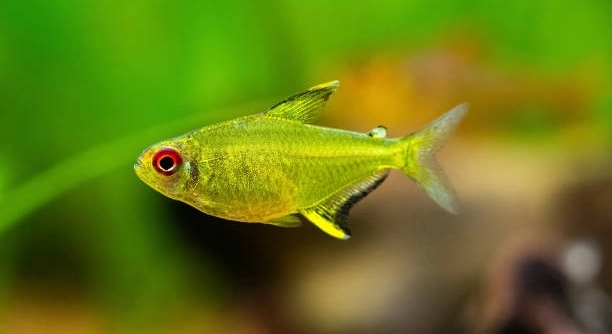
Do you love keeping freshwater aquariums but find yourself unsure about what is true regarding lemon tetras? These small, colorful fish are popular, yet many common beliefs about their care and behavior are misleading.
Lemon tetras are often misunderstood due to widespread myths regarding their social needs, diet, and tank requirements. Correcting these misconceptions ensures a healthier environment and supports their natural behaviors in captivity effectively.
Knowing the truth about lemon tetras can greatly improve their care and longevity. We will clarify these myths to help you provide the best habitat.
Myth 1: Lemon Tetras Can Live Alone
Many people assume lemon tetras are fine on their own, but this is far from the truth. These fish are naturally schooling species, meaning they feel safest and most comfortable in groups. Keeping a single lemon tetra can lead to stress, hiding, and reduced activity, which can negatively impact their health. They display their best colors and behaviors when part of a small school, ideally five or more. Social interaction is not just for comfort; it influences feeding habits, energy levels, and overall well-being. Inadequate companionship can make these fish shy, withdrawn, or prone to illness. Providing a proper group allows them to interact, swim together, and display their natural patterns. If you want your tank to feel lively and for your lemon tetras to thrive, maintaining a group is essential. Their natural instincts drive them toward schooling, making isolation detrimental and unnecessary.
Keeping at least five lemon tetras ensures they feel secure, active, and healthy in your tank.
Observing a well-maintained school is rewarding. Their synchronized swimming and playful interactions create a dynamic tank environment. A single fish will never demonstrate these behaviors, so planning for a group improves both the fish’s health and your viewing experience. Regular observation helps you notice subtle stress signals and ensures that all members of the school are thriving. Providing adequate numbers encourages natural feeding patterns, reduces aggression, and strengthens immune responses. Over time, the school becomes a stable, harmonious unit, enhancing the aquarium’s overall balance and visual appeal. This simple adjustment can transform your tank into a more vibrant and healthy environment.
Myth 2: Lemon Tetras Eat Anything
Some assume lemon tetras are not picky and will thrive on any type of fish food. While they do accept various foods, their diet requires balance to maintain health and coloration. Relying solely on flake food can lead to nutritional deficiencies and dull colors. A mix of high-quality flakes, micro-pellets, and occasional live or frozen foods like daphnia or brine shrimp supports their growth and energy. Variety is key to replicating their natural feeding habits and keeping them active. Feeding too much can cause water quality issues, while feeding too little reduces vitality. By offering balanced meals, you encourage strong immune systems and vibrant colors, ensuring your lemon tetras remain lively and visually striking in the tank. Proper nutrition also supports breeding and overall longevity.
Balanced feeding encourages health, energy, and longevity in your lemon tetras.
Providing a varied diet is straightforward but essential. High-quality flakes or pellets should form the staple, supplemented with occasional live or frozen foods. Rotating protein sources replicates their natural habits, prevents boredom, and strengthens immune function. Monitoring portions prevents water pollution while ensuring all fish receive adequate nutrition. Over time, you will notice brighter coloration and more active swimming behaviors. This approach is simple, practical, and significantly enhances the overall well-being of your lemon tetras. Consistent attention to diet reduces common health problems and keeps the school thriving, creating a more harmonious tank environment.
Myth 3: Lemon Tetras Do Not Need Plants
Plants are not just decoration; they create hiding spaces and reduce stress for lemon tetras. Bare tanks leave them exposed and anxious. Live plants improve water quality, provide shelter, and allow natural behaviors like exploring and grazing. A planted tank supports a healthier, more active school.
Including live plants like Java fern, Anubias, or floating species helps mimic natural habitats. Lemon tetras use plants to feel secure, hide when stressed, and establish territories within the school. Plants also reduce aggressive behaviors by breaking sightlines and providing refuge. Additionally, they contribute to water quality by absorbing nitrates, which helps maintain a stable environment. Without plants, fish may hide excessively or become lethargic, which affects feeding and overall health. Integrating a variety of plants creates a dynamic, balanced ecosystem in the tank while keeping lemon tetras engaged and thriving.
A planted tank encourages activity and natural behaviors. Lemon tetras interact with the plants, swim through foliage, and exhibit more vibrant colors. Plants also reduce stress, which directly impacts their immune system and longevity. Over time, you notice healthier, more confident fish that explore freely. Providing structured hiding spaces supports social dynamics within the school, allowing dominant and timid individuals to coexist without constant conflict. Live plants are a practical, low-maintenance way to replicate natural conditions while keeping the tank visually appealing. Their presence benefits both the fish and the aquarium ecosystem, making the environment more balanced and enjoyable.
Myth 4: Lemon Tetras Can Live in Any Water
Lemon tetras thrive in soft, slightly acidic water. Hard or alkaline water can stress them and reduce lifespan. Maintaining stable water parameters is critical for health and coloration. Regular testing and gradual adjustments prevent sudden changes that harm the fish.
Water stability supports immune function and stress reduction. Sudden pH or hardness fluctuations can trigger illness and lethargy. Lemon tetras originate from tropical South American waters with gentle currents, soft substrates, and mild acidity. Replicating these conditions helps them display natural behaviors and enhances breeding potential. Using a reliable test kit and adjusting water gradually ensures a safe environment. Tank size, filtration, and routine water changes contribute to maintaining ideal parameters. Avoiding tap water with extreme hardness or chemicals protects delicate systems. Over time, properly conditioned water promotes longevity, vibrant coloration, and active schooling behaviors, which are key indicators of health.
Proper water conditions require attention but are manageable. Soft, slightly acidic water with minimal fluctuations prevents stress and disease. Gradual adjustments during water changes and careful monitoring ensure stability. Filtration systems and regular testing maintain balance, while partial water changes remove toxins without shocking the fish. Tank decorations, plants, and substrates also influence water chemistry, so choosing compatible materials is important. Over time, consistent care leads to active, colorful, and healthy lemon tetras. Understanding their water needs simplifies maintenance and supports a thriving, stable aquarium environment.
Myth 5: Lemon Tetras Are Always Peaceful
Lemon tetras are generally peaceful, but stress or overcrowding can trigger aggression. Territorial disputes may arise in small tanks or when hiding spaces are limited. Observing their behavior and providing enough space keeps the school calm and balanced.
A properly sized tank with plants and decorations reduces conflict. Lemon tetras naturally establish small social hierarchies within a school, but space prevents constant chasing. Overcrowding or poor tank setup can escalate stress, causing nipping or bullying. Maintaining a well-structured environment ensures they remain social, active, and visually appealing, while protecting weaker or smaller individuals.
Myth 6: Lemon Tetras Do Not Breed Easily
Breeding lemon tetras requires soft, slightly acidic water and a calm environment. Spawning is more successful with dense plant coverage for egg-laying and protection. Proper conditioning with live or high-quality foods encourages readiness.
Myth 7: Lemon Tetras Don’t Need Regular Tank Maintenance
Regular tank maintenance is essential for lemon tetras. Partial water changes, cleaning substrate, and monitoring parameters prevent disease. Neglecting upkeep leads to poor water quality, stressing the fish and reducing lifespan.
How many lemon tetras should I keep together?
Lemon tetras are schooling fish, so they need to be in groups to feel secure. A minimum of five is recommended, but larger groups of eight to ten are ideal. Keeping them in a proper school reduces stress, encourages natural behaviors, and keeps the tank lively and balanced.
What water parameters are best for lemon tetras?
They prefer soft water with a slightly acidic pH, typically between 6.0 and 7.0. Water hardness should remain low to moderate, and temperature should be maintained between 72°F and 78°F. Sudden fluctuations in pH or temperature can stress the fish and lead to health issues. Regular testing helps maintain stability.
Do lemon tetras eat live food?
Yes, they enjoy live food like daphnia, brine shrimp, or micro-worms. Live foods supplement their diet and provide protein, which encourages vibrant colors and active behavior. Feeding live food a few times a week alongside high-quality flakes or pellets ensures a balanced diet.
Can lemon tetras live with other fish?
They are generally peaceful and compatible with other small, non-aggressive fish. Avoid large or aggressive tank mates that may bully or eat them. Community tanks with species like guppies, rasboras, or small catfish usually work well, as long as there is enough space and hiding areas.
How often should I feed lemon tetras?
Feeding two to three small meals daily is ideal. Overfeeding can foul the water and cause health problems, while underfeeding reduces vitality. Observe how quickly they consume food, and remove any uneaten portions to maintain water quality. Variety in diet keeps them healthy and colorful.
Do lemon tetras need a heater?
A heater is recommended because they thrive in stable, tropical temperatures. Sudden drops in temperature can weaken their immune system. Maintaining water between 72°F and 78°F creates a comfortable environment, reduces stress, and supports normal activity levels and breeding behaviors.
Can lemon tetras breed in a home aquarium?
Yes, breeding is possible with the right conditions. Soft, slightly acidic water, a well-planted tank, and calm surroundings encourage spawning. Conditioning them with live or high-quality foods increases the chances of successful breeding. Eggs should be protected from adults to prevent eating.
What tank size is suitable for lemon tetras?
A minimum 20-gallon tank is recommended for a small school. Larger tanks are better for bigger groups or community setups. More space reduces stress, allows for natural schooling behavior, and helps maintain stable water parameters. Proper filtration is also important to keep water clean and safe.
Do lemon tetras need special lighting?
Normal aquarium lighting is sufficient. While they do not require intense lighting, a regular day-night cycle helps maintain natural behaviors. Lighting also enhances their yellow coloration. Floating plants can provide shaded areas for comfort without affecting light exposure significantly.
How can I tell if my lemon tetras are stressed?
Signs of stress include hiding excessively, faded colors, reduced activity, or loss of appetite. Stress can result from poor water conditions, overcrowding, aggressive tank mates, or sudden environmental changes. Monitoring behavior regularly and addressing issues promptly helps keep them healthy.
Are lemon tetras sensitive to water changes?
Yes, sudden large water changes can shock them. Partial water changes of 20-25% weekly are safer and help maintain water quality. Always match temperature, pH, and hardness to existing tank conditions to prevent stress and avoid sudden changes that could harm the fish.
Do lemon tetras require a specific substrate?
They are not highly picky, but a dark substrate often helps their colors stand out and reduces stress. Smooth gravel or sand is ideal, and avoid sharp edges that could injure their fins. Plants can be rooted in the substrate, providing shelter and enhancing the tank environment.
Can lemon tetras tolerate slightly harder water?
They can tolerate moderately harder water if acclimated slowly, but long-term exposure to very hard or alkaline water can reduce their lifespan and affect coloration. Gradual adjustments during water changes are essential if using tap water with higher hardness.
How long do lemon tetras live?
With proper care, lemon tetras typically live between 4 to 6 years. Maintaining stable water parameters, a balanced diet, adequate schooling, and regular tank maintenance maximizes their lifespan. Stress reduction through proper tank setup plays a significant role in longevity.
Are there common diseases I should watch for?
Yes, lemon tetras can be prone to fin rot, ich, and bacterial infections if water quality is poor. Symptoms include frayed fins, white spots, or lethargy. Quarantining new fish, maintaining clean water, and prompt treatment of illnesses are essential to keep the school healthy.
Can lemon tetras live in a planted tank only?
They thrive in planted tanks, which provide hiding spaces, reduce stress, and improve water quality. Dense vegetation supports natural behaviors and breeding. A mix of foreground, midground, and floating plants allows free swimming while offering shelter and enrichment for the fish.
Do lemon tetras require special filtration?
Standard aquarium filtration is sufficient, but it should provide gentle water flow. Strong currents can stress them. Regular filter maintenance is crucial to maintain water quality. Combining mechanical, chemical, and biological filtration ensures a clean, balanced environment for the school.
Is it okay to mix lemon tetras with aggressive fish?
No, aggressive fish can harm or stress them. Stick to small, peaceful species to maintain harmony. Providing hiding spaces and enough swimming room further reduces potential conflicts, ensuring the school remains active and stress-free.
Can lemon tetras live in cold water?
No, they are tropical fish and cannot tolerate cold water. Temperatures below 70°F can weaken their immune system and increase susceptibility to disease. Maintaining a stable, warm environment with a heater is essential for their health and survival.
How can I improve their coloration?
Balanced nutrition with high-quality flakes, pellets, and occasional live or frozen foods enhances color. Stress reduction, proper water parameters, and a well-planted tank also contribute to brighter yellow tones. Healthy, active fish naturally display the best colors.
Do lemon tetras need a specific pH for breeding?
Yes, slightly acidic water around 6.0-6.5 supports spawning and egg development. Maintaining consistent pH helps eggs hatch successfully and ensures fry survival. Gradual adjustments prevent stress to both adults and offspring.
Can lemon tetras live without hiding spots?
They can survive, but lack of hiding places increases stress and reduces activity. Plants, decorations, and floating cover help them feel secure and display natural schooling behaviors. A well-structured environment improves health, behavior, and coloration over time.
Are lemon tetras compatible with shrimp or snails?
Yes, peaceful invertebrates like shrimp or snails generally coexist without issues. They can add variety to the tank ecosystem without harming lemon tetras. Care should be taken with small shrimp species if the tetras are actively feeding, as tiny shrimp may be eaten.
Is water temperature more important than pH for lemon tetras?
Both are important, but temperature stability directly affects metabolism, activity, and immune function. pH influences long-term health, but sudden temperature changes have immediate negative effects. Maintaining both within recommended ranges is necessary for thriving fish.
How do I acclimate new lemon tetras?
Float the bag in the tank for 15-20 minutes to equalize temperature. Gradually mix small amounts of tank water over 30-60 minutes before releasing them. This reduces stress and helps them adjust safely to new water conditions.
Can lemon tetras live in a bare-bottom tank?
Yes, they can, but lack of plants and substrate reduces hiding spaces and natural behaviors. Stress levels may increase, and colors may fade. Adding décor, plants, or floating cover improves their environment and encourages active schooling.
How often should I test the water?
Weekly testing is recommended to monitor pH, hardness, ammonia, nitrite, and nitrate levels. Regular checks prevent problems before they affect the fish. Adjustments can be made gradually to maintain a stable, healthy environment for the school.
What is the best way to treat ich in lemon tetras?
Raise the water temperature slightly and treat with appropriate aquarium medication. Isolate affected fish if possible, and ensure excellent water quality. Prompt treatment prevents spread and reduces stress on the healthy members of the school.
Are lemon tetras good for beginner fishkeepers?
Yes, they are hardy and adaptable with proper care. Attention to water quality, schooling requirements, and diet makes them manageable for beginners. They are forgiving of minor mistakes if the tank is stable and properly maintained.
Do lemon tetras need frequent water changes?
Regular partial water changes, typically 20-25% weekly, are essential. They remove waste, reduce toxins, and maintain stable conditions. Neglecting changes increases stress, disease risk, and reduces coloration and activity. Consistency is key for long-term health.
Can lemon tetras tolerate slightly salty water?
A very small amount of aquarium salt may help with minor illness, but regular salt is unnecessary. Lemon tetras are freshwater fish, and higher salinity can stress or harm them over time. Freshwater conditions are always preferred.
Do lemon tetras interact with each other often?
Yes, schooling behavior is constant. They swim together, follow one another, and communicate through movement. Social interaction keeps them active, reduces stress, and strengthens natural instincts. Isolated individuals may become shy and less colorful.
Can I keep lemon tetras in a nano tank?
Small tanks under 10 gallons are not ideal. Lemon tetras need space to school and stable water conditions. Smaller tanks make it difficult to maintain water quality and social structures, so a larger setup is recommended for healthy fish.
How can I prevent fin rot?
Maintain clean water, avoid aggressive tank mates, and feed a balanced diet. Promptly treat any minor injuries and monitor for infection. Proper tank hygiene and water parameters are the most effective preventive measures.
Are lemon tetras active at night?
They are primarily diurnal and less active in darkness. They rest at night but may still move slightly. Providing a natural day-night cycle supports normal behavior and reduces stress.
Do lemon tetras need a varied diet?
Yes, variety improves health, coloration, and activity. A mix of flakes, pellets, and occasional live or frozen foods replicates natural feeding habits and prevents nutrient deficiencies. Consistency with variety keeps the school thriving.
Can lemon tetras live with bettas?
It depends on the betta’s temperament. Aggressive or territorial bettas may harass or harm lemon tetras. Peaceful or well-established community bettas might coexist, but careful monitoring and plenty of hiding spaces are necessary to ensure safety.
Do lemon tetras need soft water for life?
While they can tolerate slightly harder water, soft, slightly acidic water best supports natural behaviors, breeding, and coloration. Gradual acclimation is necessary if water hardness differs from their ideal range.
Are lemon tetras prone to disease?
They are hardy but susceptible to common freshwater illnesses if water quality declines. Maintaining clean, stable conditions and a balanced diet reduces the risk. Quick intervention at first signs of illness is important.
Can lemon tetras live in a tank with fluctuating temperatures?
No, sudden temperature changes cause stress and weaken immunity. Stable water conditions are essential for health, coloration, and longevity. A heater with a thermostat ensures consistent temperatures.
Do lemon tetras need aeration?
Good water movement is sufficient, but additional aeration can help oxygenate water in densely stocked tanks. They thrive in well-oxygenated environments, but strong currents should be avoided.
Are lemon tetras compatible with goldfish?
No, goldfish are larger, produce more waste, and have different temperature requirements. Combining them with lemon tetras can lead to stress, poor water quality, and potential harm to the smaller fish.
Can lemon tetras live in a tank without a lid?
They are small and unlikely to jump, but a lid helps maintain stable water conditions, prevent evaporation, and protect from curious pets or accidents. A secure cover is recommended for safety and stability.
Do lemon tetras need a large school to be happy?
A group of five is the minimum, but larger schools of eight to ten encourage natural behaviors, reduce stress, and enhance visual appeal. Adequate schooling ensures active, confident, and colorful fish in the tank.
How do I introduce new lemon tetras to an established tank?
Acclimate them slowly by floating the bag and gradually adding tank water. Rearrange decorations to disrupt established territories and reduce aggression. Monitor interactions closely to ensure a smooth integration with minimal stress.
Can lemon tetras live with corydoras?
Yes, corydoras are bottom dwellers and peaceful, making them compatible tank mates. They occupy different areas of the tank, reducing competition and creating a balanced community environment.
Do lemon tetras need live plants to breed?
Yes, dense live plants provide surfaces for eggs and shelter for fry. Without plants, breeding success is limited, as eggs may be eaten and fry are more vulnerable. Plant coverage increases survival rates.
Can lemon tetras tolerate moderate water flow?
They prefer gentle water movement. Moderate flow is acceptable if it does not create strong currents that stress them. Placement of plants and decorations can help reduce excessive water movement.
Do lemon tetras require a quarantine tank?
Quarantining new fish prevents introducing diseases to the main tank. A separate tank allows observation, treatment if necessary, and safer integration. This practice supports overall school health and stability.
How often should I clean the substrate?
Cleaning once every two to three weeks is sufficient unless waste accumulates quickly. Gentle vacuuming prevents disturbing beneficial bacteria while removing debris. Over-cleaning can harm the tank ecosystem.
Can lemon tetras live in a tank with floating plants only?
Yes, but additional midground or rooted plants provide hiding spaces, reduce stress, and encourage natural exploration. A mix of plant types is ideal for a balanced environment.
Do lemon tetras need a specific feeding schedule?
Regular feeding two to three times daily is ideal. Small portions prevent overfeeding, maintain water quality, and keep fish active. Observing appetite helps adjust amounts appropriately.
Can lemon tetras live with African dwarf frogs?
Yes, they generally coexist peacefully. Frogs occupy different levels of the tank and do not compete aggressively, creating a harmonious setup when space and hiding areas are adequate.
Are lemon tetras sensitive to chlorine?
Yes, tap water must be treated to remove chlorine or chloramines. Untreated water can damage gills, stress fish, and increase susceptibility to disease. Water conditioners are essential before introducing new water.
Do lemon tetras need special supplements?
A balanced diet usually meets their nutritional needs. Occasional vitamin supplements are optional, but quality food and proper water conditions provide sufficient support for health, coloration, and activity.
Can lemon tetras tolerate temporary overcrowding?
Short-term overcrowding is stressful but manageable if water quality is maintained. Long-term overcrowding increases aggression, disease risk, and stunted growth. Proper stocking levels are always recommended.
Do lemon tetras recognize their owners?
They respond to movement and feeding routines, showing awareness rather than recognition. Regular care builds familiarity, encouraging confident behavior during feeding and tank maintenance.
Can lemon tetras live in a tank without a filter?
They can survive for short periods, but filtration is necessary for stable water quality. A filter removes waste, maintains oxygen levels, and reduces stress, supporting health and longevity.
Do lemon tetras need a specific light cycle?
A consistent day-night cycle of about 10-12 hours of light promotes normal behavior, reduces stress, and enhances coloration. Complete darkness at night allows rest.
Are lemon tetras sensitive to ammonia?
Yes, ammonia is toxic. Levels must remain near zero. Regular testing, partial water changes, and proper filtration prevent buildup and protect fish health.
Can lemon tetras live with other tetras?
Yes, other peaceful tetras are compatible. Mixing species can create a diverse, active tank, but maintain schooling numbers for each species to avoid stress and territorial disputes.
Do lemon tetras need a specific type of aquarium cover?
A simple lid is sufficient. It prevents evaporation, protects from external disturbances, and maintains water stability. Secure covers also reduce accidents and stress from pets or drafts.
Can lemon tetras tolerate low oxygen levels?
No, they require well-oxygenated water. Poor aeration leads to stress, lethargy, and increased disease susceptibility. Gentle water movement and plants help maintain oxygen levels naturally.
How do I treat fin rot in lemon tetras?
Maintain clean water, remove stress factors, and use appropriate antibacterial medication. Isolate severely affected fish if necessary. Early treatment prevents further damage and protects the rest of the school.
Can lemon tetras live with snails only?
Yes, snails are peaceful and do not interfere with tetras. They help clean leftover food, contribute to tank maintenance, and coexist without stress.
Are lemon tetras sensitive to temperature swings?
Yes, sudden changes can weaken immunity, reduce appetite, and cause stress. A stable heater ensures proper temperature, supporting health and natural behavior.
Do lemon tetras need a specific tank shape?
No, a rectangular tank with enough horizontal swimming space is preferred. Height is less important, but sufficient length allows schooling and natural movement.
Can lemon tetras live in filtered tap water?
Yes, as long as the water is treated to remove chlorine, chloramines, and heavy metals. Filtration helps maintain quality, while conditioners ensure safety.
Do lemon tetras need constant monitoring?
Regular observation is important to detect stress, illness, or water issues. Daily checks help maintain tank health, ensure schooling behavior, and support overall well-being.
Can lemon tetras live with other schooling fish?
Yes, compatible schooling species like rasboras or small tetras coexist well. Ensure groups are large enough to maintain social stability and reduce stress.
Are lemon tetras picky about tank décor?
They are adaptable but benefit from plants, hiding spaces, and gentle substrates. A well-structured environment supports natural behavior, reduces stress, and enhances visual appeal.
Do lemon tetras need specific water circulation?
Gentle water flow is sufficient. Strong currents can stress them. Moderate filtration or plant placement can help regulate flow without disturbing schooling behavior.
Can lemon tetras tolerate fluctuating pH?
No, sudden pH changes are stressful and can cause illness. Gradual adjustments and stable conditions are essential for health, coloration, and longevity.
Do lemon tetras require special care during winter?
If kept in a heated aquarium, no additional winter care is needed. Ensure consistent temperature, clean water, and regular feeding throughout the season.
Can lemon tetras live in brackish water?
No, they are strictly freshwater fish. Brackish conditions can
Lemon tetras are small, colorful freshwater fish that bring life and movement to any tank. They are often misunderstood due to myths about their behavior, diet, and care requirements. Understanding their natural needs helps maintain a healthy, vibrant school in captivity. These fish thrive in groups, requiring at least five to feel secure and exhibit natural behaviors. A solitary lemon tetra can become stressed, withdrawn, or more prone to illness. Social interaction is essential, as it encourages active swimming, natural feeding habits, and strong immune systems. Observing a group of lemon tetras together shows their synchronized movements and playful interactions, which contribute to a balanced and engaging tank environment.
Proper water conditions are critical to their health and longevity. Lemon tetras prefer soft, slightly acidic water with stable temperatures between 72°F and 78°F. Sudden fluctuations in pH or temperature can cause stress, weaken the immune system, and increase susceptibility to disease. Regular testing and gradual adjustments are necessary to maintain ideal conditions. Filtration, partial water changes, and careful monitoring of water chemistry support a stable environment. Adding live plants and appropriate substrate not only enhances aesthetics but also provides hiding spaces, reduces stress, and supports natural behaviors. Plants help mimic their native habitat, creating areas for exploration and protection, while also improving water quality by absorbing nitrates.
Diet and feeding practices play a major role in keeping lemon tetras healthy. They require a balanced diet of high-quality flakes, pellets, and occasional live or frozen foods such as daphnia or brine shrimp. Variety in their diet encourages growth, vibrant coloration, and active behavior. Overfeeding can lead to water quality problems, while underfeeding reduces vitality. Proper nutrition also supports breeding potential and overall longevity. Maintaining a clean tank, stable water parameters, and appropriate diet ensures lemon tetras remain lively and healthy. With consistent care, they can live four to six years or more, displaying their natural beauty and playful schooling behaviors in a well-maintained environment.

Hello,
If you enjoy the content that we create, please consider saying a "Thank You!" by leaving a tip.
Every little bit helps us continue crafting quality advice that supports the health, happiness, and well-being of pets around the world, for pets of all shapes, sizes, and species.
We really appreciate the kindness and support that you show us!