
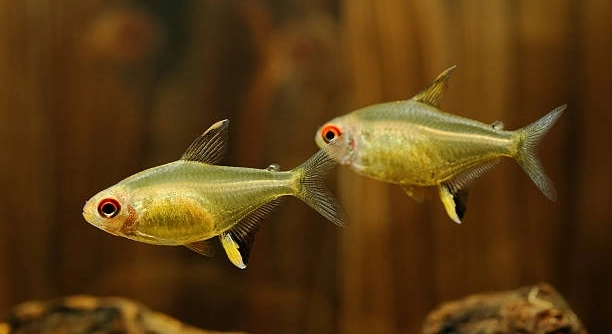
Do you ever notice your lemon tetra suddenly looking pale overnight, leaving you wondering if something is wrong? Many fish owners experience this surprising change, which can be unsettling when your vibrant pet loses its usual glow.
The most common reason a lemon tetra loses color overnight is stress caused by changes in water quality, lighting, or tank conditions. Stress triggers pigment loss as the fish’s body reacts to environmental discomfort and potential threats.
Understanding what causes this color change is important for keeping your tetra healthy and maintaining a stable, comfortable aquarium environment.
Common Causes of Color Loss in Lemon Tetras
Lemon tetras are sensitive to changes in their environment, and several factors can affect their coloration. Poor water quality is one of the main issues. High levels of ammonia, nitrites, or nitrates can stress fish and lead to dull colors. Sudden changes in temperature or pH can also cause stress, prompting your tetra to lose its bright yellow hue. Overcrowding in the tank can increase stress levels as well, since tetras need space to swim freely. Even inadequate lighting or a lack of hiding spots can affect their comfort and health. Sometimes, illness or parasites may also be responsible. Observing your tetra’s behavior alongside the color change can provide clues. Fish that hide frequently, stop eating, or swim erratically may need extra attention. Regular maintenance, such as partial water changes and monitoring water parameters, can prevent many of these issues and help your fish regain its natural brightness.
Stress in tetras can arise quickly, often triggered by minor changes in their tank or routine.
Paying close attention to water conditions, tank setup, and social interactions is key to maintaining healthy coloration in lemon tetras. Consistency in care helps reduce stress and supports natural pigmentation.
How to Restore Color in Lemon Tetras
Improving water quality and stabilizing the environment are the first steps to restoring your tetra’s color. Regular water changes, testing for ammonia and nitrites, and maintaining a stable temperature can help reduce stress. Providing hiding spots like plants or decorations allows fish to feel secure and regain confidence. Adjusting lighting to mimic natural day and night cycles can also improve coloration. Feeding a balanced diet with high-quality flakes or pellets rich in carotenoids supports pigment recovery. Avoid overfeeding, as excess food can worsen water quality. Observing the tank’s social dynamics is important; aggressive tankmates may force your tetra to hide, causing stress-related fading. Patience is necessary, as full color recovery may take days or weeks depending on the severity of stress. Maintaining a calm and consistent environment is essential to prevent further color loss and support your lemon tetra’s overall well-being.
Consistency in care and observation helps prevent recurring color changes in your fish.
Tank Environment Adjustments
Small changes in the tank can make a big difference in your tetra’s color. Adjusting lighting, adding plants, and creating hiding spots help reduce stress and make the fish feel secure.
Temperature consistency is vital for lemon tetras. Sudden fluctuations can weaken their immune system and cause color fading. Using a reliable heater and monitoring daily ensures stability. Plants not only provide hiding spots but also improve water quality by absorbing nitrates. Proper filtration and moderate water flow prevent discomfort and allow fish to swim naturally. Avoid overcrowding, as tetras need space to thrive, and ensure the tank mates are peaceful. Even small environmental improvements can gradually restore the bright yellow color of your fish.
Water changes are essential for maintaining a healthy tank. Replacing 20–30% of water weekly helps remove toxins, reduces stress, and supports overall health. Regular testing ensures the conditions remain stable.
Diet and Nutrition
A high-quality diet directly affects your tetra’s coloration. Foods rich in carotenoids, such as certain flakes or frozen options, help enhance yellow and orange pigments.
Feeding frequency matters as well. Offering small portions twice a day prevents overfeeding, which can pollute the tank and stress fish. Variety is important—mix flakes, pellets, and occasional frozen foods to provide balanced nutrition. Avoid low-quality fillers, as they do not support pigment health. Some natural foods, like spinach or bloodworms, can subtly improve color over time. Consistency in feeding and maintaining a nutrient-rich diet ensures your lemon tetra develops strong, vibrant coloration.
Supplements can support color recovery, but they should complement a balanced diet rather than replace it. Proper nutrition combined with a stable environment allows your tetra to regain its bright, healthy appearance.
Stress Reduction Techniques
Minimizing stress in your lemon tetra helps maintain vibrant coloration. Avoid sudden movements around the tank and keep a consistent feeding schedule to create a calm environment.
Adding plants, decorations, and hiding spots provides security. Peaceful tank mates also reduce tension, allowing fish to swim confidently and display natural colors.
Monitoring Water Quality
Regularly checking water parameters is essential for your tetra’s health. Ammonia, nitrite, and nitrate levels should remain low, while pH and temperature stay stable. Sudden spikes or drops can stress fish and cause color loss. Maintaining consistent conditions ensures long-term vibrancy and well-being.
Common Tankmate Interactions
Aggressive or overly active fish can intimidate lemon tetras, leading to fading colors. Choosing compatible species and observing interactions helps maintain a peaceful tank.
Why is my lemon tetra suddenly losing color?
Color loss in lemon tetras usually happens because of stress, poor water quality, or changes in the tank environment. Sudden temperature shifts, improper pH, or high ammonia and nitrite levels can weaken their immune system and make their colors fade quickly. Overcrowding or aggressive tankmates can also stress them. When stressed, tetras retract pigments in their skin, resulting in a paler appearance. Observing behavior alongside color changes helps determine whether it’s environmental stress or a health issue. Consistent water conditions, proper tank size, and peaceful companions are key to preventing sudden fading.
Can diet affect the color of my lemon tetra?
Yes, diet plays a major role in maintaining bright coloration. Foods rich in carotenoids, such as high-quality flakes, pellets, or frozen options like brine shrimp, can enhance yellow and orange pigments naturally. Feeding a varied diet ensures your tetra receives all necessary nutrients for healthy pigmentation. Overfeeding should be avoided because leftover food can spoil water quality, causing stress that dulls color. Providing small, regular portions twice daily supports both health and appearance. Even occasional natural foods like spinach, daphnia, or bloodworms can subtly improve pigment over time. Consistency in nutrition is crucial to maintaining vibrant coloration.
How long does it take for a lemon tetra to regain color?
The recovery period varies depending on the underlying cause and the level of stress. If fading is due to minor environmental stress, color may return within a few days after correcting water conditions or stabilizing temperature. Recovery from chronic stress, illness, or long-term poor water quality can take weeks. Full recovery also depends on proper diet and tank setup. Providing hiding spots, a calm environment, and high-quality food speeds up pigment restoration. Patience is important, as color may gradually return rather than instantly. Regular observation helps track progress and ensures your tetra is responding to changes.
Can illness cause color loss in lemon tetras?
Yes, disease or parasites can lead to fading colors. Common illnesses include bacterial infections, fungal infections, and external parasites. Infected fish may show other signs like clamped fins, lethargy, rapid breathing, or loss of appetite. Early detection is important to prevent worsening conditions. Quarantining sick fish, treating water, and using appropriate medications can help. Even mild infections can affect coloration temporarily. Maintaining a clean tank and stable water conditions reduces the risk of illness and supports natural pigmentation. Observing fish behavior alongside color helps differentiate between stress and disease.
Is lighting important for maintaining color?
Proper lighting enhances natural coloration but also affects behavior and health. Too much light can stress fish, causing pale colors, while too little light can prevent pigments from fully developing. A balanced day-night cycle with moderate lighting mimics natural conditions and supports vibrant coloration. LED lights or full-spectrum aquarium lights work well. Providing shaded areas or floating plants allows fish to adjust exposure. Consistency in lighting helps reduce stress and maintains natural activity patterns. Lighting alone won’t restore lost color but works best in combination with good water quality, diet, and a peaceful environment.
Do tankmates affect my lemon tetra’s color?
Aggressive or fast-moving tankmates can intimidate lemon tetras, causing stress-related color loss. Peaceful, similarly sized fish are better companions, allowing tetras to swim freely and feel secure. Avoid overstocking, as crowding increases competition for food and space, leading to stress. Observing interactions regularly ensures harmony in the tank. Rearranging decorations or adding hiding spots can reduce tension. Tetras often regain color when they feel safe and have areas to retreat from more dominant fish. Proper tankmate selection and maintaining a calm environment are critical for long-term health and coloration.
How can I prevent my lemon tetra from losing color again?
Preventing color loss involves a combination of stable water conditions, proper diet, stress reduction, and monitoring tank interactions. Regular water tests, partial changes, and a balanced diet rich in pigments support health. Avoid sudden environmental changes, maintain a proper tank size, and ensure compatible tankmates. Consistency in care prevents recurring stress that causes fading. Creating a calm, comfortable habitat with plants and decorations helps tetras feel secure. Regular observation allows early detection of problems before they affect coloration. A proactive approach ensures lemon tetras remain bright, healthy, and vibrant over time.
Can stress alone cause permanent color loss?
Stress usually causes temporary fading, but chronic or severe stress can lead to long-term dullness if not addressed. Prolonged exposure to poor water conditions, bullying from tankmates, or frequent environmental changes can weaken immune function and reduce natural pigmentation. Correcting the causes early and providing a stable, healthy environment usually restores color over time. Preventing recurring stress is key, as repeated episodes may make the fish slower to regain brightness. Regular care, proper diet, and monitoring behavior help maintain healthy, vibrant coloration and overall well-being.
What signs indicate color loss is due to health problems rather than stress?
If fading is accompanied by lethargy, loss of appetite, clamped fins, or abnormal swimming patterns, it may indicate disease rather than stress. External signs like white spots, sores, or discoloration patches also suggest illness. Stress alone usually causes fading without additional behavioral changes. Observing both physical and behavioral cues helps determine the cause. Early intervention is important to treat illness and restore natural color. Maintaining a clean tank, stable water parameters, and a nutrient-rich diet supports recovery from both stress-related and health-related color loss.
Are there supplements that can improve lemon tetra coloration?
Yes, color-enhancing supplements containing carotenoids or natural pigments can help restore yellow and orange hues. These supplements should complement a balanced diet rather than replace high-quality foods. Overuse should be avoided, as it does not replace proper care and water conditions. Combining supplements with a stable environment and varied nutrition produces the best results for healthy, vibrant coloration over time.
Maintaining the bright, natural color of a lemon tetra requires attention to several key aspects of care. These fish are sensitive to changes in their environment, and even small fluctuations in water quality, temperature, or lighting can lead to stress, which often shows as fading color. Keeping water parameters stable is essential. Regularly testing for ammonia, nitrites, and nitrates, along with monitoring pH and temperature, ensures a healthy environment. Partial water changes should be performed consistently to remove waste and maintain clean water. A stable environment reduces stress and allows your tetra’s natural pigmentation to remain vibrant. Even small adjustments, such as adding plants or decorations to provide hiding spaces, can make a noticeable difference in how secure and comfortable your fish feels.
Diet also plays a major role in color retention and recovery. Feeding a variety of high-quality flakes, pellets, and occasional frozen foods ensures your lemon tetra receives the nutrients it needs to maintain bright yellow and orange pigments. Foods rich in carotenoids, in particular, help enhance coloration naturally. Overfeeding or low-quality diets can negatively affect both water quality and pigmentation. Offering small, regular portions twice a day helps prevent uneaten food from polluting the tank while providing consistent nutrition. Some natural foods, like daphnia or spinach, can also support color over time. When combined with proper tank conditions, a balanced diet encourages your tetra to regain and maintain healthy coloration, supporting both its appearance and overall well-being.
Stress management and careful observation are equally important. Aggressive tankmates, overcrowding, or sudden environmental changes can all cause stress, leading to temporary or prolonged color loss. Observing your fish for signs of distress, such as hiding, rapid breathing, or loss of appetite, helps identify potential issues early. Creating a calm and stable environment, maintaining a peaceful tank community, and monitoring daily behaviors can prevent repeated episodes of stress-related fading. Recovery may take several days to weeks, depending on the cause and severity, so patience is necessary. By focusing on water quality, nutrition, and stress reduction, you can ensure your lemon tetra remains bright, healthy, and active, allowing you to enjoy its natural vibrancy over the long term.

Hello,
If you enjoy the content that we create, please consider saying a "Thank You!" by leaving a tip.
Every little bit helps us continue crafting quality advice that supports the health, happiness, and well-being of pets around the world, for pets of all shapes, sizes, and species.
We really appreciate the kindness and support that you show us!