
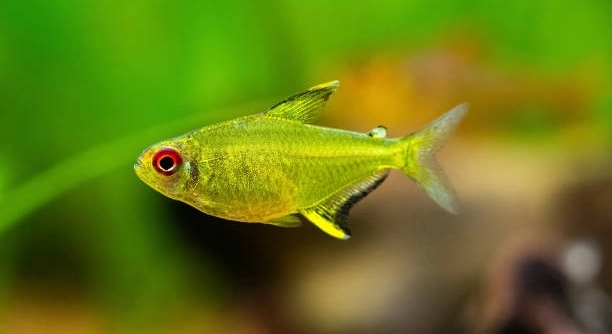
Do you ever notice your lemon tetras swimming calmly in your aquarium and wonder how they spend their quiet hours at night? These small, bright fish have gentle personalities that make them a favorite among hobbyists everywhere.
Lemon tetras are social fish and typically sleep in groups rather than alone. They seek the safety and comfort of their school, often clustering together near plants or decorations during nighttime hours. This behavior is instinctive and reduces stress.
Observing their sleeping patterns can reveal a lot about their comfort and health in your aquarium. Proper group care ensures they remain calm and thrive in their environment.
Why Lemon Tetras Prefer Group Sleeping
Lemon tetras are small fish that feel safest in numbers. Sleeping in groups is their natural behavior, inherited from the wild, where staying close reduces the chance of predators targeting them. In an aquarium, clustering together also helps them share warmth and maintain a sense of security. Observing them at night, you may notice them huddling near plants, rocks, or other hiding spots. This behavior isn’t random—it’s part of their instincts. Fish that sleep alone can appear stressed or restless, which may affect their health over time. For a healthy aquarium, it’s important to keep lemon tetras in groups of at least six. This ensures they can interact normally, follow their sleep patterns, and feel comfortable in the environment. Providing plants or gentle decorations can encourage them to rest in safe spots without disturbance. Their nighttime behavior is subtle, but paying attention can improve overall care and reduce stress in your tank.
Sleeping together helps them feel safe and less stressed during the night.
Keeping lemon tetras in groups affects their daily activity. They become more confident swimming and exploring during the day when they feel secure at night. Fish that sleep in isolation may hide more often or act nervous near other species. A group of lemon tetras establishes a hierarchy, which guides interactions, feeding times, and even resting spots. This natural structure makes the aquarium calmer and easier to maintain. Watching them settle together each night is fascinating—they often line up, move slowly, and remain close to one another. As they grow, their group behavior may shift slightly, but they generally remain near the same companions. Ensuring proper lighting, stable water conditions, and enough space supports these routines. Decorations and plants help them mimic natural hiding places, allowing restful sleep while still feeling secure. The sense of community among lemon tetras is a key part of keeping them healthy, active, and stress-free, making group sleeping a vital aspect of their care.
Signs of Lemon Tetras Sleeping Alone
Occasionally, a lemon tetra may separate from the group at night.
When a lemon tetra sleeps alone, it could signal stress or discomfort. Factors like water quality, tank size, or aggressive tank mates can push a fish to isolate. Observing their sleeping spots and daily behavior helps identify if something is wrong. Fish that isolate often remain still, tucked in corners or near the bottom, and may appear pale or sluggish. Changes in lighting or temperature can also trigger temporary isolation. Monitoring their routine and making small adjustments, such as adding plants or rearranging decorations, can encourage them to rejoin the group. Regular checks of water parameters, including pH, ammonia, and temperature, are essential to prevent stress-related issues. Ensuring compatibility with other tank species and providing sufficient space supports their natural sleep behavior. Helping lemon tetras feel secure at night not only encourages group sleeping but also strengthens their overall health, activity levels, and well-being.
How to Encourage Group Sleeping
Providing hiding spots helps lemon tetras feel secure at night. Plants, rocks, and gentle decorations give them safe areas to rest together.
Group sleeping improves when water conditions are stable. Lemon tetras thrive in temperatures between 72–79°F and prefer slightly acidic to neutral pH. Avoid sudden changes in lighting or temperature, as these can stress them and make them isolate. Regular tank maintenance, including water changes and filter checks, keeps the environment healthy. Ensuring enough space for at least six lemon tetras allows natural behavior to emerge. Adding soft lighting or floating plants can mimic natural conditions, encouraging clustering and calm nighttime rest. Observing them gradually huddling together shows they feel safe and comfortable.
Feeding routines also play a role in group behavior. Providing small meals at consistent times helps maintain a predictable environment. Lemon tetras that are well-fed and stress-free are more likely to sleep together. Overcrowding should be avoided, as it can force some fish to separate. A balanced diet with flakes, micro pellets, and occasional live foods supports overall health. Combined with secure resting spots, stable water, and compatible tank mates, these practices promote consistent group sleeping. Watching them settle together reinforces the importance of these measures for their daily well-being.
Common Mistakes to Avoid
Overcrowding and poor water quality disrupt group sleeping in lemon tetras.
Adding too many fish or neglecting tank maintenance can stress lemon tetras, making them sleep alone. Sudden changes in temperature, lighting, or pH can trigger isolation. Incompatible tank mates may also intimidate them, forcing separation at night. Stress from loud noises or vibrations may cause restlessness and disrupt normal sleep patterns. Monitoring fish behavior and maintaining a calm environment helps prevent these issues. Avoiding aggressive species and providing enough space and hiding spots ensures they feel secure. Consistent care routines allow lemon tetras to naturally cluster, reducing stress and promoting healthier behavior overall.
Ensuring proper tank setup is essential. Decorations should provide coverage without overcrowding swimming space. Regular water testing for ammonia, nitrate, and pH levels prevents harmful conditions. A steady feeding schedule reduces competition and encourages calm behavior. Avoiding drastic changes in lighting or temperature at night helps them remain comfortable. Even minor disturbances, like tapping the glass or sudden movements near the tank, can interfere with rest. Maintaining compatible tank mates and observing social interactions helps identify issues before they become serious. Together, these practices foster healthy, group sleeping behavior and contribute to their overall well-being.
Ideal Tank Setup for Group Sleeping
Lemon tetras need enough space to swim freely while having safe spots to rest. Plants, small caves, and gentle decorations give them comfort and encourage nighttime clustering.
Lighting should mimic natural day and night cycles. Soft, dim lights at night help them settle together and reduce stress.
Monitoring Their Sleep Patterns
Observing your lemon tetras at night reveals how comfortable they feel. Clustering together usually shows they are relaxed, while isolated fish may indicate stress or health issues. Keeping notes on their behavior helps identify changes early and ensures a healthy environment.
Feeding and Nighttime Behavior
Feeding small meals during the day ensures lemon tetras are not restless at night. Overfeeding or irregular schedules can disturb sleep patterns. A predictable feeding routine reduces stress and promotes natural group resting behavior.
Choosing Compatible Tank Mates
Selecting calm, non-aggressive species helps maintain group sleeping habits. Aggressive or overly active fish may scare lemon tetras, causing isolation or disrupted nighttime rest.
How many lemon tetras should I keep together for proper group sleeping?
Lemon tetras are social fish that feel safest in numbers. Keeping at least six individuals together allows them to cluster naturally at night. Smaller groups may make some fish feel insecure, leading to isolation or stress. Larger groups generally work well, but overcrowding can create competition for space and hiding spots.
Do lemon tetras need specific plants or decorations to sleep together?
While lemon tetras don’t require specific plants, providing soft, leafy plants and small hiding spots encourages clustering. Floating plants or low-light areas mimic their natural environment and give them a sense of security. Rocks or gentle decorations create additional resting spots. These additions help reduce stress and promote healthier group behavior.
Will lemon tetras sleep alone if they are stressed?
Yes, lemon tetras often isolate themselves when stressed. Poor water quality, sudden changes in lighting or temperature, or aggressive tank mates can trigger this behavior. Stress can make them appear lethargic, pale, or restless. Observing fish behavior carefully helps identify these problems early and allows for corrective action, such as improving water conditions or adjusting the tank setup.
How can I tell if my lemon tetras are sleeping well?
Healthy lemon tetras will cluster quietly at night, often near plants or decorations. Their movements slow, and they remain close to each other. Signs of disrupted sleep include isolating, excessive darting, or hiding in unusual places. Maintaining stable water parameters, proper lighting, and a calm environment encourages regular resting patterns.
Does tank size affect group sleeping?
Yes, tank size plays a major role in group behavior. A tank that is too small can create stress, making some fish isolate. A minimum of 20 gallons is recommended for a small school of six lemon tetras. More space allows them to establish natural swimming patterns while providing enough hiding spots for nighttime rest.
Can lighting influence lemon tetras’ sleep habits?
Lighting strongly affects their sleep. Lemon tetras respond to natural light cycles, so a gradual day-night cycle is best. Bright lights at night can prevent them from settling together. Using soft or dim lighting during nighttime hours helps them feel secure and maintain normal clustering behavior.
What should I do if one fish always sleeps alone?
If a fish consistently isolates itself, check water quality and tank conditions first. Look for signs of illness, aggression from other fish, or inadequate hiding spots. Adjusting the environment with plants, decorations, or rearranged spaces can encourage them to rejoin the group. In some cases, consulting a professional may be necessary to ensure the fish’s health.
Does diet affect their nighttime behavior?
Yes, feeding impacts sleep patterns. Lemon tetras that are overfed or underfed can become restless at night. Small, regular meals during the day help maintain calm behavior. Providing a balanced diet with flakes, micro pellets, and occasional live foods supports their overall health, ensuring they can sleep together comfortably.
How often should I monitor their sleeping habits?
Regular observation is important, ideally every few nights, to ensure all fish are resting together. Monitoring helps detect early signs of stress, illness, or behavioral changes. Noticing subtle differences in clustering patterns can guide adjustments in feeding, lighting, or tank setup to maintain a healthy group dynamic.
Do tank mates influence lemon tetras’ group sleeping?
Yes, compatible tank mates are crucial. Calm, non-aggressive species support peaceful clustering, while aggressive or overly active fish can cause isolation. Choosing peaceful companions and providing enough space for each species ensures that lemon tetras can sleep together without interruption, maintaining their natural social behavior.
Can temperature fluctuations disrupt group sleeping?
Temperature stability is critical. Sudden drops or spikes can stress lemon tetras and cause separation at night. Maintaining a consistent range between 72–79°F helps them feel secure. Using a reliable heater and thermometer reduces risks and supports regular, stress-free group sleeping behavior.
Do lemon tetras change sleeping habits as they grow?
Yes, their habits may shift slightly with age. Younger fish may cluster more closely, while adults establish a loose hierarchy in resting spots. Despite small changes, group sleeping remains a natural instinct. Adjusting tank layout and providing adequate space ensures they continue resting safely together throughout growth stages.
How do I know if the tank setup is ideal for nighttime behavior?
An ideal setup includes enough swimming space, plants, and gentle decorations for hiding. Stable water parameters, proper lighting cycles, and calm tank mates all contribute to healthy group sleeping. Observing them cluster peacefully at night is a strong indicator that the environment supports their natural behavior.
Can lemon tetras sleep during the day?
They primarily rest at night but may take brief daytime rests if the environment is calm. Light levels and tank activity influence this behavior. Quiet periods during the day can help maintain overall health, but clustering together at night is their primary rest pattern.
Is it normal for some lemon tetras to be more active at night?
Occasional nighttime activity can happen, but consistent movement or darting may indicate stress or illness. Healthy lemon tetras should cluster quietly, and deviations from this pattern should prompt a check of tank conditions, feeding routines, or compatibility with other fish.
Do seasonal changes affect sleep patterns?
Yes, slight variations in temperature or lighting from seasonal changes can influence their behavior. Maintaining stable indoor conditions mitigates these effects. Adjusting light timers and ensuring consistent water parameters helps keep group sleeping habits steady, regardless of outside environmental shifts.
How can I reduce stress to encourage group sleeping?
Reducing stress involves stable water, compatible tank mates, adequate hiding spots, and predictable routines. Minimizing loud noises or disturbances near the tank also helps. A calm environment supports natural clustering and restful sleep, contributing to healthier fish behavior and overall well-being.
What are signs that group sleeping is successful?
Successful group sleeping is indicated by clustering together near decorations or plants, slow movements, and calm behavior at night. Fish appear relaxed, maintain color, and show normal activity during the day. Consistent patterns suggest the environment and social structure are supporting their natural instincts.
Can adding more fish improve group sleeping?
Adding a few compatible lemon tetras can encourage clustering if the group is too small. However, overcrowding should be avoided. The goal is a balance where fish feel secure but not cramped. Observing their interactions ensures that added members integrate without causing stress or disruption to existing patterns.
Are there any health concerns linked to sleeping alone?
Sleeping alone can indicate stress, illness, or poor tank conditions. Fish may show sluggishness, color changes, or reduced appetite. Early detection allows corrective measures such as water changes, improved tank layout, or treatment for disease, preventing more serious health problems and encouraging normal social behavior.
Do all lemon tetras sleep at the same time?
Most lemon tetras follow similar resting cycles, clustering together as night begins. Minor variations can occur due to age or health, but generally, they establish a predictable routine. Synchronized sleeping supports security within the group and reflects stable tank conditions.
How long do lemon tetras sleep each night?
They rest for several hours, usually during dark periods. Unlike mammals, their sleep is lighter, with periods of quiet activity. Clustering together provides safety and reduces stress, allowing them to rest effectively and maintain energy for daytime swimming and feeding.
Can rearranging the tank affect sleep behavior?
Yes, moving plants or decorations can temporarily disrupt clustering. Lemon tetras may feel insecure and separate until they adjust. Gradual or minimal changes help them adapt faster. Providing familiar hiding spots supports a smooth transition and encourages them to resume group sleeping.
Is it normal for some fish to sleep in different spots?
Slight variation is normal as fish establish personal preferences or hierarchy. Some may choose specific plants or corners. As long as most cluster together and no fish show signs of stress or illness, this behavior is considered normal and does not indicate a problem.
How important is water quality for group sleeping?
Water quality is critical. Poor conditions increase stress and lead to isolation. Regular checks for ammonia, nitrate, and pH, along with consistent water changes, ensure a healthy environment. Clean, stable water supports calm behavior and natural group sleeping patterns.
Do lemon tetras react to noise while sleeping?
Yes, sudden vibrations or loud noises can disturb them. They may separate, hide, or become restless. Keeping the tank in a quiet area and avoiding sudden disturbances helps maintain their nighttime routine and promotes restful group sleeping.
Can age or health changes affect sleep patterns?
Older or ill fish may sleep more or choose different spots. Health issues can also cause isolation. Regular monitoring, proper nutrition, and maintaining stable tank conditions help minimize disruptions and ensure all fish can continue resting safely in groups.
Is group sleeping observed in all tetra species?
Many tetra species exhibit similar behavior, though some are less social. Lemon tetras are particularly known for clustering. Observing patterns in other species helps determine compatibility for shared tanks and predicts whether group resting will occur naturally.
How can I encourage shy or new fish to sleep with the group?
Introduce new or shy fish gradually with ample hiding spots. Stable water, gentle lighting, and calm tank mates reduce stress. Over time, they often join the main group once they feel secure, establishing normal sleeping behavior.
Do lemon tetras sleep at the same depth in the tank?
They usually rest mid-level, near plants or decorations. Depth can vary slightly based on comfort and water conditions, but clustering at a similar level provides safety and allows them to maintain social bonds during rest.
Can temperature or light stress cause permanent changes?
Prolonged exposure to stress can affect behavior and health. Temporary changes may cause short-term isolation, but persistent poor conditions can disrupt natural routines. Maintaining stable lighting, temperature, and tank care prevents long-term behavioral issues and supports group sleeping.
What is the best way to track sleeping patterns?
Observing at night, taking notes, or recording short videos helps track patterns. Look for clustering, movement speed, and interactions. Tracking changes over time allows early detection of stress, illness, or environmental issues, ensuring lemon tetras maintain healthy sleep behavior.
Are lemon tetras active right before sleep?
They may swim slowly or explore briefly before settling. This behavior is normal and part of their natural routine. Afterward, they gradually cluster and reduce movement, indicating they are ready for rest.
Does water current affect group sleeping?
Strong currents can disrupt clustering and make resting difficult. Gentle flow or calm areas allow fish to settle comfortably together. Positioning decorations to create calm zones encourages natural sleep patterns.
Do all fish in a group sleep equally?
Most cluster together, but slight differences in rest periods or positions are normal. As long as fish are healthy and return to the group, minor variations do not indicate problems.
Can external stress cause temporary changes in sleeping patterns?
Yes, moving the tank, sudden noise, or new tank mates can temporarily alter behavior. Lemon tetras usually readjust once the environment stabilizes. Patience and careful observation ensure they resume normal group sleeping.
Is nighttime activity harmful?
Brief activity is normal, but constant restlessness may indicate stress or health issues. Addressing environmental factors and monitoring fish helps maintain healthy sleep behavior.
Do lemon tetras need complete darkness?
Complete darkness is not necessary. Dim lighting or shaded areas are sufficient for them to rest. Gradual light changes simulate natural cycles and support clustering behavior.
How long does it take for new fish to adjust?
Adjustment can take days to a couple of weeks. Providing hiding spots, stable conditions, and calm tank mates accelerates integration into the group. Monitoring their resting behavior ensures they feel secure.
Can stress from other fish prevent sleeping together?
Yes, aggressive or overly active fish may scare lemon tetras. Removing or separating problematic tank mates helps restore group sleeping behavior.
Does water hardness affect sleep behavior?
Lemon tetras prefer soft to moderately hard water. Extreme hardness can stress them, making them isolate. Maintaining recommended levels supports health and natural clustering.
Are there signs of illness linked to poor sleep?
Yes, lethargy, pale color, or hiding can indicate illness. Addressing health issues promptly prevents long-term problems and encourages normal group sleeping.
How do I balance a mixed-species tank for sleep?
Choose calm, non-aggressive companions with similar size and activity levels. Provide ample space and hiding spots to reduce stress. Proper tank setup allows lemon tetras to maintain group sleeping without interference.
Can water temperature drops at night affect behavior?
Sudden drops may cause isolation or reduced activity. Maintaining stable temperature prevents stress and supports regular clustering patterns.
Do lemon tetras interact while sleeping?
Interaction is minimal but includes gentle contact or alignment while clustered. This reinforces social bonds and provides security, which is essential for peaceful rest.
How often should I adjust tank décor to support sleep?
Frequent changes are unnecessary. Once secure hiding spots are established, minimal adjustments maintain comfort. Occasional rearrangements can refresh the environment but should be gradual to avoid stress.
Do older lemon tetras sleep differently than younger ones?
Older fish may rest longer or choose different spots, but clustering remains a natural behavior. Providing consistent conditions ensures all ages sleep safely together.
Is it normal for some fish to sleep higher or lower in the tank?
Yes, slight variations in depth are natural. They may choose spots based on safety, comfort, or preference, but clustering behavior is maintained overall.
Can temporary isolation indicate a problem?
Not always. Occasional separation may occur due to minor disturbances or individual preference. Persistent isolation, however, signals stress, illness, or poor conditions that require attention.
Do lemon tetras return to the group quickly after stress?
Typically, yes. Once the stressor is removed, they gradually rejoin the cluster. Observing their return helps gauge how secure and comfortable the environment is.
How important is consistency in feeding and lighting?
Consistency helps maintain calm behavior and supports predictable sleep patterns. Sudden changes in schedule can cause restlessness and disrupt group sleeping.
Do lemon tetras prefer certain areas of the tank for sleeping?
They favor calm, sheltered areas near plants or decorations. Positioning resting spots thoughtfully encourages clustering and provides a sense of security.
Can group sleeping affect daytime activity?
Yes, fish that sleep well at night are more active, confident, and exploratory during the day. Poor nighttime rest can reduce swimming and feeding behaviors, affecting overall health.
Is it normal for a fish to sleep alone temporarily?
Occasional temporary isolation is normal, but repeated or prolonged separation indicates stress, illness, or environmental problems. Prompt observation and action can restore group sleeping.
Do lemon tetras prefer mid-level water for sleeping?
Typically, yes. Mid-level areas offer protection while allowing quick escape if needed. This level is ideal for clustering and natural resting behavior.
Can seasonal lighting changes affect behavior?
Yes, slight seasonal shifts can influence activity. Maintaining consistent indoor light cycles minimizes disruption and supports predictable sleep patterns.
Are there long-term effects if group sleeping is disrupted?
Chronic disruption can lead to stress, illness, or behavioral changes. Ensuring stable conditions, proper diet, and compatible tank mates supports long-term health and natural resting behavior.
Do lemon tetras show signs of contentment while sleeping?
Relaxed clustering, slow movements, and calm interactions indicate comfort. These behaviors show that the fish feel secure and the tank environment meets their needs.
How do I integrate new lemon tetras without disrupting sleep?
Introduce them gradually, provide hiding spots, and monitor interactions. Stable conditions allow new fish to adapt without causing stress to existing group members.
Is it normal for some fish to change spots nightly?
Yes, minor changes in preferred resting locations are normal. Fish may explore different spots based on comfort or hierarchy, but clustering remains consistent.
Do lemon tetras respond to human activity at night?
They may become alert or slightly move if disturbed, but gentle observation usually does not disrupt clustering. Minimizing sudden movements near the tank helps maintain calm rest.
Can water flow near resting spots affect sleep?
Strong currents can make clustering difficult. Providing calm zones ensures lemon tetras can rest together comfortably without being forced to fight water flow.
Does tank depth affect their sleep patterns?
Moderate depth is ideal. Shallow tanks may feel exposed, while very deep tanks can cause stress. Mid-level areas with cover encourage safe clustering.
Are there environmental cues that trigger group sleeping?
Dim lighting, stable temperature, calm water, and nearby shelter are key cues. Consistent cues help lemon tetras cluster predictably at night.
How do I know if sleeping behavior is normal?
Most cluster together quietly near cover, show calm movements, and maintain color. Deviations like isolation or restlessness indicate stress or health issues that need attention.
Can seasonal temperature drops affect sleeping location?
Yes, fish may move closer to heated areas or change depth to feel secure. Stable tank conditions minimize disruptions and support normal clustering.
Do lemon tetras prefer to sleep near the center or edges?
They often choose edges near plants or decorations for protection. Central areas may feel exposed, reducing comfort and group clustering.
Are there signs that a fish is not adapting to the group?
Persistent isolation, color fading, or hiding suggest difficulty adapting. Adjusting tank conditions, providing extra cover, and monitoring interactions help integration.
Does water clarity impact group sleeping?
Yes, murky or dirty water can stress fish, causing isolation. Clear, clean water supports calm behavior and natural clustering.
Can temperature swings during the day affect nighttime sleep?
Large swings can disrupt rest and make fish restless. Maintaining consistent temperature supports predictable group sleeping behavior.
How quickly do lemon tetras return to normal after stress?
Recovery varies but often occurs within hours to a few days if conditions are stabilized. Providing calm, consistent care accelerates return to normal clustering.
Do lemon tetras exhibit social bonding while sleeping?
Yes, gentle contact and alignment while clustered reinforce social bonds and provide security, supporting calm and restful behavior.
Can frequent rearrangements prevent group sleeping?
Yes, constant changes create insecurity. Minimal, gradual adjustments allow fish to maintain comfort and cluster naturally.
Is it normal for fish to occasionally leave the cluster?
Brief excursions are normal, often to explore or feed. Prolonged or repeated absence indicates stress or environmental issues that need attention.
Does tank temperature influence clustering height?
Yes, warmer or cooler spots may cause fish to adjust vertical positioning. Providing even temperature distribution supports consistent group sleeping.
Can external light sources affect sleep?
Bright room lights or sunlight on the tank may disturb clustering. Soft, indirect lighting helps maintain natural behavior.
Are lemon tetras more comfortable in planted tanks?
Planted tanks offer cover and security, promoting clustering and reducing stress. Lack of plants may make them feel exposed and less likely to sleep together.
Does feeding time impact nighttime clustering?
Yes, consistent daytime feeding reduces nighttime activity and promotes calm, clustered rest. Irregular schedules may cause restlessness and separation.
**Do older fish dominate
Lemon tetras are small, social fish that naturally feel safer when they are in groups. Their tendency to sleep together is part of their instincts, inherited from their wild environment. In a tank, this behavior is a sign of comfort and security. When they cluster near plants, decorations, or other hiding spots, it shows that they feel safe and relaxed. Observing these patterns is useful because it helps identify how well your aquarium meets their needs. Fish that sleep alone or appear restless may be signaling stress or health issues, which means it’s important to check water quality, tank setup, and compatibility with other tank mates. Proper care and attention can make a noticeable difference in their nighttime behavior and overall well-being.
Providing an environment that encourages group sleeping is not difficult, but it requires consistency and observation. Plants, rocks, and gentle decorations offer the cover they need to feel secure while resting. Soft lighting and a stable temperature create calm conditions, allowing them to settle without worry. Feeding routines also play a role in their behavior. Small, regular meals help them feel comfortable and reduce restlessness at night. Avoiding overcrowding is important, as too many fish can lead to competition and stress. Similarly, keeping aggressive or overly active species out of the tank helps maintain peace and allows lemon tetras to cluster naturally. A well-planned tank layout, combined with steady care routines, ensures they can sleep together and remain healthy. Watching them rest as a group provides insight into their comfort level and reinforces the importance of attentive, consistent aquarium maintenance.
Group sleeping in lemon tetras also has long-term benefits for their health and behavior. Fish that sleep well are generally more active and confident during the day. They interact naturally with each other, establish hierarchies, and explore their environment without fear. Stress-free fish are less likely to develop illness or abnormal behaviors, which means maintaining good nighttime conditions contributes to their longevity. Even small adjustments, like adding a few hiding spots or checking water parameters, can make a big difference in their overall comfort. Understanding their natural instincts and replicating aspects of their habitat helps them thrive. By paying attention to their sleeping patterns and making thoughtful choices in tank setup and care routines, you can support their well-being and enjoy observing healthy, content lemon tetras as they rest together in their aquatic environment.

Hello,
If you enjoy the content that we create, please consider saying a "Thank You!" by leaving a tip.
Every little bit helps us continue crafting quality advice that supports the health, happiness, and well-being of pets around the world, for pets of all shapes, sizes, and species.
We really appreciate the kindness and support that you show us!