
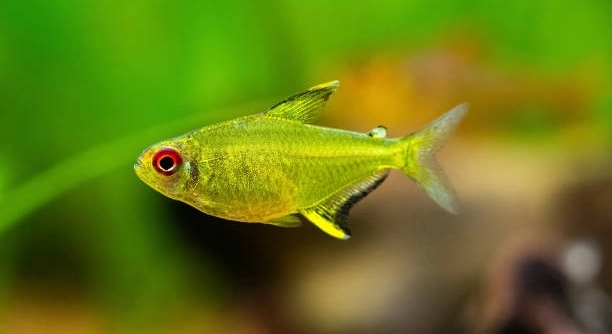
Lemon tetras are small, vibrant fish that brighten any freshwater tank. Their playful movements and social behavior make them a favorite among hobbyists. Many aquarists consider tank size and companionship when caring for these lively creatures.
Lemon tetras are social fish that thrive in groups, and they can exhibit signs of stress or loneliness when kept alone in a large tank. Providing a school of at least six individuals ensures proper social interaction and emotional well-being.
Ensuring the right group dynamics and environment can help maintain their natural behavior and overall health in a spacious aquarium.
Understanding Lemon Tetra Behavior
Lemon tetras are naturally active and social fish. In the wild, they swim in schools to feel secure and coordinate movements with other fish. In a large tank, this instinct does not disappear. If kept alone, a lemon tetra may show signs of stress such as hiding, reduced activity, or erratic swimming. Observing their interactions within a school provides insight into their emotional state. Tank decorations, plants, and hiding spots help reduce stress, but they do not replace the presence of other lemon tetras. A group of at least six individuals allows them to engage in natural behaviors, reducing aggression and anxiety. Their bright colors often fade when they feel lonely or stressed, and they may eat less. Proper tank maintenance, including clean water and stable temperature, supports their health. Understanding these behavioral cues helps create a comfortable environment where lemon tetras can thrive.
Keeping at least a small school improves their activity and reduces stress significantly.
A well-structured tank with plants, moderate lighting, and enough space allows lemon tetras to swim freely and interact naturally. Observing a school together is rewarding because their coordinated movements are calming and lively. Without companions, the tank may feel empty, and the single tetra may appear anxious. Adding compatible fish is possible, but keeping lemon tetras in groups best meets their social needs.
Signs Your Lemon Tetra Feels Lonely
Behavior changes are the most noticeable sign of loneliness in lemon tetras.
A lonely lemon tetra may become withdrawn, spending most of its time hiding or staying near the tank bottom. Erratic swimming, sudden darting, and lack of appetite are common indicators of stress. Color fading is another subtle sign, reflecting both physical and emotional health. By keeping them in proper groups, these issues are often avoided. Adding enrichment, like floating plants or decorations, helps, but companionship remains essential. Loneliness can affect their immune system, making them more prone to disease. Regular observation helps identify problems early, allowing adjustments before serious health issues occur. Understanding their social nature ensures they stay active, healthy, and visually vibrant.
Tank Size and Group Dynamics
A large tank can be beneficial for lemon tetras, but without companions, it may feel empty. Their social needs are crucial, and a single tetra will not enjoy the extra space alone.
Lemon tetras thrive in groups of six or more. A larger tank allows them to swim freely, explore, and establish territories without overcrowding. Proper schooling reduces stress and encourages natural behavior, including synchronized swimming and feeding. Decorations and plants provide hiding spots, but these are supplements, not substitutes for social interaction. Observing their coordination within a group is rewarding and confirms they are content.
Balancing tank size with an adequate school is key. Too few fish in a large environment can lead to anxiety and color fading. Ensuring enough companions while providing ample swimming space supports physical and emotional health. A properly arranged tank enhances both activity and overall vitality.
Companionship Alternatives
Adding other small, peaceful fish can provide interaction if a full school of lemon tetras isn’t possible.
Compatible tank mates should have similar temperaments and size. Species like small rasboras or other tetras can integrate well, offering visual stimulation and occasional social interaction. Avoid aggressive or much larger fish, as they can intimidate or harm lemon tetras. Carefully monitoring behavior ensures that all fish coexist safely. Gradual introductions and maintaining stable water conditions reduce stress. Observing group dynamics over time allows adjustments to prevent dominance or bullying. While not a perfect replacement, additional companions can improve activity levels and reduce signs of loneliness.
Providing alternative companions requires attention and patience. They need consistent care, proper feeding, and monitoring to maintain harmony. Overcrowding must be avoided, and water quality should remain high. Observing interactions helps ensure that lemon tetras maintain natural behaviors, reduce stress, and continue thriving in a shared environment. A well-thought-out combination of species can make a large tank feel lively without compromising their comfort.
Recognizing Stress Signals
Lemon tetras show stress through hiding, color fading, or erratic swimming. Watching their daily behavior helps identify issues early. Prompt attention can prevent long-term health problems and maintain their well-being.
Stress can also appear as reduced appetite or lack of interaction. Observing changes in routine activity ensures timely care.
Enrichment in the Tank
Plants, decorations, and floating objects give lemon tetras places to explore and feel secure. Natural hiding spots reduce anxiety and encourage normal movement patterns. A varied environment keeps them active and visually vibrant, complementing social interaction without replacing companions.
Feeding and Nutrition
A balanced diet strengthens health and reduces stress. Regular feeding with high-quality flakes, frozen foods, or small live foods supports growth, coloration, and energy levels. Ensuring variety keeps lemon tetras engaged and helps prevent nutritional deficiencies.
Water Quality Maintenance
Clean water and stable temperature are crucial for lemon tetras’ health. Regular testing and partial water changes maintain their immune system and support overall well-being.
Continue the article with the following outline. Bold the questions. Do not write an intro for each header, get straight to the point. Do not use a greeting. Make it feel slightly personal. Write in a simplistic style.; Outline: ; FAQ (write at least 500 words); Note: Skip the intro, get straight to the point. The rest of the headers will be provided later, so do not write them yet. Skip the conclusion, and recap. Respect the given word count for every paragraph.
Final Thoughts
Lemon tetras are social, active fish that thrive in groups. Keeping them alone, even in a large tank, can lead to stress and changes in behavior. A single tetra may hide more, swim erratically, or show faded colors, all of which indicate loneliness. Observing these behaviors early allows adjustments to be made, whether by adding companions, rearranging the tank, or providing enrichment. Ensuring that lemon tetras have the proper social environment supports both their physical and emotional health. Large tanks are valuable for swimming space, but companionship is essential.
Providing a school of at least six lemon tetras allows natural behavior to flourish. In a group, they display coordinated swimming, social interactions, and normal feeding patterns. These behaviors reduce anxiety and encourage activity, making them more vibrant and visually appealing. While enrichment such as plants, decorations, or hiding spots helps reduce stress, it cannot replace the social comfort a proper school provides. Gradual introduction of additional fish or compatible tank mates can help lonely tetras regain confidence, but careful observation is key to maintaining a peaceful, balanced environment. Clean water, stable temperature, and consistent care also play a major role in reducing stress and promoting long-term health.
Maintaining a balanced tank involves attention to social structure, environment, and routine care. Regular observation helps detect early signs of stress or changes in behavior, allowing timely interventions. Avoiding extremes, such as isolation or overcrowding, ensures a healthy social dynamic. Proper feeding, stable water quality, and thoughtful tank arrangement support the well-being of lemon tetras, keeping them active and thriving. By prioritizing companionship, enrichment, and clean living conditions, their natural behavior and overall happiness can be preserved. Lemon tetras in a properly managed environment demonstrate bright colors, coordinated swimming, and healthy activity, reflecting both emotional stability and physical health.

Hello,
If you enjoy the content that we create, please consider saying a "Thank You!" by leaving a tip.
Every little bit helps us continue crafting quality advice that supports the health, happiness, and well-being of pets around the world, for pets of all shapes, sizes, and species.
We really appreciate the kindness and support that you show us!