
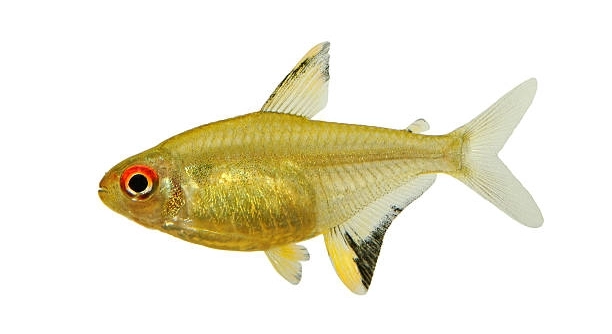
Keeping a lemon tetra healthy starts with noticing small details in its environment. Observing their behavior and tank conditions can give insight into overall health and help prevent minor issues from becoming serious problems.
Healthy lemon tetra waste is usually small, firm, and brown or dark green. Irregular, stringy, or discolored waste can indicate stress, poor diet, or illness. Monitoring waste consistency helps track digestive health and tank conditions effectively.
Knowing what to look for in your tetra’s waste helps maintain a cleaner, safer aquarium. Proper observation can prevent problems and support your fish’s long-term wellbeing.
Normal Appearance of Lemon Tetra Waste
Lemon tetra waste should generally appear small and cylindrical, with a firm texture. The color is usually brown or dark green, depending on the fish’s diet. A consistent shape and color are signs of good digestion. When waste becomes pale, stringy, or unusually long, it may indicate a dietary imbalance, stress, or a minor illness. Observing your fish during feeding times can help you notice changes early. The type of food you provide plays a large role. Flake foods, frozen foods, and live foods all affect the consistency and color of waste differently. Maintaining clean water conditions is also essential, as poor water quality can impact digestion and cause irregular waste. Regular tank cleaning, proper filtration, and monitoring water parameters like ammonia, nitrite, and pH can prevent problems. Taking small daily observations makes it easier to address issues before they worsen. A healthy tetra produces waste that is easy to spot and monitor.
Healthy waste indicates proper diet, balanced environment, and effective filtration. Consistent size, shape, and color are signs of overall well-being.
Monitoring waste is one of the simplest ways to notice changes in your tetra’s health. Early observation helps prevent bigger problems. Consistent habits in feeding and tank care keep fish comfortable and healthy.
Causes of Irregular Waste
Stress or sudden changes can make waste irregular in lemon tetras.
Irregular waste often comes from diet changes, overfeeding, or poor water conditions. Stress from overcrowding, aggressive tankmates, or sudden temperature shifts can also affect digestion. Observing feeding patterns and tank behavior is key.
Overfeeding is a common factor in irregular waste. When tetras consume more than they need, digestion slows, causing loose or stringy waste. Low-quality food lacking essential nutrients can also disrupt digestive health. Additionally, sudden changes in water temperature or pH levels put stress on the fish, which can alter their digestive patterns. Aggressive or overly active tankmates may chase or harass tetras, adding stress that manifests in waste changes. Even mild infections or parasites can create pale, slimy, or unusual-colored waste, signaling a need for attention. Keeping a stable environment, feeding appropriate amounts, and providing a varied diet minimizes these risks. Regular water testing and gradual changes in the tank help maintain a calm environment, ensuring healthy digestion and consistent waste production. Observing these factors daily allows for proactive care and early intervention if problems arise.
Diet and Its Impact on Waste
A lemon tetra’s diet directly affects the size, color, and consistency of its waste. High-quality, varied foods support healthy digestion, while low-quality or inappropriate foods can lead to irregular or discolored waste. Feeding in moderation helps maintain regular waste patterns.
Feeding too much or too often can overwhelm the digestive system, producing long, soft, or stringy waste. Flake foods may break down quickly, while frozen or live foods can produce darker, firmer waste. Vegetables and plant-based foods may change the color to greenish tones. Rotating food types ensures balanced nutrition, preventing digestive disturbances. Sudden changes in diet should be gradual to allow the fish’s digestive system to adjust. Overfeeding combined with low-quality food can cause bloating, constipation, or slow digestion, all visible in waste. Keeping portion sizes appropriate and maintaining a balanced diet ensures predictable waste patterns and overall health.
Providing variety in diet is key to supporting consistent digestion. Observing the impact of different foods on waste helps fine-tune feeding routines. Regular adjustments prevent digestive issues and keep tetras thriving.
Water Quality and Waste Appearance
Poor water conditions directly affect the digestive health of lemon tetras. Ammonia, nitrite, or nitrate spikes can lead to stress and irregular waste.
Dirty or unbalanced water increases the likelihood of loose, pale, or stringy waste. High ammonia levels irritate the digestive tract, while inconsistent pH or temperature causes stress that disrupts regular digestion. Overcrowding or inadequate filtration worsens these issues, making waste monitoring essential.
Maintaining clean water is crucial for predictable waste patterns. Regular water changes and testing for ammonia, nitrite, nitrate, and pH prevent digestive disturbances. Filtration must match tank size, and overfeeding should be avoided to reduce organic waste buildup. A stable temperature supports metabolism, keeping digestion regular. Observing waste alongside water parameters helps detect early signs of imbalance. Even slight changes in water chemistry can show quickly in waste appearance. Implementing consistent maintenance routines reduces the risk of irregular waste, keeps tetras comfortable, and supports long-term health.
Signs of Digestive Issues
Loose, stringy, or unusually pale waste often signals digestive problems in lemon tetras. These issues may arise from diet, stress, or water conditions and should be monitored closely.
Bloating, loss of appetite, or lethargy often accompany irregular waste. Early observation can prevent more serious health problems and help maintain a stable tank environment.
Parasites and Infections
Internal parasites or bacterial infections can alter the appearance of waste. Infected fish may produce white, stringy, or unusually shaped waste. Early detection is important to prevent the spread of disease.
Monitoring Waste Daily
Observing your lemon tetra’s waste every day allows for quick identification of potential health issues. Consistent tracking helps spot changes caused by diet, stress, or illness.
When to Seek Help
If waste remains irregular despite proper care, consulting a veterinarian or experienced aquarist is recommended. Prompt action prevents complications and supports fish health.
FAQ
What does healthy lemon tetra waste look like?
Healthy waste is small, firm, and typically brown or dark green. It maintains a consistent shape and size. Slight variations can occur depending on diet, but major changes in color, texture, or length may indicate health problems or digestive issues. Monitoring waste regularly gives a clear picture of your fish’s digestive health.
Why is my lemon tetra’s waste stringy?
Stringy or elongated waste often signals digestive stress. This can result from overfeeding, sudden diet changes, or poor water quality. It may also indicate internal parasites or bacterial infections. Observing behavior, appetite, and water parameters can help determine the cause and guide corrective measures.
Can diet change the color of waste?
Yes, the type of food affects color. Flake foods usually produce brown waste, while live or frozen foods can result in darker green or brown tones. Plant-based foods may cause greenish waste. Introducing new foods gradually helps the digestive system adjust without causing irregular waste.
How does water quality affect waste?
Poor water conditions, including high ammonia, nitrite, or nitrate levels, can stress fish and disrupt digestion. Fluctuating pH or temperature may also impact waste consistency. Regular water testing, consistent filtration, and scheduled water changes maintain a stable environment that supports proper digestion.
What does pale or white waste mean?
Pale or white waste may indicate dietary deficiencies, stress, or internal infections. It is often accompanied by other symptoms, such as lethargy, loss of appetite, or bloating. Prompt observation and adjustments to diet and water conditions are essential.
Is overfeeding a common reason for irregular waste?
Yes, overfeeding is a frequent cause. When tetras eat more than they need, digestion slows, producing soft or stringy waste. Proper portion control and feeding frequency ensure that the digestive system functions normally. Removing uneaten food quickly also prevents water quality issues.
How can I prevent irregular waste?
Maintain a balanced diet, provide a stable tank environment, and perform regular water maintenance. Observe your tetras daily for changes in behavior or waste appearance. Gradual adjustments to diet or tank conditions reduce stress and support regular digestion, preventing persistent irregular waste.
When should I seek professional help?
If waste remains abnormal despite proper diet and tank care, consult a veterinarian or experienced aquarist. Persistent irregularities, especially when paired with lethargy, bloating, or loss of appetite, may indicate internal infections or parasites that require professional treatment.
Does tank size affect waste appearance?
Smaller or overcrowded tanks increase stress and waste buildup, which can disrupt digestion and water quality. Adequate space allows natural behavior, reduces stress, and promotes consistent waste patterns. Proper filtration and regular cleaning are essential in all tank sizes.
Can stress alone cause irregular waste?
Yes, stress from aggressive tankmates, sudden changes in environment, or inconsistent water conditions can affect digestion. Stress may cause stringy, loose, or discolored waste. Maintaining a calm, stable environment helps reduce these issues and supports digestive health.
How often should I check my lemon tetra’s waste?
Daily observation is ideal. Checking waste during feeding times allows you to notice changes early and adjust diet, water, or tank conditions promptly. Consistent monitoring is the simplest way to maintain your fish’s overall health and prevent small issues from becoming serious.
Can supplements or additives help digestion?
Occasionally, high-quality supplements or probiotics designed for fish can aid digestion. However, diet, water quality, and tank stability remain the primary factors. Supplements should be used carefully and only when necessary to avoid overloading the fish’s system.
What are signs besides waste that indicate digestive issues?
Other indicators include bloating, loss of appetite, lethargy, abnormal swimming patterns, or color changes. Observing these signs alongside waste appearance helps identify potential problems quickly and guide effective interventions.
How do parasites affect waste?
Internal parasites can make waste stringy, white, or unusually shaped. Infected fish may show additional symptoms such as scratching against objects, slow movement, or weight loss. Early detection and treatment are essential to prevent further health complications and spread to other fish.
Can gradual changes in diet prevent irregular waste?
Yes, slowly introducing new foods gives the digestive system time to adjust, reducing the risk of irregular or discolored waste. Sudden changes can shock the system, causing temporary digestive disturbances. Consistent observation ensures the diet switch is safe and effective.
How does temperature impact digestion?
Fish are cold-blooded, so water temperature directly affects metabolism. Too low or high temperatures can slow or stress digestion, leading to loose or irregular waste. Maintaining a stable temperature within the species’ preferred range supports healthy digestion and regular waste patterns.
Does live food improve digestion?
Live foods can provide nutrients and stimulate natural feeding behaviors, supporting digestion. However, they must be introduced carefully and in moderation. Overfeeding live food or using low-quality sources can lead to irregular waste and potential water quality issues.
How important is consistency in tank care?
Consistency in feeding, water changes, and monitoring is crucial. Irregular care can cause stress and digestive problems, reflected in waste. Establishing a routine ensures tetras remain healthy, digestive patterns stay regular, and the tank environment remains stable.
What should I do if multiple fish show abnormal waste?
If several fish produce irregular waste, the problem is likely environmental, such as poor water quality, overfeeding, or temperature fluctuations. Immediate water testing, tank cleaning, and adjusting feeding routines can address the issue and prevent further health problems.
Can observation of waste predict future health issues?
Yes, consistent monitoring allows early detection of potential health problems. Changes in size, color, or texture often precede other symptoms. Tracking these patterns helps take preventive measures and maintain overall fish health effectively.
Are there foods that commonly cause irregular waste?
Low-quality flake foods, excessive protein, or sudden diet changes often cause digestive disturbances. Balanced, varied diets, including high-quality flakes, frozen, and occasional live foods, maintain healthy waste consistency. Gradual changes prevent stress and digestive upset.
How does tank cleaning frequency relate to waste?
Regular cleaning prevents waste buildup, reducing stress and maintaining water quality. Dirty tanks increase the risk of digestive issues and irregular waste. Establishing a consistent cleaning schedule supports both the environment and the health of lemon tetras.
Can stress from handling affect waste?
Yes, frequent or rough handling can temporarily disrupt digestion, producing irregular waste. Minimizing disturbance and maintaining a calm environment helps reduce stress and supports stable digestive patterns.
What role does observation play in prevention?
Daily observation is key to preventing issues. Monitoring waste, behavior, and tank conditions allows early detection and correction of problems before they become serious. Careful attention ensures healthy, consistent waste and long-term fish well-being.
Is it normal for waste to vary slightly after feeding?
Yes, small variations in size, shape, or color are normal after feeding. Large deviations or persistent abnormalities should be addressed, as they may indicate dietary, environmental, or health concerns affecting digestion.
Can water additives improve digestive health?
Some water conditioners and probiotics may support gut health, but maintaining clean, stable water and a proper diet remains the most effective method. Additives should be used carefully to avoid overloading the tank or stressing fish.
How quickly should waste return to normal after changes?
With proper care, waste usually returns to normal within a few days after diet adjustments or water improvements. Persistent abnormalities suggest ongoing issues requiring closer attention or professional advice.
Does fish age affect waste consistency?
Older fish may produce slightly different waste due to slower metabolism, but major changes should still be monitored. Age-related variations are usually minor, and consistent observation ensures digestive health remains intact.
Are tankmates a factor in digestive issues?
Yes, aggressive or overly active tankmates can stress lemon tetras, affecting digestion and waste appearance. Ensuring compatible tankmates and providing adequate space helps maintain regular waste patterns and overall well-being.
How important is quarantine for new fish?
Quarantining new arrivals prevents the introduction of parasites or infections that could affect waste and health. A proper quarantine period allows observation for irregular waste and other symptoms before introducing fish to the main tank.
Can seasonal changes affect waste?
Seasonal shifts in temperature or light cycles may slightly impact metabolism and digestion. Maintaining stable tank conditions minimizes effects and supports consistent waste patterns throughout the year.
Should I keep records of waste appearance?
Keeping a simple log of waste size, color, and consistency helps track changes over time. Patterns may indicate dietary, environmental, or health issues, allowing for timely intervention and better overall fish care.
How do I know if changes are temporary or serious?
Temporary changes often resolve within a few days after adjusting diet or environment. Persistent, recurring abnormalities, especially with other symptoms, indicate underlying issues requiring investigation, treatment, or professional advice.
Can probiotics in food help prevent irregular waste?
Probiotics may support gut health and aid digestion, particularly after dietary changes or mild stress. They are not a substitute for proper diet, clean water, and stable tank conditions, which remain essential for regular waste and overall health.
What is the best way to introduce dietary changes?
Gradually mix new food with current meals over several days. Slowly increasing the new food portion allows the digestive system to adjust, preventing stress and irregular waste. Monitor for changes to ensure smooth transition and digestive stability.
How do I manage a tank with multiple tetras having irregular waste?
Focus on water quality, portion control, and a stable environment. Identify whether diet, temperature, or stress is the primary factor. Isolate sick fish if needed, perform water changes, and adjust feeding routines to restore digestive health across the tank.
Is stress from moving or cleaning the tank significant?
Yes, moving decorations, rearranging the tank, or frequent cleaning can temporarily stress fish, causing irregular waste. Gentle handling, slow adjustments, and minimal disturbance reduce stress and help maintain stable digestion.
What long-term practices support healthy waste?
Consistent diet, stable water conditions, regular observation, and careful management of stressors are key. Routine care, combined with gradual adjustments when needed, ensures lemon tetras maintain regular, healthy waste and overall well-being.
How does feeding frequency affect waste?
Overfeeding or infrequent feeding disrupts digestion, producing irregular waste. Small, consistent feedings encourage regular digestion, reduce waste buildup, and maintain stable water conditions. Proper timing prevents stress and digestive upset.
Can illness be detected solely from waste changes?
Waste changes often signal illness, but additional symptoms like lethargy, color changes, or bloating provide a more complete picture. Combining observations ensures accurate detection and timely intervention.
How do I balance observation without over-stressing my fish?
Observe quietly during feeding or routine tank checks. Avoid sudden movements, tapping, or frequent handling. Gentle observation allows monitoring of waste and behavior while minimizing stress and maintaining healthy digestion.
Are some variations in waste normal between individuals?
Yes, minor differences occur based on metabolism, size, or diet preferences. Significant deviations from normal patterns, however, may indicate digestive or environmental issues and should be addressed promptly.
Can stress from lighting affect waste?
Sudden changes in lighting or excessively bright tanks may stress fish, impacting digestion. Gradual adjustments and maintaining a consistent day-night cycle help minimize stress and support healthy waste patterns.
What is the impact of tank decorations on stress and digestion?
Proper decorations provide hiding spots, reducing stress and supporting digestion. Overcrowded or sparse setups may cause anxiety, affecting waste consistency. Balanced decoration promotes a calm environment and healthy digestion.
Do all food types affect waste in the same way?
No, flake, frozen, live, and plant-based foods each influence color, texture, and size. Combining food types in moderation ensures a balanced diet and predictable waste patterns. Gradual introduction prevents digestive disturbances.
How quickly should I act when I notice irregular waste?
Immediate attention is recommended. Check water parameters, adjust diet, and observe behavior. Early intervention prevents minor issues from becoming serious health problems, maintaining a stable tank environment.
Can irregular waste return to normal naturally?
Yes, if caused by temporary stress, minor diet changes, or brief water fluctuations. Persistent irregularities, however, suggest underlying issues requiring intervention, observation, or professional care.
Are there signs in waste that indicate parasites specifically?
Stringy, white, or unusually long waste often points to internal parasites. Accompanying symptoms like scratching, weight loss, or sluggish behavior reinforce the likelihood of infection and the need for treatment.
Does tank temperature adjustment affect waste immediately?
Changes in temperature influence metabolism, sometimes causing short-term changes in waste consistency. Gradual adjustments allow tetras to adapt, preventing prolonged digestive disruption or stress-related irregular waste.
How does age or size of fish affect digestion?
Younger fish digest more quickly and may produce smaller, more frequent waste. Older fish digest slower, producing slightly larger or less frequent waste. Observation ensures these variations remain within healthy limits.
Can multiple factors combine to affect waste?
Yes, diet, water quality, temperature, stress, and illness often interact. Tracking all aspects of care helps identify the root cause and correct issues effectively, ensuring stable digestive health and waste patterns.
Is it normal for waste to vary after new tank setup?
New tanks may cause temporary stress, resulting in loose or irregular waste. As fish acclimate and water parameters stabilize, waste typically returns to normal. Careful monitoring is key during this period.
Does stress from transportation affect waste?
Transportation can shock fish, causing temporary digestive disruption. Loose or pale waste may appear until the fish adjusts to the new environment. Gradual acclimation and stable conditions reduce recovery time.
How important is observing multiple indicators alongside waste?
Observing behavior, appetite, color, and swimming patterns alongside waste provides a complete health assessment. Relying solely on waste can miss early signs of stress, illness, or environmental issues.
Can irregular waste resolve without intervention?
Minor changes may self-correct if caused by temporary stress, slight dietary adjustments, or water fluctuations. Persistent abnormalities or recurring issues indicate the need for active intervention or expert advice.
Does fish genetics influence waste patterns?
Individual metabolism may cause slight variations in waste size, color, or frequency. Differences are generally minor and not a cause for concern unless accompanied by other symptoms or digestive irregularities.
How can I keep a log of waste effectively?
Record color, size, shape, and frequency daily. Note changes in diet, water parameters, or behavior. A simple chart or notebook helps track patterns and identify potential issues before they escalate.
Are there specific symptoms that always accompany digestive issues?
Common signs include bloating, loss of appetite, lethargy, unusual swimming patterns, or color changes. Waste irregularities often appear first, but observing multiple indicators ensures timely and effective intervention.
Can irregular waste indicate environmental toxins?
Yes, exposure to chemicals or heavy metals in water can affect digestion. Testing water sources, avoiding untreated tap water, and maintaining a stable environment reduce the risk of toxin-related digestive issues.
Is it normal for waste to vary slightly after changing foods?
Minor changes are expected as the digestive system adapts. Sudden or severe changes in color, size, or texture may indicate overfeeding, poor-quality food, or intolerance, requiring closer attention.
How can I reduce stress-related irregular waste?
Maintain stable water conditions, compatible tankmates, hiding spots, and gradual environmental changes. Minimize handling, sudden movements, or rapid lighting shifts. A calm tank environment supports healthy digestion and predictable waste.
What role does feeding routine play in waste consistency?
Consistent feeding times, portion sizes, and diet types stabilize digestion. Irregular or excessive feeding can disrupt waste patterns, while gradual, predictable feeding routines support healthy, regular waste.
How do I know if irregular waste is serious or minor?
Temporary irregularities after stress or diet changes are usually minor. Persistent, recurring abnormalities, especially with other symptoms, indicate a serious problem requiring observation, adjustments, or professional care.
Can live plants in the tank affect waste?
Live plants may influence digestion by providing natural grazing options and improving water quality. Healthy plants reduce stress and contribute to stable digestive patterns, supporting consistent waste appearance.
How often should I review water parameters in relation to waste?
Weekly testing is recommended, with additional checks after diet changes, new fish introductions, or environmental adjustments. Monitoring parameters like ammonia, nitrite, nitrate, and pH ensures digestive health remains stable.
Does lighting schedule impact digestion?
A consistent day-night cycle supports natural behavior and metabolism. Sudden lighting changes can stress fish, affecting waste. Gradual transitions maintain stability, supporting healthy digestion.
Can tankmates cause persistent irregular waste?
Aggressive or competitive tankmates can stress tetras, affecting digestion over time. Ensuring adequate space, hiding spots, and compatible species reduces stress and supports consistent waste patterns.
Are there any preventive measures to avoid irregular waste?
Maintain proper diet, clean water, stable environment, compatible tankmates, and regular observation. Gradual adjustments and careful monitoring prevent digestive problems and ensure healthy, consistent waste production.
How long should I monitor changes before seeking help?
Observe for several days while adjusting diet, water, or environment. If irregular waste persists, worsens, or is accompanied by other symptoms, seek professional advice promptly.
Can quarantine for new fish prevent digestive problems?
Yes, quarantining allows observation for unusual waste, parasites, or illness before introducing fish to the main tank. It prevents spreading disease and ensures stable tank conditions for all residents.
Does stress from overcrowding affect waste immediately?
Yes, overcrowding increases competition for food and space, leading to stress. Irregular, loose, or pale waste often appears quickly, signaling the need for tank adjustment or population management.
How can observation improve long-term health?
Tracking waste, behavior, and tank conditions allows early detection of diet, environmental, or health issues. Timely intervention reduces stress, prevents disease, and supports the long-term well-being of lemon tetras.
Is variation in waste always a problem?
Small, occasional variations are normal due to diet or metabolism. Persistent, severe, or unusual changes indicate underlying issues requiring observation and corrective action.
Can overstocking the tank affect digestion?
Yes, overstocked tanks increase waste buildup, stress, and competition, which disrupt digestion. Adequate space, proper filtration, and careful population management support healthy waste and overall fish health.
Are there natural remedies for minor digestive issues?
Occasionally, fasting for a day or two or providing small amounts of high-fiber foods can help. Major or persistent problems require professional advice or targeted treatment.
How quickly should digestive problems resolve with intervention?
Minor issues may improve within a few days after adjusting diet, water, or stressors. Persistent abnormalities indicate ongoing problems that may need professional care.
Does water hardness affect digestion?
Yes, extreme hardness or softness can stress fish, affecting waste. Maintaining appropriate hardness for lemon tetras supports
Keeping lemon tetras healthy requires paying attention to small details, and waste is one of the most important signs of their well-being. Observing the size, shape, color, and consistency of their waste provides clear insight into digestion and overall health. Healthy waste is usually firm, small, and brown or dark green, depending on their diet. Any significant change in appearance can signal stress, dietary imbalance, or illness. While it may feel unpleasant to check, it is one of the easiest ways to monitor your fish daily. By taking note of their waste regularly, you can catch minor issues before they become serious problems, saving time, effort, and stress in the long run. Even small adjustments in diet or tank care can make a big difference in how your fish digest their food and process waste. Consistency and careful observation are key to maintaining a stable, healthy aquarium.
Diet plays a major role in the appearance of waste. High-quality flake foods, frozen or live foods, and occasional plant-based options all contribute to balanced digestion. Sudden changes in diet or overfeeding can create loose, stringy, or pale waste, which is usually a sign that the digestive system is under stress. Gradually introducing new foods allows tetras to adjust and reduces digestive disturbances. Portion control is equally important, as uneaten food left in the tank can decay, affecting water quality and contributing to irregular waste. Alongside a varied diet, maintaining proper water conditions is essential. Clean water, proper filtration, and regular testing of ammonia, nitrite, nitrate, and pH help prevent stress and digestive problems. A stable, balanced environment ensures that tetras produce healthy waste consistently and thrive in their habitat.
Regular observation, combined with careful care, is the most effective approach to long-term health. Watching your fish daily and checking their waste allows you to identify issues related to diet, water quality, tankmates, or stress before they escalate. Small signs, like changes in color, shape, or frequency of waste, often appear before more serious symptoms like bloating, lethargy, or loss of appetite. Intervening early by adjusting diet, water parameters, or tank conditions can prevent illness and keep your tetras healthy and active. Even stress from overcrowding, sudden temperature shifts, or aggressive tankmates can show up in waste patterns, making observation a valuable tool. By combining consistent feeding, clean water, and attentive monitoring, you create an environment where lemon tetras can thrive, their digestion remains healthy, and their waste consistently reflects a balanced, well-maintained habitat. This careful approach makes fish care more manageable and ensures your tetras stay happy and healthy for years.

Hello,
If you enjoy the content that we create, please consider saying a "Thank You!" by leaving a tip.
Every little bit helps us continue crafting quality advice that supports the health, happiness, and well-being of pets around the world, for pets of all shapes, sizes, and species.
We really appreciate the kindness and support that you show us!