
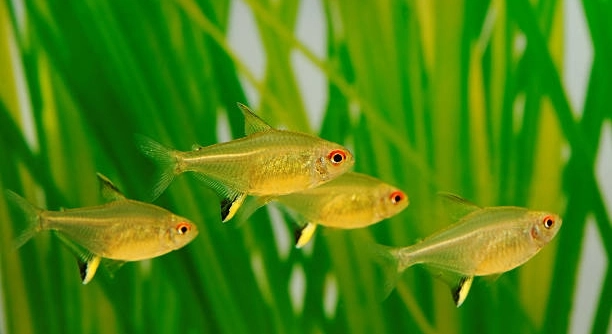
Lemon tetras are small, bright fish that often display sudden movements in the tank. Observing their behavior can reveal much about their mood, health, and interaction with other fish in their environment. Their fins may appear strikingly extended.
Lemon tetras flare their fins primarily as a form of communication and territorial display. This behavior indicates dominance, stress, or mating readiness, and is influenced by environmental factors such as tank size, water quality, and the presence of other fish.
Understanding why lemon tetras flare helps create a healthier tank environment and promotes harmonious interactions among your fish community. This behavior is a subtle but important signal for attentive aquarists.
Understanding Lemon Tetra Flaring
Lemon tetras often flare their fins to communicate with other fish or signal changes in their environment. This behavior is most noticeable when new fish are introduced, during feeding, or when the water conditions fluctuate. Flaring can appear aggressive, but it is usually a natural form of interaction. Male tetras tend to flare more than females, especially when competing for territory or showing readiness to mate. Observing these patterns helps identify social hierarchies within the tank. Tank size, the number of fish, and decorations can influence how often flaring occurs. A cramped or poorly arranged tank may increase stress levels, causing frequent displays. Clear, consistent water conditions reduce unnecessary stress signals. Providing hiding spots and open swimming areas allows tetras to establish personal space. Even minor changes in lighting or temperature can trigger brief flaring. By paying attention to these subtle cues, caretakers can maintain balance and prevent long-term stress in their fish.
Flaring is normal and usually harmless if fish remain healthy and active.
Keeping track of flaring helps maintain peaceful interactions and prevents overcrowding or dominance issues.
Environmental Factors Affecting Flaring
Water quality is a major factor in fin-flaring behavior. Lemon tetras respond strongly to ammonia, nitrite, or sudden pH changes. Even minor fluctuations in temperature or water hardness can trigger stress, causing repeated fin displays. Maintaining stable conditions reduces tension and promotes calm, natural behavior. Aquarists should test water regularly and perform partial water changes to keep parameters within safe ranges.
Tank setup also affects flaring frequency. A well-planted tank with ample swimming space encourages natural movement and reduces territorial conflicts. Decorations like rocks, caves, or driftwood create boundaries, allowing fish to claim areas without constant confrontation. Overstocking increases competition for space, which can lead to prolonged fin displays. Flaring may also occur during feeding, as fish compete for food or signal excitement. Observing these triggers allows caretakers to make adjustments, such as rearranging the tank or separating aggressive individuals. By monitoring both environmental factors and social interactions, it is possible to reduce unnecessary stress and support a healthy, balanced aquarium ecosystem for lemon tetras.
Social Interactions and Hierarchy
Lemon tetras flare their fins to assert dominance or establish boundaries with other fish. This behavior is more frequent among males and during feeding times when competition is higher. It helps maintain the social balance within the tank.
Flaring is a natural way for lemon tetras to communicate their position in the group. Dominant fish may display more often to remind others of their status. Subordinate fish respond by keeping distance or showing submissive behaviors, which prevents constant fighting. These interactions are subtle, but careful observation can reveal the social structure of your tank. Group size and composition affect flaring patterns, so maintaining an appropriate number of fish reduces stress and aggression. Understanding these social cues helps create a calm environment and prevents unnecessary tension among tank mates.
Even minor changes in group dynamics can trigger fin flaring. Adding or removing fish, altering feeding schedules, or changing decorations can temporarily increase displays. Flaring is a response to both social and environmental shifts. Observing patterns over time provides insight into how your lemon tetras communicate and adapt to their surroundings. By recognizing normal behaviors versus stress signals, adjustments can be made to support healthy social interactions.
Health and Stress Indicators
Flaring fins can indicate stress caused by illness, poor water conditions, or inadequate diet. Stress weakens immunity and affects behavior.
Monitoring water quality and tank cleanliness is essential to prevent health-related flaring. High ammonia, nitrite, or nitrate levels, fluctuating pH, or improper temperatures can all trigger stress responses. Fish showing frequent or intense flaring alongside lethargy, loss of appetite, or discoloration may be ill. Nutrition also plays a role; a balanced diet supports overall health and reduces unnecessary stress displays. Stress management includes maintaining a stable environment, providing hiding spots, and minimizing sudden changes. By addressing these factors, fin flaring can remain a natural form of communication rather than a sign of underlying health issues.
Mating Behavior
Lemon tetras flare their fins during courtship to attract mates. Males display bright colors and extended fins to signal readiness. This behavior is temporary and usually more frequent during breeding periods.
Females may respond by mirroring displays or swimming closer to males. Flaring helps both sexes communicate interest without physical confrontation.
Tank Size and Space
Limited space increases fin-flaring behavior as fish compete for territory. A small or overcrowded tank forces lemon tetras to assert dominance more frequently, which can stress them over time. Providing sufficient swimming areas and hiding spots reduces aggression and supports natural social interactions.
Observing Patterns
Tracking when and how often flaring occurs helps identify triggers. Noting changes in group dynamics, feeding times, or water conditions gives insight into both social and environmental causes. This allows for adjustments to maintain a calm, balanced aquarium.
Decorations and Hiding Spots
Adding plants, rocks, and caves helps reduce constant flaring. Boundaries give fish personal space, lowering stress and promoting peaceful behavior.
FAQ
Why do lemon tetras flare their fins so often?
Lemon tetras flare their fins to communicate with other fish, assert dominance, or signal mating readiness. Frequent flaring can also indicate environmental stress, such as changes in water quality, tank overcrowding, or insufficient hiding spaces. Observing when and how often they flare provides insight into their behavior.
Is fin flaring a sign of aggression?
Not always. Flaring is a natural behavior for establishing hierarchy and boundaries. While it may appear aggressive, most interactions involve posturing rather than fighting. Only if flaring is accompanied by chasing, nipping, or injury should it be considered true aggression.
Can flaring harm my fish?
Flaring itself does not harm fish, but prolonged stress from repeated displays can weaken immunity and affect overall health. Ensuring proper water conditions, sufficient space, and balanced nutrition reduces stress-related flaring and keeps tetras healthy.
Do males flare more than females?
Yes, male lemon tetras typically flare more often. This behavior is linked to dominance, territory defense, and mating displays. Females flare occasionally but mainly respond to male displays or changes in social structure within the tank.
Will adding more fish reduce flaring?
Adding more fish can sometimes balance social interactions, but overcrowding can worsen stress and increase flaring. It’s important to maintain an appropriate group size with adequate space. A well-planted tank with hiding spots can be more effective than simply adding more fish.
Does tank size affect fin flaring?
Yes, limited space increases flaring because fish must assert dominance more often. A tank that is too small restricts swimming areas and can create tension. Providing an adequately sized tank reduces frequent displays and encourages natural, calm behavior.
Can water quality trigger flaring?
Absolutely. Sudden changes in pH, ammonia, nitrite, nitrate levels, or temperature can stress lemon tetras and trigger fin flaring. Regular water testing, partial water changes, and stable conditions help reduce unnecessary displays caused by environmental stressors.
Is flaring linked to feeding time?
Yes, flaring often increases during feeding as fish compete or signal excitement. Ensuring food is distributed evenly and feeding multiple times a day in small amounts can help minimize tension and reduce aggressive displays during meals.
Do decorations influence flaring behavior?
Yes, decorations like plants, rocks, and caves provide boundaries and personal space. This allows fish to establish territories without constant confrontation, lowering stress and minimizing excessive fin-flaring. Rearranging the tank or adding hiding spots can make a noticeable difference in behavior.
Should I separate fish that flare too much?
Separation is only necessary if flaring leads to injury or constant stress. Often, adjusting tank size, social groups, or adding hiding spaces is sufficient. Observation over time helps determine if intervention is needed or if the behavior is simply normal social communication.
How can I tell if flaring is normal or stress-related?
Normal flaring is short, occasional, and linked to feeding, social interactions, or mating displays. Stress-related flaring is frequent, prolonged, and may coincide with lethargy, loss of appetite, or color fading. Monitoring patterns and water conditions helps differentiate between natural behavior and signs of stress.
Can flaring indicate breeding readiness?
Yes, males flare their fins and display brighter colors to attract females. Females respond by showing interest or swimming closer. This form of communication is crucial for mating and usually appears during specific periods rather than constantly.
Will rearranging the tank stop flaring?
Rearranging decorations can reduce unnecessary flaring by giving fish new territories and hiding spaces. However, sudden changes can temporarily increase displays as fish reestablish boundaries. Doing changes gradually helps minimize stress and maintains calm behavior.
Are there ways to prevent excessive flaring?
Maintaining stable water conditions, providing adequate space, balancing the group size, adding hiding spots, and offering proper nutrition all help prevent excessive fin-flaring. Observing fish regularly allows adjustments before stress becomes an issue, keeping your tank peaceful and balanced.
Does temperature affect flaring behavior?
Yes, lemon tetras are sensitive to temperature fluctuations. Water that is too cold or too warm can cause stress, leading to more frequent fin-flaring. Keeping the tank within recommended temperature ranges supports normal behavior and reduces tension in the group.
How long does a flaring display usually last?
Flaring displays are typically short, lasting a few seconds. Prolonged displays are uncommon and usually indicate stress, overcrowding, or social tension. Regular observation helps identify patterns and ensures fish remain healthy and comfortable in their environment.
Can flaring be a sign of disease?
Occasionally, flaring may accompany illness, especially if fish are lethargic, lose appetite, or show visible symptoms. Stress from poor water quality or illness can trigger repeated displays. Early detection and proper care are key to preventing health problems linked to excessive flaring.
Do all lemon tetras flare the same way?
No, individual fish may display different intensities or frequencies based on temperament, size, and social rank. Some males are more dominant, while others flare minimally. Observing each fish helps understand social dynamics and maintain a balanced tank.
Is flaring more common in new tanks?
Yes, new tanks often cause temporary flaring as fish adjust to unfamiliar surroundings and establish territories. Providing hiding spaces and monitoring water conditions during this period reduces stress and helps fish settle into a stable routine.
Can diet influence flaring behavior?
Proper nutrition supports health and reduces stress-related displays. A varied diet with quality flakes, pellets, and occasional live or frozen foods keeps fish energetic and less prone to unnecessary fin-flaring caused by weakness or nutrient deficiencies.
How can I tell if a fish is stressed from flaring?
Signs of stress include frequent flaring, hiding, erratic swimming, color fading, or loss of appetite. Identifying environmental triggers such as overcrowding, poor water quality, or sudden changes allows you to take corrective action and restore calm behavior.
Do lemon tetras flare at night?
Flaring primarily occurs during daylight when fish are active. At night, they usually rest and fin displays are rare. Observing their behavior during active hours gives a better understanding of normal versus stress-induced flaring patterns.
Is occasional flaring harmful?
No, occasional flaring is a normal communication method and does not harm fish. Excessive or prolonged flaring, however, may indicate environmental or social stress that should be addressed to maintain healthy behavior.
What is the best way to manage a tank with frequent flaring?
Managing flaring involves maintaining stable water conditions, proper tank size, balanced social groups, and adequate hiding spots. Regular observation and minor adjustments help reduce stress, ensuring fish display normal communication without constant aggressive or anxious behavior.
Can flaring help in identifying dominant fish?
Yes, dominant fish flare more frequently and maintain central territories. Observing these patterns allows caretakers to understand social hierarchy, manage group dynamics, and prevent stress-related conflicts within the tank.
Does light intensity affect fin flaring?
Bright or fluctuating light can increase stress and trigger flaring. Consistent, moderate lighting helps fish feel secure and reduces unnecessary displays, supporting calm behavior and natural social interactions.
Are juvenile lemon tetras less likely to flare?
Juveniles may flare occasionally but generally less than adults. Social hierarchy is not fully established, and fin displays increase as they mature and assert dominance or prepare for breeding.
How long does it take for flaring behavior to normalize in a new tank?
Normalization depends on tank setup, group size, and individual temperament. Usually, a few days to a couple of weeks allows fish to establish territories and settle into stable social patterns, reducing frequent fin-flaring as they adjust.
Can flaring be trained or minimized?
While it cannot be eliminated, flaring can be minimized by maintaining proper tank conditions, providing space and hiding spots, and managing social groups. Consistency in feeding, environment, and care encourages calm, balanced behavior.
Does flaring indicate happiness in lemon tetras?
Flaring is not a direct indicator of happiness. It is a natural communication method. Fish displaying normal behavior, including short flares, active swimming, and healthy eating, are generally well-adjusted and comfortable in their environment.
Is flaring more noticeable in certain colors of lemon tetras?
Brightly colored males often make flaring more noticeable due to enhanced fin extension and vivid coloration. Subtle flaring may be harder to see in females or less vibrant individuals, but the behavior remains the same.
Should I record flaring behavior?
Tracking patterns of flaring helps identify triggers, monitor health, and manage tank dynamics effectively. Observing time, frequency, and context of displays provides insight for adjustments to improve overall fish welfare.
Can stress from other species cause flaring?
Yes, the presence of aggressive or incompatible tank mates can trigger fin-flaring in lemon tetras. Ensuring compatible species and monitoring interactions helps reduce stress and maintain peaceful tank behavior.
Is occasional chasing normal with flaring?
Short chases often accompany dominance displays and are typically harmless. Persistent chasing or injury signals social imbalance or overcrowding, requiring adjustments in tank setup or fish groupings.
Can flaring help identify breeding pairs?
Yes, males flare to attract females, and mutual displays indicate potential mating pairs. Observing repeated interactions during breeding periods helps identify compatible fish for reproduction.
Does water current affect fin-flaring?
Strong currents can stress lemon tetras, leading to increased flaring as they assert space or compensate for movement. Gentle, consistent flow reduces unnecessary displays and allows fish to swim naturally without tension.
How long should I observe flaring before making changes?
A few days of consistent observation usually provides enough information to identify patterns and triggers. Sudden changes in frequency, intensity, or context warrant investigation into water quality, social dynamics, or environmental stressors.
Can flaring be hereditary?
Some aspects of temperament, including assertiveness, may be inherited, influencing how frequently individual fish flare. However, environmental factors remain the main contributors to the intensity and frequency of displays.
Does flaring affect other fish species?
Flaring can influence the behavior of tank mates, prompting them to retreat, display submissive behavior, or compete. Understanding these interactions helps maintain peaceful cohabitation and prevents unnecessary stress among species.
Are there long-term effects of frequent flaring?
Chronic stress from persistent flaring can weaken immunity, reduce lifespan, and impact reproductive success. Addressing environmental or social triggers early helps ensure long-term health and stable social behavior.
Can rearranging the tank help reduce stress-related flaring?
Yes, introducing new decorations or plants provides fresh territories and hiding spots. Gradual changes minimize disruption, allowing fish to establish boundaries and reduce constant stress-related displays.
Is flaring more common in mixed-species tanks?
Yes, unfamiliar or incompatible species can increase flaring as lemon tetras assert boundaries or react to potential threats. Choosing compatible species and providing adequate space reduces unnecessary tension.
Does group size impact fin-flaring?
Yes, small groups may increase dominance displays, while overcrowded tanks cause stress-related flaring. Maintaining the recommended number of tetras ensures balanced social interactions and minimizes excessive displays.
Can lighting schedules influence flaring?
Consistent day-night cycles help fish establish routines and reduce stress. Irregular lighting or sudden changes can trigger more frequent flaring, as fish adjust to perceived environmental disturbances.
Do lemon tetras flare when they are healthy?
Yes, short, occasional flares are normal and indicate active communication. Healthy fish flare briefly, swim actively, eat regularly, and interact socially without showing signs of chronic stress or illness.
Are all displays of flaring the same intensity?
No, intensity varies based on social rank, environment, and individual temperament. Dominant males may flare with full fin extension, while others display smaller, subtler movements. Observing variations helps understand social hierarchies.
How can I reduce flaring during feeding?
Distribute food evenly, feed multiple small portions, and maintain calm tank conditions. This prevents competition, reduces stress, and minimizes frequent flaring associated with feeding times.
Is fin damage caused by flaring?
Normal flaring does not damage fins. Injury occurs only if aggression escalates into chasing or nipping. Ensuring adequate space, hiding spots, and compatible tank mates prevents harm.
Does flaring frequency change with age?
Juveniles flare less, while adults display more often as social hierarchies form and breeding readiness develops. Age and maturity influence the intensity and frequency of flaring behaviors.
Can observing flaring improve tank management?
Yes, careful observation identifies environmental or social stressors, informs adjustments in tank setup, and helps maintain a healthy, balanced aquarium. Understanding flaring patterns allows proactive care to support fish well-being.
Are there any signs that flaring is becoming problematic?
Excessive, prolonged, or aggressive flaring accompanied by injuries, hiding, or loss of appetite indicates stress or social imbalance. Intervention, such as adjusting group size, adding hiding spots, or improving water conditions, becomes necessary.
How do I know if flaring is related to breeding?
Breeding-related flaring is usually seasonal or periodic, involving males displaying bright colors and extended fins while females show interest. It occurs during mating periods rather than constantly and often coincides with other courtship behaviors.
Can temperature swings cause temporary flaring increases?
Yes, sudden temperature changes create stress, leading to more frequent displays. Gradual adjustments and stable conditions prevent excessive fin-flaring and maintain calm tank behavior.
Does flaring indicate dominance in all fish?
In lemon tetras, flaring primarily signals social rank, but intensity and frequency vary with individual temperament. Observing group dynamics clarifies which fish are dominant and helps manage social interactions effectively.
Can flaring be a response to human activity?
Occasionally, movement near the tank, tapping glass, or sudden lighting changes can trigger short-term flaring. Fish quickly adjust once the stimulus is removed, so occasional responses are normal.
Is flaring more frequent in breeding pairs?
Yes, males flare to attract females and assert dominance within their chosen territory. Pairs may show mutual displays, signaling readiness to mate and establish temporary breeding territories.
How often should I monitor flaring behavior?
Daily observation during active periods provides sufficient information. Noting patterns, triggers, and changes helps identify potential stressors or health issues and supports proactive tank management.
Do lemon tetras flare in groups differently than alone?
Yes, in groups, flaring establishes hierarchy and territory boundaries. Solitary fish may flare less since there is no social interaction to communicate, emphasizing the social nature of this behavior.
Can flaring indicate food competition?
Yes, during feeding, fish flare to assert priority or excitement. Ensuring evenly distributed food and multiple feeding areas reduces tension and unnecessary displays, promoting a calmer environment.
Are there seasonal patterns in flaring?
Breeding periods may see increased flaring, while off-season behavior is calmer. Environmental stability and social structure influence patterns, so consistent tank care helps minimize unnecessary flaring outside breeding periods.
Does water hardness affect flaring?
Fluctuations in water hardness can cause stress and trigger fin-flaring. Maintaining consistent parameters suitable for lemon tetras supports calm behavior and reduces stress-induced displays.
Can flaring indicate illness before other symptoms appear?
Occasionally, repeated or unusual flaring can be an early stress indicator. Coupled with subtle behavioral changes, it may signal underlying health issues that require monitoring and timely intervention.
How do I distinguish playful flaring from aggressive flaring?
Playful or social flaring is short, infrequent, and occurs in context with group interactions. Aggressive flaring is prolonged, repetitive, and accompanied by chasing, nipping, or injury. Observation over time clarifies the difference.
Can adding plants reduce flaring?
Yes, plants provide hiding spots and territories, allowing fish to retreat or establish boundaries. This reduces stress, prevents constant displays, and supports natural social behaviors in a balanced aquarium.
Does tank depth influence flaring behavior?
Adequate depth allows fish to swim freely and avoid conflicts, reducing frequent flaring. Shallow or overcrowded tanks limit movement and increase territorial displays. Proper tank dimensions support calmer social interactions.
Can flaring cause long-term stress if ignored?
Yes, persistent stress from repeated flaring can weaken immunity, reduce appetite, and impact longevity. Addressing environmental or social causes early ensures healthy fish and balanced tank behavior.
Are there signs that flaring indicates illness or parasites?
Yes, flaring combined with erratic swimming, fading color, lethargy, or visible parasites may indicate health issues. Early detection through observation helps prevent serious problems and maintains fish well-being.
Can consistent lighting reduce flaring?
Yes, stable, moderate lighting reduces stress-related flaring. Sudden changes or overly bright lights may provoke displays, while predictable lighting supports calm behavior and natural routines.
Do lemon tetras flare more in planted tanks?
Planted tanks can reduce aggressive flaring by offering hiding spots and natural boundaries. Fish feel secure and less need to assert dominance constantly, promoting peaceful interactions and healthy behavior.
Does water flow impact flaring frequency?
Excessive current can stress fish, leading to more frequent flaring. Gentle, consistent flow supports natural swimming and reduces unnecessary displays caused by environmental stress.
Can flaring be used to monitor tank health?
Yes, changes in flaring frequency or intensity can indicate environmental stressors, water quality issues, or social imbalance. Regular observation allows caretakers to respond promptly and maintain a healthy aquarium.
Is it normal for new fish to flare more?
Yes, newly introduced fish often flare while establishing territory and understanding social hierarchies. This behavior usually decreases once boundaries are recognized and fish settle into a stable routine.
Can stress from humans increase flaring?
Occasional, brief flaring may occur due to tapping, movement, or sudden light changes. Fish typically resume normal behavior quickly once the stimulus is removed.
Does flaring change with age?
Yes, juveniles flare less, and adults flare more frequently as social hierarchies and breeding behaviors develop. Age influences intensity and frequency of displays in the tank.
Can flaring indicate compatibility between fish?
Yes, mutual or balanced flaring without aggression suggests compatibility, while persistent chasing or injury may indicate incompatible tank mates that need adjustment.
Is it possible to completely eliminate flaring?
No, flaring is a natural form of communication for lemon tetras. The goal is to minimize stress-related or aggressive flaring through proper tank management and care.
Does temperature stability reduce flaring?
Yes, consistent temperatures prevent stress-induced flaring. Sudden shifts can trigger displays, while stable conditions support normal, calm behavior and social interactions.
Can observing flaring help with breeding?
Yes, male flaring signals readiness to mate, and observing interactions with females helps identify potential breeding pairs and optimal timing for reproduction.
Lemon tetras are lively and social fish whose fin-flaring behavior is a natural part of how they communicate and interact with their environment. This behavior is often linked to establishing social hierarchies, signaling mating readiness, or responding to changes in their surroundings. While flaring may look aggressive at first, it is usually harmless if the tank conditions are well-maintained and fish remain healthy. Observing how, when, and why your lemon tetras flare their fins can provide valuable insight into their behavior, allowing you to better understand their needs and ensure a balanced, peaceful aquarium. Paying attention to these subtle signals helps maintain a calm environment and supports the overall well-being of your fish.
Several factors influence how often lemon tetras flare, including tank size, social group composition, water quality, and decorations. Fish in small or overcrowded tanks tend to flare more often as they compete for space or establish dominance. Water conditions such as temperature, pH, and cleanliness can also trigger increased displays. Providing ample swimming areas, plants, hiding spots, and a stable environment allows fish to feel secure, reducing unnecessary flaring. Monitoring social interactions and adjusting the tank setup when needed helps prevent stress and promotes harmonious relationships among your tetras. Even minor changes, such as adding or rearranging decorations or maintaining consistent feeding routines, can have a significant impact on the frequency of fin-flaring.
Understanding flaring as a natural communication tool rather than a problem allows aquarists to manage their tanks more effectively. Occasional flaring is normal, while prolonged or aggressive displays may indicate stress or environmental issues. Keeping track of patterns over time helps identify potential causes and allows for proactive adjustments, such as optimizing water quality, providing extra hiding spots, or adjusting the number of fish in the tank. Recognizing the difference between normal social behavior and signs of stress ensures that lemon tetras remain healthy, active, and comfortable in their environment. By observing and responding to these behaviors thoughtfully, caretakers can foster a thriving, balanced aquarium where fish interact naturally, maintain social harmony, and display their vibrant colors confidently.

Hello,
If you enjoy the content that we create, please consider saying a "Thank You!" by leaving a tip.
Every little bit helps us continue crafting quality advice that supports the health, happiness, and well-being of pets around the world, for pets of all shapes, sizes, and species.
We really appreciate the kindness and support that you show us!