
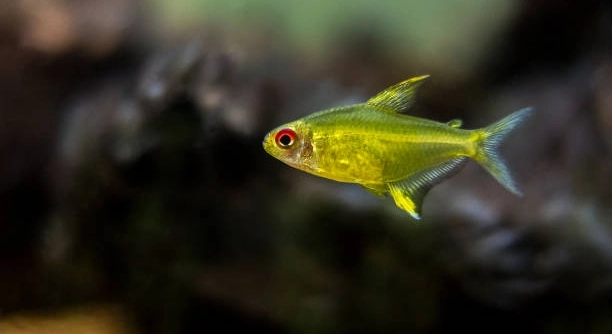
Lemon tetras are small, vibrant fish that often capture attention with their bright yellow color and lively movements. Yet, it is not unusual to observe them resting quietly at the bottom of the tank for extended periods.
The primary reason lemon tetras stay at the bottom for hours is usually stress, illness, or poor water conditions. Low oxygen, inappropriate temperature, and lack of hiding spaces can also contribute, affecting their behavior and overall well-being.
Understanding why they exhibit this behavior is essential for their care. Addressing these factors can help ensure your lemon tetras remain active and healthy.
Common Causes of Lemon Tetras Staying at the Bottom
Lemon tetras may stay at the bottom for several reasons, often linked to stress or health issues. Poor water quality is a major factor, including high levels of ammonia, nitrites, or nitrates. Sudden changes in temperature or pH can also make them uncomfortable. Illnesses such as swim bladder disease, bacterial infections, or parasites may cause lethargy and unusual swimming patterns. Lack of hiding spots or overcrowded tanks can increase stress, prompting them to stay low. Even diet plays a role; insufficient nutrition or feeding too much can affect their energy and behavior. Observing tankmates is important, as aggressive fish may intimidate lemon tetras, forcing them to seek shelter at the bottom.
Monitoring water quality, tank conditions, and diet consistently is essential. Addressing these factors promptly can help restore their normal swimming behavior and reduce prolonged bottom-dwelling.
By checking water parameters, feeding routines, and providing a balanced environment, you can ensure your tetras feel secure. Observing their activity levels helps detect early signs of illness or stress. Regular partial water changes, proper tank decoration, and monitoring social interactions contribute to their well-being. When illness is suspected, consulting a veterinarian or experienced aquarist can prevent long-term health problems. Consistency in care allows lemon tetras to thrive, swim actively, and display their bright colors throughout the tank. Preventing stressful conditions is often simpler than correcting the consequences, so proactive care is always worthwhile.
How to Improve Tank Conditions
Providing clean, stable water is critical for lemon tetras. Proper filtration and regular maintenance keep them healthy.
Adjusting temperature to match their natural preference and adding plants or decorations creates hiding spots. Avoid overstocking and ensure compatible tankmates. A varied diet with high-quality food supports their energy and reduces stress. Observing behavior helps identify issues early, allowing timely interventions. Clean water, proper temperature, and security are key.
Maintaining a healthy tank involves consistent attention and small adjustments. Testing water regularly ensures parameters remain ideal, including temperature, pH, and chemical levels. Plants, rocks, or driftwood give them shelter and reduce anxiety, promoting natural swimming behavior. Overcrowding can lead to stress and aggression, so keeping an appropriate number of fish is important. Feeding should be balanced; too much can foul the water, while too little affects energy and immunity. Regular observation helps spot disease or unusual behavior early, allowing prompt treatment. Gradual changes, rather than sudden ones, prevent shock and maintain comfort. A well-planned tank encourages lemon tetras to explore actively rather than retreat to the bottom, improving both their health and the visual appeal of the aquarium.
Signs of Stress in Lemon Tetras
Lemon tetras may show stress through color fading, rapid gill movement, or hiding frequently. Reduced activity and erratic swimming patterns are also common. Observing these signs early can help prevent health complications and improve their overall well-being in the tank.
Stress in lemon tetras can develop from many factors. Poor water quality, overcrowding, and aggressive tankmates often trigger it. Sudden changes in temperature or pH can also make them uneasy. Even minor disruptions, like moving decorations or adding new fish, can cause anxiety. Nutritional deficiencies or overfeeding may weaken their immune system, making them more vulnerable. Recognizing these signs early allows for corrective measures before problems worsen, improving their comfort and behavior.
Behavioral changes provide insights into their health. Lethargy, loss of appetite, or bottom-dwelling for long hours signals underlying issues. Regular observation, proper tank management, and addressing environmental stressors help maintain their activity levels. A stable, clean environment with adequate hiding spots encourages natural swimming patterns. Feeding high-quality food and maintaining consistent routines reduces stress over time. Combining these strategies ensures lemon tetras stay healthy, active, and visually vibrant in the aquarium.
Water Quality and Its Impact
Water quality directly affects lemon tetra health. Poor conditions can lead to disease, stress, and prolonged bottom-dwelling behavior. Regular testing and maintenance are essential.
Ammonia, nitrite, and nitrate levels must remain within safe ranges to prevent toxicity. Temperature fluctuations or pH instability can weaken immune systems and cause discomfort. Clean water reduces the risk of bacterial infections, swim bladder problems, and other health issues. Regular partial water changes, proper filtration, and monitoring chemical parameters are vital. Tank decorations and plants help maintain oxygen levels and reduce stress by providing safe hiding spaces. Consistency in water care ensures tetras remain energetic and display normal swimming patterns.
Maintaining water quality requires attention and routine action. Frequent testing with reliable kits helps detect dangerous changes before they affect fish. Filtration systems should be checked and cleaned regularly to avoid buildup of waste and toxins. Performing scheduled partial water changes removes harmful chemicals and replenishes essential minerals. Proper aeration keeps oxygen levels stable, reducing lethargy and bottom-dwelling tendencies. Plants and substrate also contribute to water balance by absorbing nitrates and offering shelter. Careful observation of fish behavior after maintenance indicates if water conditions are improving. Following these steps consistently creates a stable, healthy environment where lemon tetras can thrive naturally, remaining active, vibrant, and stress-free.
Diet and Feeding Habits
Lemon tetras need a balanced diet of flakes, pellets, and occasional live or frozen foods. Overfeeding can lead to poor water quality and lethargy, while underfeeding may reduce energy and affect their swimming behavior.
Feeding small portions multiple times a day helps maintain health. Variety in diet ensures they receive essential nutrients, keeping them active and colorful. Observing their eating habits can indicate stress or illness early.
Tank Environment and Decorations
Providing plants, rocks, and hiding spots creates a secure environment for lemon tetras. These elements reduce stress, encourage natural behavior, and prevent constant bottom-dwelling. A well-arranged tank helps them explore and remain active while feeling safe.
Monitoring Behavior Patterns
Keeping track of daily activity, swimming patterns, and social interactions allows early detection of problems. Sudden changes in behavior often signal stress, illness, or water issues. Observing consistently helps maintain their health and comfort in the tank.
Common Health Issues
Swim bladder problems, bacterial infections, and parasites are frequent causes of bottom-dwelling in lemon tetras. Addressing these promptly improves recovery and overall well-being.
FAQ
Why do lemon tetras stay at the bottom of the tank for hours?
Lemon tetras often stay at the bottom due to stress, illness, or poor water conditions. Low oxygen, sudden temperature changes, overcrowding, or lack of hiding spots can all contribute. Observing their environment and making adjustments helps them feel secure and encourages normal swimming behavior.
Is bottom-dwelling always a sign of illness?
Not always. Sometimes it is temporary stress from changes in water parameters, new tankmates, or rearranged decorations. However, prolonged bottom-dwelling paired with faded color, lethargy, or loss of appetite can indicate a health issue that needs attention.
How can I improve water quality for my lemon tetras?
Regular testing for ammonia, nitrites, nitrates, and pH is essential. Partial water changes, proper filtration, and careful cleaning help maintain a stable environment. Adding live plants or decorations can improve oxygen levels and provide hiding spaces, reducing stress and encouraging normal activity.
What diet is best for lemon tetras?
A varied diet is important. Flakes or pellets should be supplemented with live or frozen foods like brine shrimp, daphnia, or bloodworms. Feeding small portions multiple times a day prevents overeating, reduces waste, and keeps energy levels consistent. Proper nutrition supports swimming activity and bright coloration.
Can tankmates affect their behavior?
Yes, aggressive or overly active tankmates can intimidate lemon tetras, causing them to hide or stay at the bottom. Choosing compatible, peaceful species and providing ample space and hiding spots helps reduce stress and encourages more natural behavior.
How do I recognize stress in lemon tetras?
Stress signs include rapid gill movement, faded color, frequent hiding, lethargy, or erratic swimming. Observing these behaviors early allows for prompt action, such as adjusting water quality, improving tank setup, or changing feeding routines. Reducing stress ensures healthier, more active fish.
When should I consult a veterinarian?
If lemon tetras show prolonged bottom-dwelling, loss of appetite, visible injuries, bloating, or unusual swimming patterns, consulting a fish veterinarian or experienced aquarist is advisable. Early intervention increases the chances of recovery and prevents further complications.
How often should I check water parameters?
Water testing should be done at least once a week, more often if issues arise. Monitoring ammonia, nitrites, nitrates, and pH allows early detection of changes that could stress or harm the fish, ensuring a consistent, healthy environment.
Do tank decorations really matter?
Yes, decorations like plants, rocks, and driftwood create hiding spots and reduce stress. Lemon tetras feel more secure when they can retreat, which encourages natural swimming patterns and reduces prolonged bottom-dwelling behavior. The layout should balance open swimming areas and shelters.
Can temperature fluctuations affect behavior?
Even small temperature changes can stress lemon tetras, causing them to stay low or hide. Maintaining a stable temperature appropriate for tropical fish, usually around 75-80°F (24-27°C), keeps them comfortable and active. Using a reliable heater and thermometer helps prevent sudden shifts.
How do I prevent diseases that cause bottom-dwelling?
Maintaining clean water, avoiding overfeeding, providing proper nutrition, and limiting stress are key preventive measures. Quarantining new fish before introducing them reduces the risk of infections or parasites spreading to existing tetras. Early observation of behavior and appearance also helps prevent severe issues.
What should I do if my lemon tetra is lethargic but water is fine?
Check for subtle stressors like aggressive tankmates, insufficient hiding spots, or diet deficiencies. Sometimes small adjustments, like adding plants, rearranging decorations, or offering varied food, can restore energy and normal behavior. Persistent lethargy may require veterinary advice.
Can overcrowding cause bottom-dwelling?
Yes, too many fish increase stress, competition for food, and poor water quality. Ensuring appropriate tank size, compatible species, and adequate hiding spaces helps lemon tetras feel secure and reduces prolonged bottom-dwelling.
How long is too long for bottom-dwelling?
Occasional resting at the bottom is normal, but several hours a day for consecutive days may indicate stress or illness. Observing additional signs like appetite loss or faded color helps determine if action is needed. Prompt intervention often prevents worsening conditions.
Is lighting a factor in their behavior?
Bright or inconsistent lighting can stress lemon tetras. Providing moderate lighting with shaded areas and plants allows them to feel secure. Gradually adjusting light intensity and duration helps them adapt without triggering prolonged bottom-dwelling.
Can I use water additives to help them?
Some water conditioners improve clarity or reduce stress by neutralizing chlorine or stabilizing pH. However, they are not a substitute for proper maintenance, diet, or tank setup. Use additives carefully and according to instructions to avoid further complications.
How important is observation in preventing issues?
Regularly watching your fish is crucial. Noticing changes in swimming patterns, coloration, or social behavior helps detect stress or illness early. Consistent observation, paired with proper tank care, prevents prolonged bottom-dwelling and keeps lemon tetras healthy and active.
Lemon tetras are small, lively fish that can brighten any aquarium with their vibrant yellow color and active swimming patterns. However, it is not uncommon to see them staying at the bottom of the tank for extended periods. This behavior can be worrying at first, but understanding the underlying reasons helps you take the right steps to improve their environment and health. Factors such as stress, illness, poor water quality, or even minor changes in the tank can influence their activity. Observing their behavior carefully and regularly allows you to detect early signs of discomfort or disease, giving you a chance to address problems before they become serious. Paying attention to the small details, such as interactions with other fish or changes in appetite, provides insight into their overall well-being and helps you maintain a balanced tank environment.
Proper care and management of the aquarium are key to preventing prolonged bottom-dwelling. Ensuring water parameters, such as temperature, pH, and chemical levels, are stable creates a comfortable environment for lemon tetras. Clean water, regular partial water changes, and an appropriate filtration system reduce stress and the risk of infections. The tank setup itself plays an important role: adding plants, rocks, or other hiding spaces gives fish a sense of security and encourages natural swimming behavior. Overcrowding or introducing aggressive tankmates can contribute to fear and anxiety, so choosing compatible fish and maintaining adequate space is crucial. Feeding them a varied, balanced diet supports energy levels and overall health, which can directly affect their activity and willingness to explore the tank. By creating a stable and supportive environment, you can help your lemon tetras feel safe, active, and vibrant.
Monitoring behavior and responding appropriately is an ongoing part of caring for lemon tetras. Occasional bottom-dwelling is normal, but prolonged periods can indicate stress, dietary issues, or health problems. Observing signs such as faded color, lethargy, or irregular swimming patterns allows you to make necessary adjustments in water quality, tank setup, or feeding practices. In some cases, consulting an experienced aquarist or veterinarian is helpful to address potential illnesses. Consistency in care, including maintaining a clean and well-decorated tank, providing proper nutrition, and observing social interactions, plays a significant role in their long-term health. By staying attentive and proactive, you create an environment where lemon tetras can thrive naturally, swim actively, and display their bright, healthy colors. Over time, small but consistent actions ensure that these delicate fish remain comfortable and well-adjusted in your aquarium, preventing prolonged bottom-dwelling and promoting their overall happiness.

Hello,
If you enjoy the content that we create, please consider saying a "Thank You!" by leaving a tip.
Every little bit helps us continue crafting quality advice that supports the health, happiness, and well-being of pets around the world, for pets of all shapes, sizes, and species.
We really appreciate the kindness and support that you show us!